

In recent years, fermented foods have regained strong attention as research has highlighted their important role in supporting digestive health and immunity. Although fermentation is an ancient food tradition, modern scientific understanding has reshaped how we view foods like kimchi, sauerkraut, and kefir—not just as flavorful additions, but as powerful tools for overall health support.
Fermented foods are not simply preserved vegetables; they are living foods rich in beneficial bacteria produced through natural fermentation. These bacteria play a central role in maintaining gut balance—a balance that directly affects immunity, energy levels, and even mood.
How Do Fermented Foods Work Inside the Body?
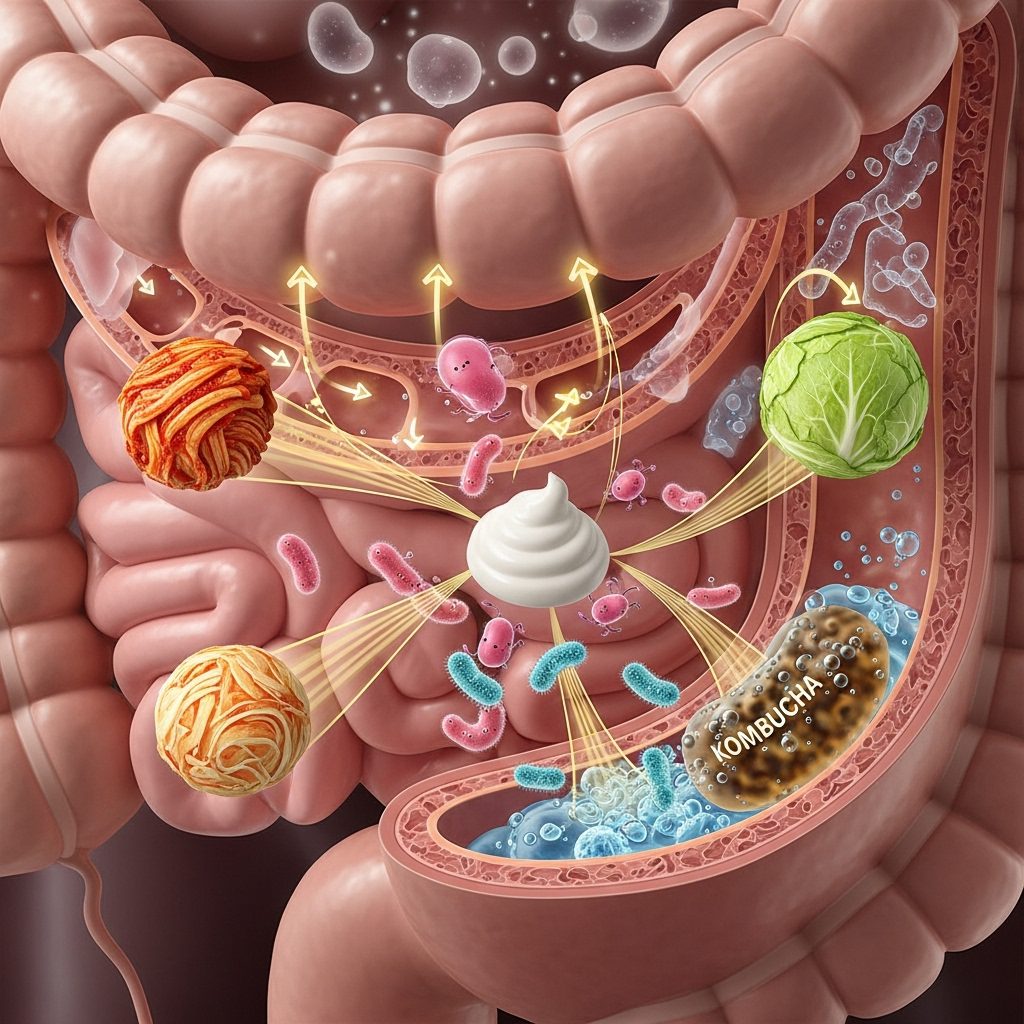
Fermented foods rely on the fermentation process, during which beneficial bacteria convert natural sugars into organic acids. This process not only preserves food but also creates compounds that are beneficial to the body.
Explanation:
When you consume fermented foods, these beneficial bacteria reach the gut, where they:
- Support the balance of healthy gut bacteria
- Improve digestion and nutrient absorption
- Reduce the growth of harmful bacteria
This is what makes fermented foods a true health-supporting element rather than just a side dish.
Kimchi: A Living Example of the Power of Fermented Foods
Kimchi is a traditional Korean dish made by fermenting cabbage with garlic, ginger, and chili peppers. It is one of the most well-known fermented foods rich in probiotics.
Explanation:
The benefits of kimchi go beyond digestion and include:
- Supporting immune health through beneficial bacteria
- Providing natural antioxidants
- Helping regulate appetite
Its fiber content also promotes satiety, making it a suitable option for those seeking balanced nutrition.
Sauerkraut: Simple Ingredients, High Nutritional Value
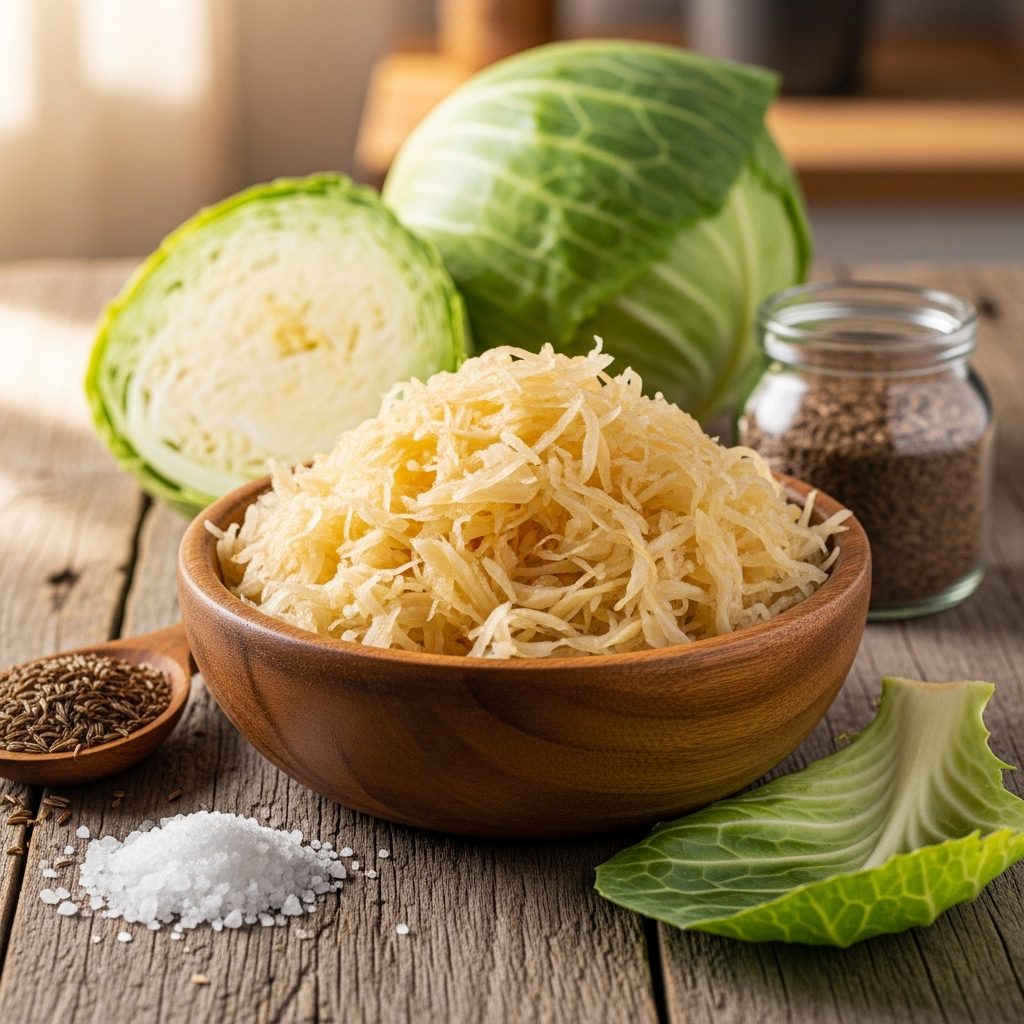
Sauerkraut is one of the simplest forms of fermented foods, yet it offers impressive health benefits. It is made using only cabbage and salt, without complex additives.
Explanation:
During fermentation:
- Vitamin C becomes more easily absorbed
- Mineral bioavailability improves
- Certain compounds that may hinder digestion are reduced
This explains why fermented cabbage is often easier to digest than raw cabbage for many people.
Kefir: Foods in Liquid Form
Kefir is a fermented beverage made from milk or plant-based alternatives and is considered one of the richest fermented foods in diverse probiotics.
Explanation:
Kefir is known for:
- A wide variety of beneficial bacterial strains
- Deeper support for gut health
- Improved lactose tolerance for some individuals
This makes it a recommended option for those with mild digestive issues or imbalanced gut bacteria.
Why Do this Foods Affect Overall Health, Not Just Digestion?
The digestive system is closely connected to both the immune system and the brain. When gut bacteria are balanced, the benefits extend throughout the entire body.
Explanation:
Regular consumption of fermented foods may help:
- Reduce inflammation
- Improve mood
- Support energy levels
This connection explains why gut health is closely linked to both mental and physical well-being.

How Can You Add Fermented Foods to Your Daily Diet?
Despite the many benefits of fermented foods, real value comes from how they are incorporated into the diet. Quantity, timing, and method of consumption all determine whether they support digestion or overwhelm it.
Explanation:
To start in a balanced way:
- Add a small amount daily (one to two tablespoons)
- Consume them with main meals
- Monitor your body’s response, especially at the beginning
This approach allows the gut to gradually adapt to beneficial bacteria.
Are Fermented Foods Suitable for Everyone?
Despite their benefits, fermented foods are not ideal for everyone at all times.
Explanation:
Some individuals may need caution, such as:
- Those with severe IBS
- People sensitive to histamine
- Individuals with high blood pressure due to sodium content
In these cases, moderation or consulting a specialist helps ensure benefits without side effects.

Is There a Contradiction?
Some people believe all fermented foods are high in sodium, but this largely depends on preparation methods.
Explanation:
Traditional fermentation differs from industrial pickling:
- Natural fermentation uses limited amounts of salt
- Commercial products often contain high sodium and preservatives
Choosing naturally fermented products or making them at home reduces this concern.
Common Mistakes That Reduce the Benefits of Fermented Foods
Many people miss out on the full benefits due to incorrect practices.
Explanation:
Common mistakes include:
- Heating foods (which kills beneficial bacteria)
- Consuming large amounts suddenly
- Relying solely on industrial pickles
To gain maximum benefit, foods should be treated as living foods—not just flavor enhancers.

When Is the Best Time to Eat Fermented Foods?
Timing plays a role in how effective foods can be.
Explanation:
The best times include:
- With main meals to support digestion
- Early in the day to stimulate gut function
- Before heavy meals to reduce bloating
Choosing the right timing enhances the probiotic effect on the body.
Long-Term Gut Health
Regular and balanced consumption of foods may help build a stable gut environment that supports long-term health.
Explanation:
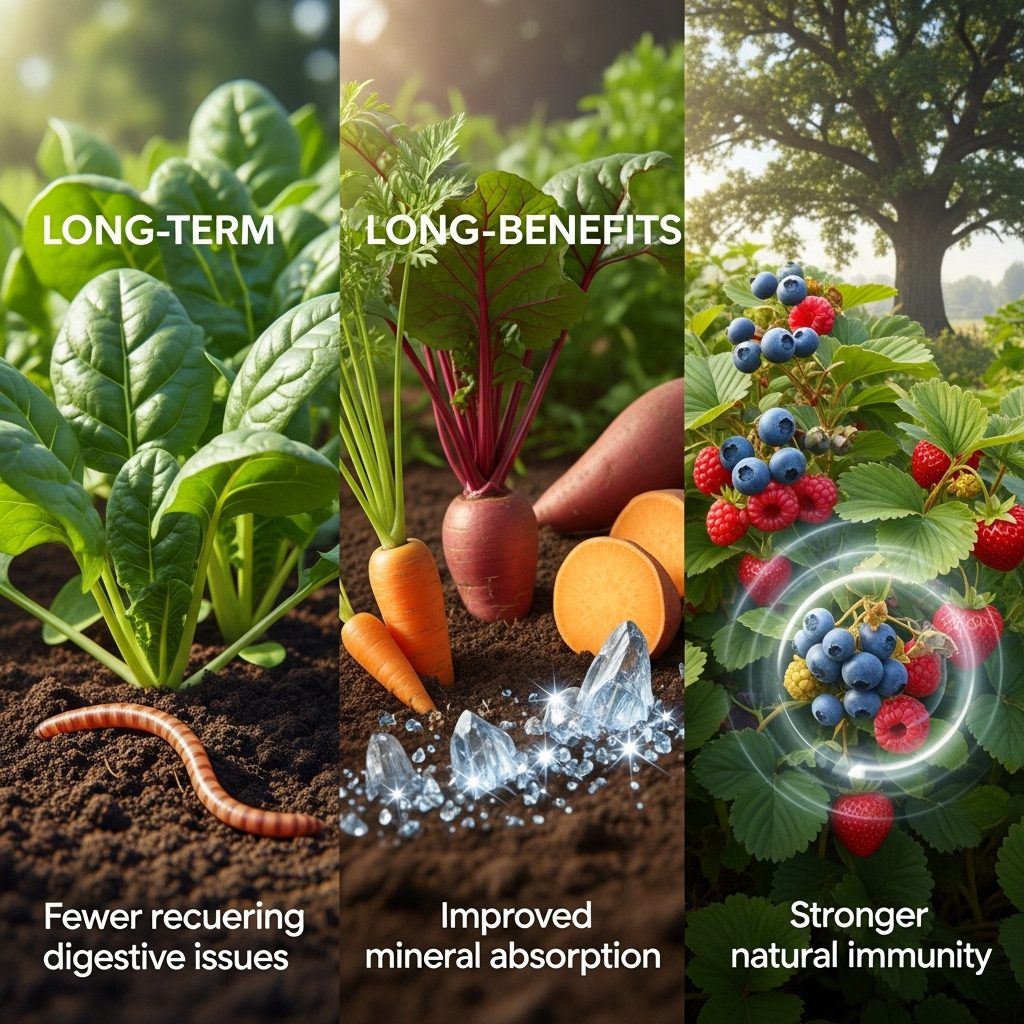
Potential long-term benefits include:
- Fewer recurring digestive issues
- Improved mineral absorption
- Stronger natural immunity
These benefits are cumulative and result from consistent, mindful dietary habits.
Fermented Foods as Part of a Healthy Lifestyle
foods such as kimchi, sauerkraut, and kefir are not a passing food trend. They are time-tested nutritional components with traditional roots supported by modern science. Incorporating them mindfully and in moderation can make a real difference in digestive health and overall well-being.
Final Note:
The key lies in:
- Moderation
- Making informed choices
- Listening to your body’s signals
This approach ensures fermented foods remain a supportive addition rather than a dietary burden.
If you’re interested in gaining a deeper understanding of nutrition, gut health, and how daily food choices impact your energy and well-being—whether during travel or everyday life—visit nutritiontravels and explore content that blends science, simplicity, and enjoyable nutrition .