
Gut health is no longer just a digestion-related topic. In recent years, scientists have discovered that the gut plays a central role in overall health, influencing immunity, energy levels, mood, weight management, and even mental well-being. At the heart of this system lies the gut microbiome, supported by two essential nutritional components: probiotics and prebiotics.
Understanding how probiotics and prebiotics work—and how to include them in your daily routine—can help you build a healthier digestive system and improve your quality of life.
What Is the Gut Microbiome?
The gut microbiome is a complex ecosystem of trillions of microorganisms living in the digestive tract. These include beneficial bacteria, viruses, fungi, and other microbes that work together to support vital bodily functions.
A balanced microbiome helps with:
- Digesting food efficiently
- Producing vitamins such as vitamin K and B vitamins
- Supporting immune defenses
- Protecting the gut lining
- Communicating with the brain through the gut–brain axis
When the microbiome is disrupted, a condition known as dysbiosis, it can contribute to digestive discomfort, chronic inflammation, weakened immunity, metabolic disorders, and mood-related issues such as anxiety and depression.
What Are Probiotics?
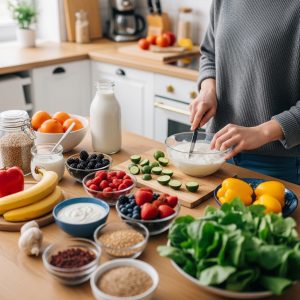
Probiotics are live beneficial microorganisms that help restore and maintain a healthy balance of bacteria in the gut.
How Probiotics Work
Probiotics introduce helpful bacteria into the digestive system. These bacteria compete with harmful microbes, strengthen the intestinal barrier, and support immune function.
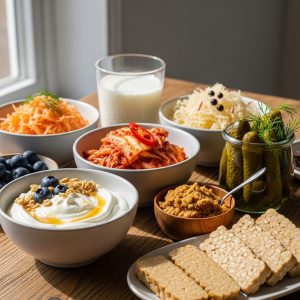
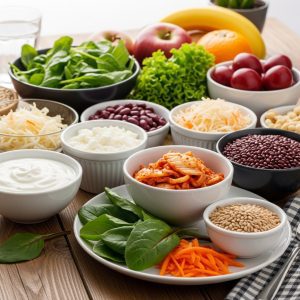
Natural Sources of Probiotics
- Yogurt with live and active cultures
- Kefir
- Kimchi
- Sauerkraut (unpasteurized)
- Miso and tempeh
- Naturally fermented pickles
Benefits of Probiotics
- Improve digestion and reduce bloating and gas
- Help manage diarrhea and constipation
- Support recovery after antibiotic use
- Reduce symptoms of irritable bowel syndrome (IBS)
- Strengthen immune defenses
- Support mental health by influencing neurotransmitters like serotonin
What Are Prebiotics?
Prebiotics are non-digestible fibers that feed beneficial gut bacteria. Unlike probiotics, they do not add bacteria but instead help existing good bacteria grow and thrive.
How Prebiotics Work
Prebiotics pass through the digestive system undigested until they reach the colon, where they are fermented by beneficial bacteria. This process produces short-chain fatty acids that nourish gut cells and reduce inflammation.
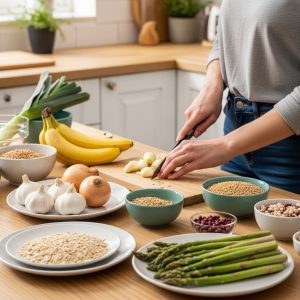
Natural Sources of Prebiotics
- Garlic
- Onions and leeks
- Bananas
- Oats
- Asparagus
- Whole grains
- Legumes
Benefits of Prebiotics
- Promote the growth of beneficial bacteria
- Strengthen the gut barrier
- Improve mineral absorption
- Reduce inflammation
- Support long-term gut health
Synbiotics: Why Probiotics and Prebiotics Work Better Together
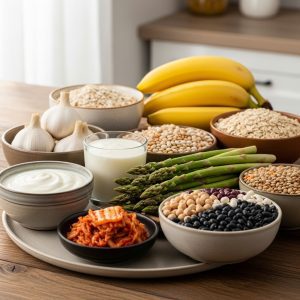
When probiotics and prebiotics are consumed together, they form synbiotics. This combination ensures that newly introduced beneficial bacteria have the nutrients they need to survive and multiply.
Synbiotics support:
- Better digestion
- Stronger immune function
- Improved gut microbiome balance
- Enhanced mental and metabolic health
Studies highlighted by medical sources such as Continental Hospitals suggest that combining probiotics and prebiotics leads to more effective and long-lasting gut health benefits.
How Gut Health Affects the Whole Body
Digestive Health
Beneficial bacteria help break down complex carbohydrates and fibers, making nutrients easier to absorb. They also regulate bowel movements and reduce digestive discomfort.
Immune System Support
Approximately 70% of the immune system is located in the gut. A healthy microbiome trains immune cells to respond appropriately to harmful pathogens while tolerating harmless substances.
Mood and Mental Health
The gut produces most of the body’s serotonin, often referred to as the “feel-good” hormone. A healthy gut can improve mood, reduce stress, and support better sleep through the gut–brain connection.
Weight and Metabolism
An imbalanced microbiome may increase inflammation and calorie extraction from food, contributing to weight gain. A healthy gut supports metabolic balance and energy regulation.
Signs of an Unhealthy Gut Microbiome
Common signs of gut imbalance include:
- Persistent bloating, gas, or abdominal pain
- Diarrhea or chronic constipation
- Food sensitivities
- Fatigue and low energy
- Skin issues such as acne or eczema
- Frequent infections
- Mood changes, anxiety, or depression
- Strong sugar cravings
How to Improve Your Gut Microbiome Naturally
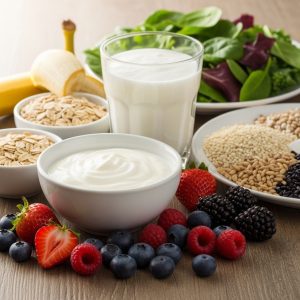
Eat More Fiber-Rich Foods
Vegetables, fruits, legumes, and whole grains provide prebiotics that nourish beneficial bacteria.
Include Fermented Foods
Regularly eating yogurt, kefir, kimchi, and sauerkraut helps introduce beneficial bacteria naturally.
Reduce Harmful Foods
Limit sugar, processed foods, artificial sweeteners, and unhealthy fats that feed harmful bacteria.
Manage Stress and Sleep
Chronic stress and poor sleep negatively affect gut bacteria balance and digestive function.
Stay Physically Active
Exercise increases gut bacterial diversity and reduces inflammation.
Use Antibiotics Carefully
Antibiotics can disrupt the microbiome by killing both good and bad bacteria. Use them only when medically necessary.
Food vs. Supplements: Which Is Better?
For most people, a balanced diet rich in fermented foods and fiber is enough to maintain gut health. However, probiotic supplements may be helpful:
- After antibiotic treatment
- For IBS or chronic digestive issues
- During periods of weakened immunity
Always consult a healthcare professional before starting supplements, especially if you have underlying health conditions.
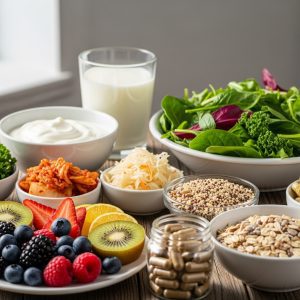
Probiotics and prebiotics are essential components of a healthy gut and a balanced body. By nourishing your gut microbiome with fiber-rich foods, fermented products, and healthy lifestyle habits, you can improve digestion, boost immunity, enhance mood, and support long-term wellness.
At Nutrition Travels, we believe that caring for your gut is a powerful step toward better overall health. Small, consistent dietary changes can make a lasting difference in how your body feels, functions, and thrives.