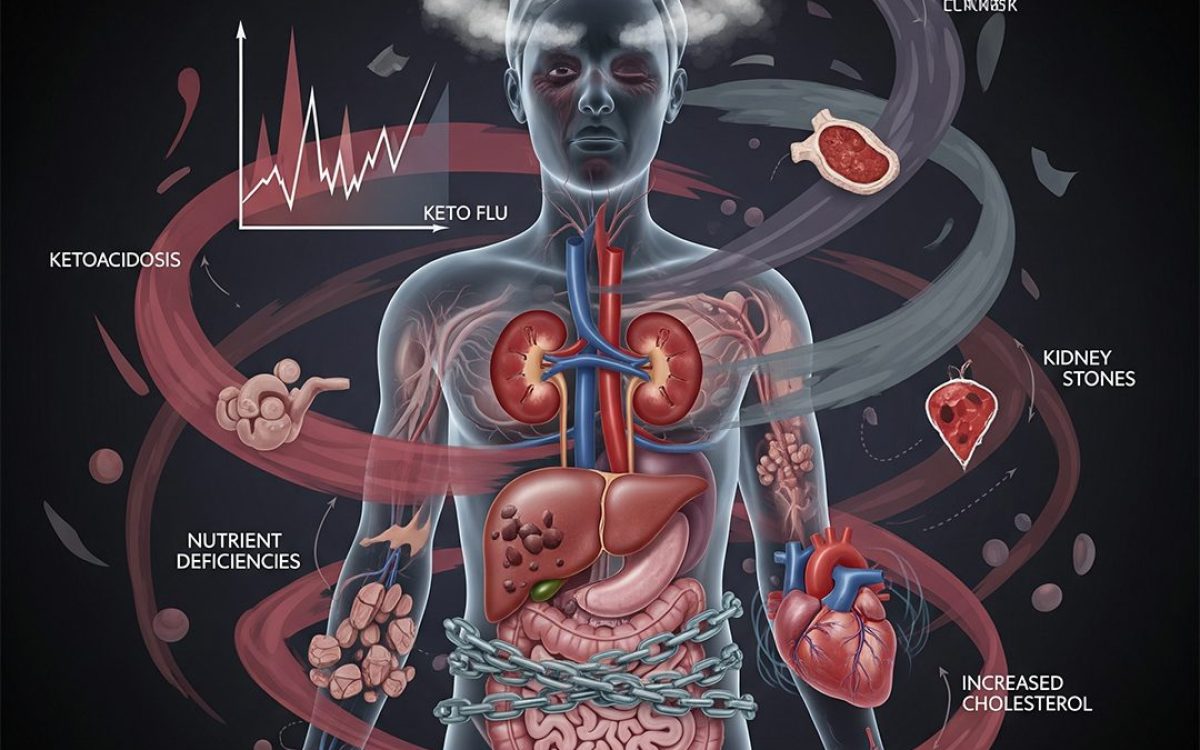
The keto diet has skyrocketed in popularity as a quick weight-loss solution. Yet behind the hype lie serious health risks that can affect your body both now and later. This article isn’t here to scare you—it’s here to share facts. Using medical studies and expert insights, we’ll uncover the real dangers of keto so you can make informed choices about your health.
The Nature of the Diet: A Journey into Ketosis
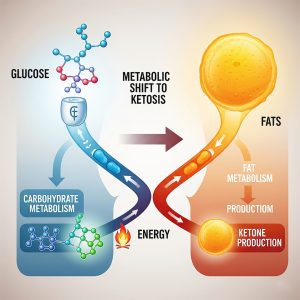
The radically shifts the body’s energy sources. Instead of relying on carbohydrates, the body is forced to burn fat. This is achieved by consuming less than 50 grams of carbohydrates daily, while significantly increasing fat intake and eating moderate protein.
This shift pushes the body into a metabolic state called ketosis. The liver breaks down fats to produce compounds known as ketones, which your cells then use as an alternative fuel. This transformation is a key part of The Dangers of the Keto Diet, as it leads to many potential side effects that require attention.
The Dangers of the Keto Diet: Short-Term Risks and “Keto Flu”
In the first days and weeks of following the keto diet, many people experience what is known as “keto flu.” These symptoms are not imaginary but rather a natural response of the body as it adapts to the absence of carbohydrates. This phenomenon occurs mainly due to dehydration and imbalances in electrolytes and minerals, which are rapidly excreted along with fluids.
Common symptoms of keto flu include:
Headache and fatigue
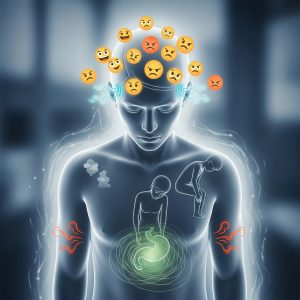
At the start of keto, headaches and deep fatigue are common. The brain, long used to glucose, suddenly has to adjust to ketones as fuel. On top of that, rapid fluid and electrolyte loss makes these symptoms worse, highlighting the body’s struggle to adapt.
Nausea, vomiting, and dizziness:
Mood swings and irritability:
Switching to ketones instead of glucose affects the brain’s chemistry. During this adjustment, many people notice mood swings, irritability, and even anxiety. Concentration may drop, and a sense of “brain fog” is common until the body fully adapts. These changes are linked to neurotransmitter shifts and the brain’s temporary energy shortage.
Bad breath:
During ketosis, the body produces acetone, a type of ketone that gets released through breath. This gives off a fruity or nail-polish-like odor, commonly known as “keto breath.” While harmless and temporary, it can be unpleasant until the body learns to balance ketone production.
Dehydration and mineral loss:
One of the most overlooked dangers of the keto diet is dehydration and loss of essential minerals. Since carbohydrates normally help the body retain water, cutting them drastically causes rapid fluid loss. Along with this water, electrolytes like sodium, potassium, and magnesium are flushed out, which can lead to muscle cramps, dizziness, and fatigue. If not carefully managed, this imbalance may progress to more serious complications such as kidney strain or irregular heart rhythms.
Long-Term Risks of Keto on Vital Organs :
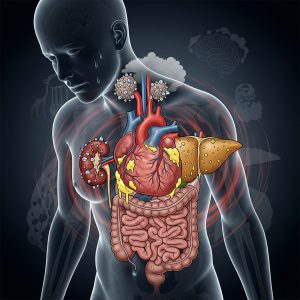
Keto’s dangers extend beyond the short term, placing lasting strain on vital organs:
-
Kidneys: The excess ketones and uric acid make kidneys work harder, raising the risk of kidney stones and gout.
-
Heart and vessels: Heavy reliance on fatty foods can raise LDL (“bad”) cholesterol, increasing the chance of heart disease or stroke.
-
Liver: Constant fat processing may encourage fat buildup, heightening the risk of fatty liver disease.
Effects on Overall Health and Nutritional Balance
Beyond organ health, keto’s restrictive nature impacts general wellbeing:
-
-
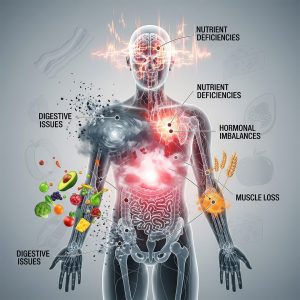
Nutrient deficiencies: Cutting out fruits, grains, and legumes leaves gaps in vital nutrients like Vitamin C, Vitamin D, magnesium, and phosphorus. Over time, this can weaken immunity, drain energy, and raise the risk of bone issues such as osteoporosis.
-
Muscle loss: If protein intake isn’t carefully managed, keto can cause muscle breakdown. Less muscle means a slower metabolism, making it easier to regain lost weight once the diet ends.
-
Digestive issues: Cutting high-fiber foods often causes constipation and disrupts gut bacteria. A weaker gut microbiome doesn’t just affect digestion—it can also lower immunity and overall health.
-
Hormonal imbalances: For women, the keto diet may disrupt hormones, leading to irregular or even missed periods. These changes stem from nutrient deficiencies and stress on the body from carb restriction.
-
Who Should Avoid the Keto?
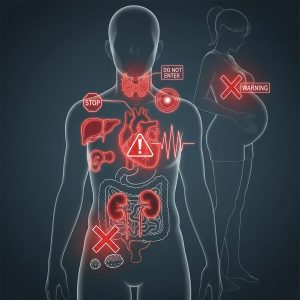
Keto isn’t safe for everyone. These groups should steer clear unless under medical supervision:
-
-
People with kidney, liver, or heart conditions (extra strain on organs).
-
Type 1 diabetics (risk of severe low blood sugar).
-
Pregnant or breastfeeding women (need more balanced nutrition).
-
Those with thyroid issues or no gallbladder.
-
The keto diet can bring quick results—but shortcuts come at a cost. From temporary “keto flu” to long-term risks for your kidneys, heart, and liver, the dangers are real. Always consult a doctor or nutrition expert before starting. Lasting health is worth far more than short-term weight loss.