

Inflammation is part of the body’s natural defense, but when it becomes chronic, it can raise the risk of heart disease, diabetes, and joint pain. The good news? Your diet can play a powerful role in controlling it. The anti-inflammatory diet focuses on adding foods that reduce inflammation and avoiding those that make it worse—helping you feel healthier, more energized, and protected long-term.
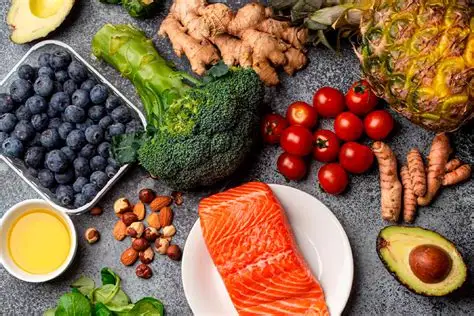
What is the Anti-Inflammatory Diet?
The anti-inflammatory diet is not a strict, one-size-fits-all plan. Instead, it’s a flexible lifestyle that encourages whole, nutrient-rich foods and minimizes processed, artificial products. It’s not about counting calories—it’s about making smarter choices that calm inflammation and support long-term wellness.
Think of it this way: the more colorful and natural your plate looks, the more likely it is to fight inflammation rather than fuel it.
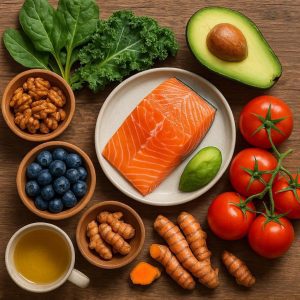
Foods to Add: Anti-Inflammatory Powerhouses
-
Fatty Fish
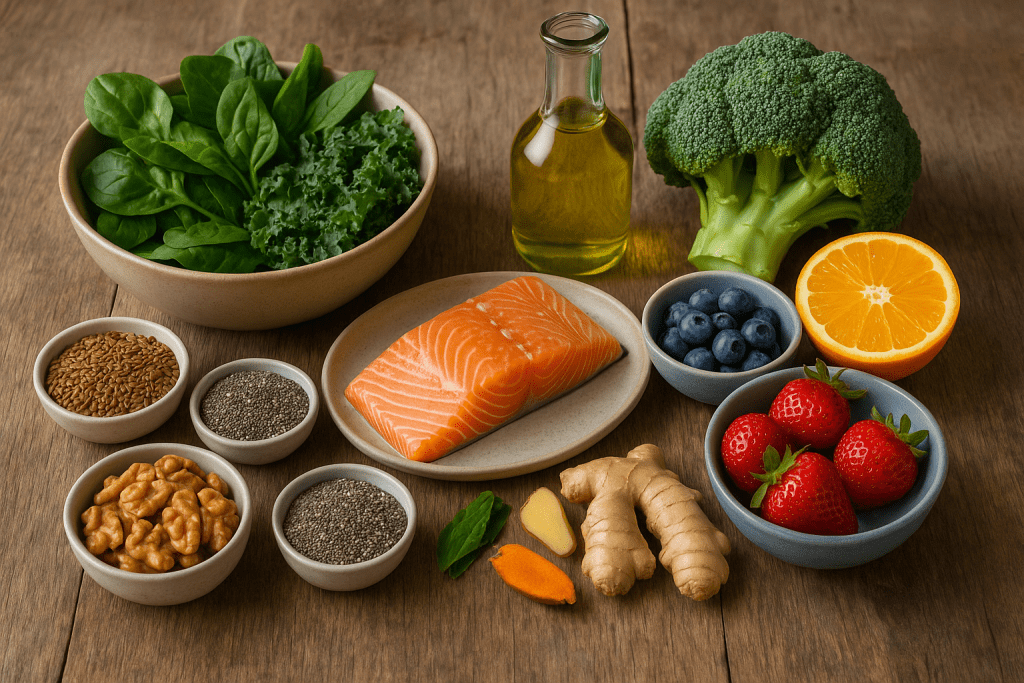
Salmon, sardines, tuna, and mackerel are rich in omega-3 fatty acids, which reduce inflammation and protect heart health. Try to include fatty fish two to three times a week.
-
Fruits and Berries
Blueberries, strawberries, cherries, and oranges are packed with antioxidants and vitamin C, which fight oxidative stress and protect cells from damage.
-
Leafy Greens and Vegetables
Spinach, kale, broccoli, and Brussels sprouts are nutrient-dense, high in fiber, and excellent for immune and gut health—two major players in controlling inflammation.
-
Nuts and Seeds
Almonds, walnuts, chia seeds, and flaxseeds provide healthy fats, protein, and magnesium, which support both brain and heart function.
-
Olive Oil
Extra-virgin olive oil is a staple of the Mediterranean diet and contains compounds that fight inflammation. It’s the perfect replacement for refined oils or butter.
-
Spices and Herbs
Turmeric, ginger, garlic, and cinnamon are powerful natural anti-inflammatories. Even small amounts added daily can make a noticeable difference.
Foods to Avoid: Common Inflammatory Triggers
- Processed Meats: Sausages, bacon, and hot dogs are high in preservatives and saturated fats that may trigger inflammation.
- Refined Carbohydrates: White bread, pastries, and sugary cereals cause blood sugar spikes, which can worsen inflammation and insulin resistance.
- Fried Foods: French fries, fried chicken, and other deep-fried items often contain oils that form harmful compounds linked to inflammation.
- Excessive Sugar: Candy, soda, and desserts not only add empty calories but also raise inflammatory markers throughout the body.
- Trans Fats: Packaged snacks, margarine, and some fast foods contain trans fats—one of the worst culprits for inflammation and heart disease.

Benefits of the Anti-Inflammatory Diet
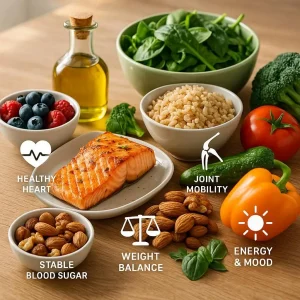
- Supports heart health: By replacing unhealthy fats with omega-3s and olive oil, it lowers bad cholesterol and keeps arteries healthy.
- Stabilizes blood sugar: Whole grains and fiber-rich foods prevent sharp spikes in blood sugar, reducing the risk of type 2 diabetes.
- Eases joint pain: Many people report less stiffness and pain from arthritis when following this diet.
- Helps with weight management: Whole, nutrient-dense foods keep you fuller longer, reducing overeating.
- Boosts energy and mood: Nutritious foods fuel the body and brain, improving focus, energy, and overall well-being.
Practical Tips for Following the Diet
- Start small: Swap sugary drinks for water or herbal tea.
- Cook more at home: Control ingredients and avoid hidden sugars or unhealthy oils.
- Use healthy fats: Choose olive oil or avocado oil instead of butter or margarine.
- Snack wisely: Pick nuts, fruits, or yogurt instead of chips and candy.
- Stay consistent: Remember, it’s a lifestyle, not a short-term plan.

The anti-inflammatory diet is about balance, not restriction. By making small but consistent changes—like eating more vegetables, replacing processed snacks with whole foods, and cooking with healthy oils—you give your body the tools to fight chronic inflammation and protect your long-term health.
Start today: add salmon to your weekly menu, sprinkle turmeric on roasted veggies, or swap soda for green tea. Each small choice can lead to big results over time.
Remember—food is more than fuel, it’s medicine. If you’re ready to take control of your health, explore more expert tips, recipes, and practical guides on Nutrition Travels . Your journey toward better health and lasting energy starts now—don’t wait, make the change today!