In the modern world of nutrition, the question is no longer only “What should we eat?” but also “Store-Bought vs. Homemade: which foods are better?” People now wonder where their food comes from and how it is prepared.
Between supermarket shelves filled with ready-made products and home kitchens carrying the aroma of fresh food, many nutrition-conscious individuals try to understand which option is best for their bodies and lifestyle.
Today’s article does not take sides absolutely but presents a balanced perspective to help readers make smarter, informed choices about Store-Bought vs. Homemade, free from exaggeration or ready-made judgments.
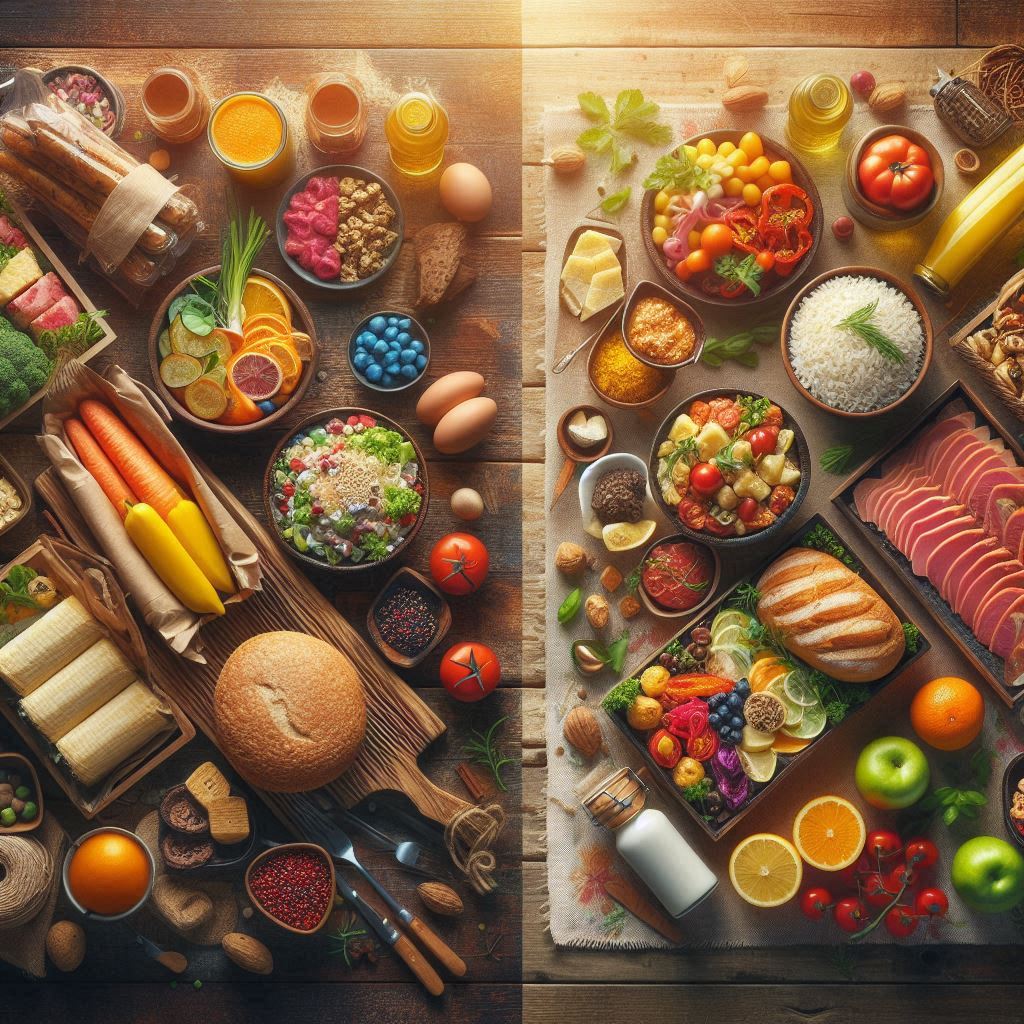
Why This Topic Matters in Store-Bought vs. Homemade Choices?
With the increasing rates of lifestyle-related diseases such as obesity, diabetes, and digestive disorders, people have become more aware of how food quality affects both physical and mental health. Ready-made foods are no longer just a quick option; they have become a basic part of many people’s daily diets, while others have returned to rediscover the value of home cooking.
However, the truth is that comparing store-bought and homemade food is not as simple as it seems, because each option has its advantages and disadvantages.
Store-Bought Food:
Ready-made foods often contain high levels of additives such as sugar, salt, and unhealthy fats. Although these may seem minor, they directly affect the quality of the overall diet.
These foods are also usually high in calories due to the inability to control the quantities used during preparation, whether oils, sauces, or sweeteners. This makes it difficult to accurately estimate the real nutritional value of the meal, especially for those who closely monitor their daily calorie intake.
Store-bought meals are often served in large portions, which may make it challenging to know whether the amount suits individual nutritional needs, particularly when starting a new healthy eating plan.
Although ready-made food saves time and effort, especially for people who work long hours, this choice is often based more on convenience than on nutritional quality.
In many cases, these meals are prepared to be flavorful and appealing to most consumers, without sufficient focus on nutritional balance or careful ingredient selection. As a result, frequent reliance on store-bought food may lead to consuming more calories than needed, which can negatively affect overall health over time.
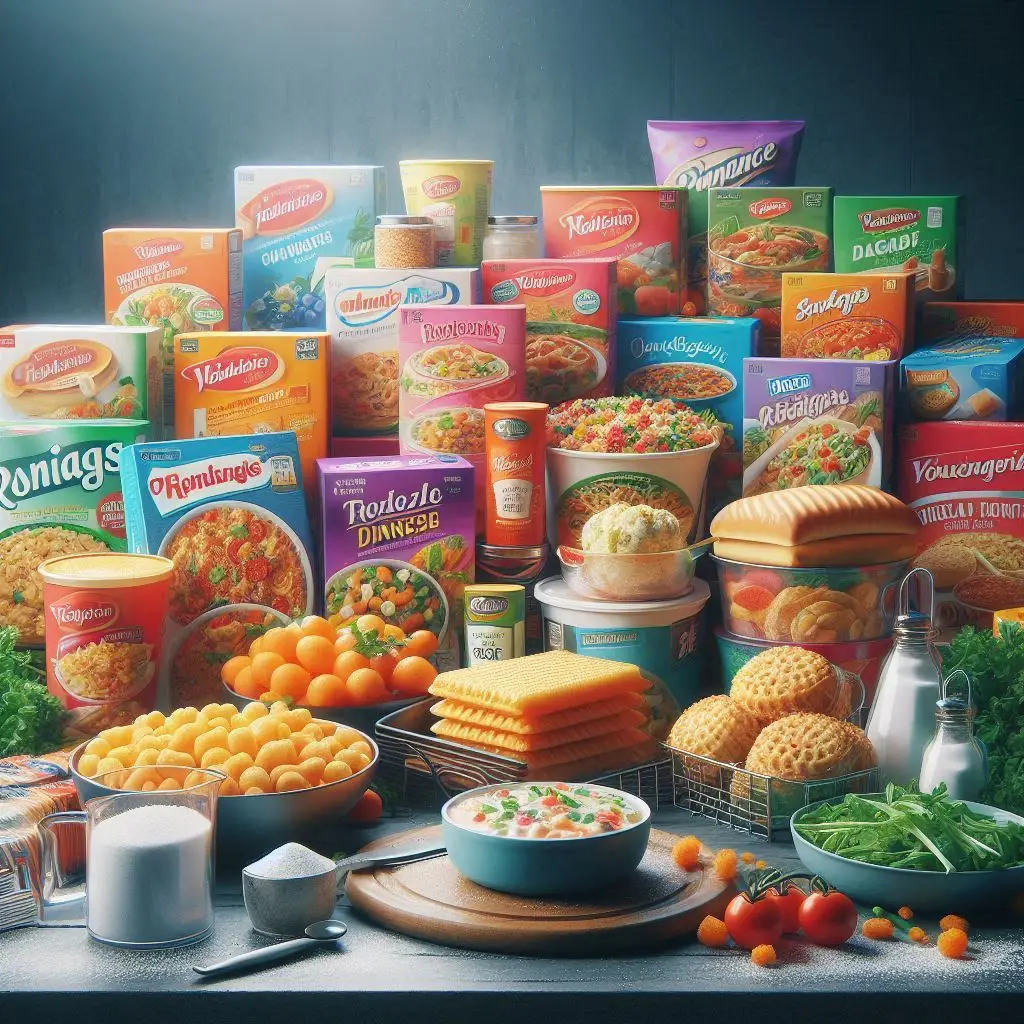
Homemade Food: More Than Just a Meal:
Preparing food at home gives you full control over the ingredients during cooking, helping you create a healthy meal that aligns with your nutritional goals with confidence and comfort. Replacing processed foods with homemade meals makes it easier to stick to a diet plan and encourages discovering delicious and varied recipes without feeling deprived.
Preparing meals in advance at home helps you choose healthy food even on busy days and reduces the need to rely on fast-food restaurants due to lack of time. When you cook at home, controlling portion size becomes simple and aligned with your diet, unlike restaurant meals, which are often larger than necessary.
Homemade meals are also lower in calories because their ingredients are clear and quantities can be adjusted accurately according to individual needs.
In addition, homemade food is less expensive and higher in quality compared to ready-made food, making it both a healthy and economical choice.
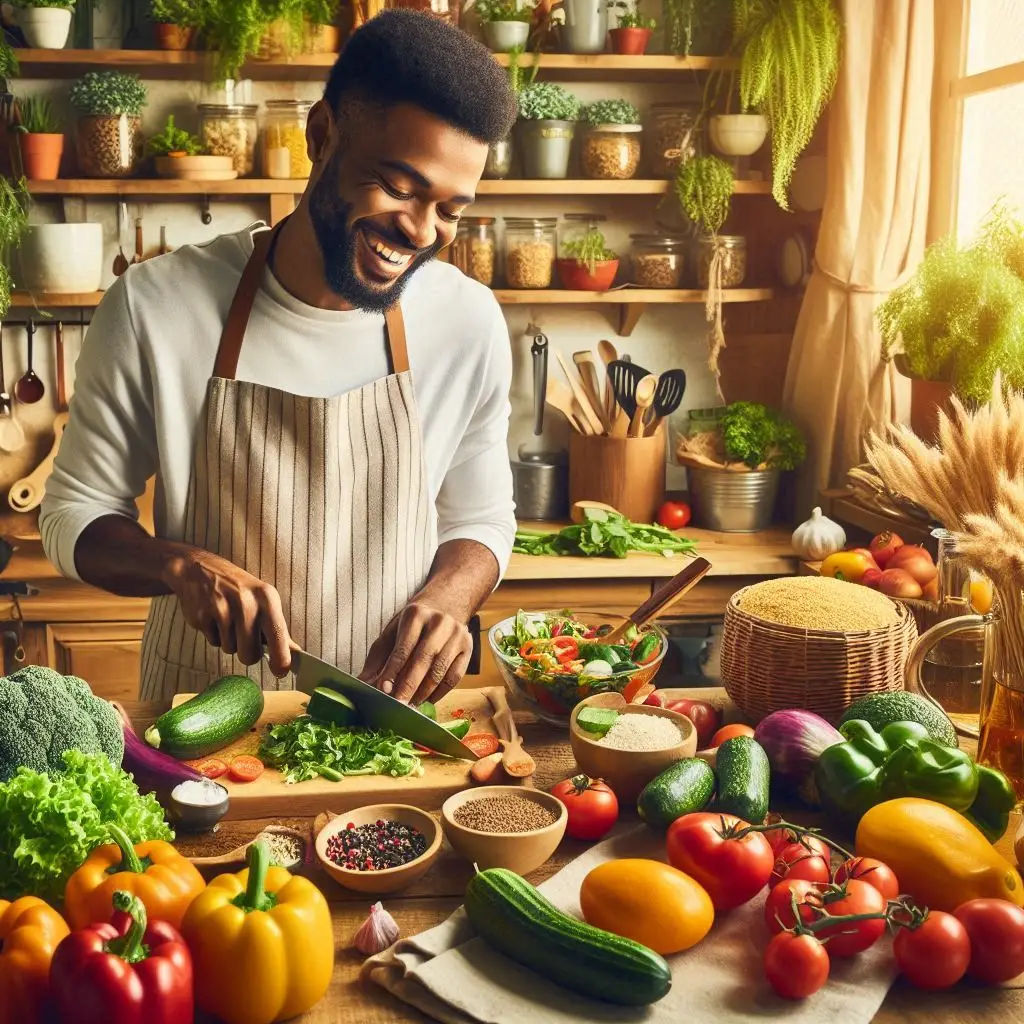
Foods Worth Making at Home:
1. Sauces (such as tomato sauce and mayonnaise):
Store-bought sauces often contain added sugar and preservatives. Homemade versions allow the use of simple, fresh ingredients with full control over flavor and nutritional value.
2. Baked goods:
Homemade cakes, bread, and pastries allow the use of whole-grain flour, reduced sugar, and avoidance of hydrogenated fats.
3. Yogurt and flavored varieties:
Flavored store-bought yogurt is usually high in sugar. At home, natural fruits and moderate amounts of honey can be added instead.
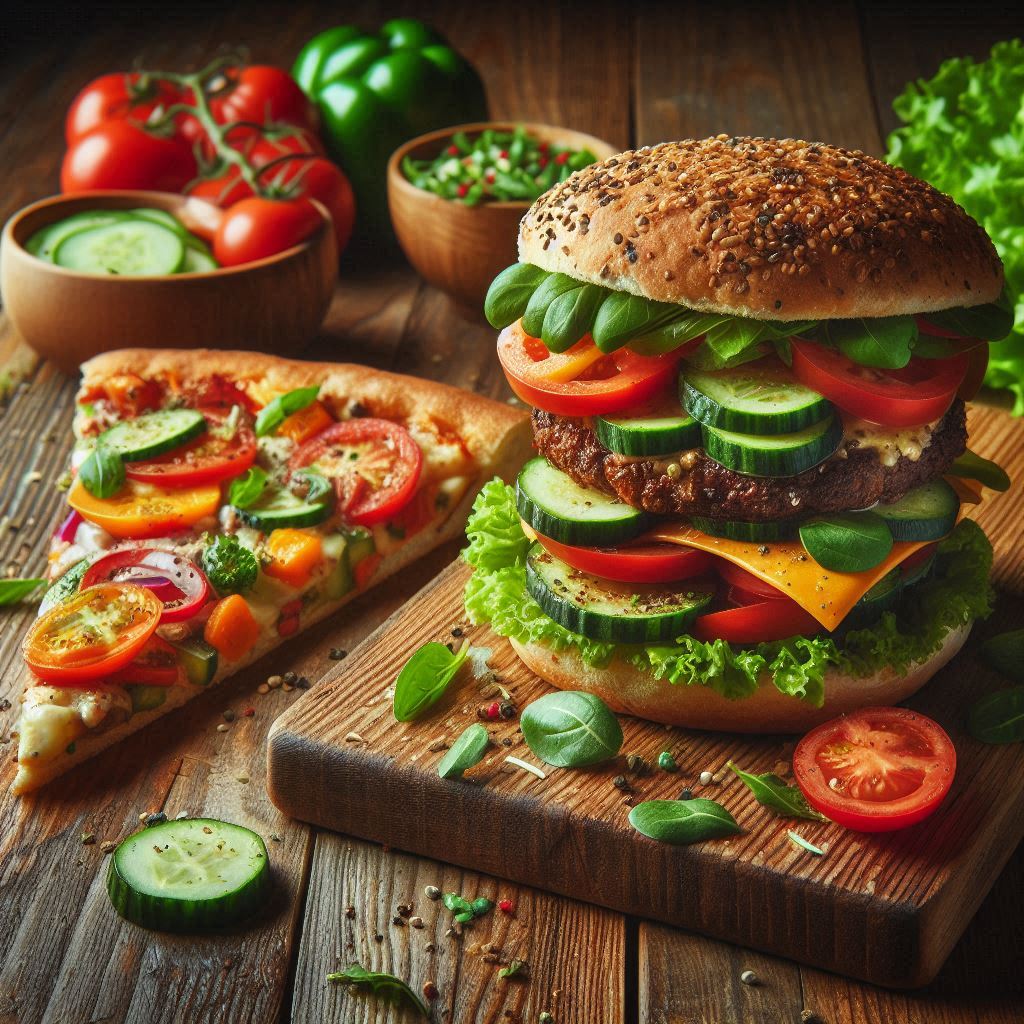
4. Healthy fast food:
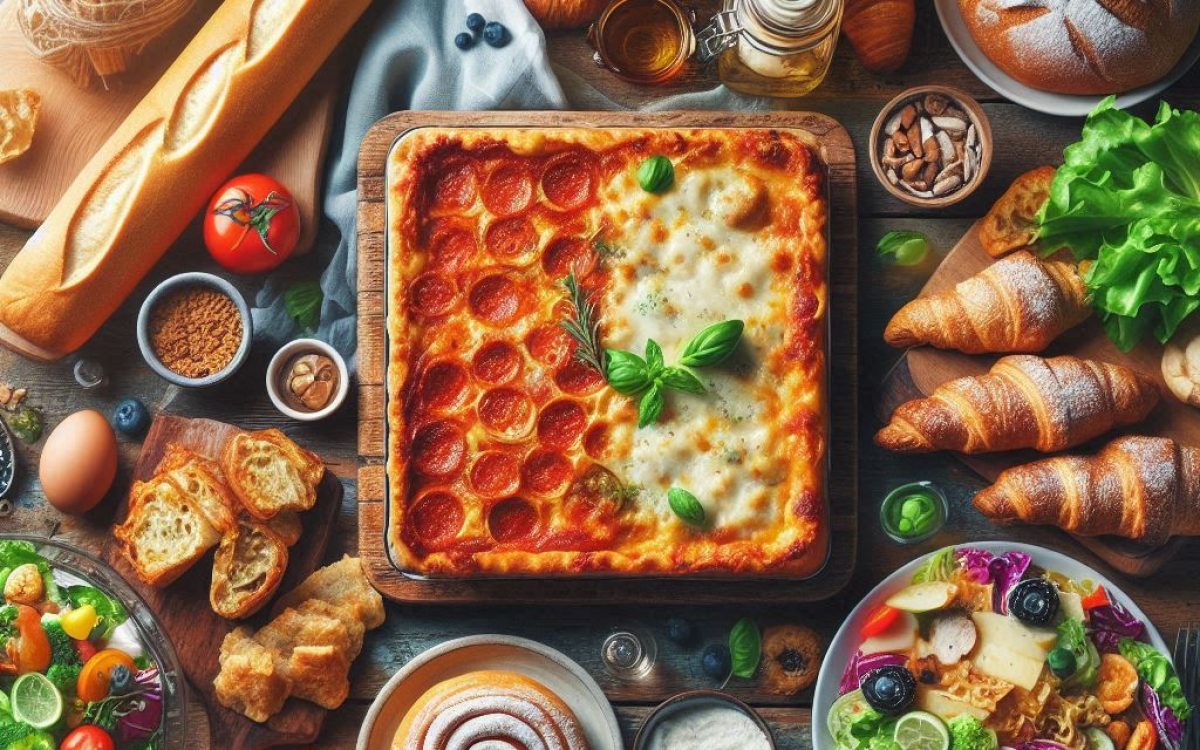
Even burgers or pizza can be prepared at home in a more nutritionally balanced way, using whole-grain bread, high-quality protein or alternatives, and fresh vegetables.
Foods That Can Be Bought Ready Without Much Concern:
From a nutritional perspective, some ready-made products are not a real problem when chosen wisely:
- Frozen vegetables.
- Oats.
- Peanut butter.
- Low-sodium canned legumes.
- Chickpeas or lentils.
These products save time and effort while maintaining good nutritional value.
Long-Term Health Impact:
Studies indicate that excessive reliance on processed foods is associated with increased risks of:
- Heart disease.
- Obesity.
- Weak immunity.
- Digestive disorders.
On the other hand, a diet based on fresh, homemade food is associated with:
- Weight stability.
- Improved energy levels.
- Better digestive health.
- Better blood sugar balance.
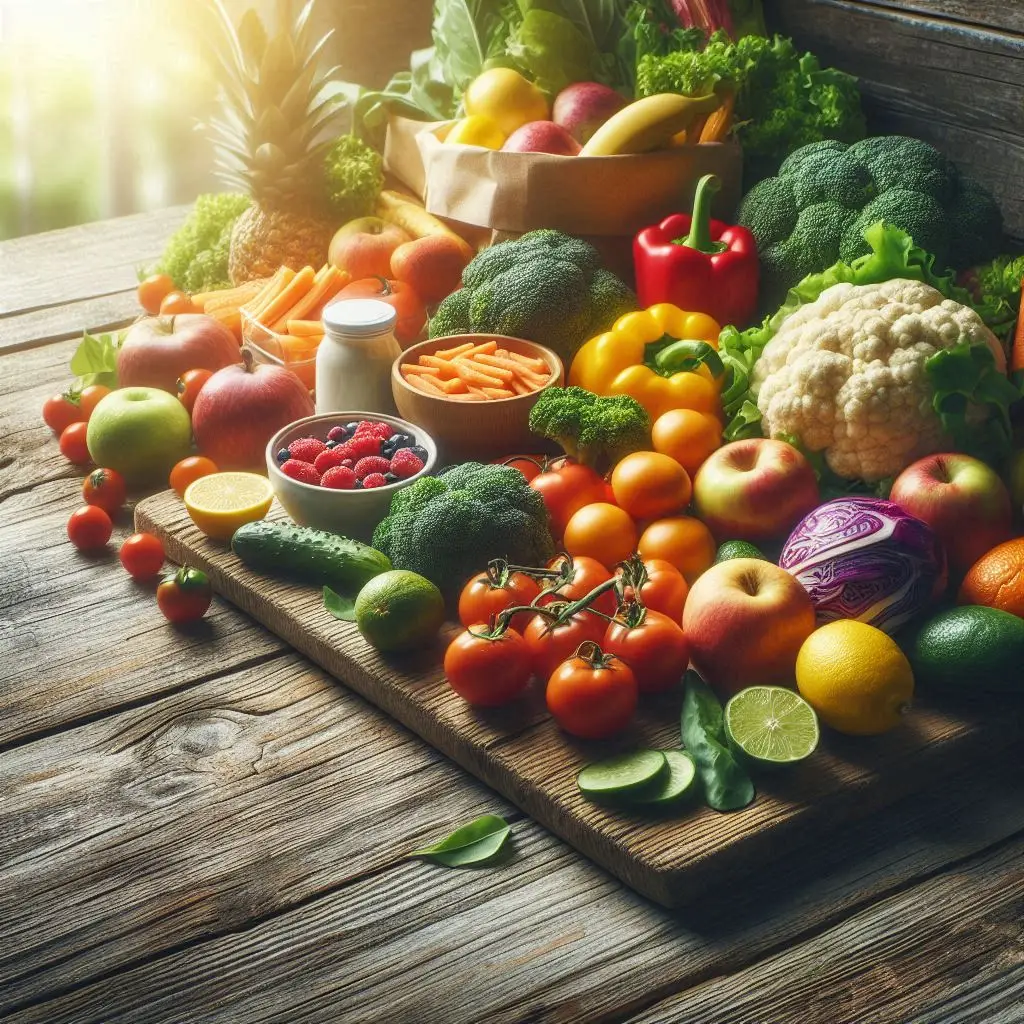
The comparison between store-bought and homemade food is not a battle, but a journey of nutritional awareness. Some foods are worth the effort of preparing at home because they support health and reduce exposure to harmful ingredients, while some ready-made products can be part of a balanced lifestyle when chosen wisely and consciously.
In a world where nutritional concepts are constantly evolving, nutritional awareness remains the true investment in the health of both body and mind. That is why Nutrition Travels is committed to providing reliable and simple information that helps readers make better dietary decisions and understand food not only as a meal, but as a lifestyle that supports long-term health.