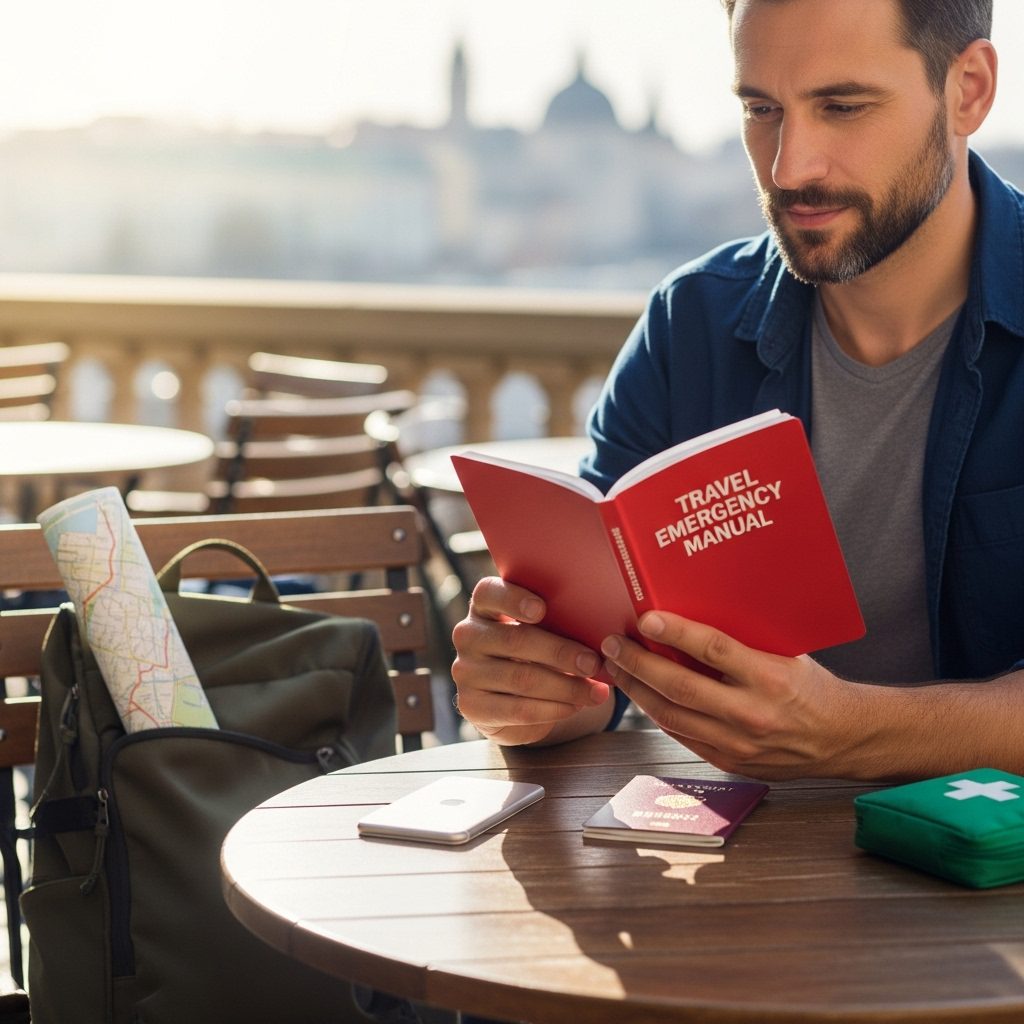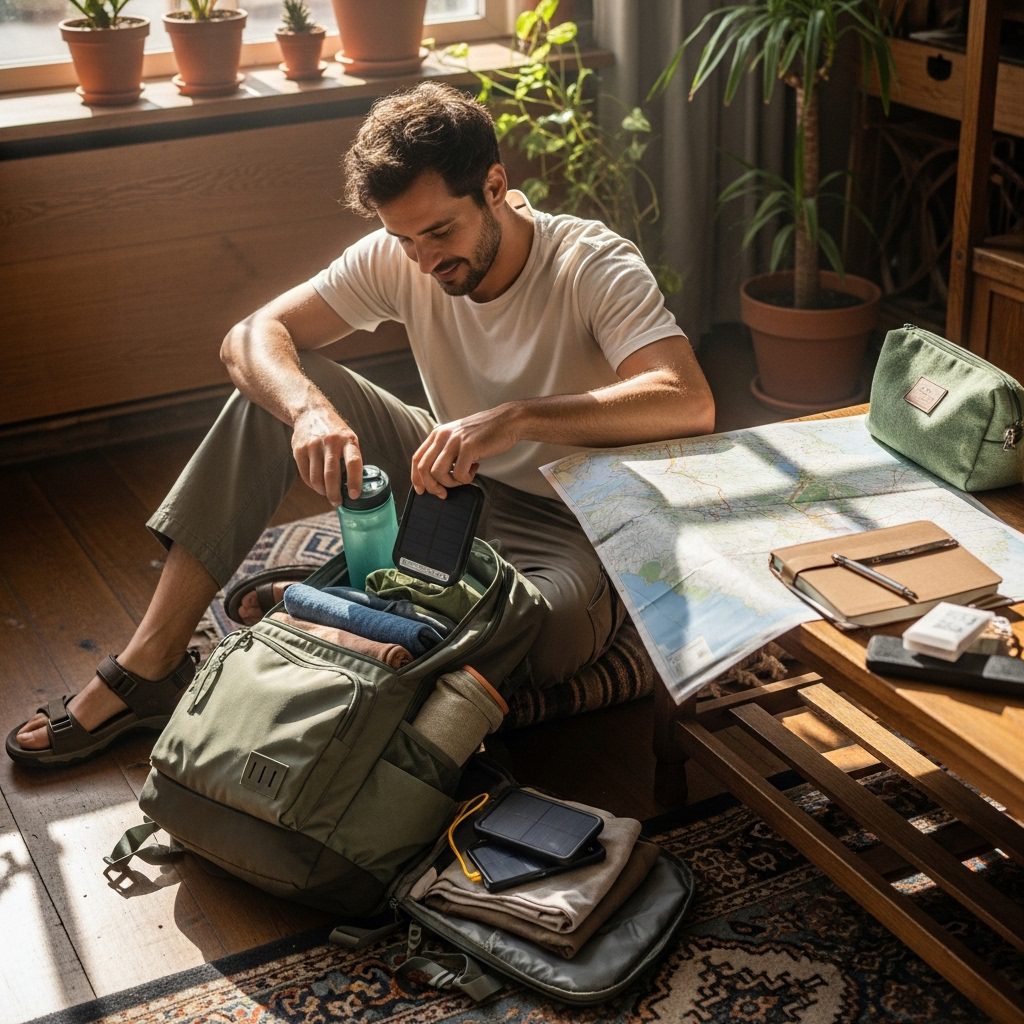
Traveling the world is one of life’s greatest joys. Exploring new cultures, tasting exotic foods, and discovering breathtaking landscapes creates memories that last a lifetime. But travel also comes with unexpected challenges. Illness, accidents, lost documents, or safety threats can quickly turn a dream trip into a stressful situation. That’s why every traveler needs a Travel Emergency Manual—a practical guide that equips you to handle medical, safety, and logistical emergencies on the road.
A Travel Emergency Manual is more than a checklist—it’s your roadmap to confidence and peace of mind. With clear instructions, essential contacts, and organized emergency strategies, you can focus on enjoying your journey rather than worrying about what could go wrong.
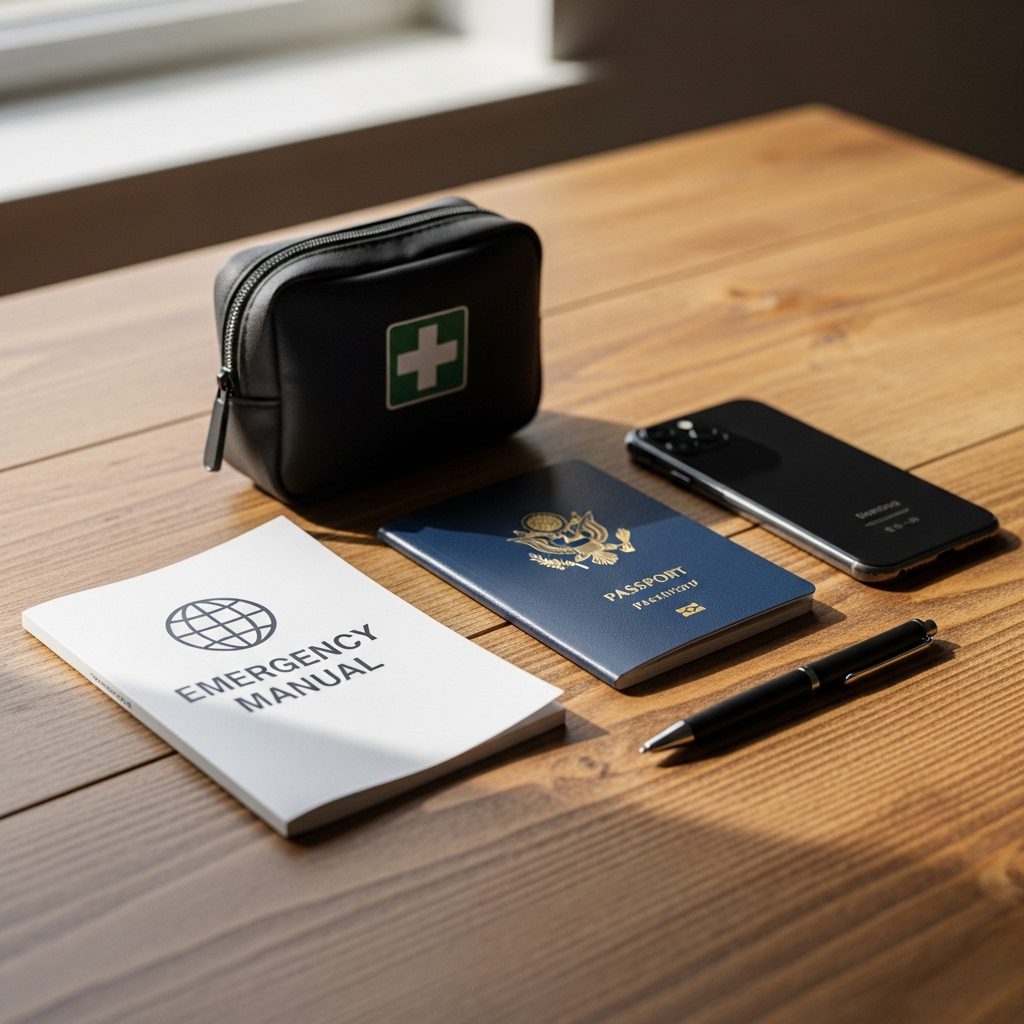
Why You Need a Travel Emergency Manual:
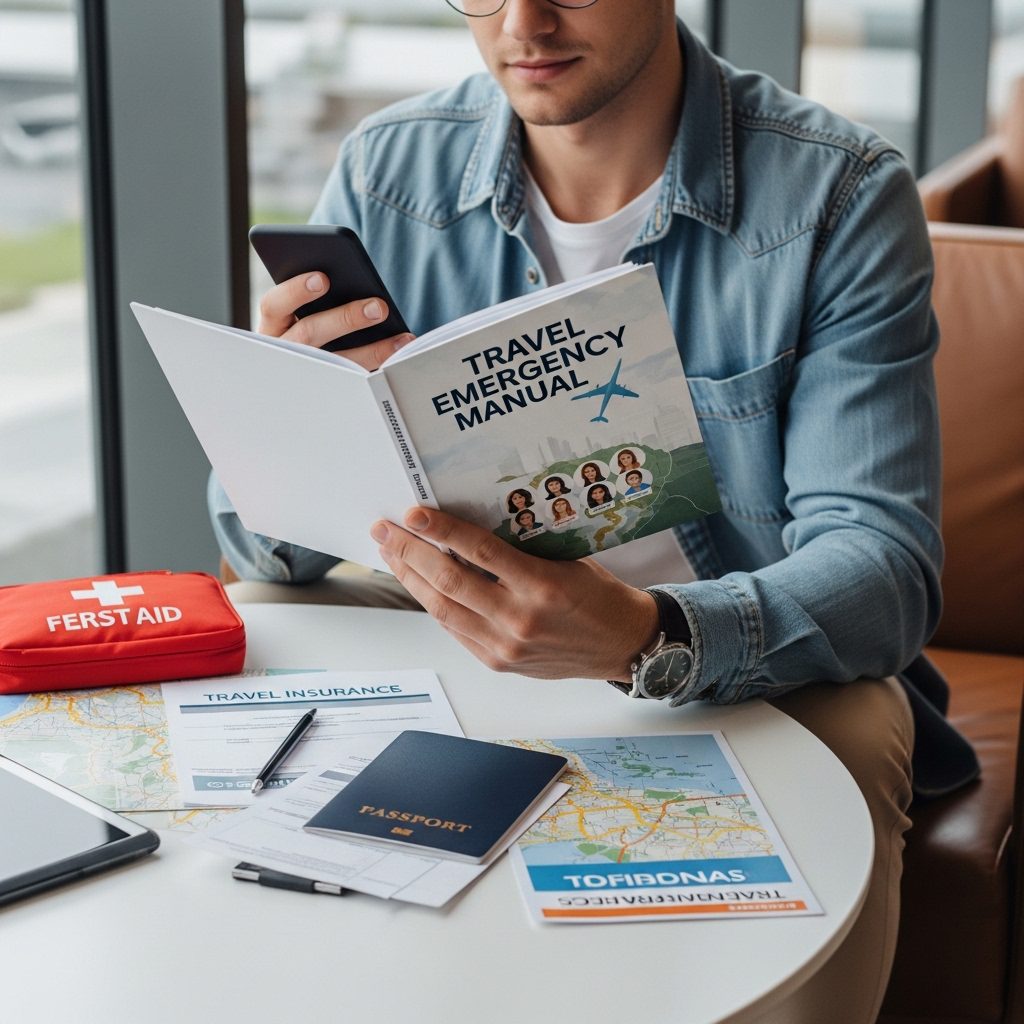
Emergencies are unpredictable. A sudden bout of food poisoning, a sprained ankle while hiking, or a stolen wallet can leave even experienced travelers feeling vulnerable. A Travel Emergency Manual centralizes all critical information in one place, including:
- Medical contacts and local hospitals
- Travel insurance details and claims instructions
- Emergency numbers and embassy contacts
- Health records, prescriptions, and allergies
Having this information ready ensures you can act quickly, reduce stress, and make informed decisions when time is of the essence.
Preparing Your Travel Emergency Manual Before Departure:
The first step to creating an effective Travel Emergency Manual is preparation. Collect everything you might need before leaving home. Here’s what to include:
1. Identification and Documentation:
Keep copies of your passport, ID cards, visa, travel insurance, flight tickets, hotel reservations, and any other important documents. Store digital copies on your phone or cloud storage in addition to physical backups.
2. Medical Information:
List allergies, current medications, chronic conditions, blood type, and vaccination records. Include details for prescription medications, dosages, and instructions in case you need replacements abroad.
3. Emergency Contacts:
Include contacts for local hospitals, doctors, embassies, police, and fire departments. Also add family members or friends who can assist remotely.
4. Travel Insurance Details:
Include your policy number, coverage information, and the claims process. This ensures quick access to medical care or lost luggage reimbursement.
Having your manual ready before you leave reduces stress and gives you a sense of control from the start.
Handling Medical Emergencies on the Road:
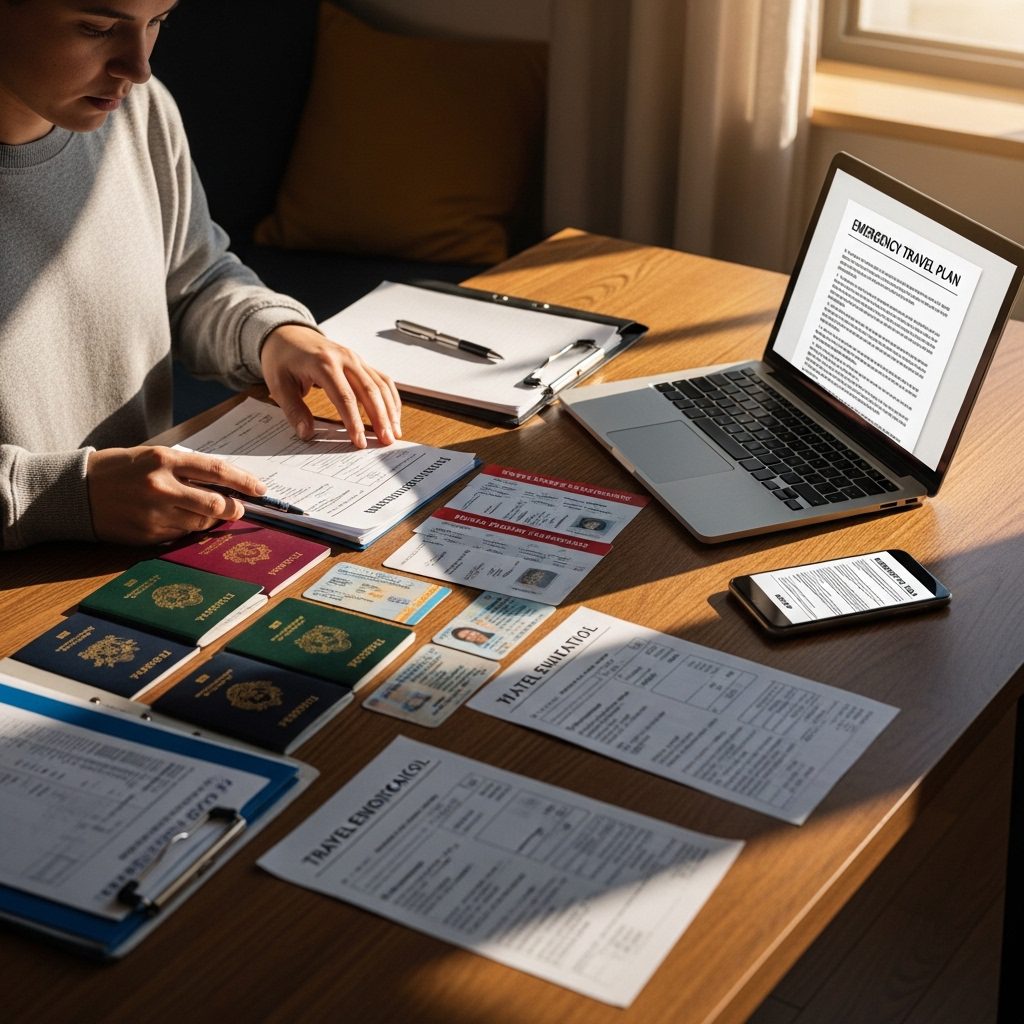
Medical emergencies can range from mild headaches to severe injuries. Your Travel Emergency Manual should guide you through these situations:
- Minor Illnesses: Treat headaches, colds, or digestive issues with over-the-counter remedies and rest. Keep basic medications like painkillers, antacids, and antiseptic cream in your kit.
- Serious Injuries or Illnesses: Know how to contact local hospitals and use your insurance to cover treatment. If traveling in remote areas, include instructions for temporary first aid until professional help arrives.
- Allergies and Reactions: Keep epinephrine (if prescribed), antihistamines, and clear instructions for emergency use. Inform travel companions about your condition.
A well-prepared manual ensures you respond calmly, seek timely help, and prevent complications.
Staying Safe: Travel Security Guidelines:
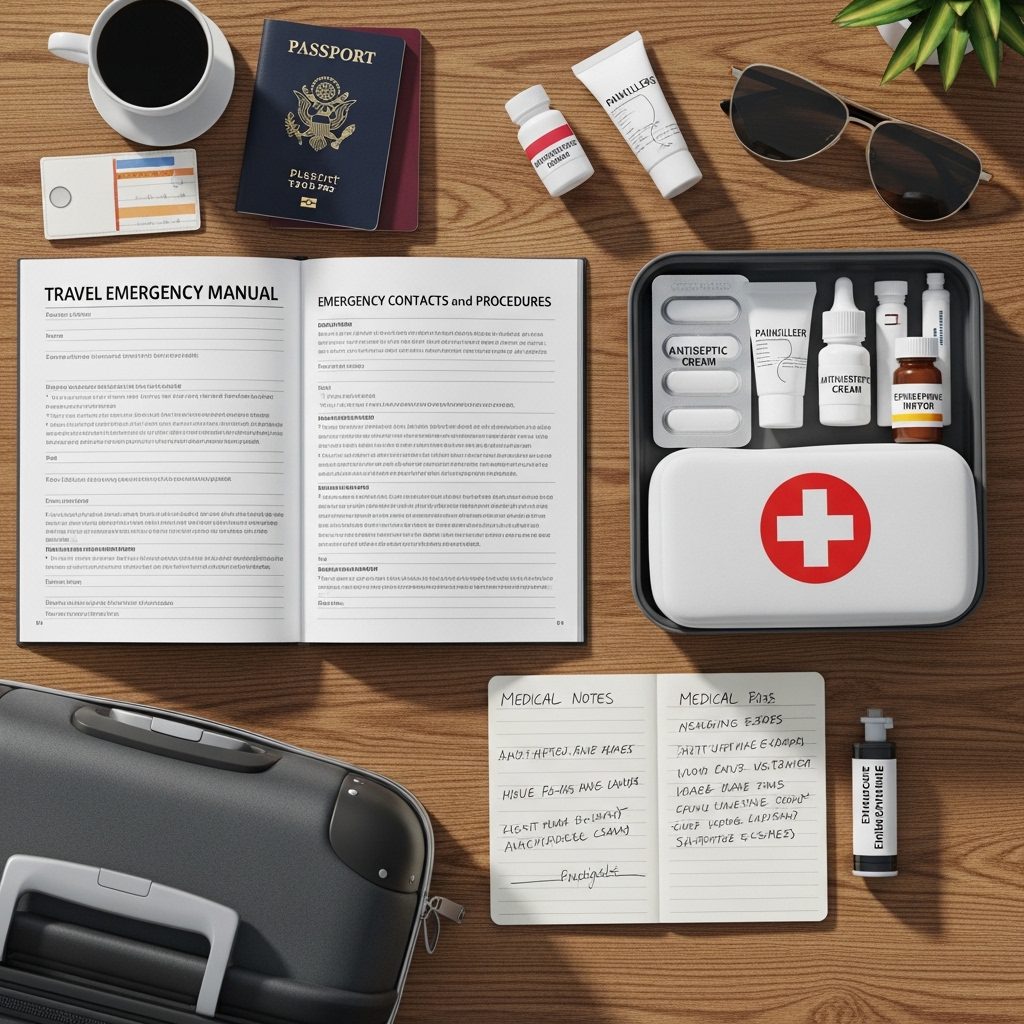
Safety issues, from petty theft to natural hazards, are common challenges on the road. Include these tips in your Travel Emergency Manual:
- Avoid risky areas and travel after dark cautiously.
- Keep wallets, passports, and valuables secured in multiple locations.
- Use trusted transport services, especially in foreign countries.
- Maintain communication with friends, family, or your embassy.
- Be aware of local customs and regulations to avoid misunderstandings.
With clear protocols, your manual acts as a roadmap for staying safe without constant worry.
Handling Lost Documents and Travel Delays:
Losing a passport, ticket, or important document can derail your plans. A Travel Emergency Manual provides step-by-step instructions:
- Report lost passports or IDs to local authorities immediately.
- Contact your country’s embassy or consulate for emergency travel documents.
- Keep photocopies of tickets, bookings, and passports for quick reference.
- Use your travel insurance for reimbursement of expenses like flight changes or lost luggage.
Having these steps prepared in advance prevents panic and saves time during stressful situations.

Packing Essentials for Your Travel Emergency Manual:
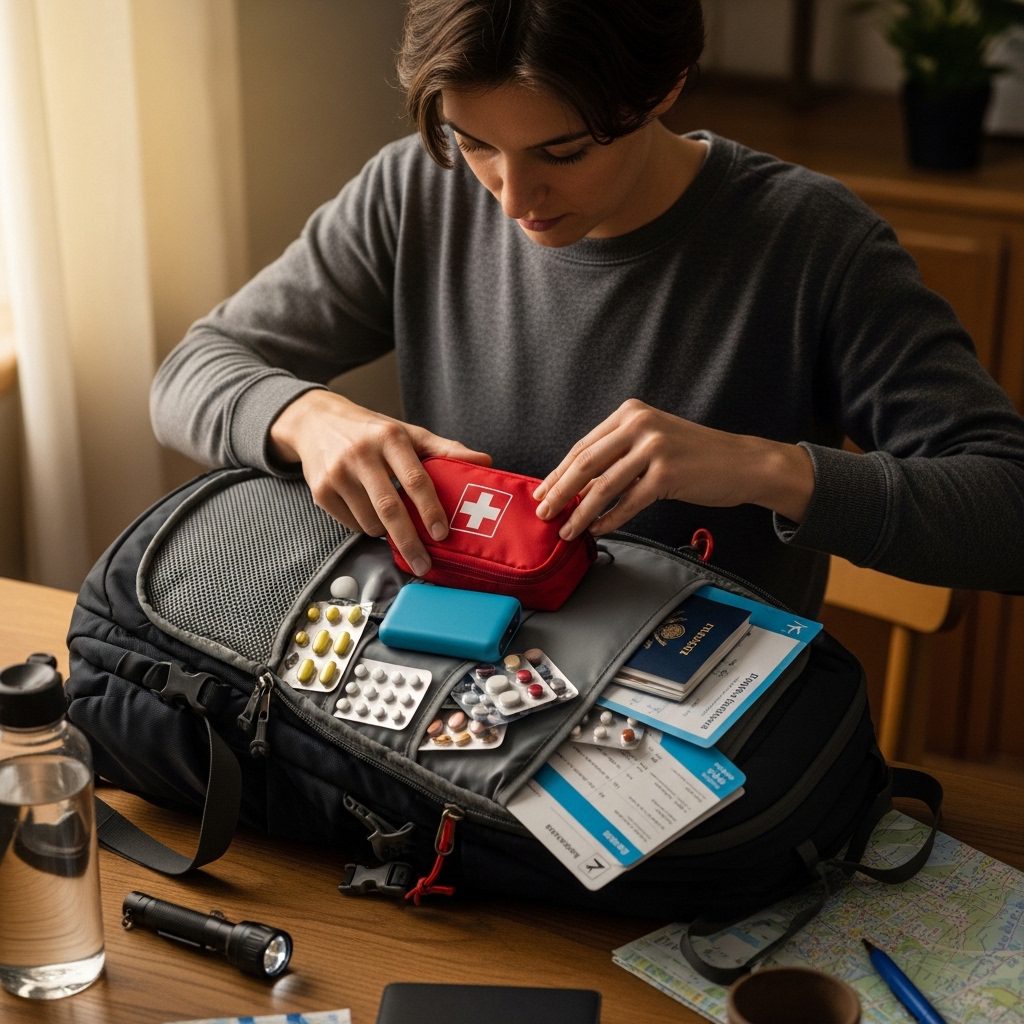
An emergency kit is essential for every traveler. Include:
- First aid kit with bandages, antiseptic wipes, and painkillers
- Medications in original packaging
- Portable charger and power bank for electronic devices
- Copies of your travel emergency manual, passport, and tickets
Lightweight, organized, and accessible, your kit ensures you’re ready for most unexpected scenarios.
Mental Preparedness and Stress Management:
Emergencies are not only physical but emotional challenges as well. Your Travel Emergency Manual should include guidance on staying calm:
- Deep breathing and mindfulness techniques
- Contacting family or friends for support
- Keeping a positive mindset and focusing on problem-solving
Mental preparedness ensures quick, clear thinking, which is crucial in any emergency situation.
Real-Life Examples of Travel Emergency Success:
- A hiker in the Swiss Alps used a Travel Emergency Manual to call the nearest rescue service after a minor fall, receiving medical attention in record time.
- A solo traveler in Thailand lost her passport but quickly contacted her embassy and followed her manual’s step-by-step procedure to get an emergency travel document within hours.
- A family in Spain had a child with sudden allergies. Using their manual, they located the nearest pharmacy and contacted their doctor remotely, avoiding hospitalization.
These examples show that preparation through a Travel Emergency Manual transforms potential chaos into manageable situations.
Why a Travel Emergency Manual Makes Your Trip Stress-Free:
When you travel prepared, emergencies feel less daunting. A Travel Emergency Manual helps you:
- Respond calmly and confidently
- Avoid costly mistakes
- Protect your health, documents, and valuables
- Focus on enjoying your adventure without unnecessary worry
With everything organized, you can travel freely, knowing you’re ready for anything.
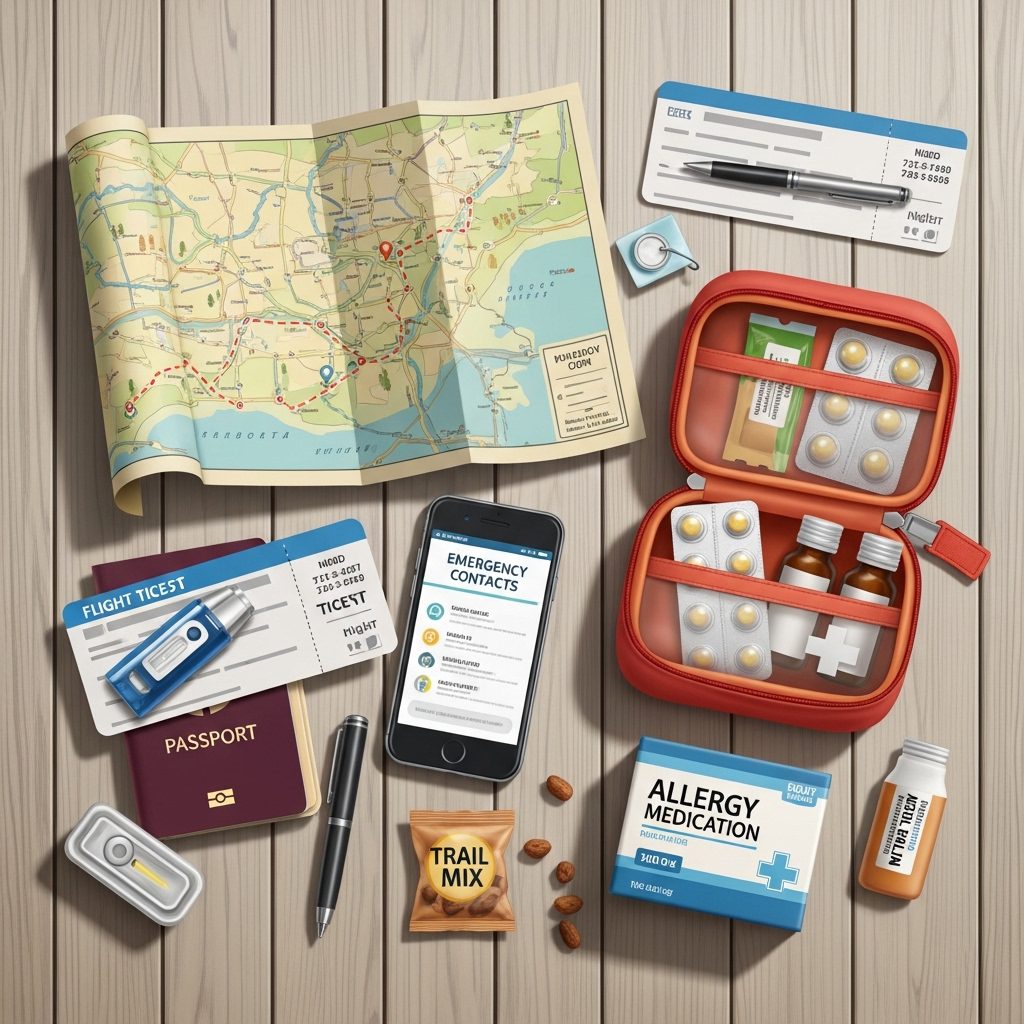
A Travel Emergency Manual is your ultimate companion for stress-free travel. It empowers you to handle medical emergencies, navigate safety issues, and manage lost documents or travel delays efficiently. Being prepared gives you the freedom to enjoy your journey, explore new destinations, and create unforgettable memories.
Start building your Travel Emergency Manual today and travel smarter, safer, and with confidence. For more travel guides, tips, and insider advice, visit Nutrition Travels and make every trip safe, organized, and unforgettable!