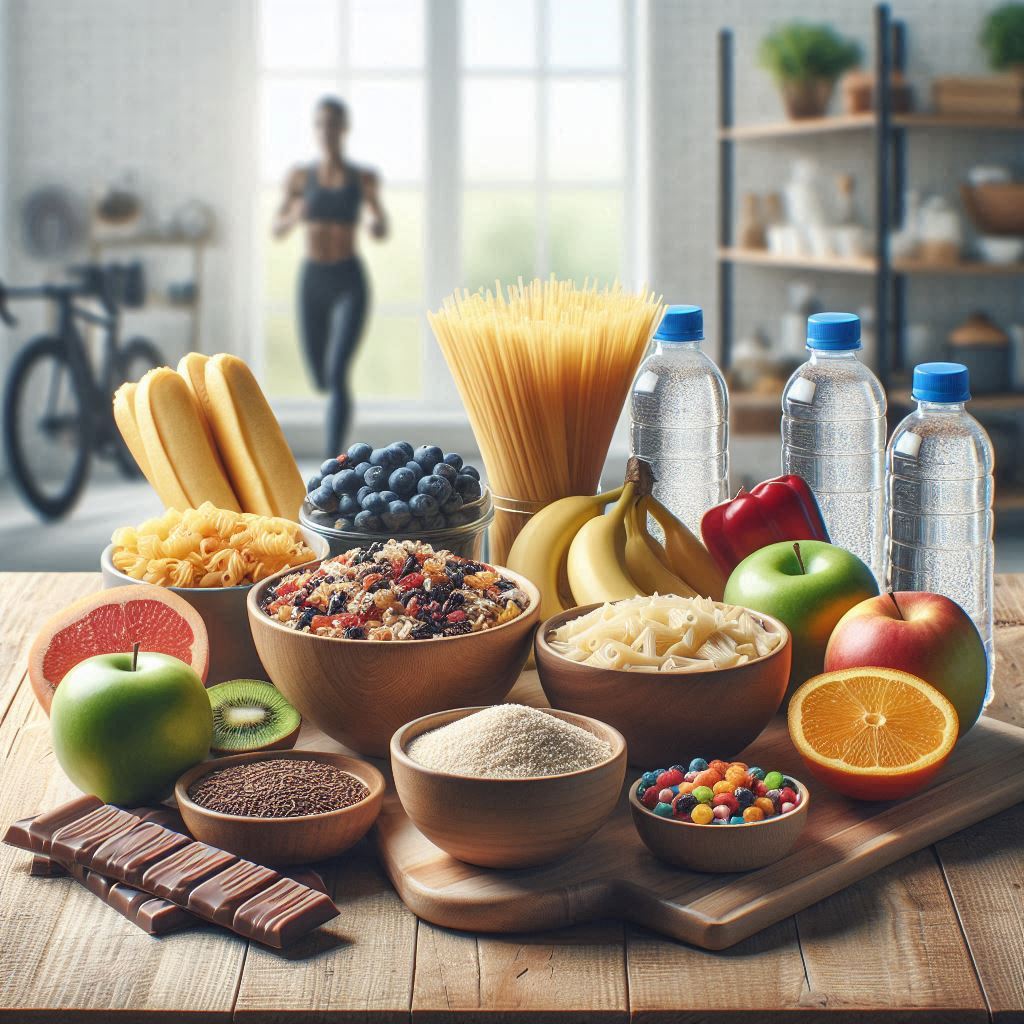
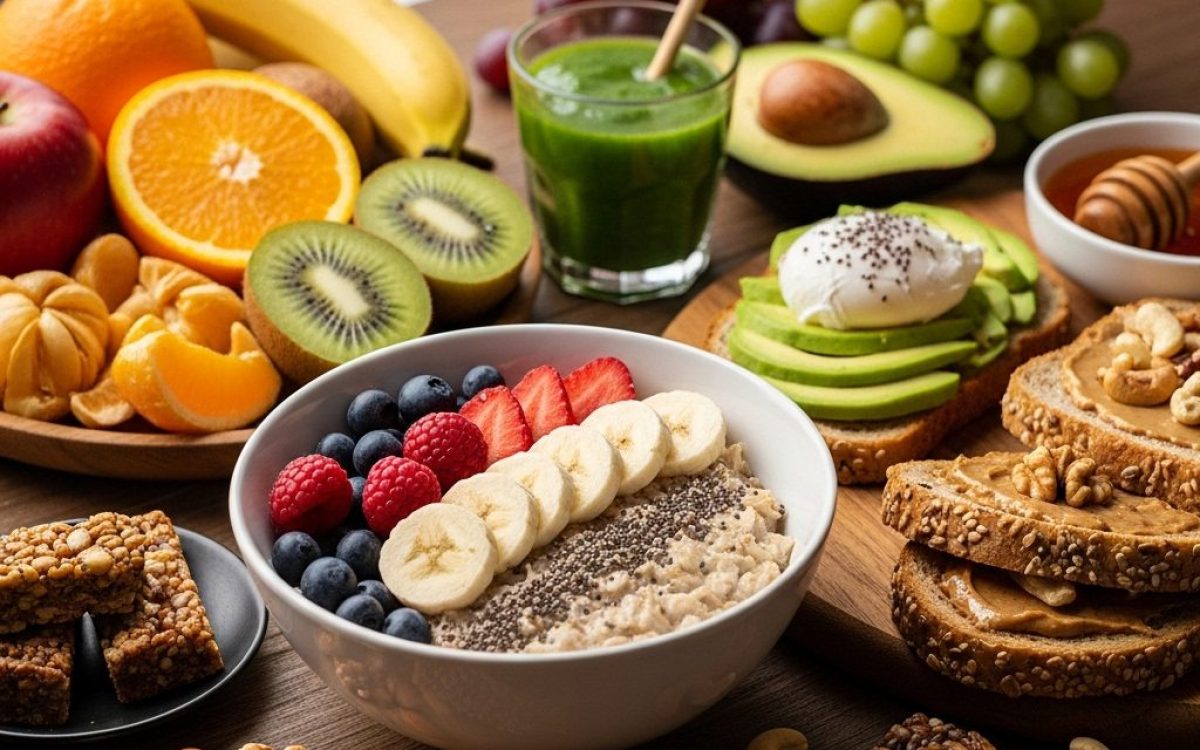
Constant fatigue and low energy levels are among the most common problems of modern lifestyles, whether caused by daily stress, lack of sleep, or unbalanced dietary choices. This naturally raises an important question: Can foods for energy be a reliable alternative to coffee and quick stimulants?
The truth is that food plays a central role in both physical and mental energy levels. Choosing the right foods helps stabilize blood sugar, improve nutrient absorption, and enhance the efficiency of cells in producing energy. In this article, we explore the best foods for energy in a natural way—and why they are a smart solution for combating chronic fatigue.
Why Does Energy Depend on Food Quality?
Energy doesn’t come from calories alone—it depends on how the body uses them. When we rely on nutrient-poor foods or those high in fast sugars, we experience a temporary energy spike followed by a sharp crash.
True foods for energy, on the other hand:
- Provide steady, gradual energy
- Contain vitamins and minerals that support metabolism
- Reduce both mental and physical fatigue
The difference is not in quantity, but in quality and balance.

1. Oats: Long-Lasting Energy Without Sudden Crashes
Oats are among the most important foods for energy, especially at the start of the day. They are rich in complex carbohydrates that digest slowly, providing sustained energy for longer periods.
Why are oats effective against fatigue?
- Stabilize blood sugar levels
- High in fiber, which promotes satiety
- Rich in B vitamins essential for energy production
Combining oats with fruits or nuts makes them an ideal meal to support activity throughout the morning.
2. Bananas: A Fast and Balanced Source of Natural Energy
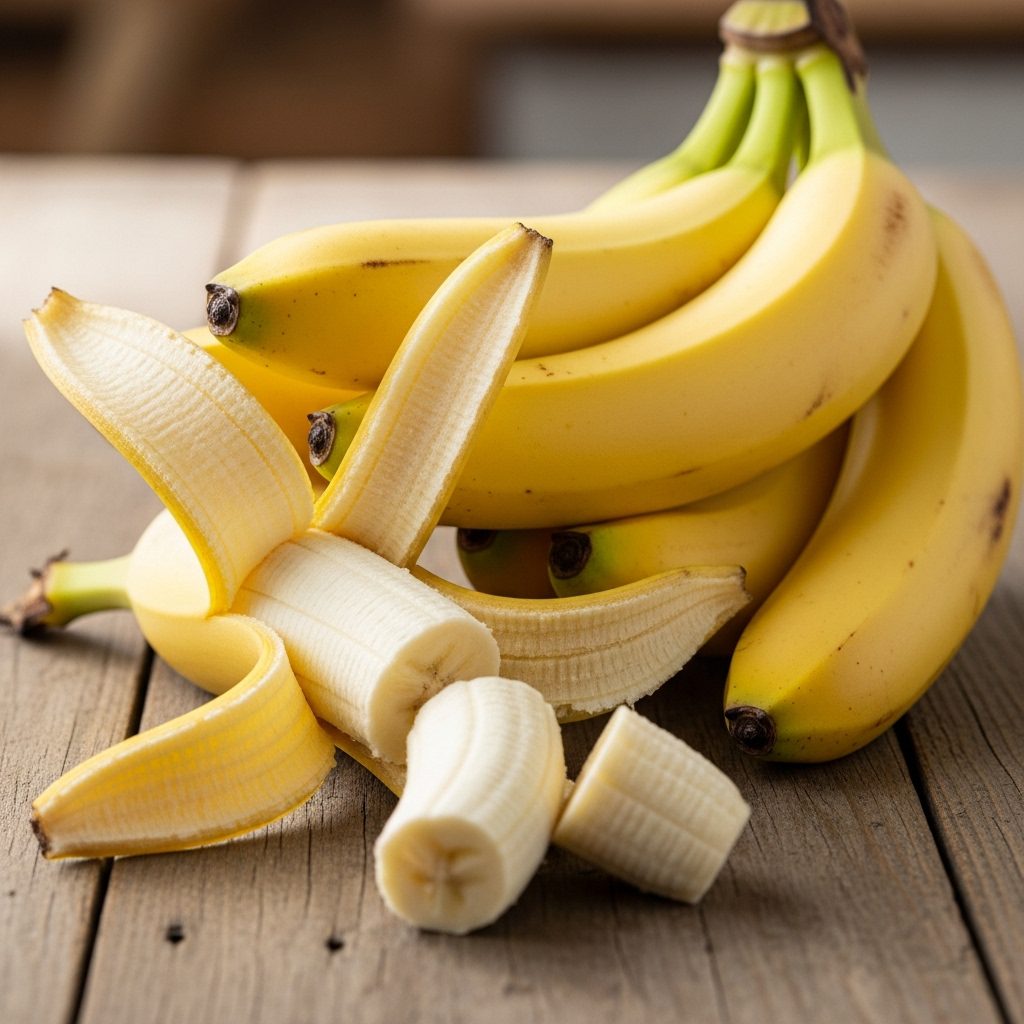
When sudden fatigue hits, bananas are one of the quickest foods for energy. They combine natural carbohydrates with potassium.
Benefits for fighting fatigue:
- Provide quick energy without sharp blood sugar spikes
- Support muscle function and reduce strain
- Ideal before workouts or during a busy workday
Bananas are a practical, easy option for a healthy energy boost without stimulants.
3. Nuts: Healthy Fats That Sustain Energy
Nuts such as almonds and walnuts are not just snacks—they are powerful long-term foods for energy. They contain a balanced mix of healthy fats, protein, and essential minerals.
How do nuts boost energy?
- Healthy fats support sustained energy
- Magnesium helps reduce feelings of fatigue
- Protein prevents blood sugar fluctuations
A small daily handful can make a noticeable difference in energy levels.
4. Eggs: Complete Support for Mental and Physical Energy
Eggs are a whole food that cannot be overlooked when discussing foods for energy. They are rich in high-quality protein and essential vitamins.
Their role in fighting fatigue:
- Protein supports muscle repair and energy recovery
- Vitamin B12 is crucial for energy production
- Promotes longer-lasting satiety
Including eggs in breakfast or lunch helps maintain balanced energy throughout the day.
5. Dark Leafy Greens: Energy from Within
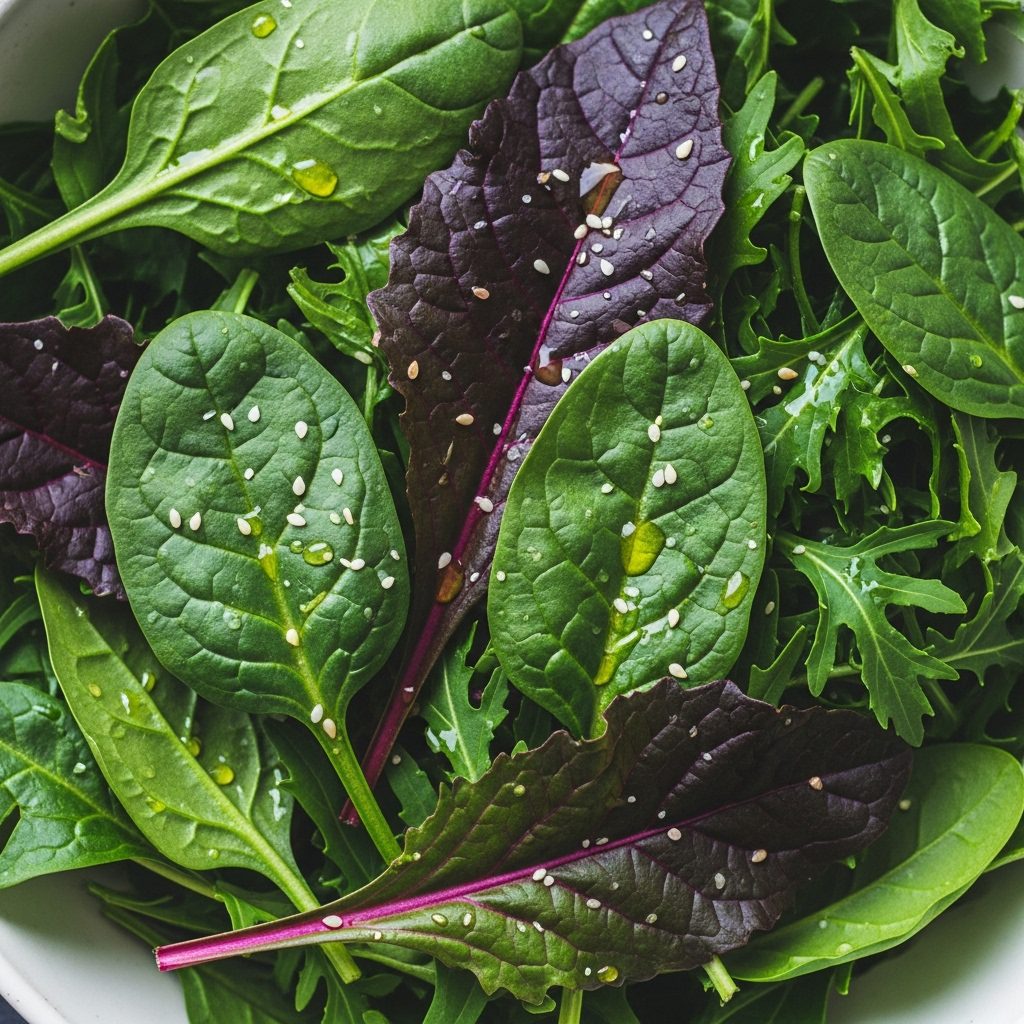
Spinach, arugula, and kale are among the most powerful foods for energy despite their low calorie content. They are rich in iron and magnesium.
Why do leafy greens reduce fatigue?
- Iron supports oxygen transport to cells
- Magnesium improves muscle efficiency
- Vitamins help reduce mental exhaustion
Deficiencies in these nutrients are often hidden causes of persistent fatigue.
6. Antioxidant-Rich Fruits: Fighting Fatigue at the Root
Fatigue isn’t always caused by low calorie intake—it can also result from oxidative stress within the body. This is where antioxidant-rich fruits play a vital role as part of foods for energy.
Effective examples include:
- Berries of all kinds
- Strawberries
- Pomegranates
How do these fruits increase energy?
Antioxidants reduce low-grade inflammation and protect the cells responsible for energy production. Their natural sugars also provide moderate energy without overloading the pancreas.
Adding these fruits to breakfast or snacks supports mental alertness and reduces daily exhaustion.
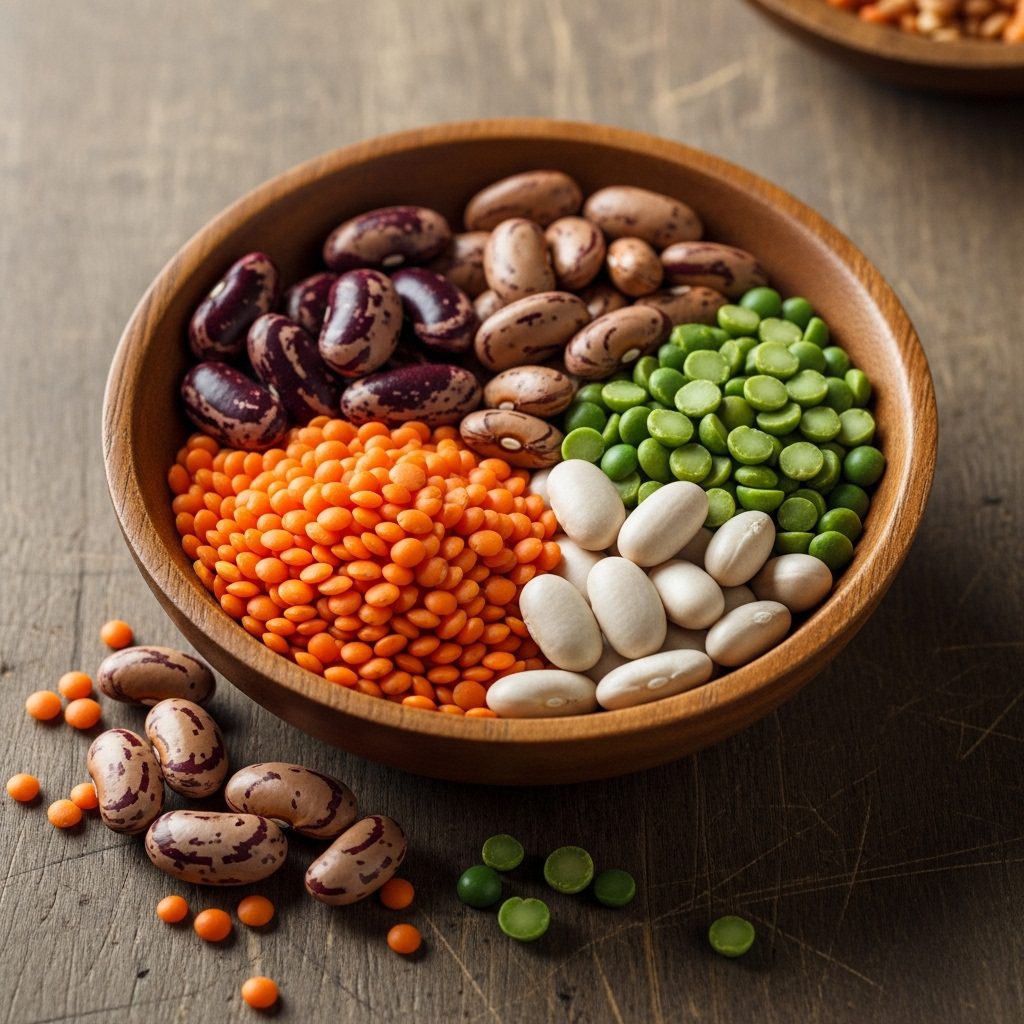
7. Foods for Energy legumes: Steady Fuel for Body and Mind
Lentils, chickpeas, and fava beans are among the most powerful foods for energy that are often overlooked. They combine plant-based protein, complex carbohydrates, and iron.
Benefits of legumes for fighting fatigue:
- Provide long-lasting energy
- Reduce blood sugar fluctuations
- Help improve focus and concentration
Legumes are an excellent choice for those who feel tired after meals, as they digest slowly and support stable energy levels.
How to Easily Incorporate Foods for Energy into Your Day
Knowing which foods help isn’t enough—the key is daily application. To get the most out of foods for energy:
- Start your day with complex carbohydrates + protein
- Don’t rely on a single energy source
- Spread meals throughout the day to prevent sudden energy crashes
The goal isn’t to eat more—it’s to eat smarter.
Common Mistakes That Reduce the Effectiveness of Foods for Energy
Even with healthy food choices, certain habits can limit their benefits:
- Relying on fast sugars for instant energy
- Neglecting proper hydration
- Overusing caffeine instead of real food
These habits strain the body and lead to a continuous cycle of fatigue.

Are Foods for Energy Enough on Their Own?
While nutrition plays a major role, energy levels are also influenced by:
- Sleep quality
- Daily movement
- Stress management
However, choosing the right foods for energy is the foundation upon which all other factors are built.
Energy Starts on Your Plate
Fighting fatigue doesn’t require complex solutions or powerful stimulants. Sometimes, the answer is simpler than we think: choosing foods for energy that support the body rather than drain it.
When food becomes a true source of support, it positively affects focus, mood, and productivity throughout the day.
If you’d like to learn more about smart nutrition, choosing the right foods for energy, and building a healthy lifestyle without complexity, visit nutritiontravels and explore practical content that combines science with everyday application.