
In today’s fast-paced world, where psychological and professional pressures are constantly rising, maintaining a healthy lifestyle is no longer a luxury—it’s a necessity. At the heart of this lifestyle are two essential pillars: sports and healthy nutrition. A healthy body isn’t built by rest alone, and a sound mind cannot thrive without a balanced and nourishing diet.
This article will take you on a comprehensive journey through the importance of exercise, the foundations of healthy nutrition, and how the synergy between the two paves the way for a truly balanced and fulfilling lifestyle.
The Importance of Exercise in Our Lives
-
Physical Benefits of Regular Exercise
Regular physical activity enhances the performance of nearly every system in the body. Key physical benefits include:
- Improved cardiovascular health: Lowers the risk of heart disease and hypertension.
- Stronger muscles and bones: Increases muscle mass and helps prevent osteoporosis.
- Better circulation: Improves blood flow to the brain and limbs.
- Increased lung capacity: Especially through aerobic exercises like running and swimming.
- Boosted metabolism: Promotes fat burning and supports healthy weight management.
-
Mental and Psychological Benefits of Exercise
Exercise benefits the mind as much as the body. Its psychological and emotional effects include:
- Reduced stress and anxiety: Thanks to the release of endorphins, the body’s natural mood enhancers.
- Improved mood and self-esteem: Regular workouts help combat depression and boost confidence.
- Better sleep quality: Encourages deeper, more restful sleep and reduces symptoms of insomnia.
- Enhanced cognitive function: Increases mental clarity, focus, and memory retention.
-
Types of Exercises and Their Effects
Exercise can be divided into several categories, each serving a unique purpose:
- Aerobic (Cardio) Exercises: Improve heart and lung function (e.g., walking, jogging, swimming).
- Resistance Training: Builds and tones muscle mass (e.g., weightlifting, resistance bands).
- Flexibility and Balance Exercises: Enhance stability and prevent injuries (e.g., yoga, Pilates).
- Recreational Sports: Combine fun and fitness with social engagement (e.g., soccer, tennis).
2. The Role of Healthy Nutrition in Promoting Health
-
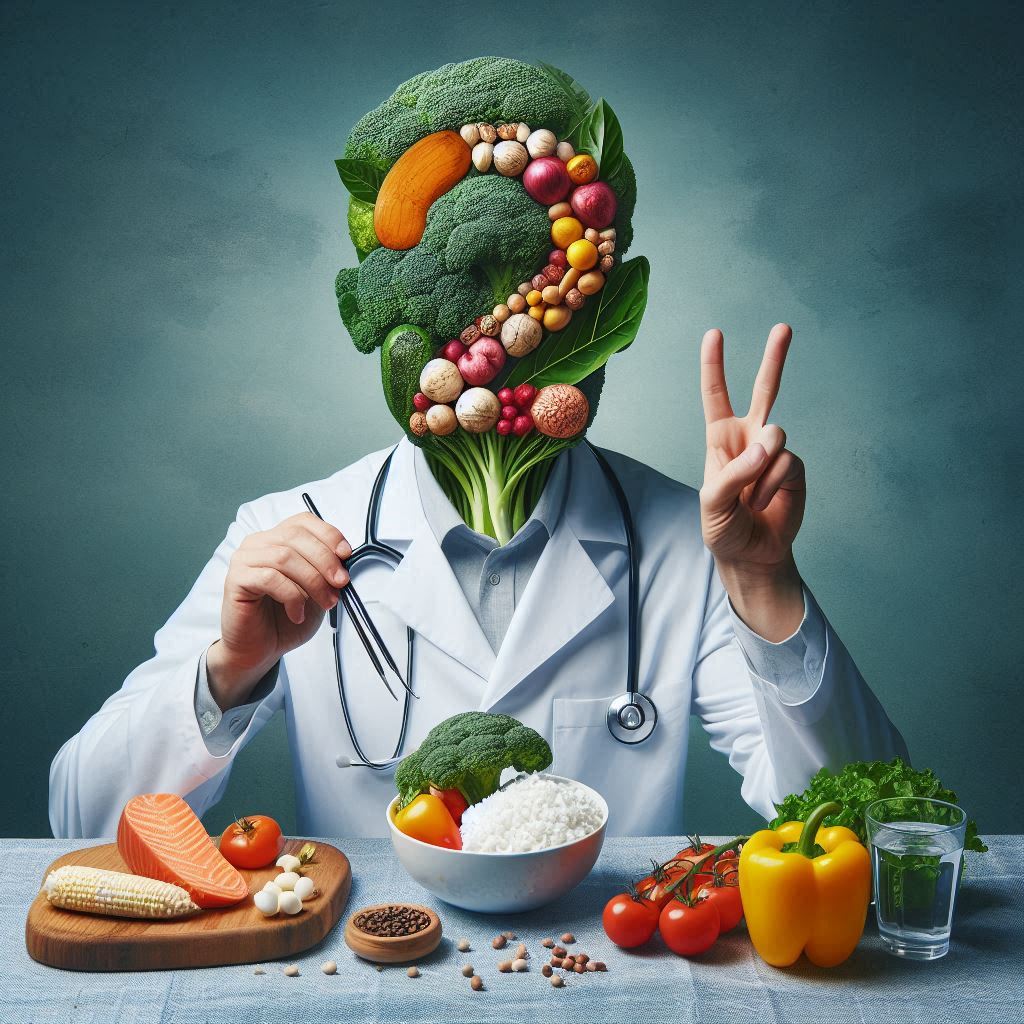
Understanding Healthy Nutrition
Healthy nutrition isn’t just about eating—it’s about making informed choices: the right foods, in the right amounts, at the right times. It provides the body with the energy and essential nutrients it needs for growth, repair, and overall well-being.
-
Components of a Balanced Diet
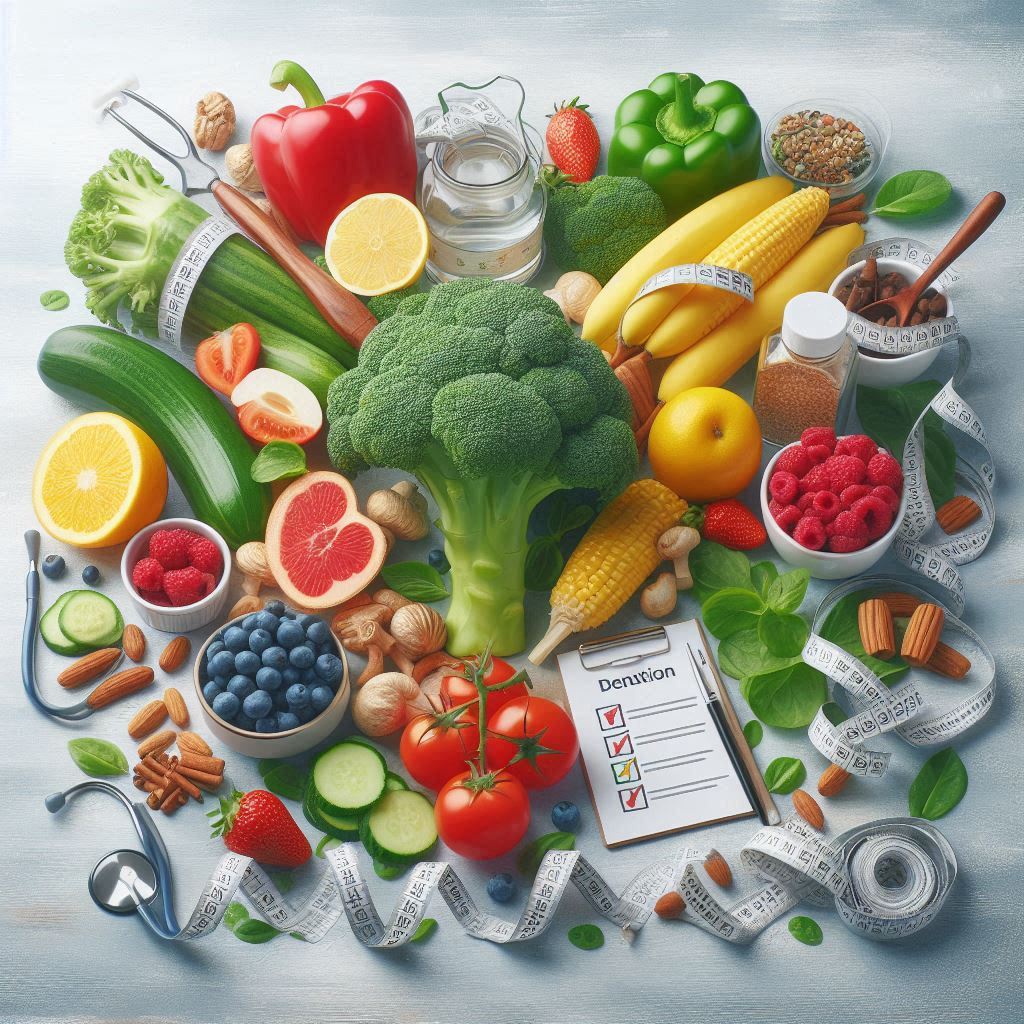
A balanced diet is made up of six essential components:
- Carbohydrates: The body’s primary energy source (e.g., rice, oats, whole grains).
- Proteins: Crucial for building and repairing tissues (e.g., meat, eggs, legumes).
- Healthy fats: Support brain health and hormone production (e.g., nuts, avocados, olive oil).
- Vitamins and minerals: Found in fruits and vegetables, they support immune function and metabolism.
- Fiber: Aids digestion and stabilizes blood sugar levels (e.g., vegetables, whole grains).
- Water: Essential for all bodily functions and detoxification.
-
Healthy Eating Habits to Follow
Key healthy eating habits include:
- Start each day with a nutritious breakfast.
- Limit your intake of added sugar and salt.
- Drink at least 8 glasses of water daily.
- Space meals evenly—three main meals and two snacks.
- Choose healthier cooking techniques like grilling or steaming.
Third: The Relationship Between Exercise and Healthy Nutrition
-
A Seamless Integration
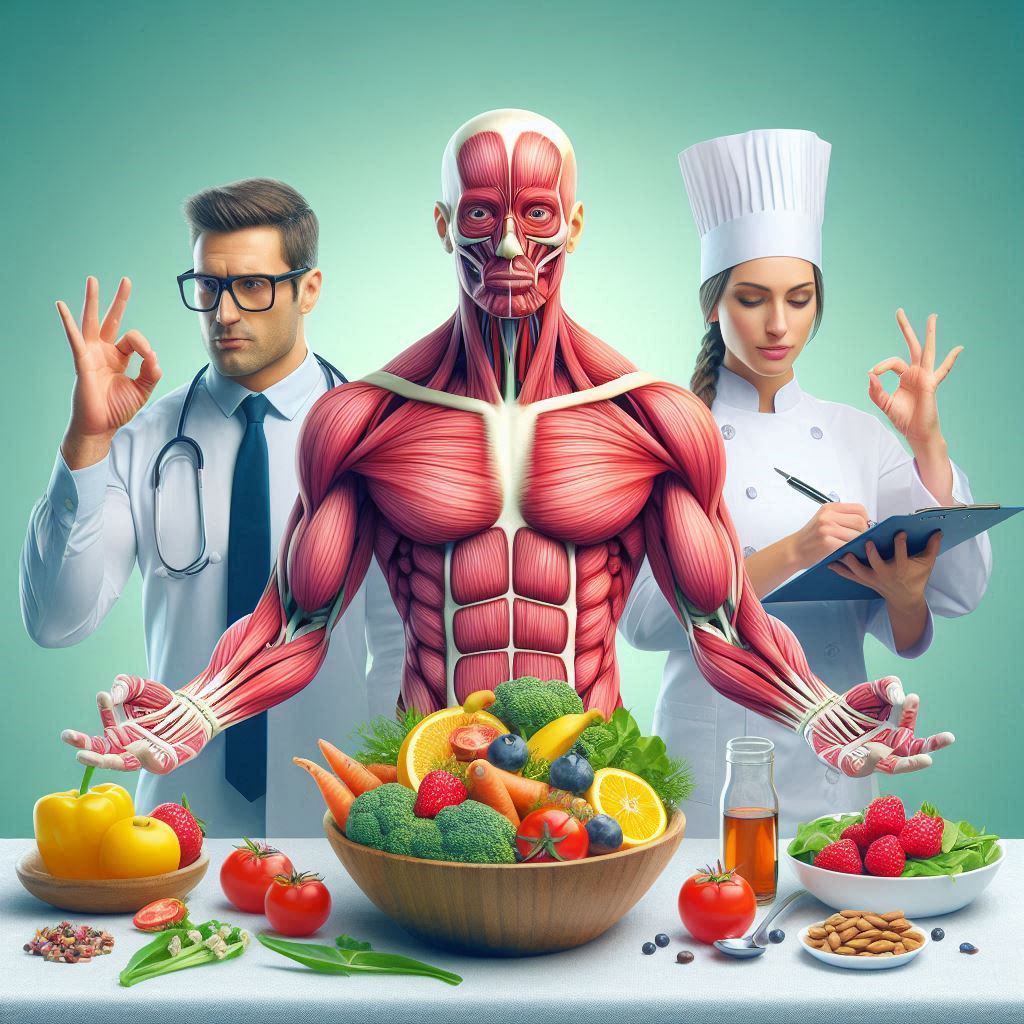
Sports and healthy nutrition are two sides of the same coin. Optimal physical performance relies on proper fuel from food, while good nutrition alone won’t yield full health benefits without movement. The body needs fuel from food to perform workouts, and exercise helps regulate energy use in a balanced, healthy way.
-
Pre-Workout: What to Eat?
Eat a small meal rich in complex carbs 1–2 hours before training—such as a banana or oats. Avoid heavy meals or fatty foods.
-
During Exercise: Stay Hydrated
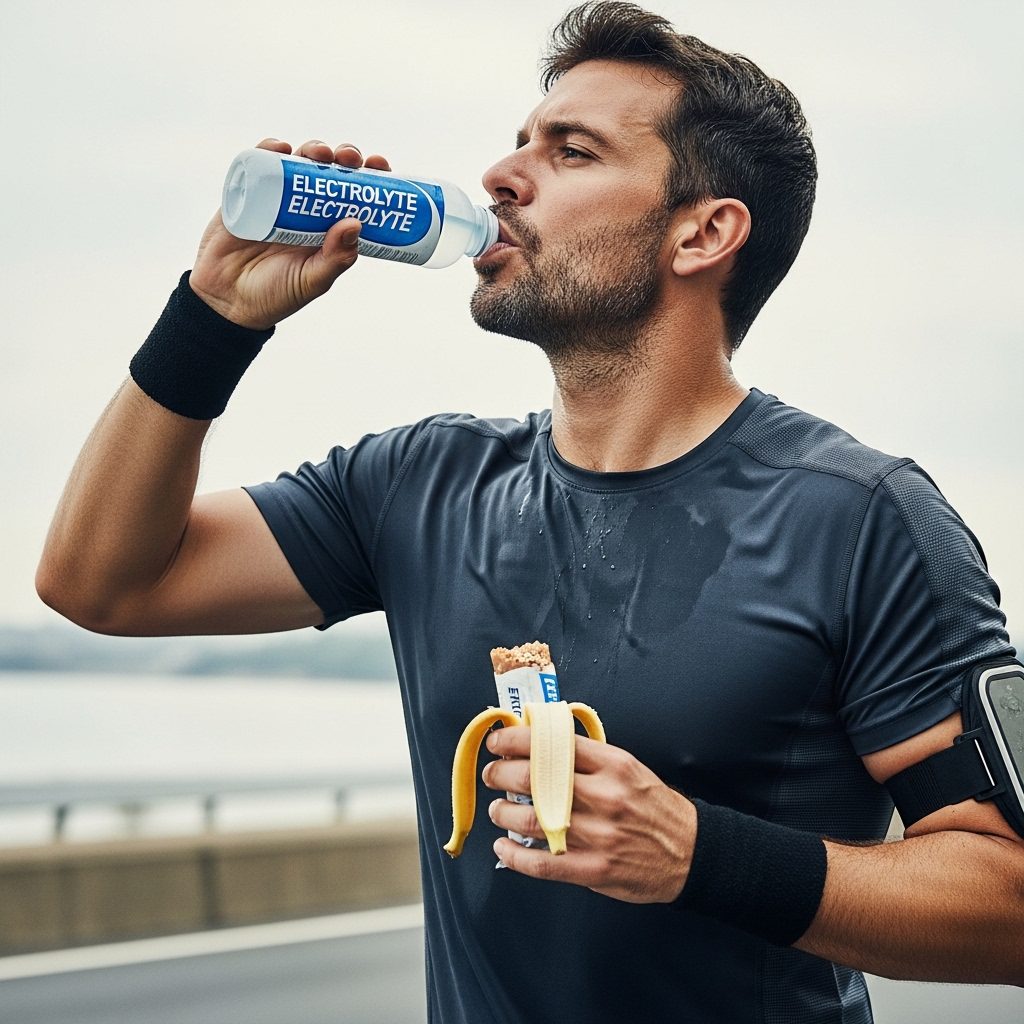
Stay hydrated. Drink water regularly, and for intense sessions over an hour, consider electrolyte-rich drinks.
-
Post-Workout: Replenish and Recover
Replenish your body with protein for muscle repair and carbs to restore energy—like a tuna sandwich or a glass of low-fat chocolate milk.
Fourth: The Benefits of Combining Exercise with Healthy Nutrition

When you combine regular physical activity with a nutritious diet, the long-term benefits are transformative:
- Improved body composition through fat loss and muscle gain.
- Enhanced mood and mental clarity.
- Higher productivity at work or school.
- Reduced risk of chronic diseases like diabetes and heart disease.
- A longer, healthier, and more vibrant life.
Fifth: Practical Tips for Adopting a Healthy Lifestyle
- Don’t overtrain—start gradually.
- Avoid extreme or deprivation diets—balance is key.
- Make daily exercise a habit—even a 30-minute walk counts.
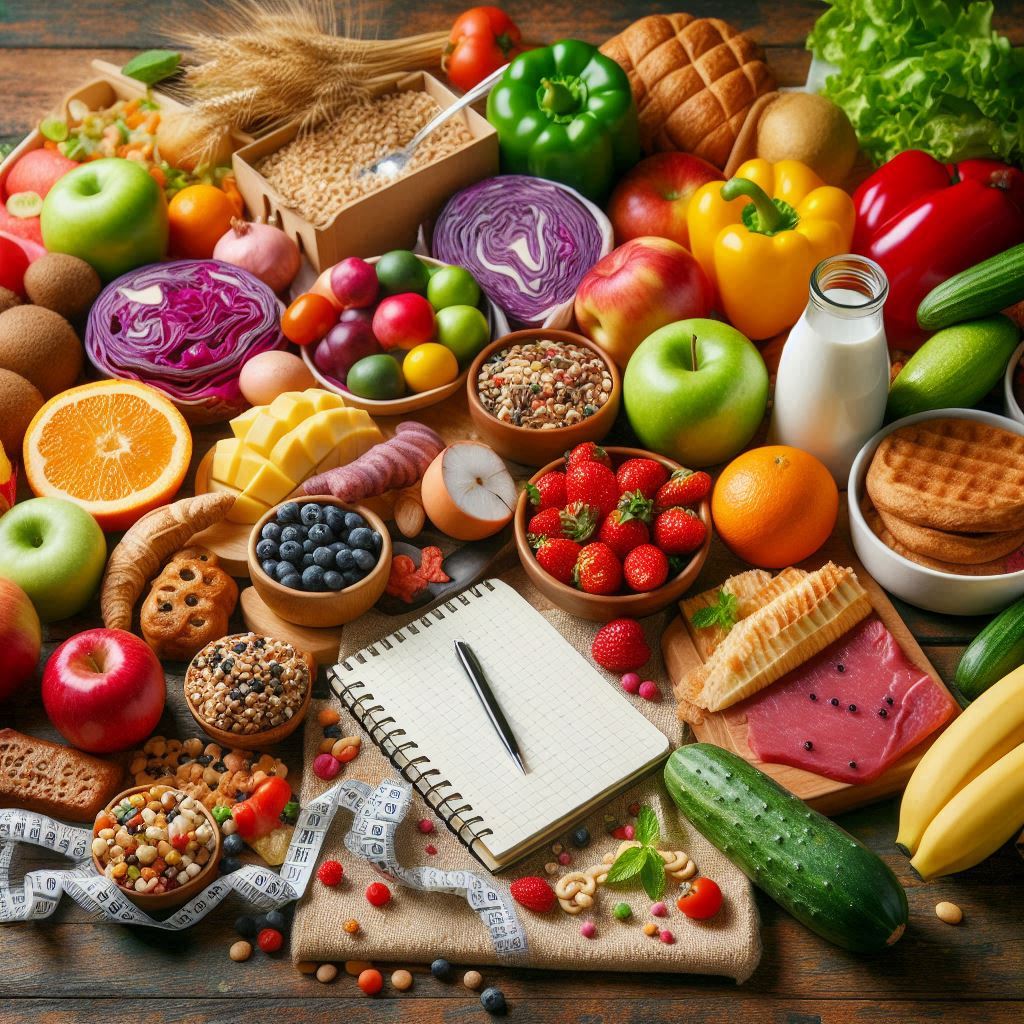
- Keep a food journal to track your habits.
- Make healthy meals enjoyable and diverse to avoid boredom.
- Involve friends or family in your fitness journey.
- Consult a nutritionist if needed to create a personalized plan.
Achieving a healthier lifestyle doesn’t have to be complicated. With awareness, commitment, and consistency, you can build habits that benefit both your body and mind. Always remember that sports and healthy nutrition are not just about appearance—they’re a lifelong investment in your well-being, energy, and happiness.
At Nutrition Travels, we’re here to guide you every step of the way with trusted advice, inspiring content, and expert tips. Because your health is worth the journey.