

As we age, Sarcopenia prevention becomes an essential part of maintaining muscle mass and overall body health. One of the most significant health concerns for seniors is muscle loss, also known as Sarcopenia, a condition characterized by a gradual decline in muscle strength and mass. This phenomenon is not merely a natural part of aging, but it can be managed and prevented through proper nutrition and a healthy lifestyle.

What is Sarcopenia and Why is Prevention Important?
Sarcopenia refers to the involuntary loss of muscle mass and function due to aging. Changes in body function occur to varying degrees, and muscle loss in seniors is considered one of the most important natural processes.
The negative effects of this muscular decline are not limited to body shape or physical strength but extend to:
- Reduced mobility: Performing daily activities such as walking, climbing stairs, or carrying objects becomes more difficult.
- Increased risk of injuries: Weak muscles make falls more common, increasing the likelihood of fractures and serious injuries.
- Impact on overall health: Muscle loss is linked to a weaker immune system, slower metabolism, and a higher risk of chronic diseases such as diabetes and hypertension.
Therefore, caring for muscles is not limited to seniors who exercise, but it also applies to anyone looking to maintain quality of life.
The Relationship Between Nutrition and Muscle Loss:
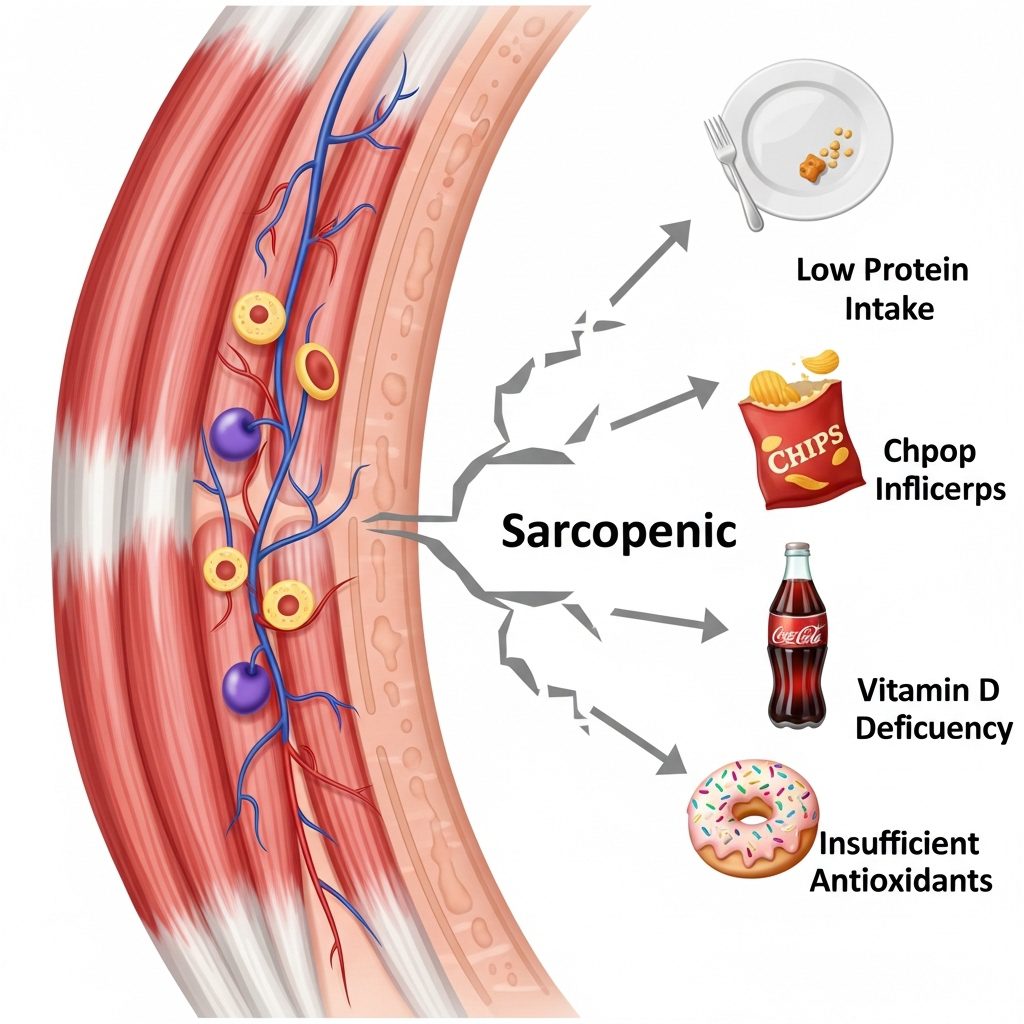
One of the most important factors in preventing Sarcopenia is a balanced diet. Muscles require specific nutrients to stay strong, and a deficiency in these nutrients can accelerate muscle loss with age.
Protein: The Foundation for Muscle Building:
Protein helps build muscles, and adding it to the daily diet improves their growth. Usually, a person needs one gram of protein per kilogram of body weight; for example, a person weighing 50 kg needs at least 50 grams of protein daily. For seniors, protein needs increase to 1.25–2 grams per kilogram of body weight.
As the body ages, it requires high biological value protein, which can be obtained from animal sources such as eggs, chicken, and fish. Vegetarians can meet their protein needs through secondary sources such as soy, dairy products, and legumes. Some doctors may also recommend protein-rich supplements for seniors to meet their body’s requirements.
Specific Amino Acids: The Role of Leucine:
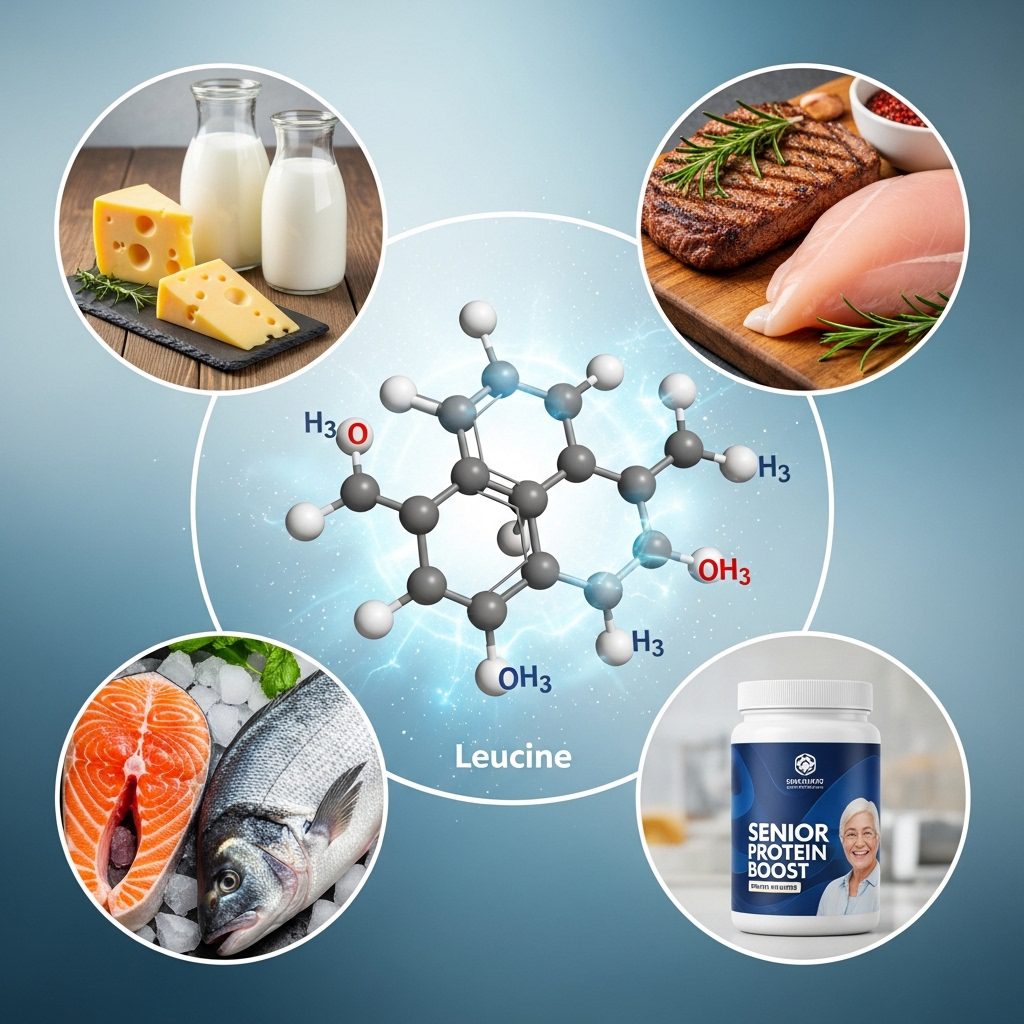
Leucine is an amino acid that plays a key role in stimulating muscle protein synthesis. It naturally occurs in:
- Dairy products such as cheese and milk
- Meat and poultry
- Fish
- Nutritional supplements designed for seniors
Research suggests that adequate leucine in seniors’ meals may help keep muscles strong and prevent gradual decline.
Vitamin D’s Role in Sarcopenia Prevention:
Vitamin D plays an important role in maintaining muscle health. Muscle cells contain vitamin D receptors, and consistently low levels of this vitamin have been associated with muscle weakness, slower walking speed, and increased risk of falls. Vitamin D also helps the body absorb calcium, a mineral essential for muscle contraction.
Calcium and Magnesium: Supporting Muscle and Bone Structure:
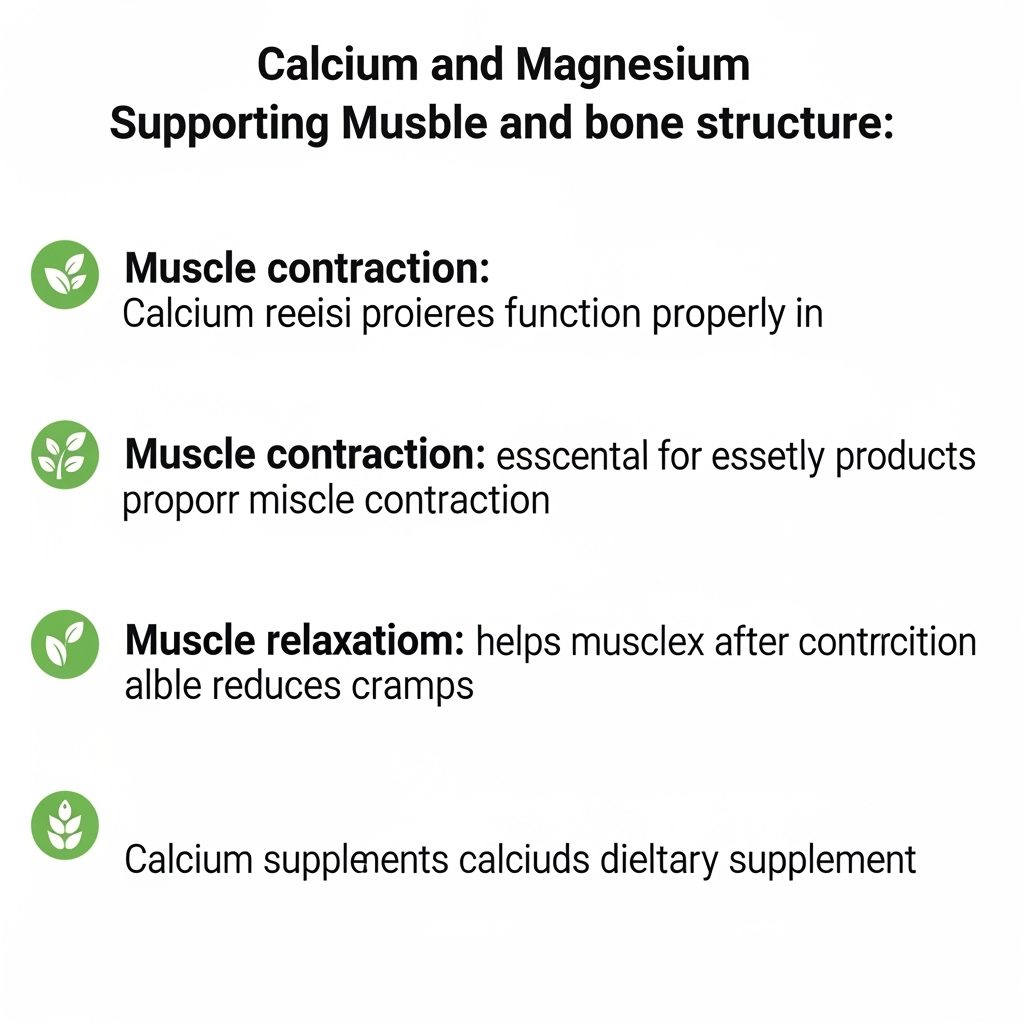
Muscles require a precise mineral balance to function properly. Calcium and magnesium play key roles in:
- Muscle contraction: Calcium is essential for proper muscle contraction.
- Muscle relaxation: Magnesium helps muscles relax after contraction and reduces cramps.
Calcium sources include dairy products, leafy green vegetables, and some dietary supplements. Magnesium is found in nuts, seeds, whole grains, and green vegetables.
Omega-3 Fatty Acids: Protecting Muscles from Inflammation:
Low-grade inflammation naturally occurs with aging and can contribute to muscle loss. Omega-3 fatty acids such as EPA and DHA play a role in:
- Reducing chronic inflammation.
- Stimulating muscle protein synthesis.
- Omega-3 sources include fatty fish (salmon, mackerel), flaxseeds, and walnuts.
Antioxidants:
Consuming antioxidant-rich foods such as vegetables and fruits is crucial for enhancing the health of seniors experiencing muscle wasting. It is recommended to eat four servings of vegetables daily (two raw in salads and two cooked) and two to three servings of fruit daily.

Water and Hydration: A Simple but Essential Factor:
Many seniors experience reduced thirst sensation, which can lead to cellular dehydration and impaired muscle performance. Maintaining proper hydration helps improve muscle function and the ability to perform daily activities.
Practical Steps for Sarcopenia Prevention:
1. Diversify protein sources in daily meals.
2. Ensure meals contain essential amino acids like leucine.
3. Get moderate sun exposure to boost vitamin D levels.
4. Include sources of calcium and magnesium regularly.
5. Add omega-3 fatty acids to the diet.
6. Consume fruits and vegetables rich in antioxidants daily.
7. Drink water regularly throughout the day.
8. Engage in resistance training or brisk walking with light weights, if possible, to enhance muscle strength.

Preventing Sarcopenia does not rely on miracles, but rather on committing to specific nutrients and maintaining a comprehensive healthy lifestyle. Adequate protein, essential amino acids, vitamin D, calcium, magnesium, omega-3, antioxidants, and water all play a crucial role in preserving muscles.
At Nutrition Travels, you can find all the information you need about proper nutrition, essential nutrients, and the best tips to maintain muscle strength and overall health in seniors.