
In the modern world of nutrition, the focus is no longer limited to taking vitamins separately, but has shifted toward understanding how these nutrients interact within the body. One of the most prominent examples of this interaction is the so-called “synergy” between Vitamin D3 and K2. This topic attracts the attention of nutrition specialists and anyone seeking to improve their health in a scientific and balanced way. This synergy is not limited to supporting bone health, but also extends its effects to the immune system and overall body health.

Why is Vitamin D3 important?
Vitamin D3, also known as the sunshine vitamin, plays a key role in regulating calcium levels in the body. When exposed to sunlight, the body naturally produces this vitamin, but it may not be sufficient for many people due to modern lifestyles, lack of sun exposure, or even geographical factors.
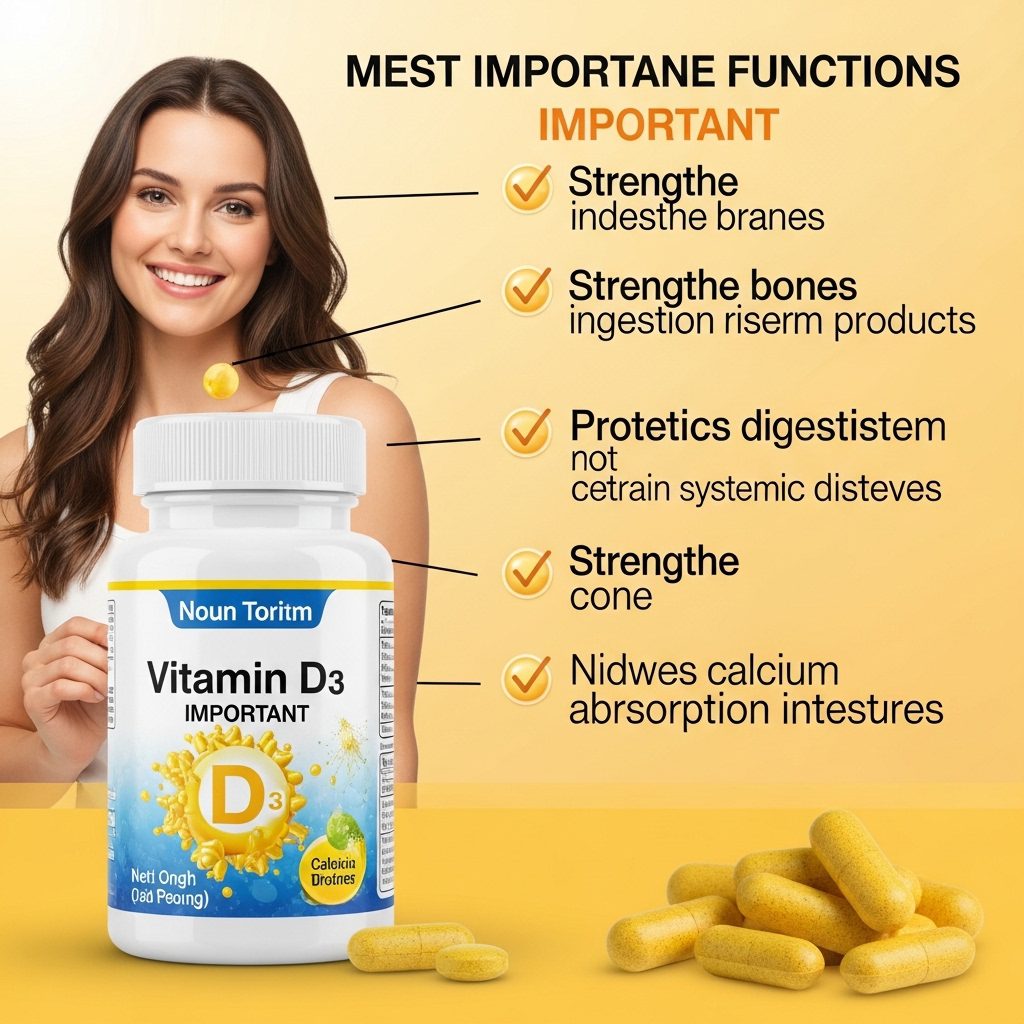
The most important functions of Vitamin D3:
- Strengthens bones.
- Protects against digestive system diseases.
- Reduces the risk of certain chronic diseases.
- Enhances calcium absorption from the intestines.
However, despite its importance, taking Vitamin D3 alone may not be enough to achieve maximum benefit, and this is where Vitamin K2 comes into play.
What is Vitamin K2 and why is it important?
Vitamin K2 is a form of Vitamin K, known for its vital role in directing calcium within the body. In other words, if Vitamin D3 helps absorb calcium, K2 determines where that calcium should go.
Functions of Vitamin K2 include:
- Enhancing heart and vascular health.
- Improving bone density.
- Directing calcium to bones and teeth.
The synergistic relationship between D3 and K2:
When talking about Vitamin D3 and K2, they cannot be viewed as separate elements. Their relationship is synergistic, as they work together to achieve a precise balance in calcium distribution within the body.
Vitamin D3 increases calcium absorption into the bloodstream, but without Vitamin K2, this calcium may go to unwanted places such as the arteries, which may increase the risk of calcification. With K2 present, it activates proteins responsible for transporting calcium to the bones, strengthening them and reducing health risks.
This balance is what makes combining these two vitamins important, especially for those concerned about bone health or those suffering from Vitamin D deficiency.

The effect of this synergy on bone health:
Bone health is not just about calcium intake, but depends on an integrated system of vitamins and minerals. Vitamin D3 helps the body absorb calcium, while K2 ensures that this calcium is used properly.
This synergy may contribute to:
- Reducing the risk of osteoporosis.
- Improving bone density with age.
- Supporting dental health.
- Reducing the likelihood of fractures.
People with weak bones or the elderly may be among those who benefit the most from this balance.
Their role in supporting the immune system:
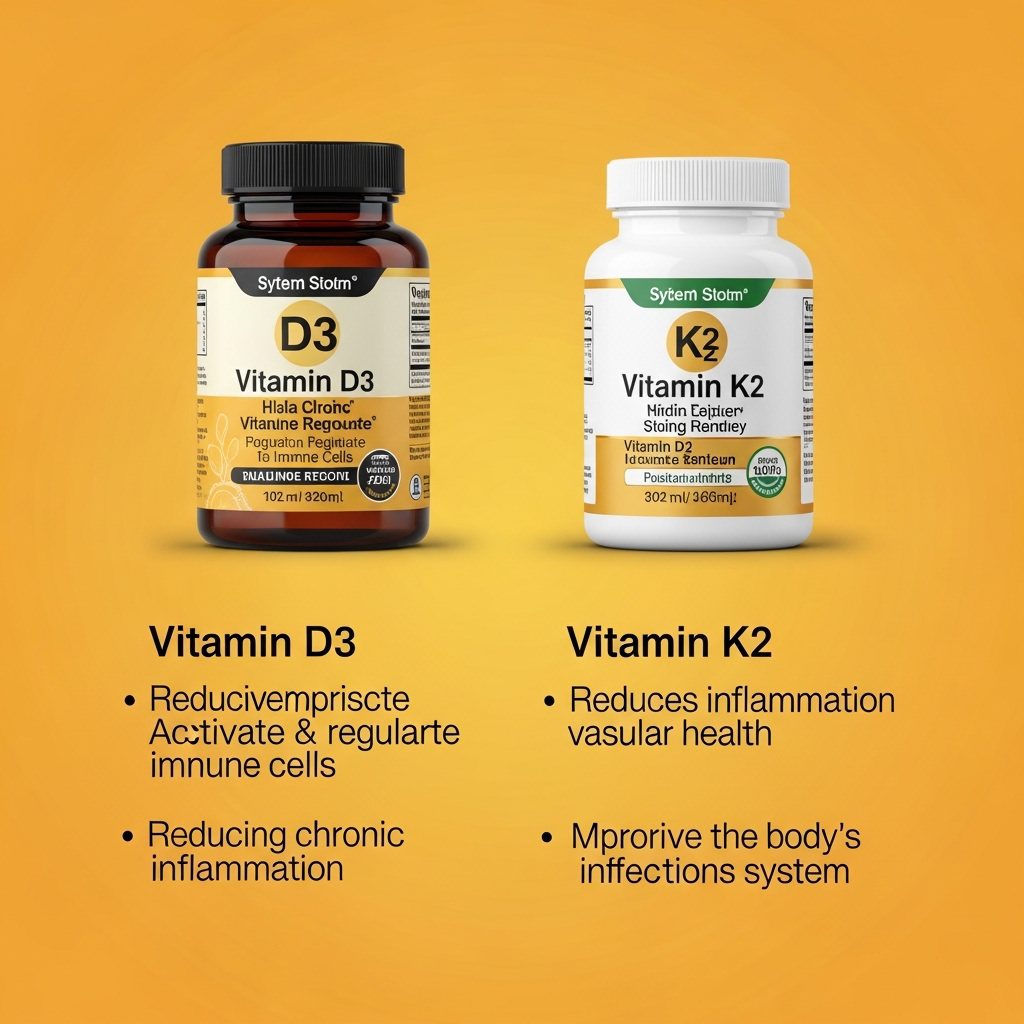
The immune system is the first line of defense against diseases and requires continuous support from nutrients. Vitamin D3 is known for its role in enhancing immune response, as it helps activate and regulate immune cells.
As for Vitamin K2, studies have begun to suggest its role in reducing inflammation and supporting vascular health, which indirectly reflects on the efficiency of the immune system.
When combining D3 and K2, this may help in:
- Reducing chronic inflammation.
- Supporting overall health.
- Improving the body’s response to infections.
Who needs this synergy the most?
Certain groups may benefit more from Vitamin D3 and K2, such as:
- People who do not get enough sunlight
- The elderly
- Those with Vitamin D deficiency
- People following a diet low in healthy fats
- Those with nutrient absorption issues
Additionally, individuals interested in healthy nutrition and athletes may find this synergy an effective way to support their performance and overall health.
Sources of Vitamin D3 and K2:
Obtaining these vitamins from natural sources is important:
Vitamin D3:
- Sunlight
- Fatty fish such as salmon and tuna
- Egg yolk
- Some fortified products
Vitamin K2:
- Fermented foods such as natto
- Cheese
- Meat
- Egg yolk

The synergy between Vitamin D3 and K2 is a clear example of the importance of understanding the relationship between nutrients, rather than focusing on each one individually. This balance can positively impact bone and immune health, allowing the body to make optimal use of calcium.
At Nutrition Travels, reliable and up-to-date information is available to help better understand these nutritional relationships, with simplified content targeting anyone seeking to improve their health through proper nutrition, in a style that connects science with everyday application.