
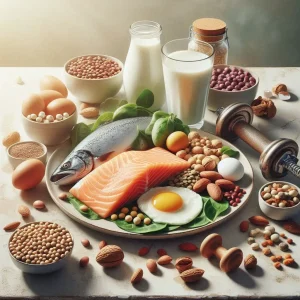
Protein is essential for elderly women to maintain muscle mass and strength, support bone health, reduce the risk of frailty, promote satiety, aid in weight management, and boost immune function. As a fundamental building block, protein plays a crucial role in repairing and regenerating cells throughout the body.

Why Protein Matters for Elderly Women
Maintaining Muscle Mass
With age, muscle mass gradually decreases, a condition known as sarcopenia. Elderly women need higher protein intake to stimulate muscle protein synthesis and maintain strength, reducing the risk of weakness and falls.
Supporting Bone Health
Protein intake contributes to bone density and helps reduce the risk of osteoporosis and fractures. Studies show that combining protein with calcium and vitamin D intake can significantly protect bone health.
Promoting Satiety and Weight Management
Protein affects appetite hormones, increasing feelings of fullness and reducing hunger. This effect helps elderly women manage their weight more effectively.
Strengthening the Immune System
Protein is essential for producing antioxidants like glutathione, which support immune defense and help the body fight infections and inflammation.
Supporting Overall Body Function
Protein is a key component of tissues, enzymes, and hormones. Adequate intake supports organ function, tissue repair, and metabolic health in older adults.
Enhancing Physical Performance
Higher protein consumption is linked to better physical performance, reduced fatigue, and lower risk of frailty, especially in elderly women.
Recommended Protein Intake for Elderly Women
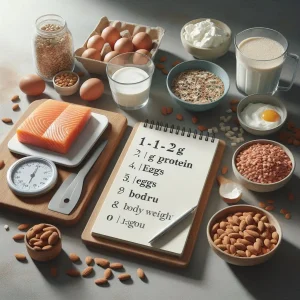
Elderly women should aim for 1 to 1.2 grams of protein per kilogram of body weight per day. This intake helps preserve muscle mass and counteract age-related loss.
How to Calculate Your Protein Needs:
- Determine your weight in kilograms.
- Multiply your weight by 1.2.
- Example: A woman weighing 60 kg needs about 72 grams of protein daily (60 × 1.2 = 72).
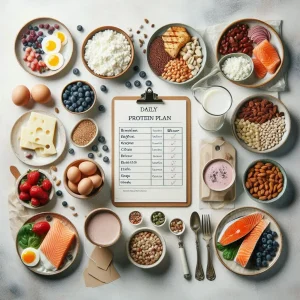
Best Sources of Protein for Elderly Women
Animal-Based Protein Sources
Animal proteins are complete, meaning they contain all essential amino acids necessary for muscle repair and overall health.
- Eggs – High in complete protein and easy to digest.
- Lean Poultry – Chicken and turkey provide protein with minimal fat.
- Fish – Salmon, sardines, and tuna are rich in protein and omega-3 fatty acids, which reduce inflammation.
- Low-Fat Dairy – Yogurt, cottage cheese, and milk offer calcium and protein.
- Lean Red Meat – Beef or lamb in moderation provides essential amino acids and micronutrients.
Plant-Based Protein Sources
Plant proteins are excellent for elderly women, providing protein, fiber, vitamins, and minerals. Combining different plant sources ensures all essential amino acids are consumed.
- Legumes – Lentils, chickpeas, and beans are protein-rich and filling.
- Soy Products – Tofu, edamame, and soy milk provide complete protein.
- Nuts and Seeds – Almonds, walnuts, chia seeds, flaxseeds, and hemp seeds offer protein and healthy fats.
- Whole Grains – Quinoa and wild rice are complete plant proteins with additional nutrients.
Tips for Plant-Based Protein Intake:
- Variety is Key: Include multiple protein sources to ensure all amino acids are covered.
- Combine Sources: Pair beans with grains or seeds to make complete proteins.
- Consult a Specialist: Seek advice if you have specific dietary needs or health concerns.

How to Incorporate Protein Into Daily Meals
Distribute protein intake across the day for better absorption and muscle synthesis. Include both animal and plant proteins in breakfast, lunch, dinner, and snacks.
Breakfast Ideas
- Eggs with Cottage Cheese and Vegetables: A filling, protein-packed start to your day.
- Greek Yogurt with Nuts and Berries: High in protein, calcium, and antioxidants.
Lunch and Dinner Ideas
- Lean Meat or Fish Dishes: Add chicken, salmon, or lean beef to main meals.
- Legume-Based Meals: Include lentils, beans, or chickpeas in soups, stews, or salads.
- Grain-Legume Combos: Pair quinoa with beans for a complete protein source.
Snack Ideas
- Nuts and Seeds: Add almonds, walnuts, or hemp seeds to snacks.
- Greek Yogurt or Cottage Cheese: Quick, protein-rich snack.
- Protein Shakes: Mix protein powder with milk or water for post-workout recovery.
Additional Tips:
- Spread protein intake across meals rather than consuming a large amount at once.
- Diversify protein sources to meet nutritional needs.
- Consult a nutritionist to determine your precise protein requirements.
Improving Protein Digestion for Elderly Women
Proper digestion ensures maximum benefits from protein intake.
- Eat Smaller, Frequent Meals: Reduces digestive strain and improves absorption.
- Stay Physically Active: Light exercise stimulates appetite and metabolism.
- Hydration: Drink enough water to support digestion and prevent constipation.
- Fiber and Probiotics: Incorporate fruits, vegetables, whole grains, and fermented foods for gut health.
- Choose High-Quality Protein: Select lean meats, fish, eggs, legumes, and dairy over processed foods.
- Mix Protein Powders Carefully: Avoid clumping by blending well with water or milk.

Common Mistakes to Avoid
- Insufficient Protein Intake: Leads to fatigue, weakened immunity, and muscle loss.
- Excessive Protein Intake: Can strain kidneys, cause dehydration, and increase nitrogen load.
- Ignoring Variety: Relying on a single source of protein can cause nutrient gaps.
- Over-Reliance on Supplements: Supplements may lack fiber and other nutrients, and some contain excess sugar or calories.
- Consuming Protein Without Exercise: Protein may be stored as fat if not used to build muscle.
- Not Consulting a Doctor: Especially important for individuals with kidney, liver, or metabolic conditions.
Pro Tips:
- Distribute protein throughout the day for optimal absorption.
- Balance animal and plant proteins for complete nutrition.
- Include fruits, vegetables, and whole grains to support overall health.
For elderly women, protein is a cornerstone of health, helping maintain muscle mass, strengthen bones, enhance immunity, support body functions, and aid weight management. By incorporating lean meats, fish, eggs, dairy, legumes, nuts, seeds, and whole grains into meals and spreading intake throughout the day, elderly women can thrive and preserve their quality of life.
Start today with a high-protein breakfast like Greek yogurt with nuts or an egg and veggie scramble, and take the first step toward stronger muscles and healthier bones. Visit Nutrition Travels for more tips and meal ideas to support your protein needs!