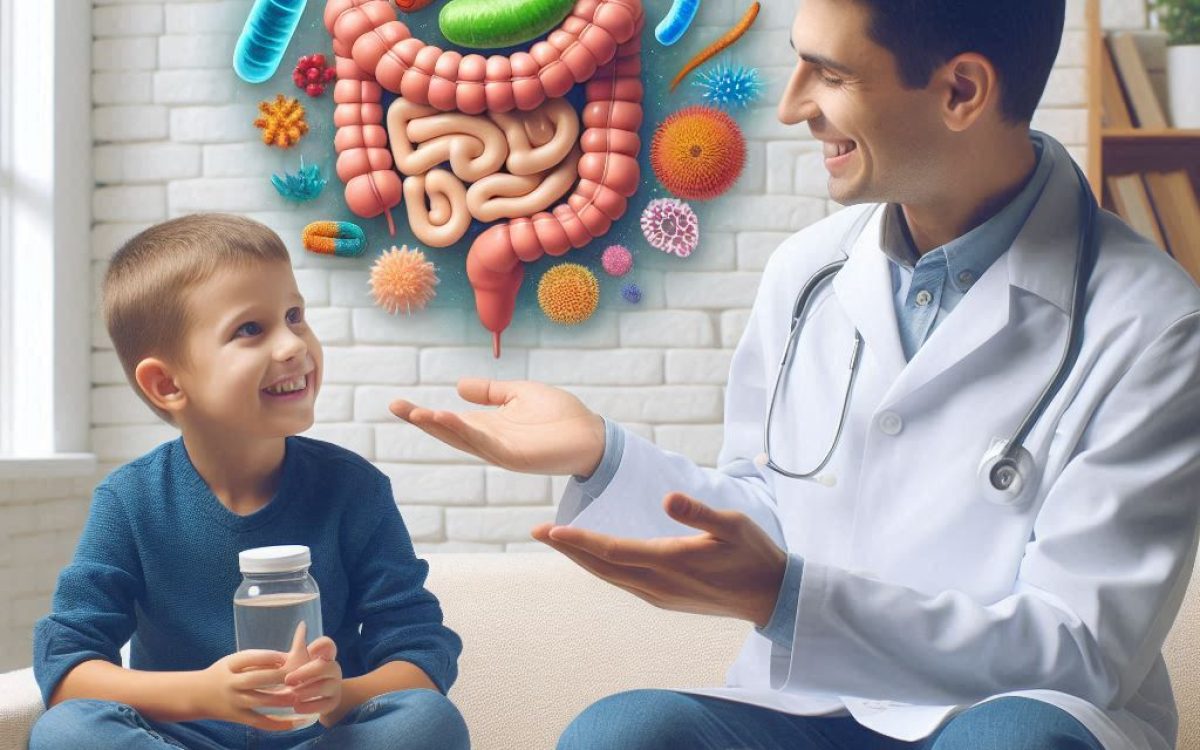
In recent years, probiotics for kids have gained growing attention in nutrition and preventive medicine. The digestive system is not just a means of breaking down food — it’s a vital center for the body’s overall health, housing millions of beneficial microorganisms known as probiotics. These “good bacteria” play an essential role in maintaining gut balance, strengthening immunity, and improving nutrient absorption.
In this article, we will explore in detail the role of probiotics in children’s gut health, their main benefits, natural sources, and how to use them safely.
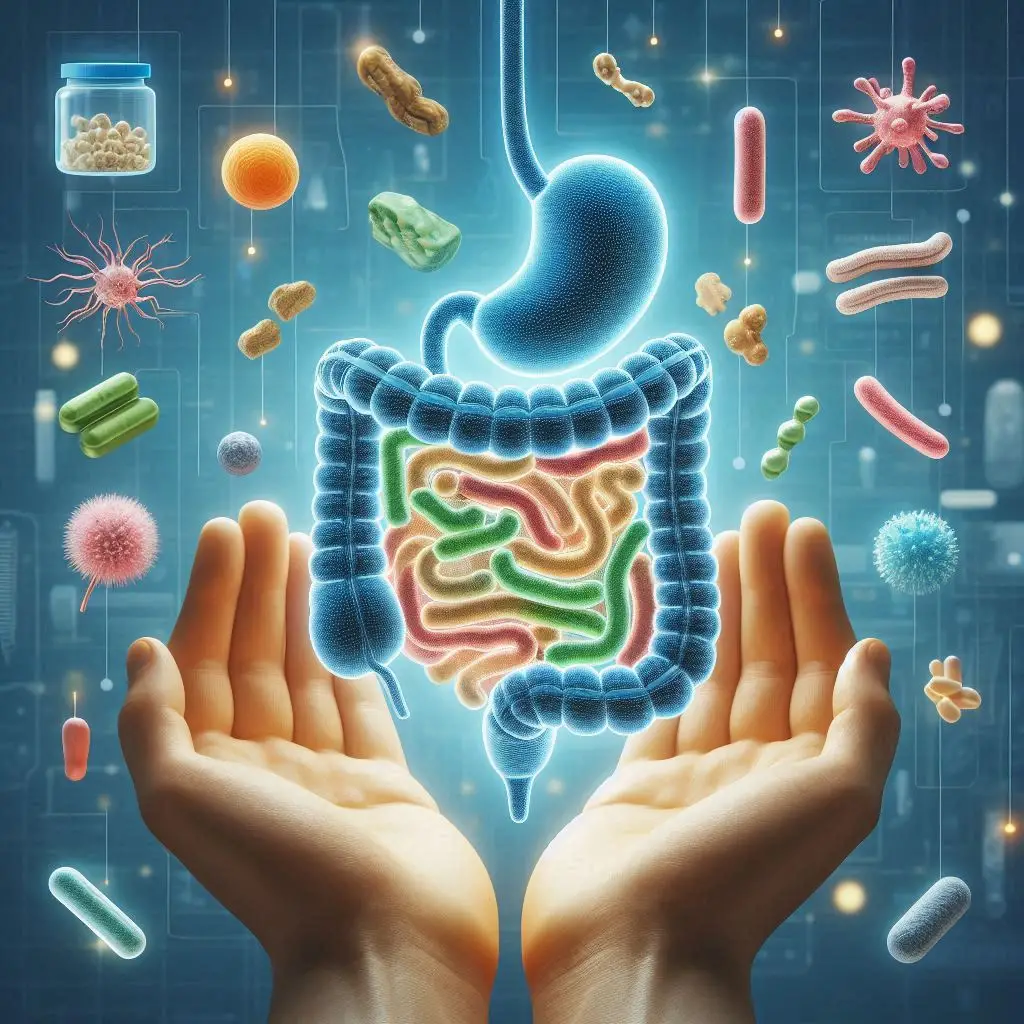
What Are Probiotics for Kids and Why Are They Important?
Probiotics are live microorganisms, mostly beneficial bacteria such as Lactobacillus and Bifidobacterium, that provide numerous health benefits when consumed in adequate amounts.
They support gut health by aiding digestion, improving nutrient absorption, and preventing the overgrowth of harmful bacteria. In addition to digestive benefits, probiotics also enhance immune function.
For children, this is even more important — since their intestines are still developing, maintaining a healthy balance of gut microbiota (the bacterial community inside the intestines) plays a crucial role in proper immune and metabolic development.
How Do Probiotics for Kids Affect Children’s Digestive Health?
Probiotics work on multiple levels within the digestive system, and their effects include:
1. Balancing gut bacteria:
When a child consumes antibiotics or a diet low in fiber, the balance of good bacteria can be disrupted, leading to digestive issues such as diarrhea or bloating. Probiotics help restore the natural balance and prevent the overgrowth of harmful bacteria.
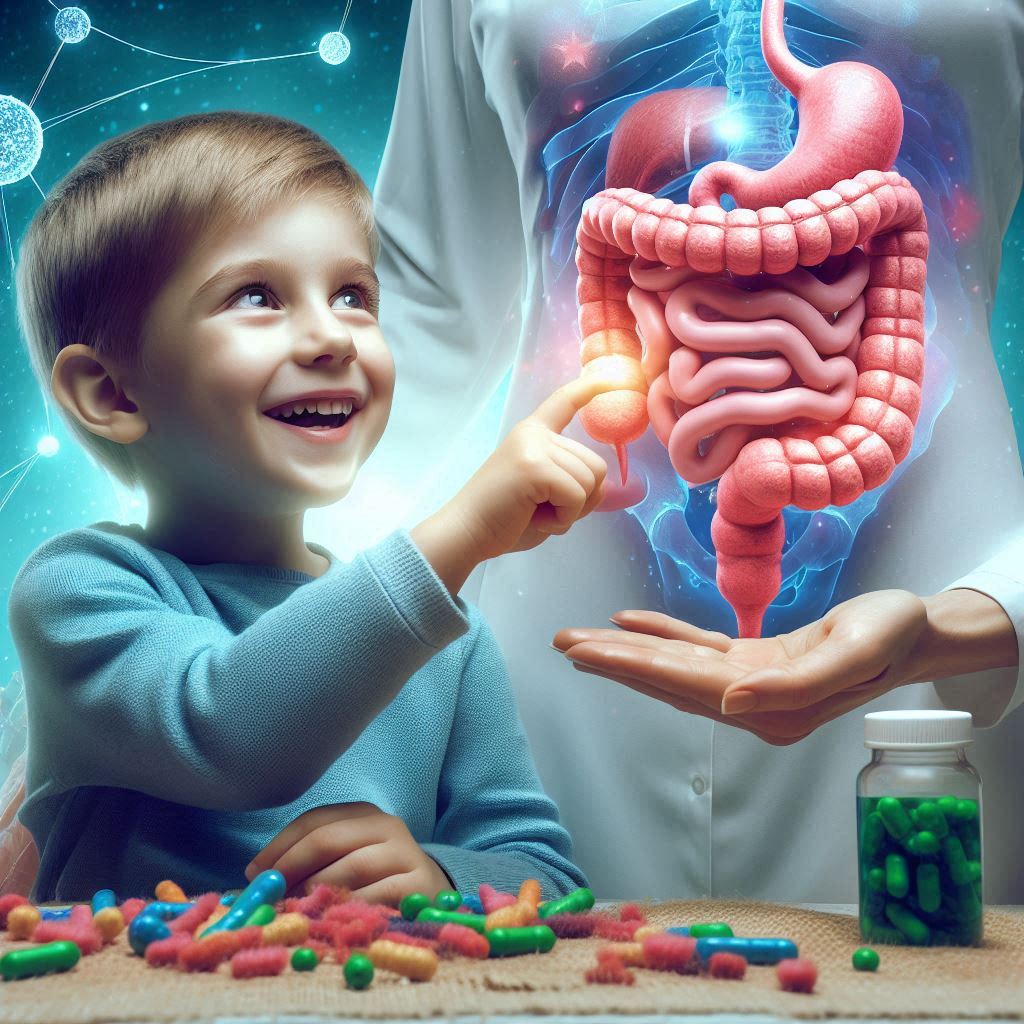
2. Strengthening the gut lining:
Probiotics help maintain the integrity of the intestinal lining, preventing harmful substances from leaking into the bloodstream and supporting immune health.
3. Improving nutrient absorption:
By optimizing digestion, probiotics enhance the absorption of essential vitamins and minerals such as iron, calcium, and vitamin B12 — all vital for healthy growth.
4. Reducing digestive discomfort:
Studies show that probiotics can reduce symptoms such as diarrhea, constipation, gas, and colic — especially in early childhood.
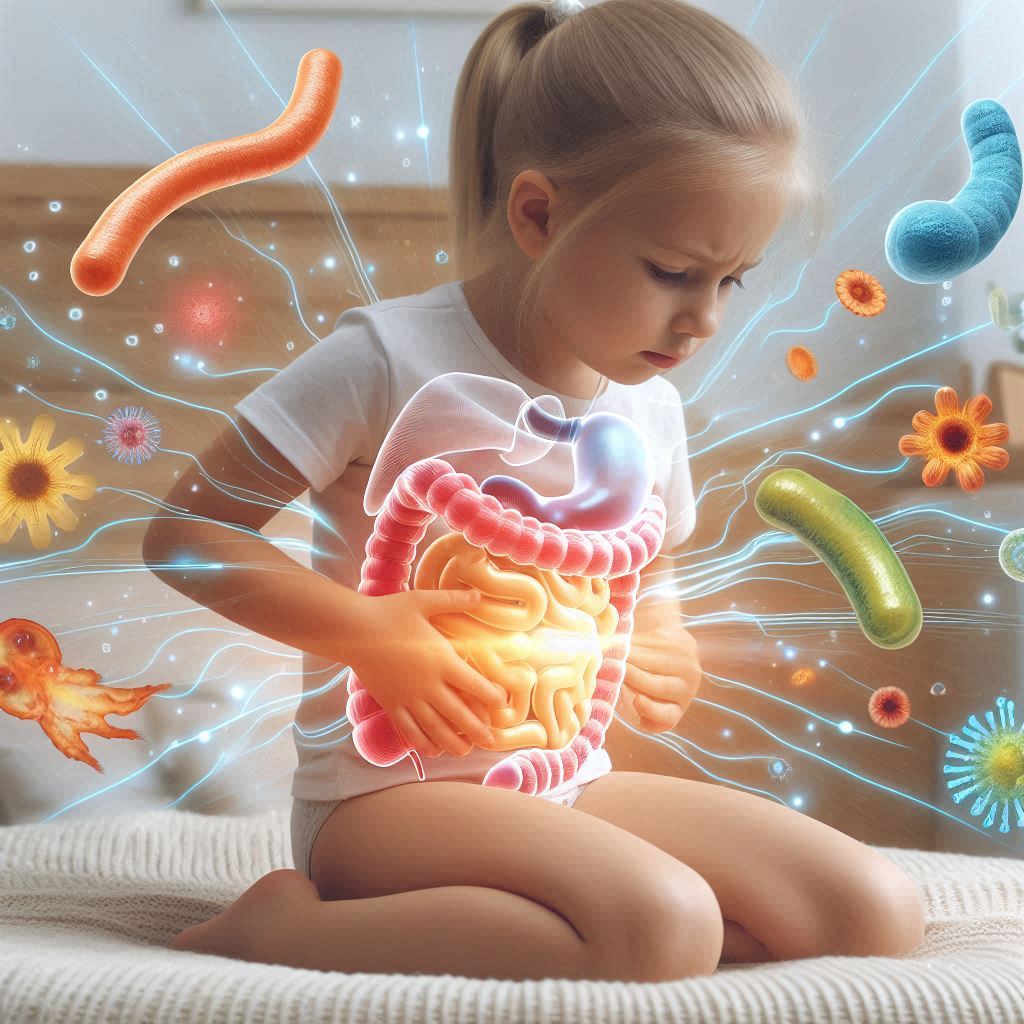
The Role of Probiotics in Supporting Children’s Immunity:
It is estimated that over 70% of the immune system resides in the gut, which means that a healthy gut equals stronger immunity.
Probiotics activate immune cells and stimulate the production of antibodies that fight infections.
Children who consume foods rich in probiotics tend to have greater resistance to colds and flu and experience fewer respiratory infections.
Benefits of Probiotics in Preventing Common Childhood Illnesses:
1. Digestive issues before natural gut flora develops:
Some infants and young children experience constipation, diarrhea, colic, or bloating before their natural gut bacteria fully mature. Adding probiotics to their diet or using supplements helps relieve and manage these symptoms.
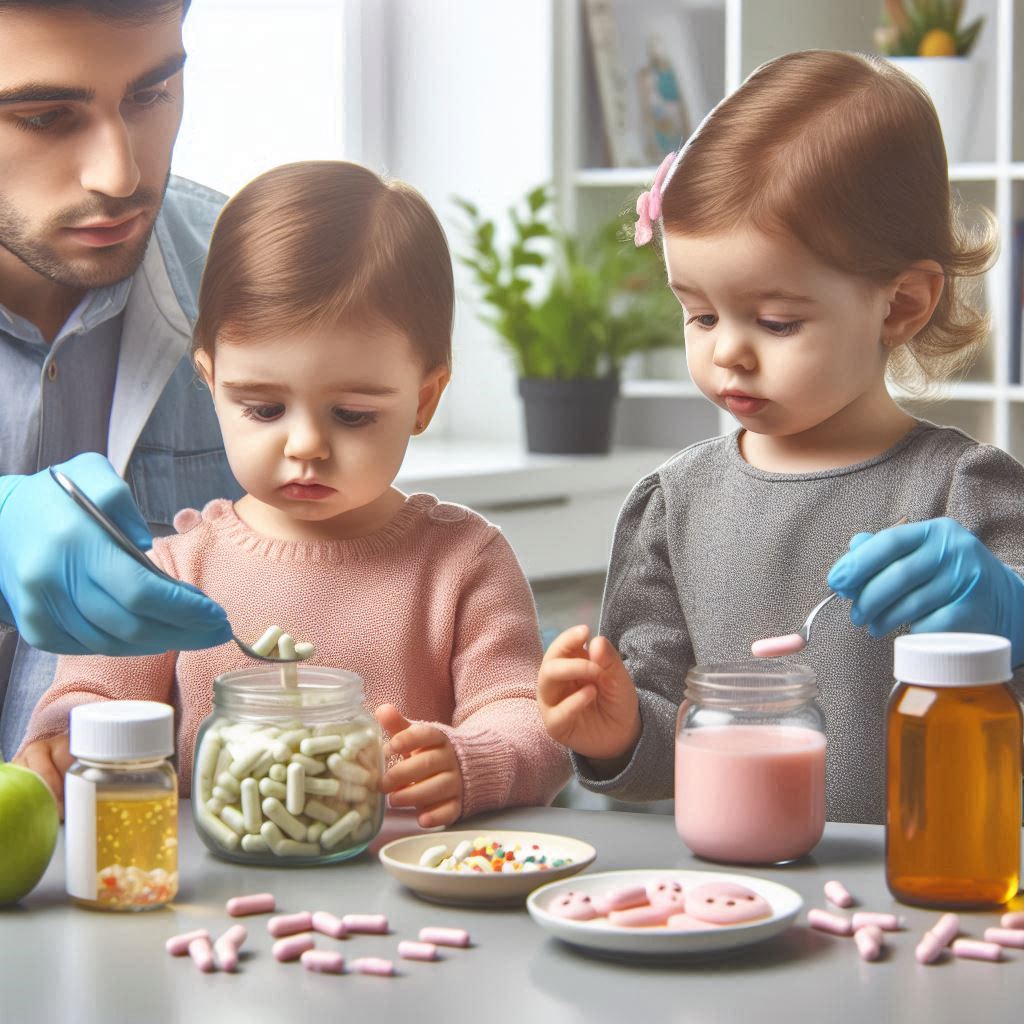
2. Reducing antibiotic-related diarrhea:
Antibiotics kill harmful bacteria but also destroy beneficial bacteria, which can cause diarrhea. Taking probiotics alongside antibiotics helps preserve the good bacteria and maintain a healthy gut balance.
3. Lowering the risk of allergies and eczema:
Research shows that probiotics may help reduce the risk of eczema, asthma, and food allergies in children.
4. Enhancing immune defenses:
Probiotics strengthen the immune system’s defense against viruses and bacteria that cause colds and flu.
Natural Sources of Probiotics for Kids:
1. Yogurt:
Yogurt is one of the most common probiotic-rich foods. It is made by fermenting milk using bacterial cultures, particularly Lactobacillus and Bifidobacterium, making it an excellent source of beneficial bacteria.
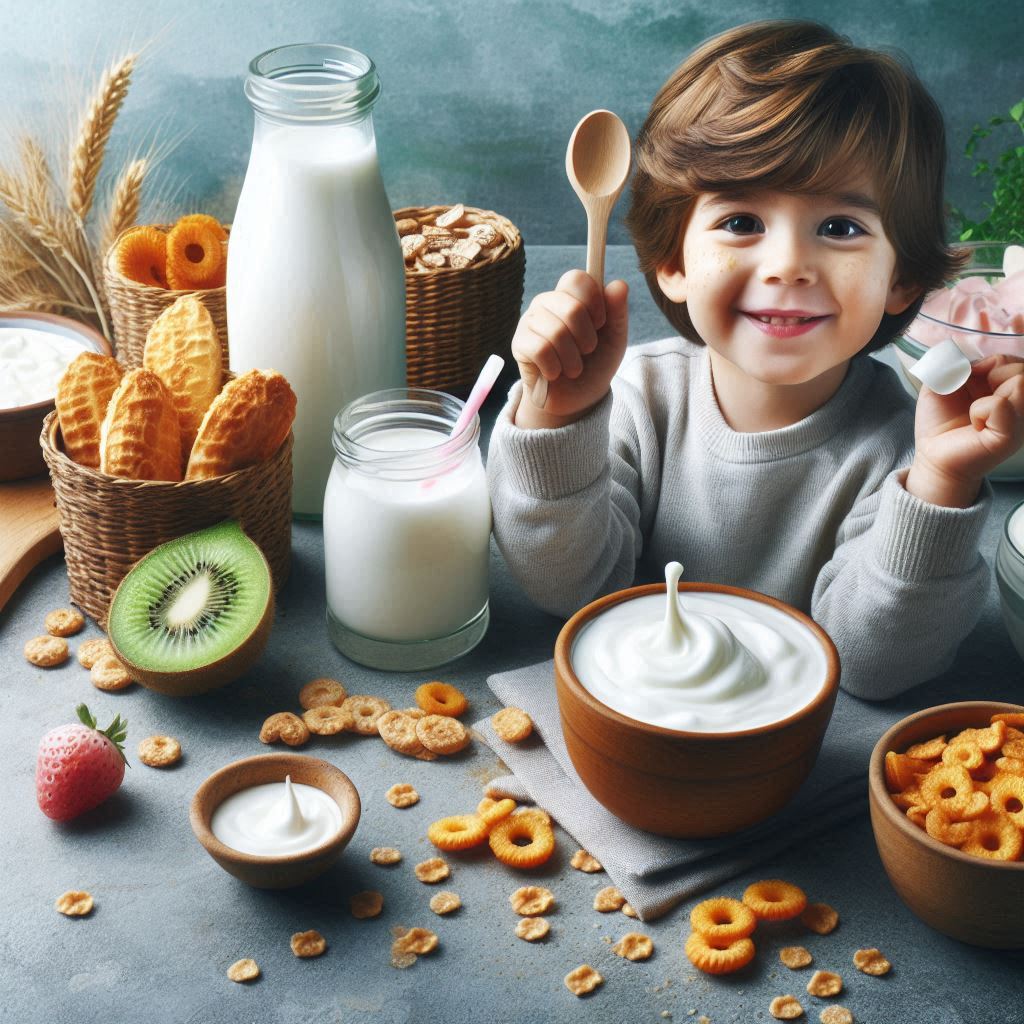
2. Kefir:
A fermented milk drink that contains a wide variety of probiotic strains. The fermentation process — involving bacteria and yeast — gives kefir its tangy flavor and creamy texture.
3. Natural cheese:
Certain types of cheese, such as gouda and mozzarella, contain live beneficial bacteria.
4. Probiotic supplements:
Available in pharmacies as drops, powders, or capsules specifically formulated for children. These should only be used under medical supervision to determine the right type and dosage.
5. Natural pickles:
Fermented foods like cucumbers, sauerkraut, and kimchi are also excellent sources of probiotics, provided they are prepared without preservatives.

Tips for Safe Use of Probiotics for Kids:
1. Consult a doctor first:
Not all probiotic strains are suitable for every child; certain health conditions may require specific types.
2. Introduce gradually:
Probiotics should be introduced slowly into the diet to monitor for any adverse reactions.
3. Proper storage:
Some probiotics are heat-sensitive and should be stored in a cool place or refrigerator
4. Choose reliable products:
When purchasing yogurt or supplements, look for labels that say “contains live and active cultures.”
5. Maintain a balanced diet:
Probiotics alone are not enough — they work best when paired with a diet rich in prebiotics (fibers that feed good bacteria).
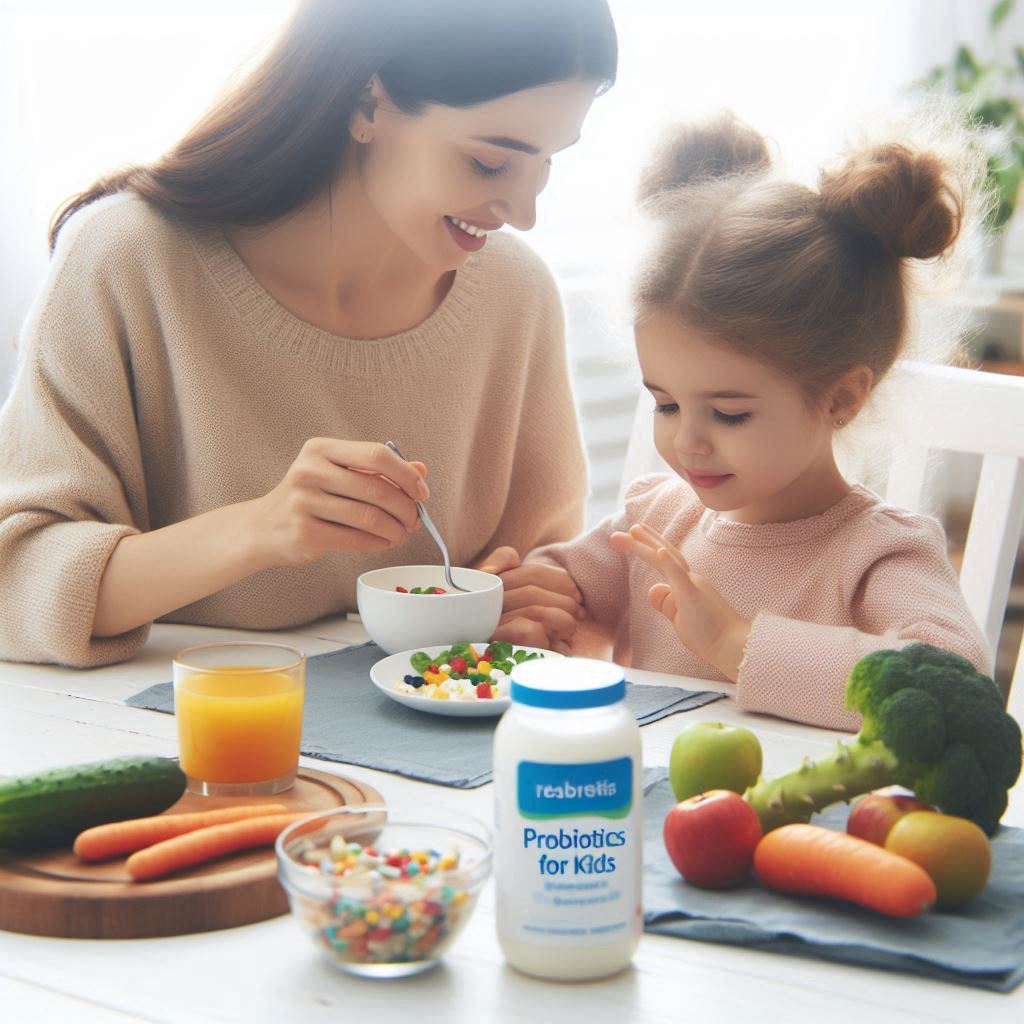
When Should Probiotics for Kids Be Avoided?
Although probiotics are generally safe for most children, they should be avoided or used cautiously in the following cases:
- Children with severely weakened immune systems.
- Children undergoing chemotherapy or suffering from serious chronic illnesses.
- A history of allergies to supplement ingredients.
Probiotics play a crucial role in supporting children’s digestive health. They help balance beneficial bacteria, improve digestion, boost immunity, and prevent many common health issues. Incorporating them into your child’s diet — whether through natural foods or supplements — can promote healthy and balanced physical and mental development.
However, they should always be used wisely and under medical supervision, especially during early childhood, to ensure maximum benefit without side effects.