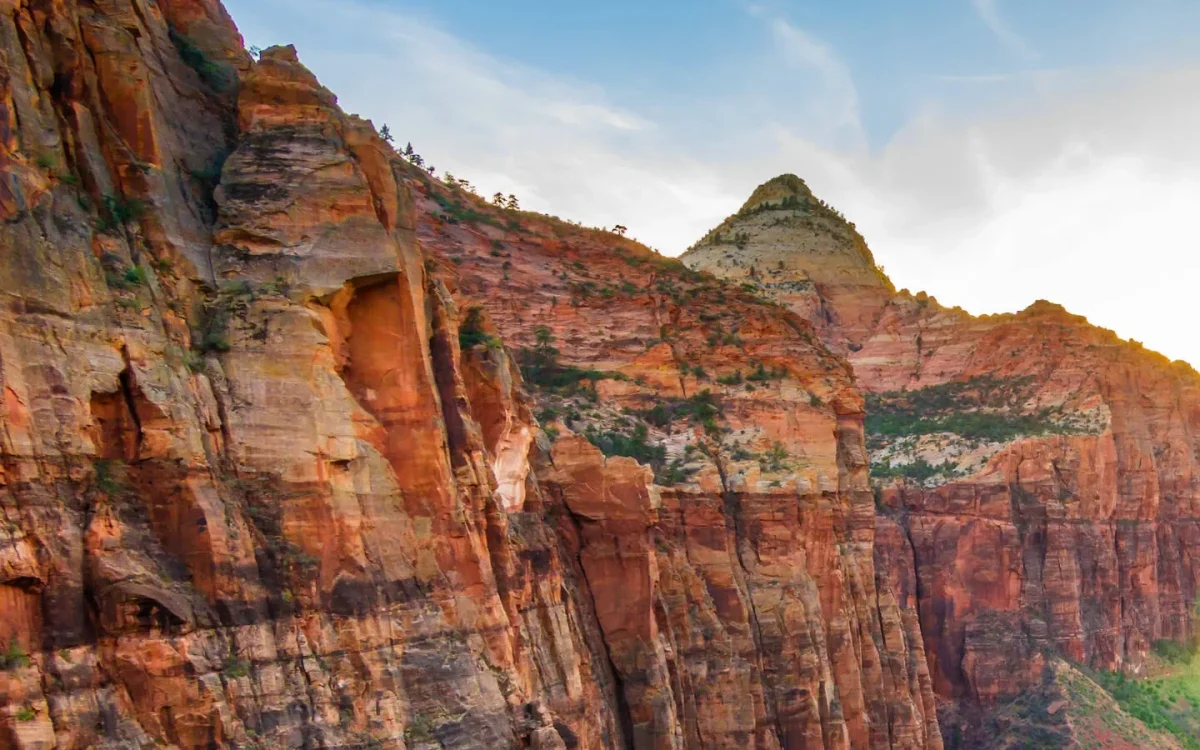
When we talk about America’s national parks, we are referring to vast natural treasures spanning millions of acres, protected by federal law and managed by the National Park Service. These parks are far more than tourist destinations—they are preserved lands that reflect extraordinary geological, climatic, and ecological diversity.
In this guide, we will take you on a journey through three of the most famous and most visited parks: Grand Canyon National Park in Arizona, Yellowstone National Park in Wyoming, and Zion National Park in Utah. Each offers a distinct experience, yet they share one defining element: the raw grandeur of nature.
1- Grand Canyon: A Geological Masterpiece:
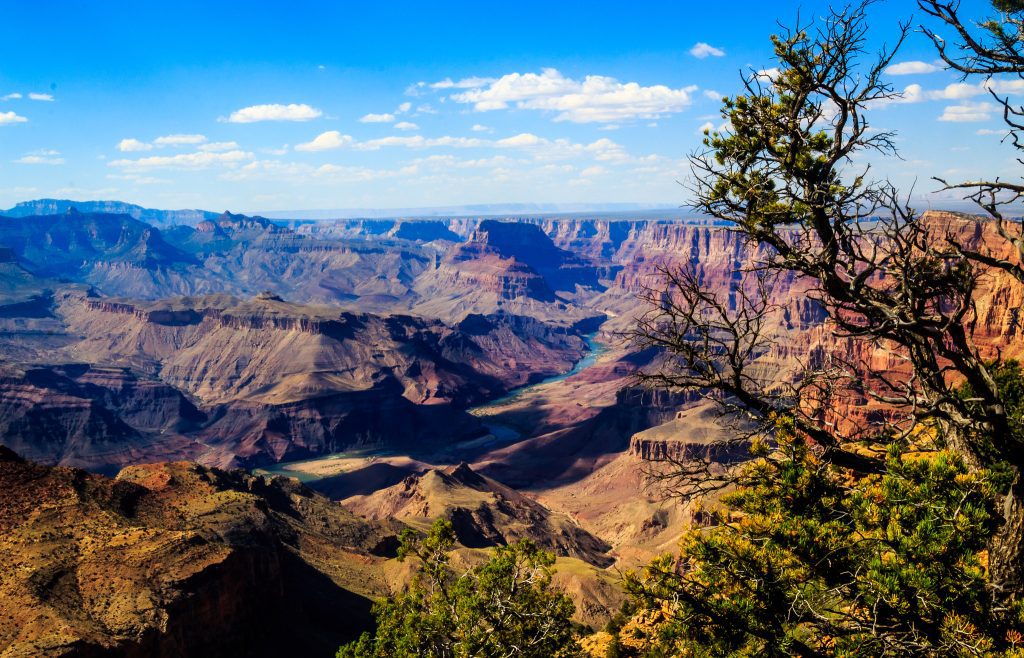
Grand Canyon National Park is one of the most iconic natural landmarks in the United States. Located in Arizona, it was shaped over millions of years by the Colorado River, which carved through layers of rock to create its dramatic landscape.
The canyon reaches depths of more than 1.6 kilometers (about one mile) and stretches approximately 446 kilometers (277 miles) in length. Yet numbers alone cannot capture the feeling of standing on the South Rim and watching the shifting colors of the canyon walls at sunset.
Why It Represents the Essence of the National Park System:
-
- A geological record spanning billions of years
- A wide range of hiking trails and scenic viewpoints
- Strong environmental protection measures
A visit here is more than sightseeing—it is an opportunity to witness Earth’s ancient history firsthand.
America’s National Parks: Activities Not to Miss:
-
- Walking along the South Rim trails
- Hiking down into the canyon (for those physically prepared)
- Viewing the Colorado River from elevated overlooks
- Attending ranger-led educational programs
It is essential to follow official safety guidelines, especially during summer when temperatures inside the canyon can be extremely high.
2- Yellowstone: Where the Earth Comes Alive:
Yellowstone National Park, established in 1872, is the world’s first national park. It is primarily located in Wyoming but extends into Montana and Idaho.
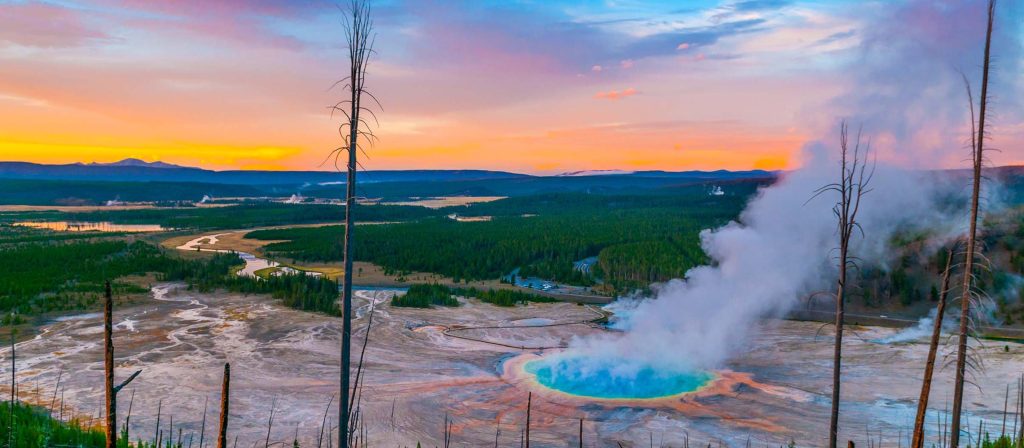
What sets Yellowstone apart is its extraordinary geothermal activity. The park contains more than half of the world’s geysers and hydrothermal features.
Among its most famous attractions:
-
- Old Faithful geyser
- Grand Prismatic Spring
- The waterfalls of the Yellowstone River
America’s National Parks: Wildlife in Yellowstone:
One of the defining features of the national park system is wildlife conservation. In Yellowstone, visitors may encounter:
-
- American bison
- Elk
- Gray wolves
- Bears (observed from a safe distance only)
Strict regulations govern wildlife interaction to ensure the safety of both visitors and animals.
3- Zion: Immersive Canyon Exploration:
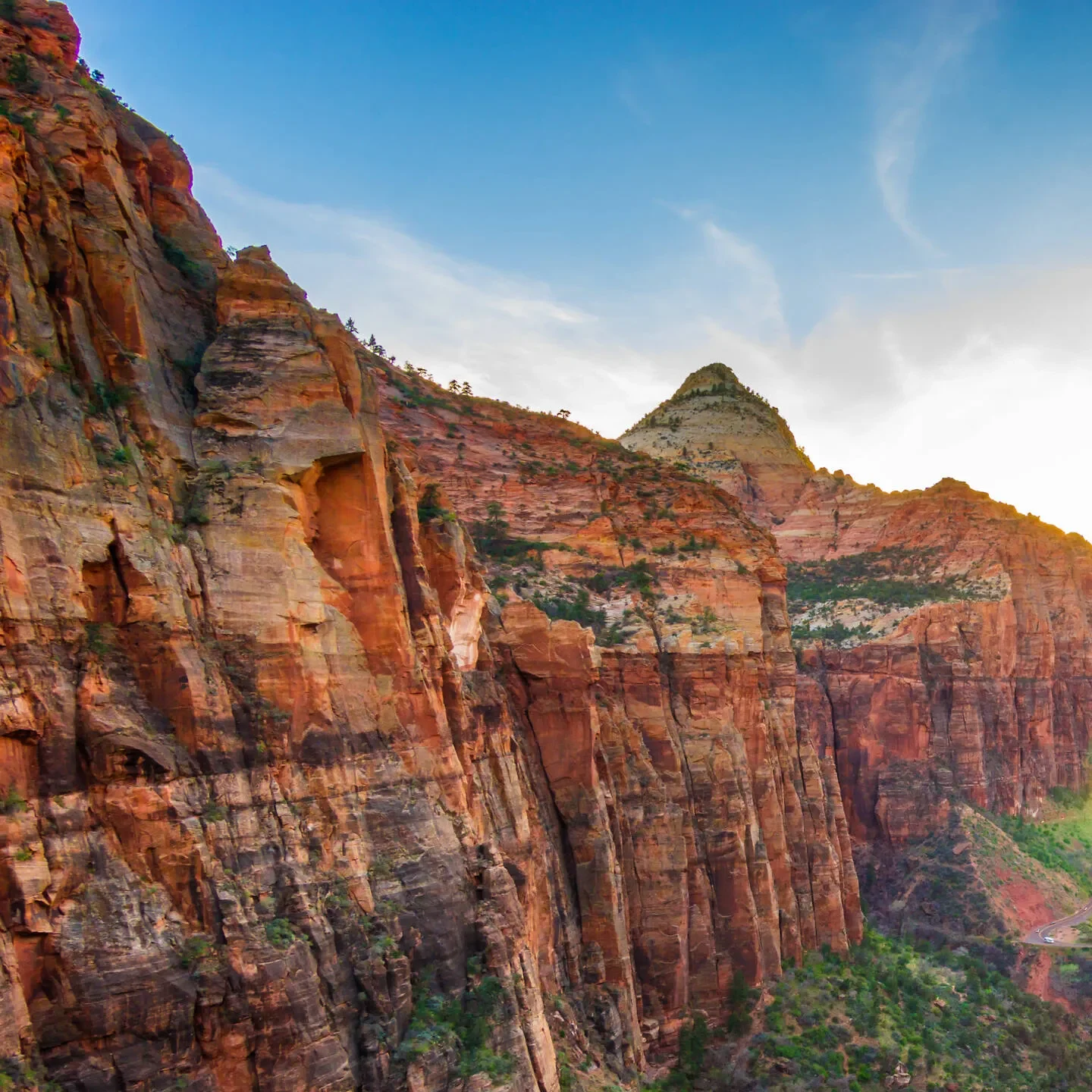
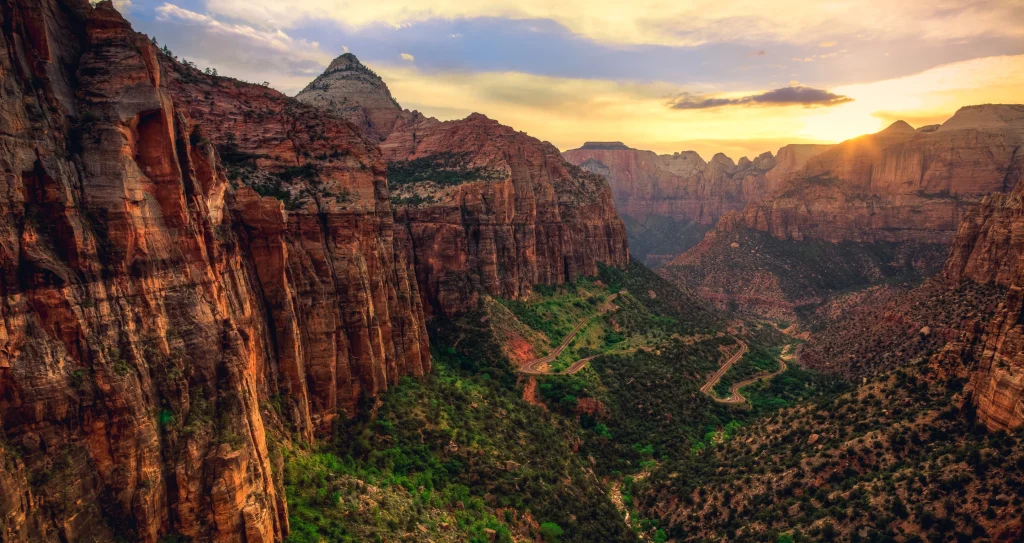
Zion National Park, located in southwestern Utah, is known for its towering red rock formations that rise dramatically from the canyon floor.
Unlike the Grand Canyon, which offers sweeping panoramic views from above, Zion provides a more immersive experience. Visitors walk within the canyon itself, surrounded by massive sandstone cliffs.
What Makes Zion Unique:
-
- World-renowned hiking trails
- Diverse elevations and terrain
- An environmentally friendly shuttle system that reduces congestion
Notable hikes include:
-
- Angels Landing (for experienced and physically fit hikers)
- The Narrows, where visitors walk through the river between towering canyon walls
Zion offers a close, interactive encounter with nature while maintaining structured management and safety.
4- Comparing the Three Parks:
When planning a visit, understanding the key differences can help you choose the right experience:
Grand Canyon:
-
- Expansive panoramic views
- Ideal for photography and scenic observation
- Extremely hot summers inside the canyon
Yellowstone:
-
- Unique geothermal landscapes
- Rich and diverse wildlife
- Vast distances that require thoughtful planning
Zion:
-
- Hiking within canyon environments
- Striking red rock scenery
- A more interactive and physically engaging experience
This diversity is what makes the American national park system exceptional—no two parks offer the same adventure.
America’s National Parks: Best Time to Visit:
According to the National Park Service:
-
- Grand Canyon: Spring and fall to avoid extreme summer heat
- Yellowstone: Late spring and summer for optimal wildlife viewing
- Zion: Spring and fall to avoid heavy crowds and high temperatures
Seasonal planning is essential for a safe and enjoyable trip.
Practical Tips for a Successful Journey:
To make the most of your experience:
-
- Reserve accommodations in advance
- Check weather conditions before traveling
- Carry sufficient water, especially in desert regions
- Follow wildlife safety regulations
- Stay on designated trails
The National Park Service provides clear guidelines to protect both visitors and the environment. Respecting these rules helps preserve these extraordinary landscapes for future generations.
Why America’s National Parks Leave a Lasting Impression:
What makes America’s national parks unforgettable is not only their beauty but also the philosophy behind their preservation. Since the creation of the first national park in 1872, the mission has been to protect these lands for public benefit and enjoyment.
Standing before the vast expanse of the Grand Canyon, watching a geyser erupt in Yellowstone, or hiking between the towering cliffs of Zion connects you to a natural story far older than human civilization.
These experiences redefine travel—from simply moving between destinations to forming a meaningful connection with the Earth.
America’s National Parks: A Sample 10–14 Day Itinerary:
If you have 10 to 14 days, you might consider:
-
- 3 days at the Grand Canyon
- 3 to 4 days in Yellowstone
- 2 to 3 days in Zion
- Additional travel days between states
This route offers geological variety, climate diversity, and a comprehensive introduction to the grandeur of America’s national parks.
If you enjoy mindful travel that combines nature, movement, and a healthy lifestyle, we invite you to visit our website, NutritionTravels.