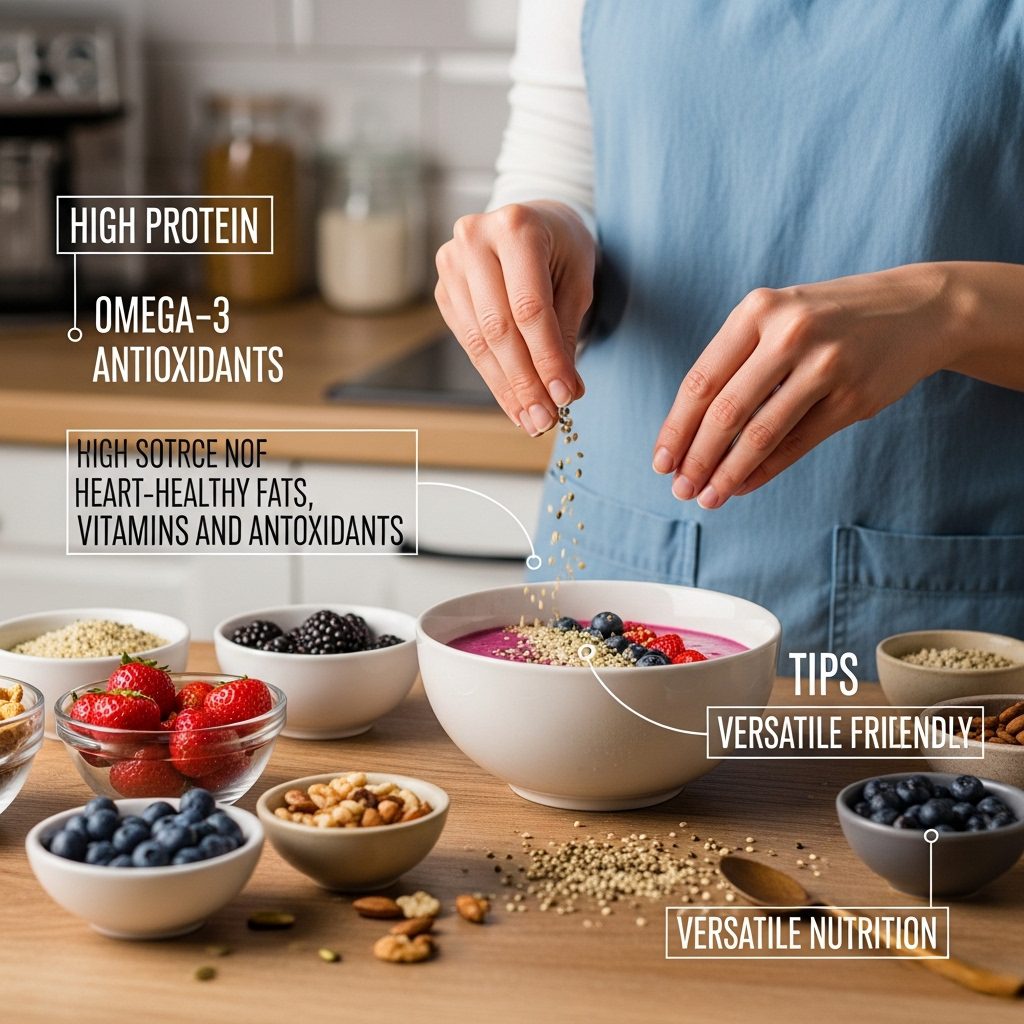

Proper nutrition plays a vital role in children’s growth and cognitive development, and Omega-3 for children is one of the most important nutrients. Among these essential fats, DHA (docosahexaenoic acid) and other healthy oils are crucial for brain development, memory, focus, learning abilities, and overall mental health. Ensuring your child gets enough Omega-3 and healthy fats is one of the best investments in their cognitive and physical development.
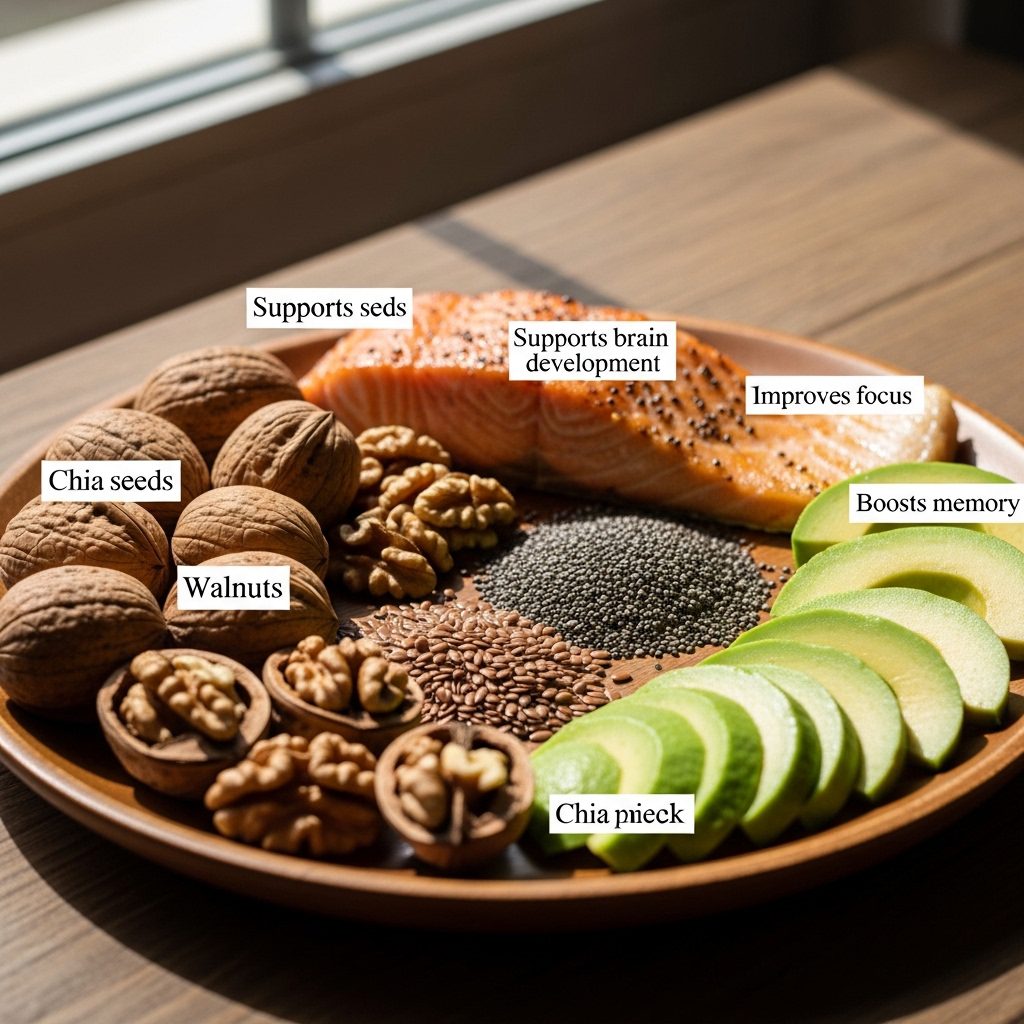
Why Omega-3 and Healthy Fats Are Essential for Children:
Omega-3 fatty acids and healthy oils are foundational for building the brain and nervous system. They provide structural support to neurons, enhance communication between brain cells, and protect them from damage. These fats also contribute to better eyesight and emotional balance.
Key benefits include:
- Brain Development and Neural Growth: DHA, a type of Omega-3, is an essential component of brain tissue and the central nervous system. It supports the development of neuronal networks and helps children reach their full cognitive potential.
- Improved Cognitive Functions: Regular intake of Omega-3 has been shown to enhance memory, focus, attention, and learning abilities. Children with sufficient Omega-3 levels often show higher IQ and academic performance.
- Better Mood and Behavior: Omega-3 fatty acids can help reduce symptoms of ADHD (Attention Deficit Hyperactivity Disorder) and improve overall emotional stability by reducing anxiety and depression levels.
- Eye Health: DHA plays a key role in the development of the retina, supporting sharp vision and healthy eye function.
- Neural Protection: Omega-3 acts as a neuroprotective agent, shielding brain cells from oxidative stress and promoting efficient neural communication.

Top Sources of Omega-3 and Healthy Fats for Children:
Since the human body cannot produce Omega-3 on its own, it is essential to include dietary sources:
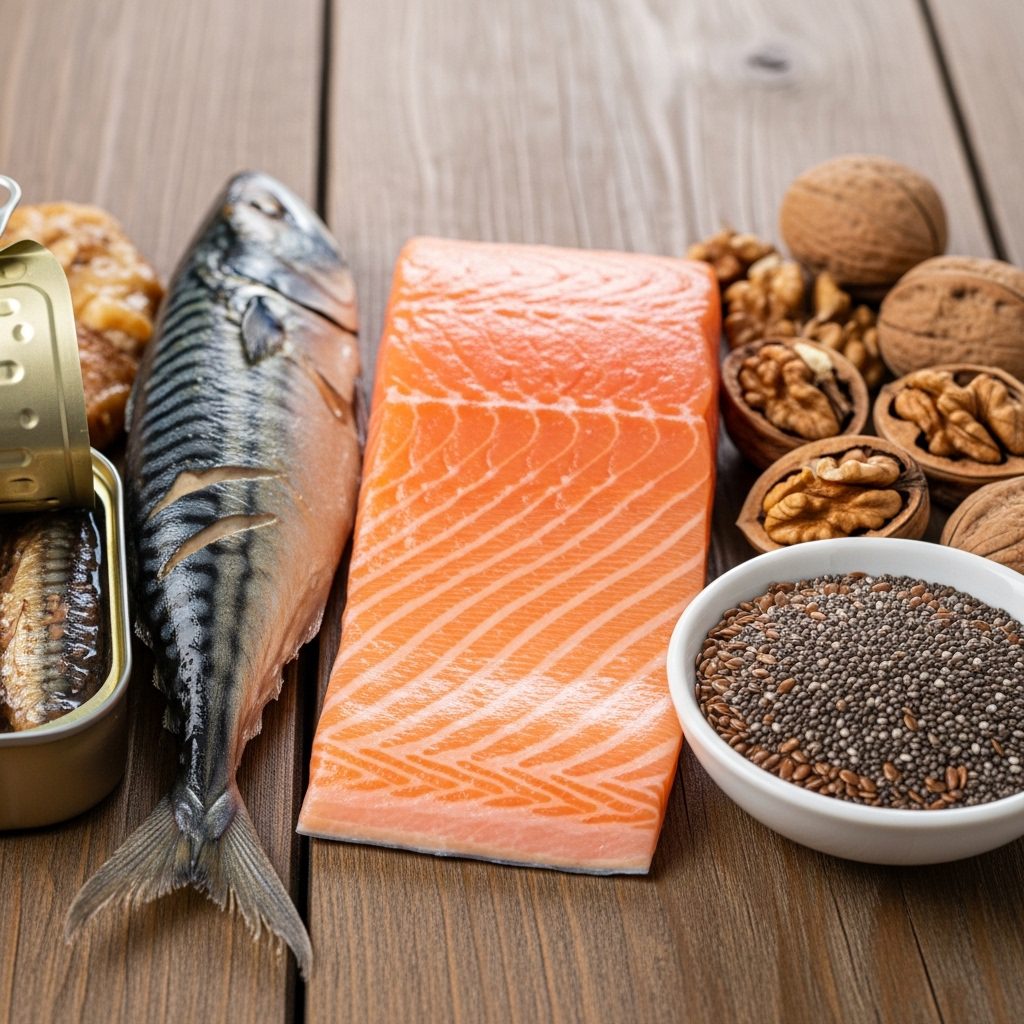
- Fatty Fish: Salmon, mackerel, herring, sardines, and tuna are excellent sources of EPA and DHA.
- Nuts and Seeds: Walnuts, chia seeds, and flaxseeds provide plant-based Omega-3 (ALA – alpha-linolenic acid).
- Healthy Oils: Olive oil and flaxseed oil are rich in unsaturated fats that support brain health.
- Supplements: Omega-3 fish oil capsules or gummy supplements can be used for children who do not consume enough fish.
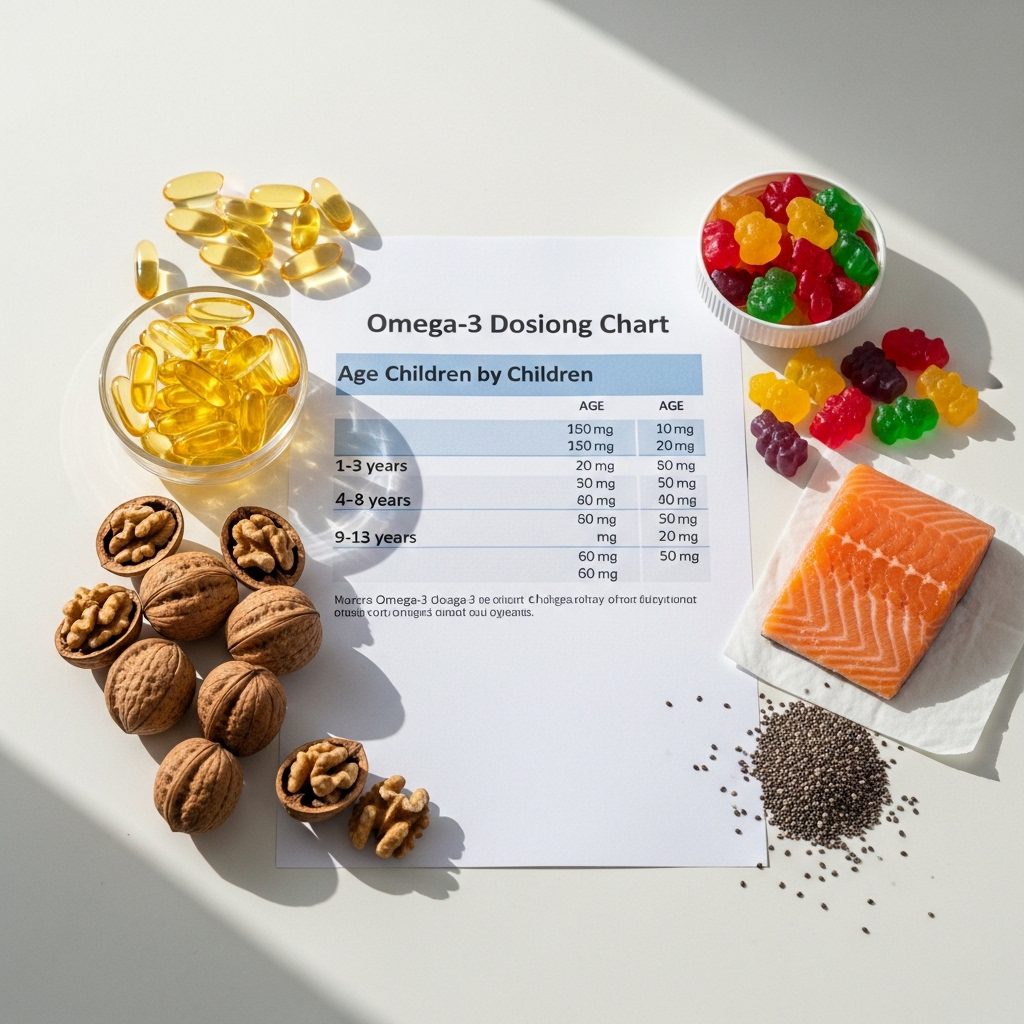
Recommended Daily Dosage of Omega-3 for Children:
The required Omega-3 intake varies depending on age:
- 6 months – 1 year:5 grams/day
- 1–3 years: ~0.7 grams/day
- 4–8 years: ~0.9 grams/day
- 9–13 years: 1 gram/day for girls, 1.2 grams/day for boys
- 14–18 years:1 grams/day for girls, 1.6 grams/day for boys
Dosages may be adjusted based on health conditions or physician advice. Always consult a doctor before giving supplements, especially for children with ADHD or nutritional deficiencies.
Risks of Omega-3 Deficiency:
Lack of Omega-3 and healthy fats in children’s diets can result in:
- Poor cognitive performance and memory issues
- Difficulty concentrating and learning
- Dry skin, brittle hair, and weak nails
- Reduced immunity and higher susceptibility to illness
- Eye problems and impaired vision
- Behavioral problems, anxiety, or depression
- Increased risk of allergies or asthma
Deficiency can affect both physical and mental health, making Omega-3 essential for a well-rounded, healthy childhood.
Potential Side Effects of Omega-3 Supplements:
While Omega-3 is generally safe, overconsumption may cause minor side effects:
- Upset stomach, nausea, or diarrhea
- Heartburn or mild abdominal discomfort
- Occasional bleeding or bruising if dosage exceeds recommended limits
- Rarely, fishy aftertaste or odor
To minimize side effects, start with small doses and ensure supplements are child-friendly, like gummies or flavored liquids.

Practical Tips to Include Omega-3 in Your Child’s Diet:
1. Serve Fish Twice a Week: Fatty fish such as salmon or sardines can be added to meals.
2. Incorporate Nuts and Seeds: Sprinkle chia seeds or ground flaxseed into yogurt, smoothies, or oatmeal.
3. Use Healthy Oils: Add olive oil to salads or meals to boost unsaturated fat intake.
4. Consider Supplements: For picky eaters or children with low fish consumption, Omega-3 supplements (capsules or gummies) are a convenient alternative.
5. Balance Meals: Ensure overall nutrition includes protein, complex carbs, and micronutrients alongside healthy fats.
Popular Omega-3 Products for Children:
Some safe and effective Omega-3 supplements available in pharmacies include:
- Tommy Omega-3 Gummies (60 pieces): Contain DHA and EPA, suitable for children from age 2. Supports intelligence, memory, and immune system.
- Megaton Syrup (227 ml): Mango-flavored liquid supplement with Omega-3 and essential vitamins, promoting bone, hair, skin, and eye health.
- Megamind Omega-3 Syrup (227 ml): Contains Omega-3 with vitamins D, E, and B. Ideal for children aged 1–5 years. Enhances brain development, immunity, and mental focus.
Always administer supplements according to recommended age-based dosages and preferably after meals to maximize absorption.

When to Start Omega-3 for Children:
- Omega-3 intake should begin during pregnancy and breastfeeding, as it supports fetal brain development.
- After six months, include healthy fats in the infant’s diet.
- Continue supplementation during early childhood to support learning, memory, focus, and overall cognitive development.
Benefits of Omega-3 for Learning and Memory:
Omega-3 fatty acids are often called “smart fats” because they:
- Enhance Memory: DHA supports neuron density, protects brain cells, and aids in forming new memories.
- Boost Focus and Attention: Reduces hyperactivity and inattentiveness (ADHD), helping children concentrate better in school.
- Support Academic Performance: Studies show children with sufficient Omega-3 intake have better reading, comprehension, and language skills.
- Promote Brain Growth: Essential for proper brain structure and neuronal communication, particularly during rapid developmental stages.

Omega-3 fatty acids and healthy oils are more than just supplements—they are essential building blocks for children’s brains. Including fatty fish, nuts, seeds, and safe Omega-3 supplements ensures children receive the nutrients necessary for optimal brain development, memory, focus, learning, and eye health. Start integrating these fats gradually into meals and consult your doctor to create a safe, effective plan for your child’s nutrition.
Investing in Omega-3 today is an investment in your child’s future intelligence, behavior, and overall health. For more tips and guidance on children’s nutrition and healthy brain development, visit Nutrition Travels.