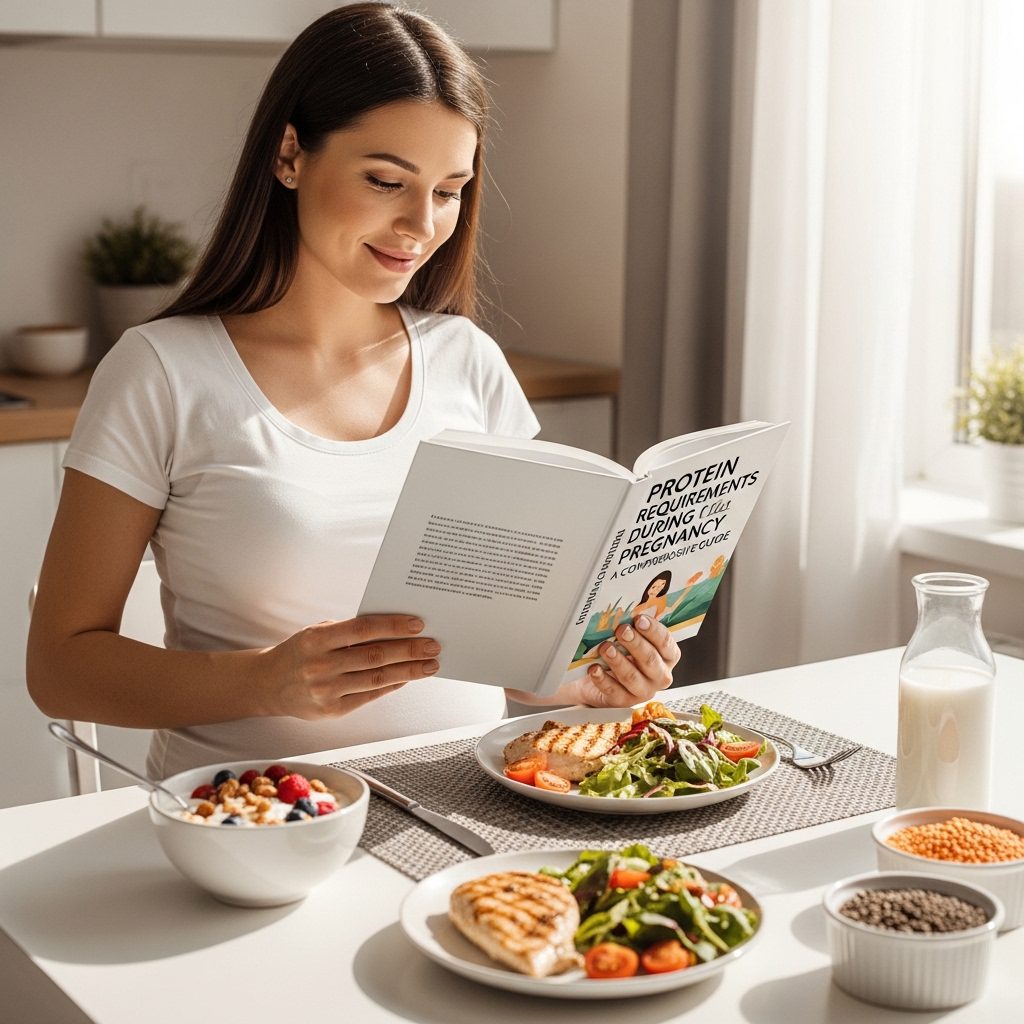
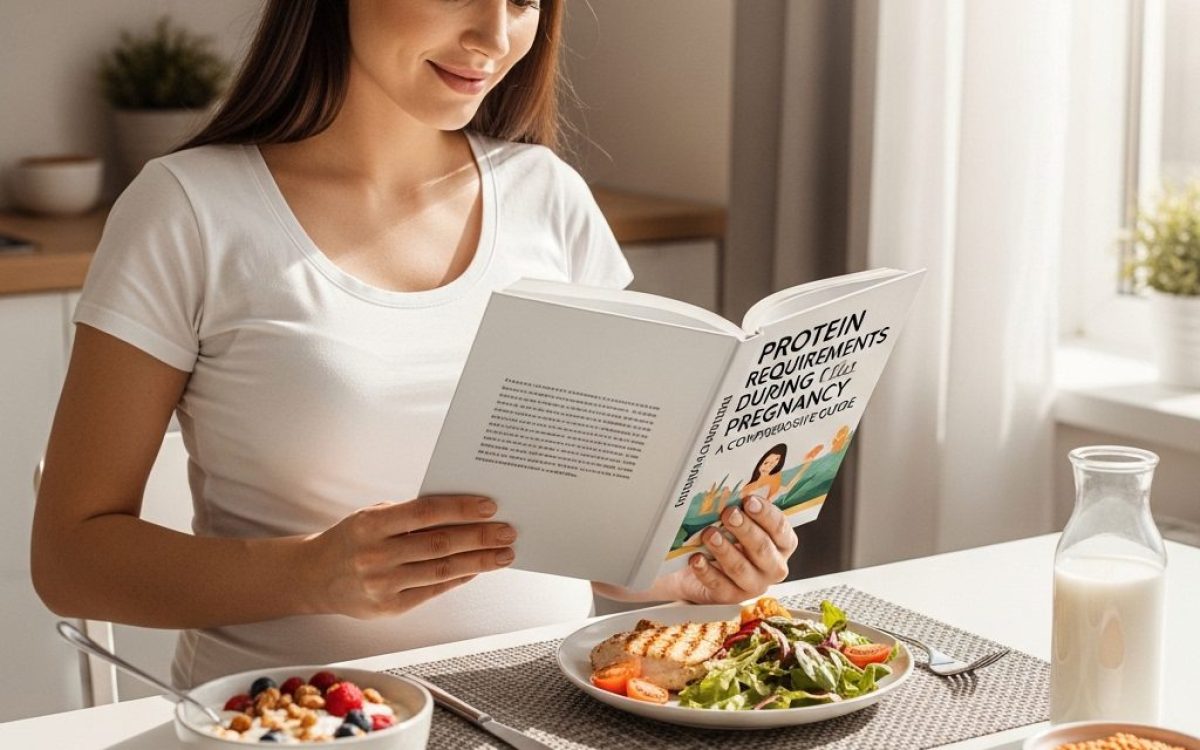
The moment a woman discovers she is pregnant, questions about proper nutrition naturally arise. Among all essential nutrients, protein stands out as one of the most critical foundations for healthy fetal growth, tissue development, and new cell formation , Protein is not just a “muscle-building” nutrient, as it is often described. It is the fundamental building block of every cell in your baby’s body. During pregnancy, your body works overtime to create new tissues—including the placenta, increased blood supply, and the baby’s developing organs. Understanding protein requirements during pregnancy allows you to make informed, confident nutritional decisions.
Protein Requirements During Pregnancy: Why Do Protein Needs Increase During Pregnancy?
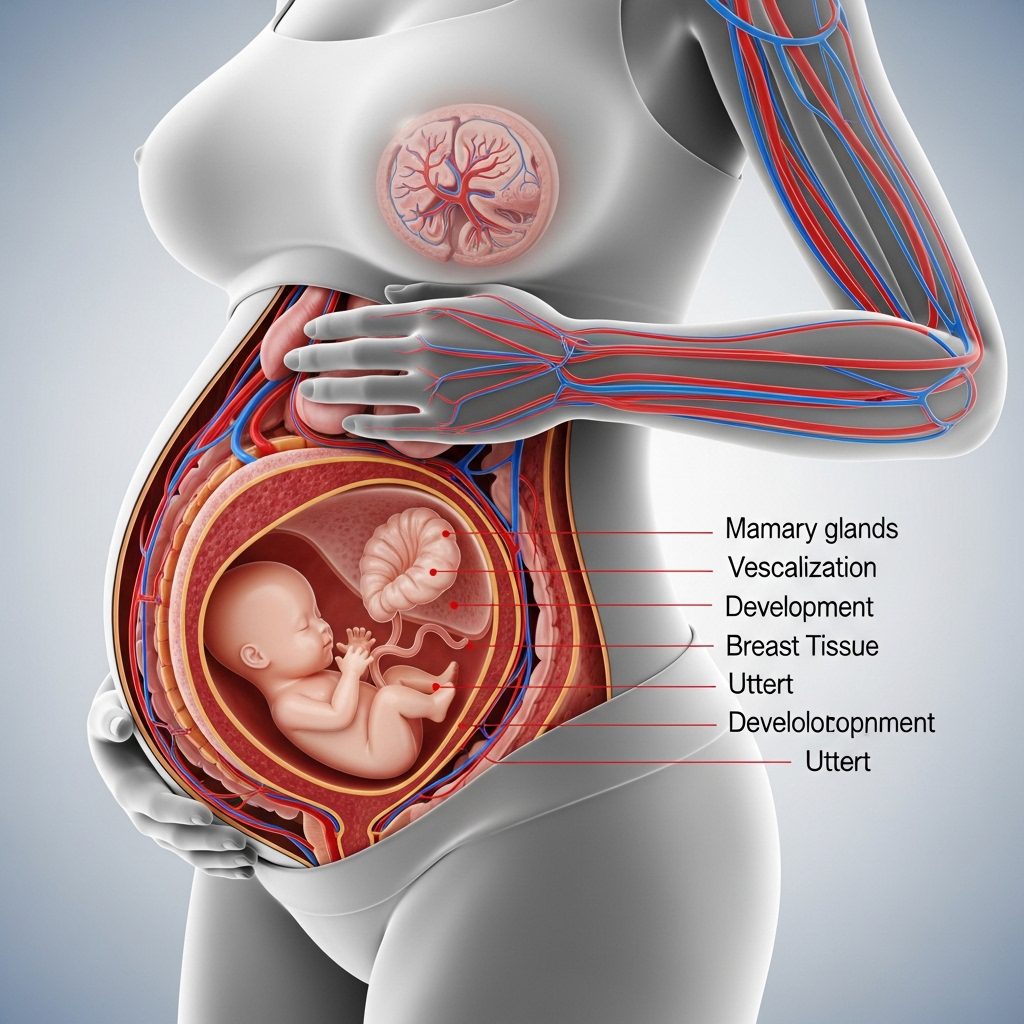
Pregnancy triggers several major physiological changes, including:
-
- Increased blood volume
- Rapid fetal growth
- Placenta formation
- Breast tissue development in preparation for breastfeeding
All of these processes rely heavily on adequate protein intake.
The Role of Protein in Fetal Development:
Protein plays a direct and essential role in your baby’s development. It supports:
-
- Brain cell formation
- Muscle and bone development
- Skin, hair, and nail growth
- Enzyme and hormone production
Proteins are made up of amino acids, some of which the body cannot produce on its own and must obtain through food. Severe or prolonged protein deficiency may negatively impact fetal growth, although this is typically associated with overall poor nutrition rather than minor short-term gaps.
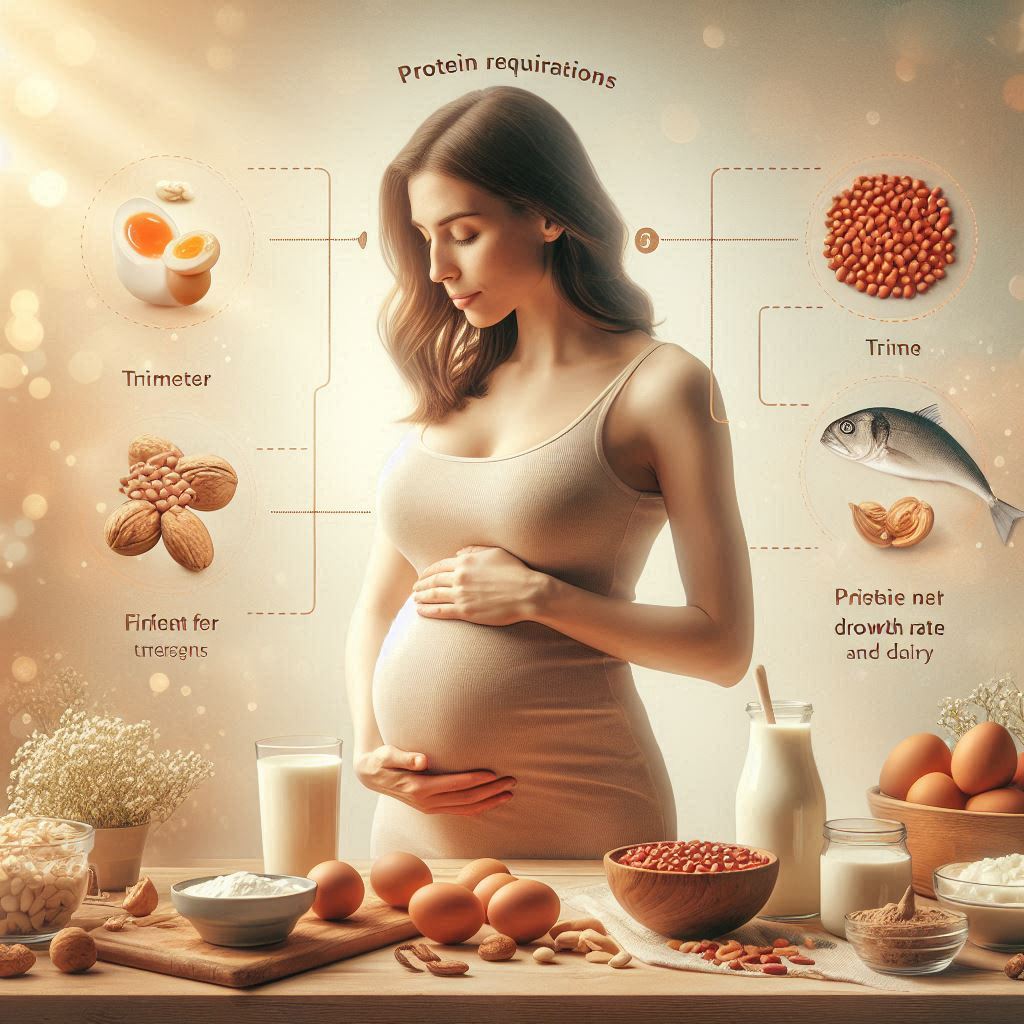
Protein Requirements During Pregnancy: Protein Needs by Trimester:
While official guidelines provide an overall daily average, some experts note that protein requirements may vary slightly across pregnancy:
-
- First trimester: Modest increase
- Second trimester: Noticeable rise as fetal growth accelerates
- Third trimester: Highest growth rate and protein demand
The golden rule remains the same: follow official recommendations and consult your healthcare provider.
Best Protein Sources During Pregnancy:
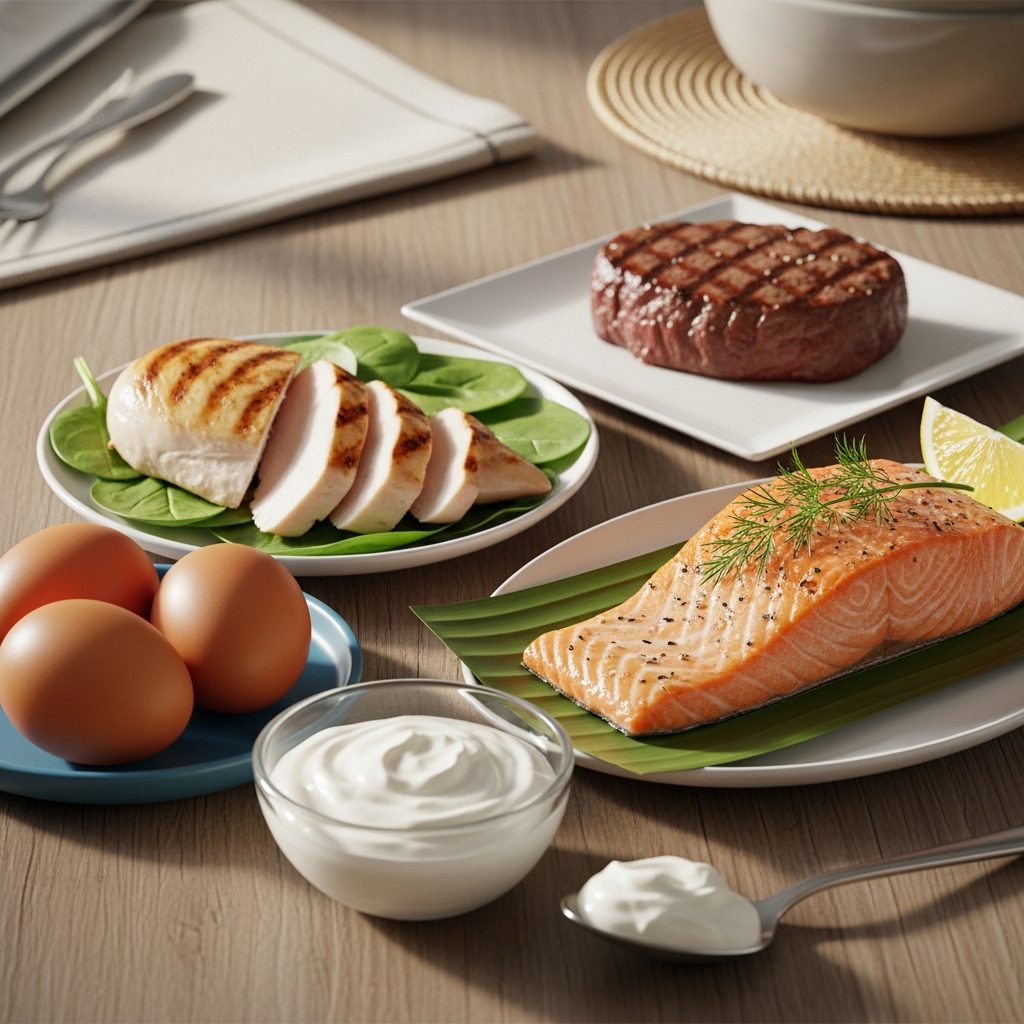
1) Animal-Based Sources:
-
- Eggs
- Chicken
- Lean meats
- Low-mercury fish
- Yogurt
These provide complete proteins containing all essential amino acids.
2) Plant-Based Sources:
-
- Lentils
- Chickpeas
- Beans
- Tofu
- Nuts
Vegetarian mothers can fully meet protein needs by combining and diversifying plant sources throughout the day.
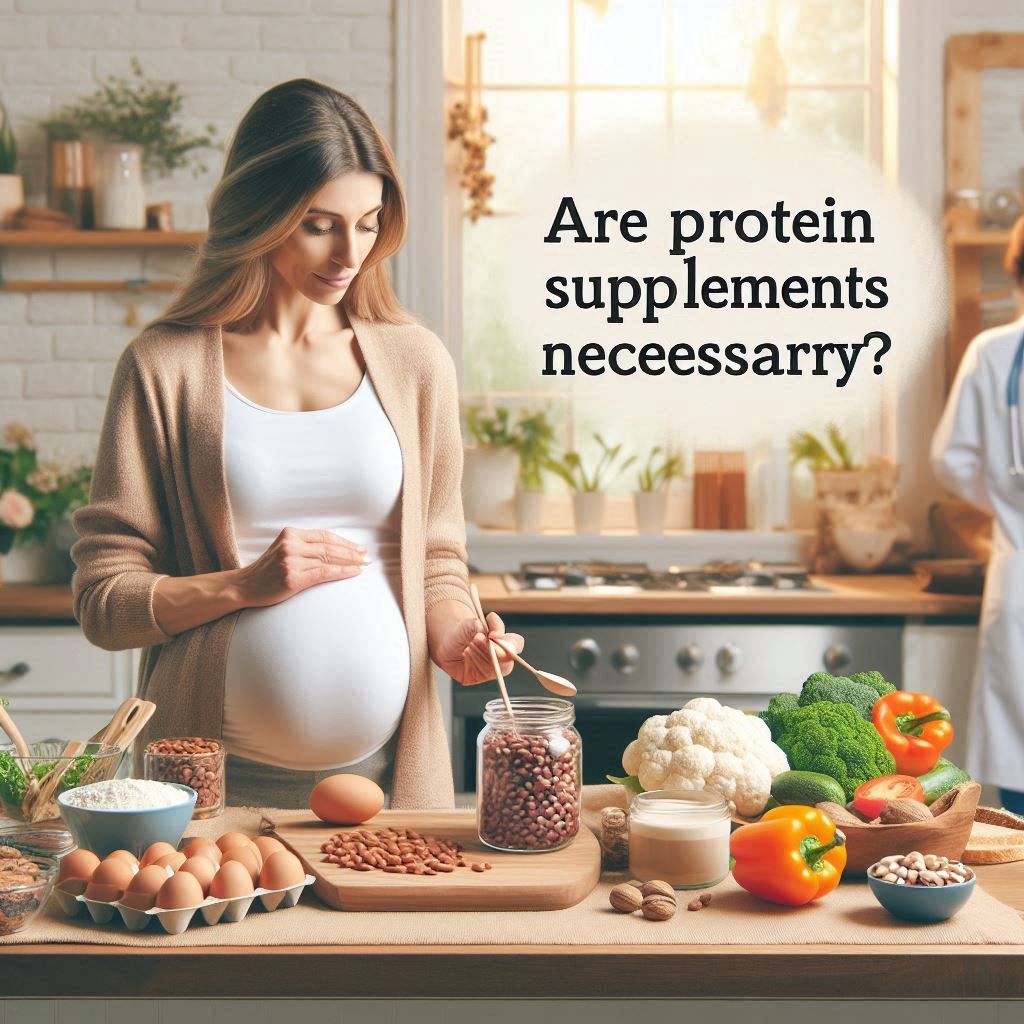
Protein Requirements During Pregnancy: Are Protein Supplements Necessary?
In most cases, protein requirements during pregnancy can be met through a balanced diet.
Protein supplements are generally not recommended routinely unless:
-
- There is a diagnosed nutritional deficiency.
- Appetite or food intake is significantly limited.
- A healthcare provider specifically advises it.
Excessive use of protein supplements without medical supervision is unnecessary and not proven to offer additional benefits.
A Simple Daily Example:
To reach approximately 70–75 grams per day, protein can be distributed as follows:
-
- Breakfast: Two eggs + one cup of yogurt
- Lunch: Grilled chicken breast
- Snack: A handful of nuts
- Dinner: A serving of lentils
The goal is balance and consistency—not perfection or complicated calculations.
Protein Requirements During Pregnancy: What Happens with Protein Deficiency?
Severe deficiency may be associated with:
-
- Restricted fetal growth
- Low birth weight
- Maternal fatigue

However, these outcomes are typically linked to overall inadequate nutrition rather than a mild or temporary shortfall.
Calculating Protein Needs More Precisely:
The general recommendation during pregnancy is about 71 grams per day on average. Some scientific references also use a weight-based formula of approximately 1.1 grams of protein per kilogram of body weight per day.
According to official U.S. dietary guidelines, this means a woman weighing 65 kg (143 lbs) may need around 71–75 grams daily, with slight variation depending on body weight, activity level, and overall health.
Understanding protein needs in this way helps prevent both deficiency and unnecessary excess.
Protein and Healthy Pregnancy Weight Gain:
Weight gain during pregnancy is normal and necessary. However, the quality of that weight matters as much as the quantity.
Adequate protein intake helps:
- Support fetal growth without excessive fat gain
- Preserve maternal muscle mass
- Enhance satiety, reducing overconsumption of refined sugars
When protein needs are met within a balanced dietary pattern, weight gain tends to be steadier and healthier.

Can a Vegetarian Diet Meet Protein Needs?
Yes—with proper planning.
Vegetarian women can meet protein requirements by:
- Combining legumes with grains (such as lentils with rice)
- Including tofu and soy products
- Regularly adding nuts and seeds
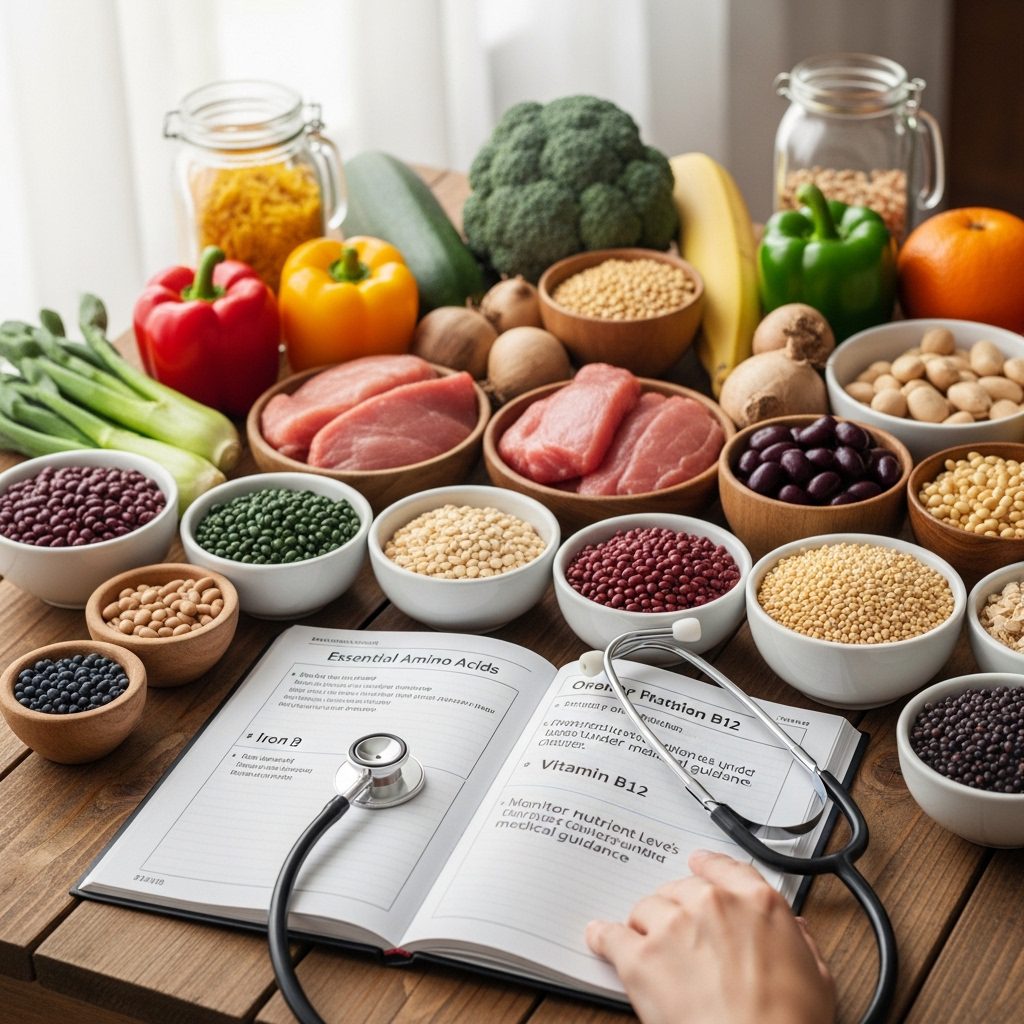
It’s important to ensure variety to obtain all essential amino acids and to monitor iron and vitamin B12 levels under medical guidance.
Common Mistakes to Avoid:
1. Focusing on quantity over quality.
2. Relying heavily on processed meats.
3. Skipping protein at breakfast.
4. Using supplements without medical need.
Official dietary guidelines consistently emphasize prioritizing whole, nutrient-dense foods over supplementation whenever possible.
Is More Protein Better?
Scientifically speaking, no.
Excessive protein intake does not translate into superior fetal growth. The body requires a specific range, and significantly exceeding it has no proven added benefit. In fact, overemphasizing protein may crowd out other important nutrients such as complex carbohydrates and fiber.
Meeting—but not dramatically exceeding—recommended levels is the safest approach.
A Balanced Practical Example:
For a pregnant woman needing approximately 75 grams daily:
- Breakfast: Two eggs (about 12 g) + fortified milk or plant-based alternative
- Lunch: 120 g (4 oz) chicken or fish (25–30 g)
- Snack: Yogurt or a handful of nuts (8–10 g)
- Dinner: Lentils or chickpeas (15–18 g)
This distribution meets daily protein needs comfortably without stress or complicated tracking. Flexibility matters more than strict precision.
Protein Within the Bigger Picture of Pregnancy Nutrition:
While protein is essential, it is only one piece of a broader nutritional framework that includes:
-
- Iron
- Folic acid
- Calcium
- Omega-3 fatty acids
- Adequate hydration
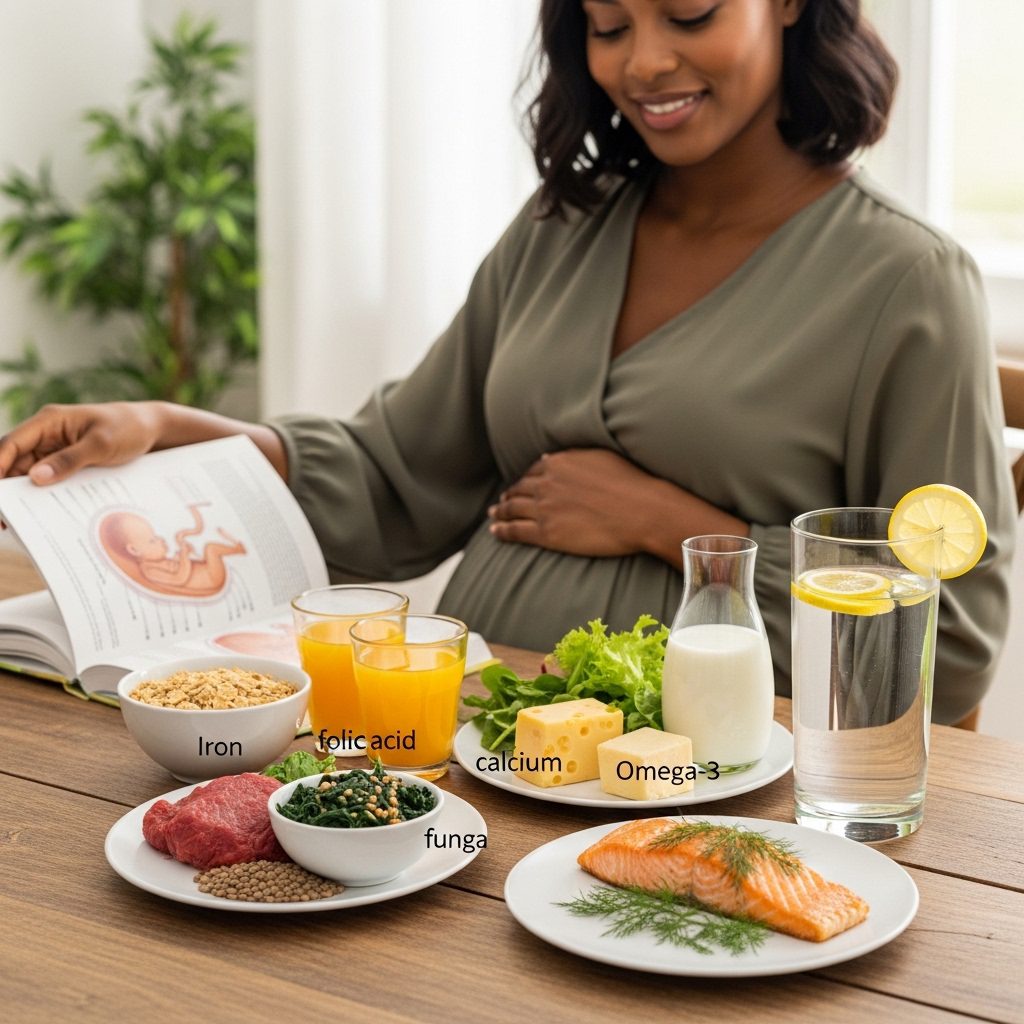
Focusing on one nutrient while neglecting others does not create optimal balance.
Bridging Science and Practical Application:
Meeting protein requirements during pregnancy is not complicated—but it does require awareness and simple planning.
Key takeaways:
1. Protein needs increase compared to pre-pregnancy levels.
2. Requirements can usually be met through diverse whole foods.
3. Supplements are rarely necessary.
4. Balance is more important than excess.
When you understand your body’s changing needs, nutritional choices become easier and more empowering.
If you’re looking for reliable, evidence-based nutrition guidance grounded in official health recommendations—and practical strategies for applying protein requirements during pregnancy in everyday life—we invite you to visit NutritionTravels.