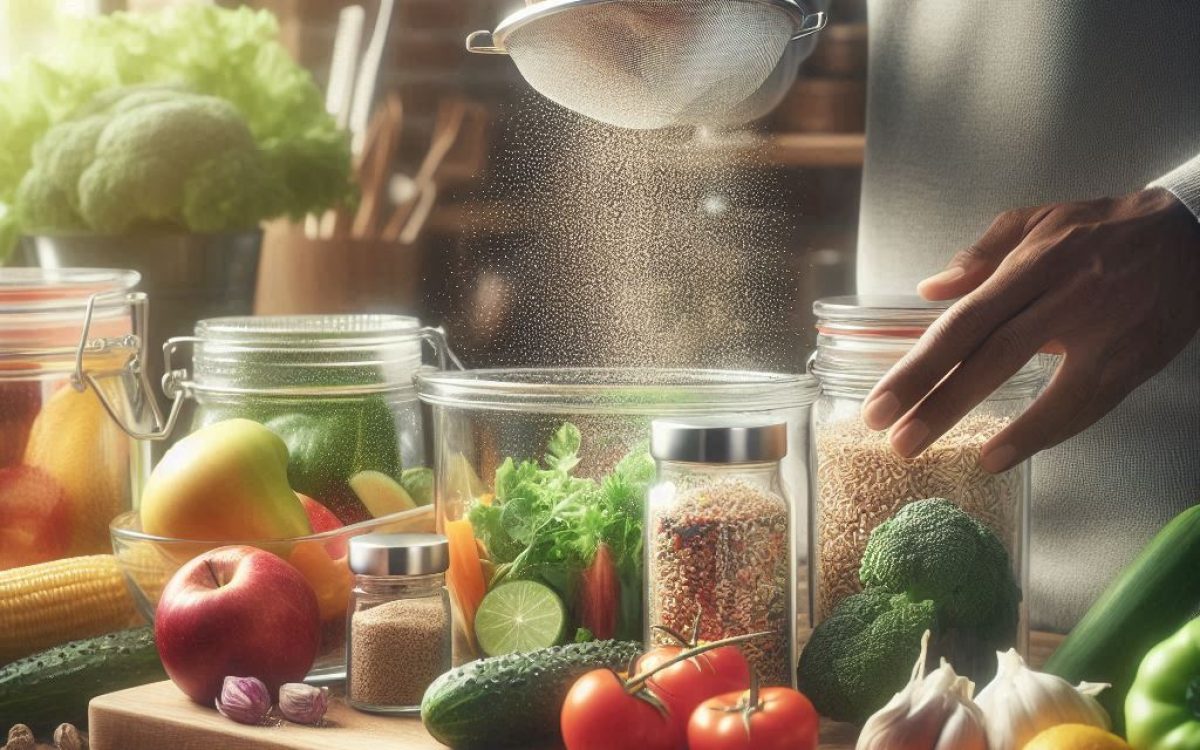
In recent years, discussions around microplastics have become increasingly common in scientific and health circles, especially within the field of nutrition. These extremely small plastic particles, often invisible to the naked eye, have found their way into the foods we consume daily—from water to fish, vegetables, and fruits. As some studies have begun to point to potential effects of these particles on human hormones, it has become natural for anyone interested in nutrition to feel concerned about their long-term impact on health.
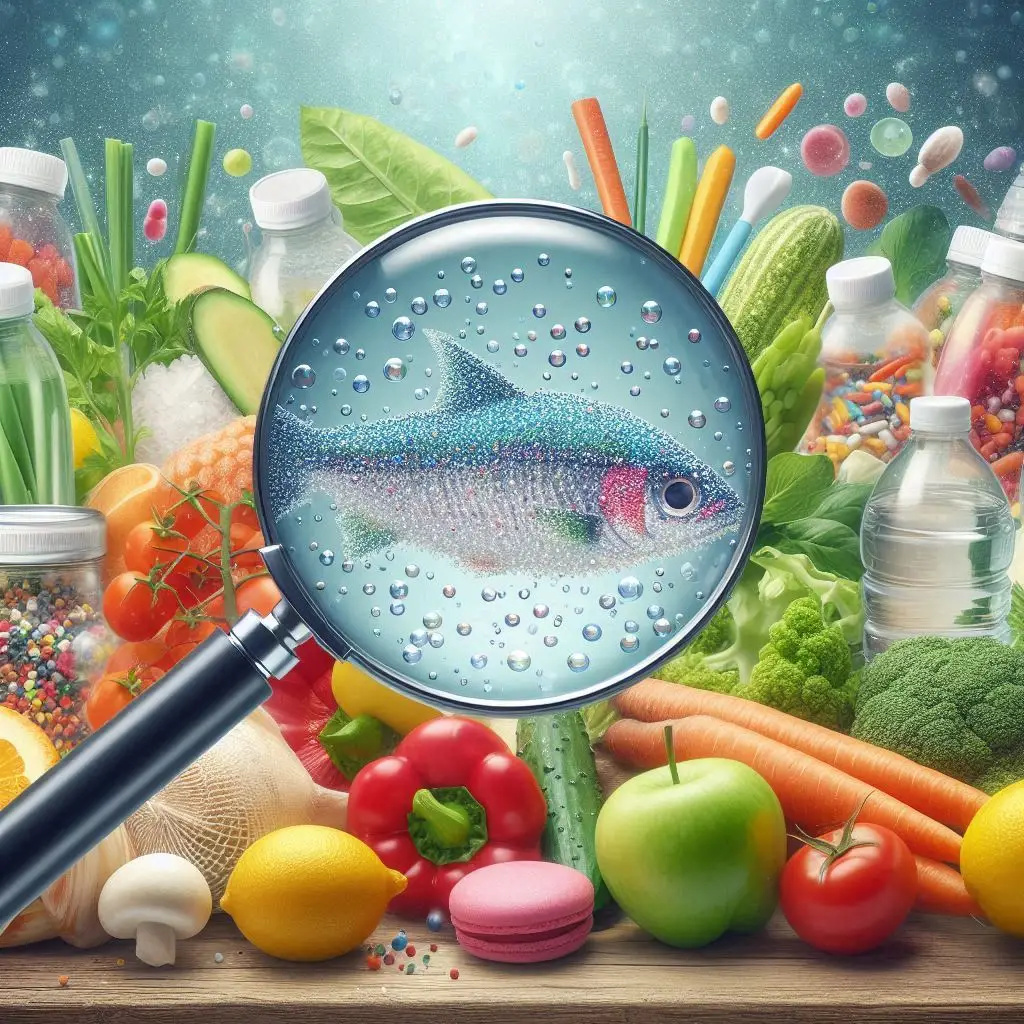
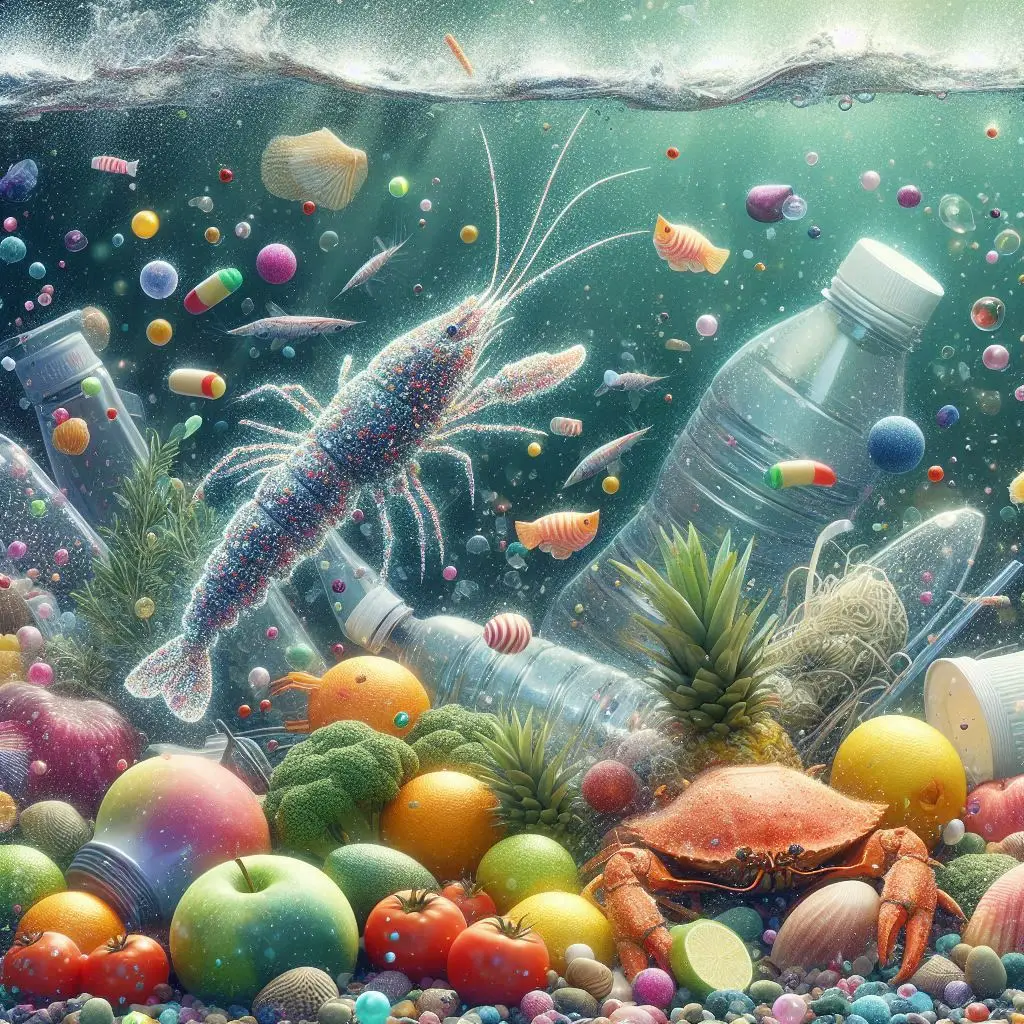
What Are Microplastics and How Do They Reach Our Food?
Microplastics are small plastic particles measuring less than 5 millimeters in length. They are among the most widespread and common pollutants on the planet, making their way into the air, water, and food, and potentially causing serious health damage.
The most common sources include:
- Industrial plastic materials: used in cosmetics and cleaning products.
- Plastic packaging and food containers: such as bags, food wraps, and plastic water bottles.
Due to this widespread presence, completely avoiding exposure is difficult. However, there are ways to significantly reduce it.
How Microplastics Affect the Body:
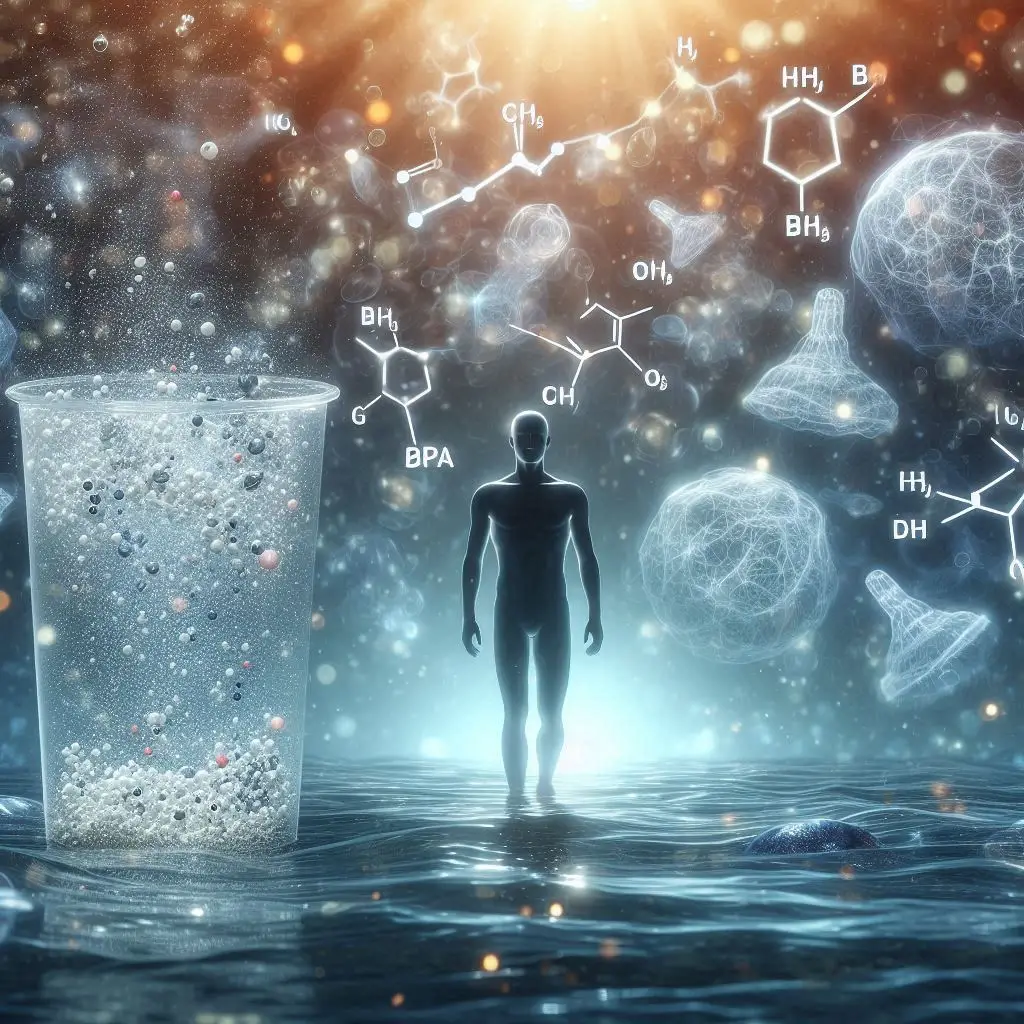
The main concern surrounding microplastics is related to the chemical compounds associated with plastics, such as BPA and phthalates. These substances may act as hormone disruptors, meaning they can interfere with the body’s natural hormonal system.
Research has shown that exposure to these chemicals may be associated with:
- Thyroid gland disorders, which affect metabolism and energy levels.
- Effects on sex hormones, such as estrogen and testosterone, potentially impacting fertility in some individuals.
- Increased chronic inflammation, which can negatively affect overall health.
Common Sources in Our Diet:
Research suggests that certain food sources may pose a higher risk than others:
1. Bottled water in plastic containers: Studies have found microplastics in a large percentage of bottled water, even from global brands.
2. Seafood: Fish and shellfish may contain plastic particles from polluted waters, especially when sourced from contaminated marine environments.
3. Processed and packaged foods: Foods that undergo long manufacturing and packaging processes may be exposed to plastics from packaging materials or production equipment.
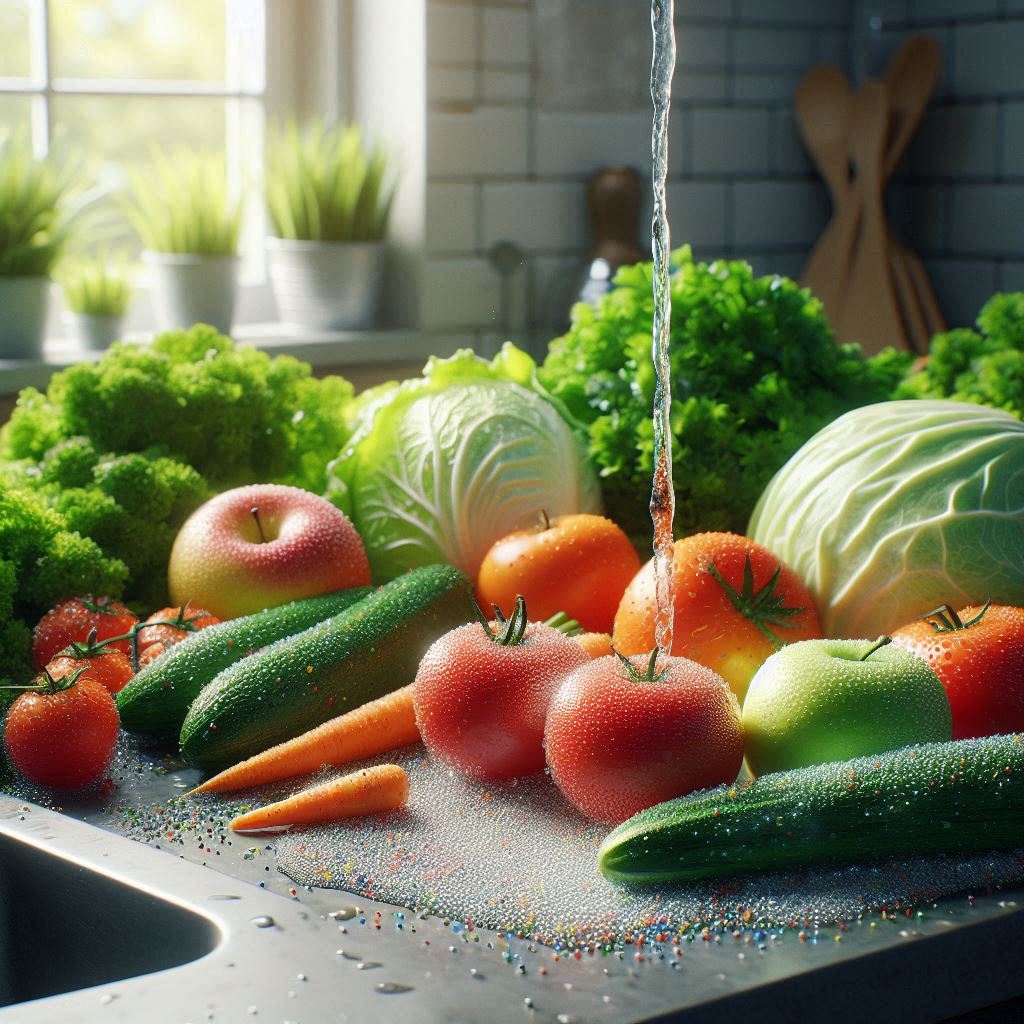
4. Fruits and vegetables: While generally less risky than seafood and bottled water, washing produce with contaminated water may increase the presence of small plastic particles on their surfaces.
Practical Tips to Reduce Exposure?
It is well known that prevention is better than cure. When it comes to microplastics, several practical measures may help reduce exposure:
1. Avoid heating food in plastic containers in the microwave, as heating plastic may release harmful chemicals and increase microplastic contamination.
2. Choose tap water instead of bottled water, as studies indicate that bottled water contains significantly higher levels of microplastic particles than tap water.
3. Limit the consumption of processed and packaged foods, as fresh and minimally processed foods help reduce the risk of ingesting plastic contaminants.
4. Reduce dust accumulation, since household dust contains microplastic particles; frequent cleaning may help minimize exposure.

The Role of Nutrition in Supporting the Body Against Microplastics:
Even with reduced exposure, the body still requires natural support to handle foreign substances that may enter it. Certain dietary habits may help support liver and kidney function, the primary organs responsible for detoxification:
1. Increasing fiber intake: from whole grains, legumes, fruits, and vegetables, as fiber helps improve digestion and eliminate toxins.
2. Foods rich in antioxidants: such as berries, cherries, tomatoes, and nuts, which help reduce inflammation caused by exposure to harmful substances.
3. Healthy fats: such as olive oil, avocado, and fatty fish, which support hormonal gland health and help reduce inflammation.
4. Maintaining proper hydration: as drinking clean water from a reliable source supports kidney function and toxin removal.
Microplastics in food are no longer a distant environmental issue; they have become a health concern that deserves attention, especially as evidence continues to grow regarding their potential effects on the human hormonal system. While completely avoiding exposure may be difficult, being aware of food sources, reducing reliance on plastics, and focusing on fresh, nutrient-dense foods can make a meaningful difference in lowering long-term exposure.
At Nutrition Travels, these modern nutrition-related issues are explored through a simplified scientific lens that connects everyday dietary choices with overall health—without focusing solely on calories or vitamins.