

In today’s world of travel and tourism, AI for Rare Dialects is becoming essential as discovering distant places and interacting with local residents turns into a unique experience sought by many adventurers. Imagine yourself in a remote village in the Andes Mountains, among the sand dunes of Central Africa, or on the banks of a distant river in Asia. There, English may not be understood, and even Google Translate may not know how to deal with the local dialect. Here, artificial intelligence emerges as an innovative solution that opens new horizons for communication and the travel experience.

Why Tourists Struggle to Communicate in Rare Dialects?
Remote villages often preserve their own dialects, which may be derived from ancient languages or a mixture of several local languages. These dialects are often not fully documented, and therefore do not appear in traditional translation applications. For a tourist, this means great difficulty in ordering food, understanding local traditions, or even knowing the names of tourist attractions. Sometimes, the travel experience can turn into a real challenge because of the language barrier.
But tourism today is not only about viewing natural landscapes; it is about real communication with local people, understanding their stories, and experiencing their daily customs.
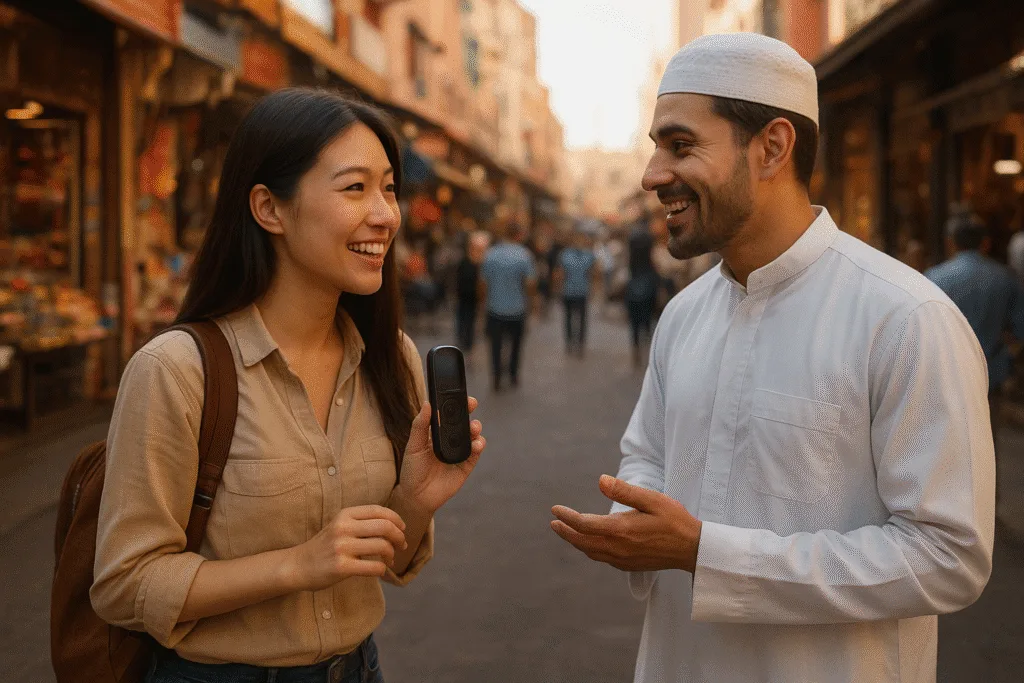
AI for Rare Dialects as a Bridge Between Cultures:
Recent developments in artificial intelligence have made it possible to deal with rare dialects. There are systems based on deep machine learning that can analyze sounds and words, even if they are rarely used. These systems can learn speech patterns, phonetic segments, and even local expressions to provide accurate translation.
For example, artificial intelligence can analyze an audio recording of a person speaking in a rare dialect, then convert it into understandable text in English or Arabic, or even into text readable on a smartphone. This allows the tourist to ask for directions, understand descriptions of local foods, or learn about traditional events in ways that were not possible just a few years ago.
How Can This Change the Travel Experience?
Good communication greatly enhances the travel experience. Instead of simply looking at natural landmarks or ancient cities from the outside, it becomes possible to interact with residents and form genuine friendships.
AI for rare dialects can be a companion for adventurers willing to step off the usual tourist path.
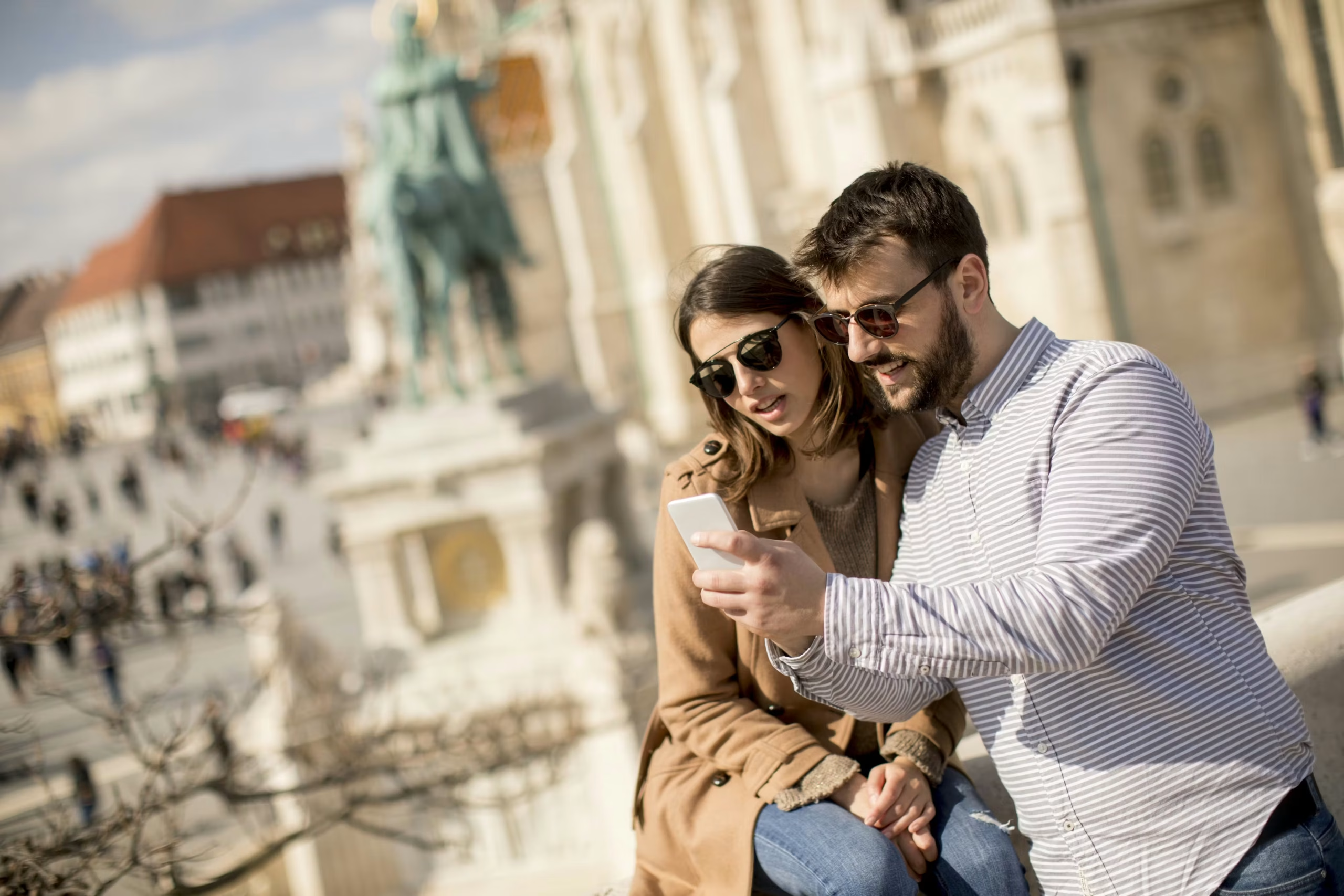
Safety and Cultural Understanding:
Effective communication is not limited to speaking or listening; it is also a way to understand culture and respect local customs. When a tourist can understand local instructions, speak with village elders, or even participate in small festivals, the travel experience becomes even richer.
Artificial intelligence acts as an intermediary that can reduce misunderstandings. For example, some words in rare dialects may carry multiple meanings depending on the context.
Challenges and the Future:
Of course, there are some challenges. Training artificial intelligence on rare dialects requires real audio recordings from local residents, which can be difficult in some remote areas. Additionally, some dialects may contain sounds or phonetic elements that the outside world has never encountered before, requiring very advanced technologies in phonetic analysis.
Nevertheless, the future looks promising. Many projects now focus on documenting and preserving local dialects, not only for tourism communication purposes but also to protect cultural heritage. In the near future, smart translation devices capable of understanding every local dialect may become part of every traveler’s luggage.
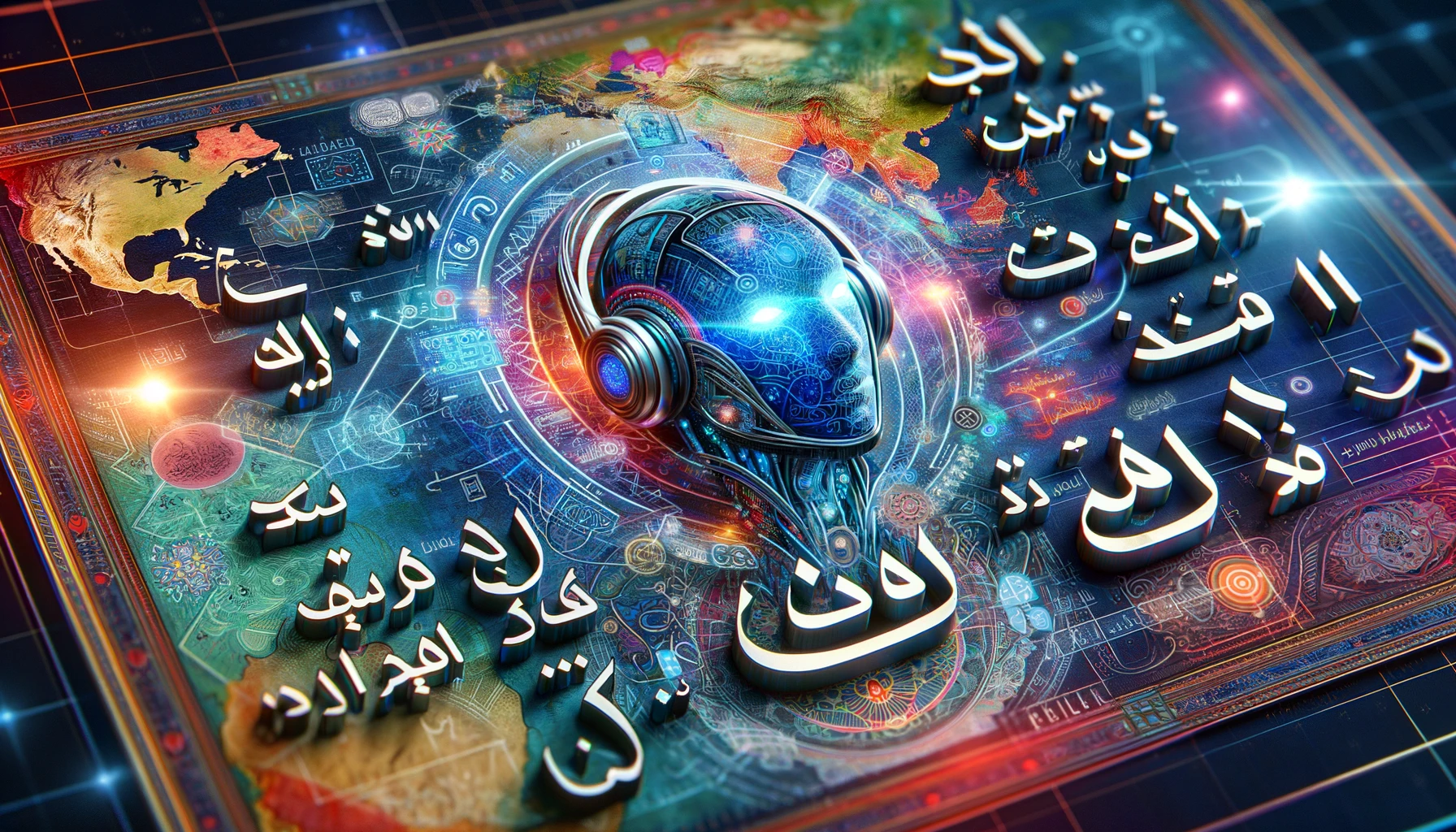
Exploratory travel is not just about discovering new places; it is an experience of communication and understanding diverse cultures. AI for rare dialects opens new horizons for travelers who wish to go to distant places and interact with residents in a deeper and more meaningful way.
With the continued development of these technologies, traveling to remote villages will become easier and more enjoyable, where anyone can feel like part of the local community, even if their language is far from English or other global languages. At Nutrition Travels, you can find all the information about using artificial intelligence for rare dialects and the best travel destinations for exploration and authentic cultural connection.