

Have you ever felt like your memory isn’t as sharp as it used to be? Do you forget appointments, names, or even what you were about to do just moments ago? Many people assume that memory loss only happens with aging — but modern research reveals a surprising truth: your diet may be one of the biggest factors determining whether your brain stays sharp or slowly fades over time.
In this article, we’ll explore the powerful relationship between food and memory loss, uncover the foods that damage your brain, and discover the ones that can protect and restore cognitive function — naturally and deliciously.
How Does Diet Affect the Brain and Memory?
It may sound surprising, but the brain is not isolated from your digestive system. In fact, scientists often refer to the gut as the “second brain”, because what you eat directly impacts your mental clarity, mood, and ability to remember information.
-
- Refined sugars cause rapid spikes in blood sugar followed by sudden crashes — leading to brain fog and temporary memory loss.
- Trans fats found in fast food and processed snacks trigger inflammation in brain cells, weakening neural connections.
- On the other hand, foods like fatty fish, berries, and nuts provide essential nutrients that strengthen memory and protect brain cells from damage.
In short: your memory is a reflection of your daily food choices.

Common Causes of Memory Loss — Many Start on Your Plate!
There are several factors that contribute to memory loss, and many are linked to everyday habits:
| Cause | Effect on Memory |
| Lack of sleep | Reduces the brain’s ability to store information |
| Chronic stress | Shrinks the hippocampus — the brain’s memory center |
| Vitamin deficiencies | Especially B12 and Omega-3 |
| High sugar and refined carbs | Accelerate brain aging |
| Dehydration | Slows communication between brain cells |
Notice how three out of five causes are directly related to diet and hydration!
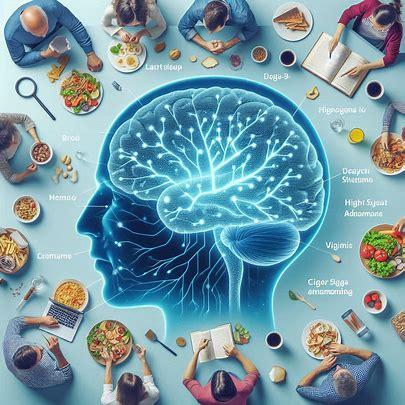
Foods That Cause Memory Loss — Avoid Them Immediately
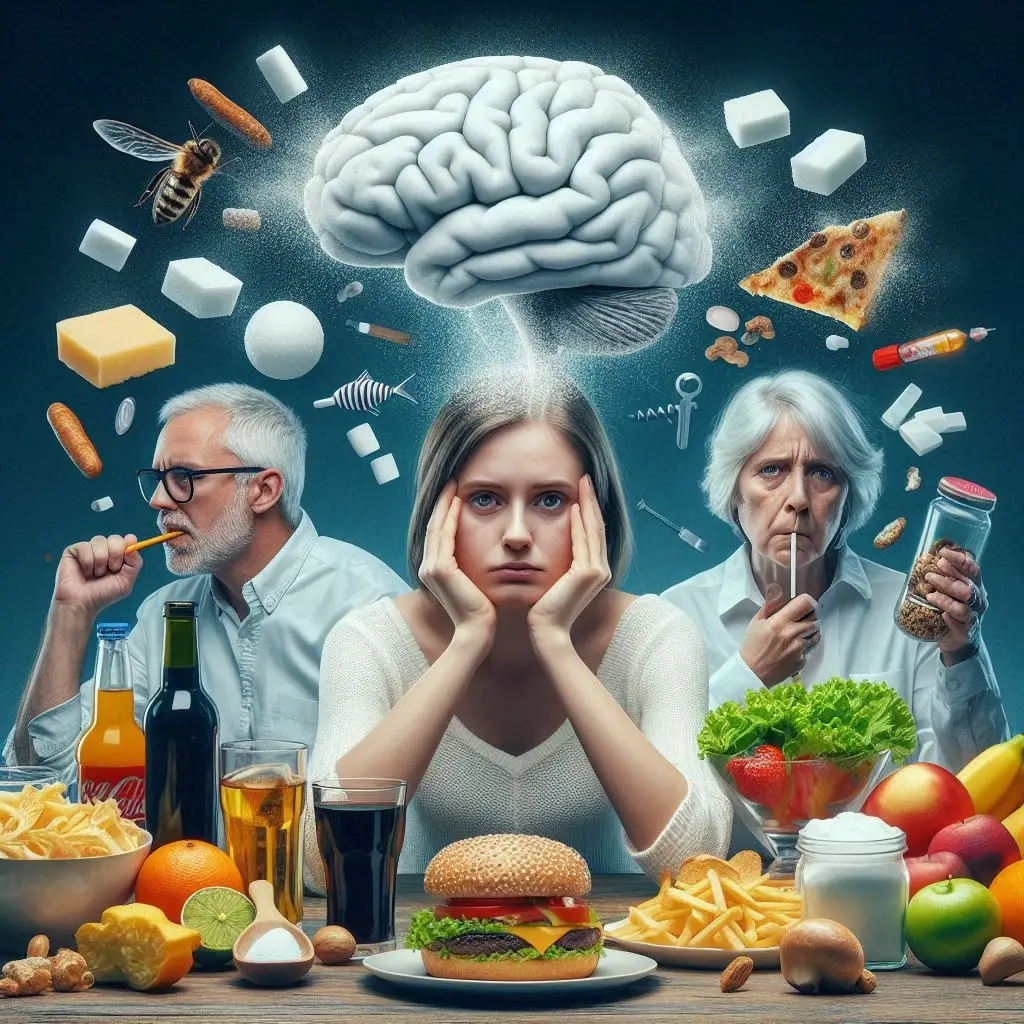
Before we talk about brain-boosting foods, let’s expose the silent memory-killers that many people consume daily. These foods may seem harmless, but they slowly erase memory function over time.
1. White Sugar and Soft Drinks
Excessive sugar doesn’t just cause weight gain — it acts like a neurotoxin, exhausting your brain and reducing its ability to process and store information. Over time, it leads to brain fog and difficulty focusing.
2. Trans Fats (Found in Fried and Fast Foods)
These harmful fats restrict blood flow to the brain and trigger inflammation in nerve cells, contributing to long-term memory loss and increasing the risk of early dementia.
3. Alcohol and Smoking
More than bad habits — they are memory destroyers. Alcohol prevents your brain from forming new memories during sleep, while smoking reduces oxygen supply, weakening cognitive performance over time.
4. Processed and Preserved Foods
Canned and packaged foods are often loaded with nitrates and MSG, which disrupt neurotransmitter balance. Frequent consumption can lead to headaches, poor concentration, and short-term memory loss.
5. Low-Fat Artificial Products
Marketed as “healthy,” but when natural fats are removed, they’re often replaced with excess sugar and artificial additives — creating a double threat to the brain.
6. Excessive Salt Intake
High sodium increases blood pressure and affects the brain’s small blood vessels, leading to cognitive decline. Studies show that reducing salt can improve memory performance within weeks.
7. High-Caffeine Drinks (When Overconsumed)
A moderate cup of coffee is beneficial — but over-reliance on caffeine overstimulates the nervous system and interrupts deep sleep, preventing memory consolidation.
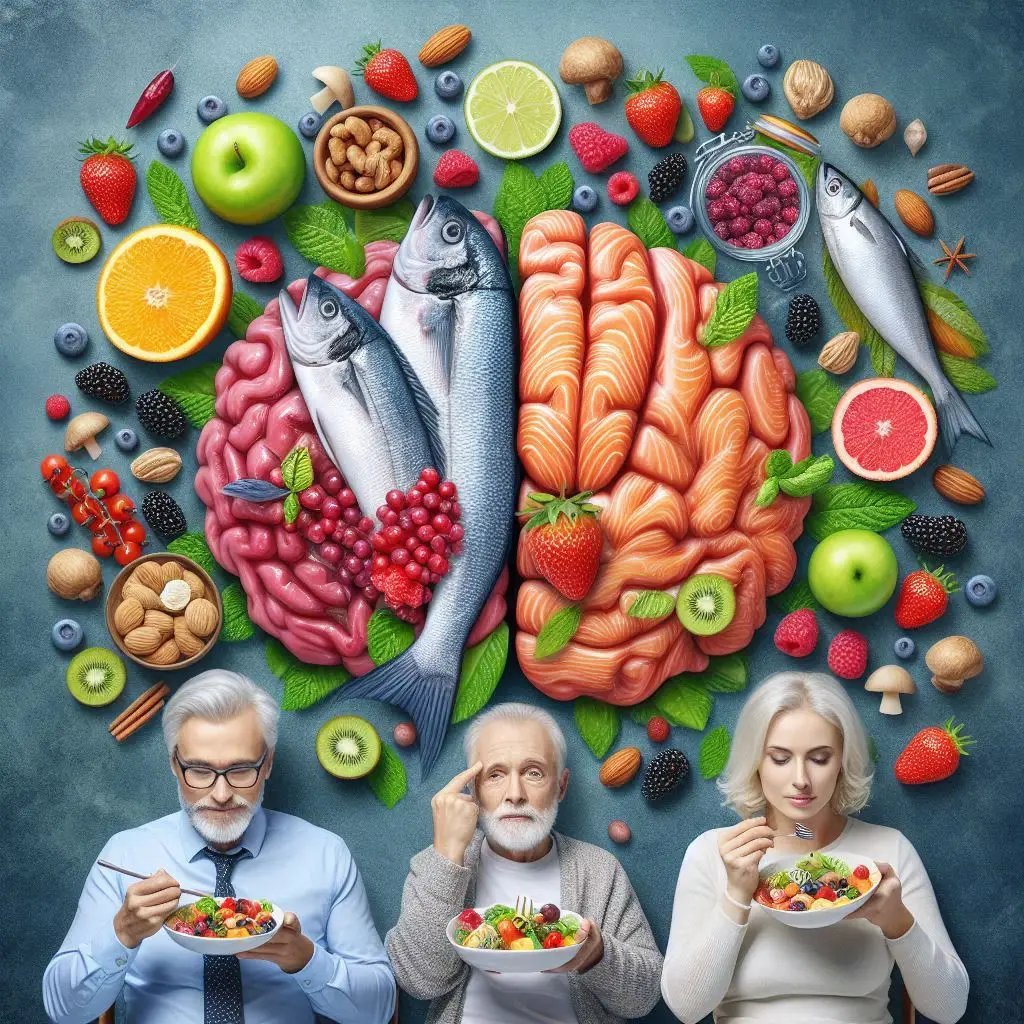
Powerful Foods That Protect You from Memory Loss
Fortunately, there are foods that act as “brain fuel”, helping improve focus and shielding your mind from deterioration. Here are the top choices:
1. Fatty Fish (Salmon, Sardines, Tuna)
Rich in Omega-3 fatty acids, which build the protective membranes around brain cells and prevent age-related memory loss.
2. Berries of All Kinds
Packed with antioxidants that fight free radicals — the main culprits behind brain cell damage.
3. Nuts (Almonds, Walnuts, Pecans)
Loaded with Vitamin E, a powerful antioxidant shown to slow down memory decline.
Sample Daily Meal Plan to Prevent Memory Loss
If you want to protect your brain today and reduce the risk of future memory loss, here’s a simple and practical plan you can start immediately:
Breakfast :
-
- Oats with milk + a handful of berries or strawberries
- A cup of coffee or green tea (without refined sugar)
Oats provide slow-releasing energy for the brain, and berries fight inflammation that leads to memory loss.
Snack :
-
- 5–7 walnuts or almonds
Lunch :
-
- Grilled fish (salmon / sardines / tuna)
- Green salad with olive oil
Omega-3 in fish is one of the strongest dietary defenses against memory loss, while olive oil improves blood flow to the brain.
Second Snack :
-
- A small piece of dark chocolate (70% cocoa or more)
Dinner :
-
- Steamed vegetables (broccoli / spinach / carrots)
- Grilled chicken breast or cooked lentils
Before Bed :
-
- A warm cup of golden milk (milk + turmeric + honey)
Golden Tips to Prevent Memory Loss as You Age
1- Stay hydrated — even mild dehydration can reduce focus by 20%
2– Prioritize sleep — getting less than 6 hours increases the risk of memory loss
3- Avoid added sugars — they are the brain’s number one enemy
4- Move daily — even a 20-minute walk boosts blood flow to the brain
5- Train your brain — read, solve puzzles, or learn a new skill
You Control Your Memory’s Future!
Many believe that memory loss is something we can’t control — but in reality, it starts with small daily choices. Every meal you eat either strengthens your brain… or silently weakens it.
Choose your food wisely
Drink what fuels your mind
And remember — what you eat today is what you’ll remember tomorrow
Would you like me to send you a printable list of the top 20 brain-protecting foods + a ready-made weekly meal plan?
Just type: “Send me the Memory Plan” and I’ll prepare it immediately!
And don’t forget to visit nutritiontravels — where we share practical articles and tips that help you protect both your physical and mental health every day.