
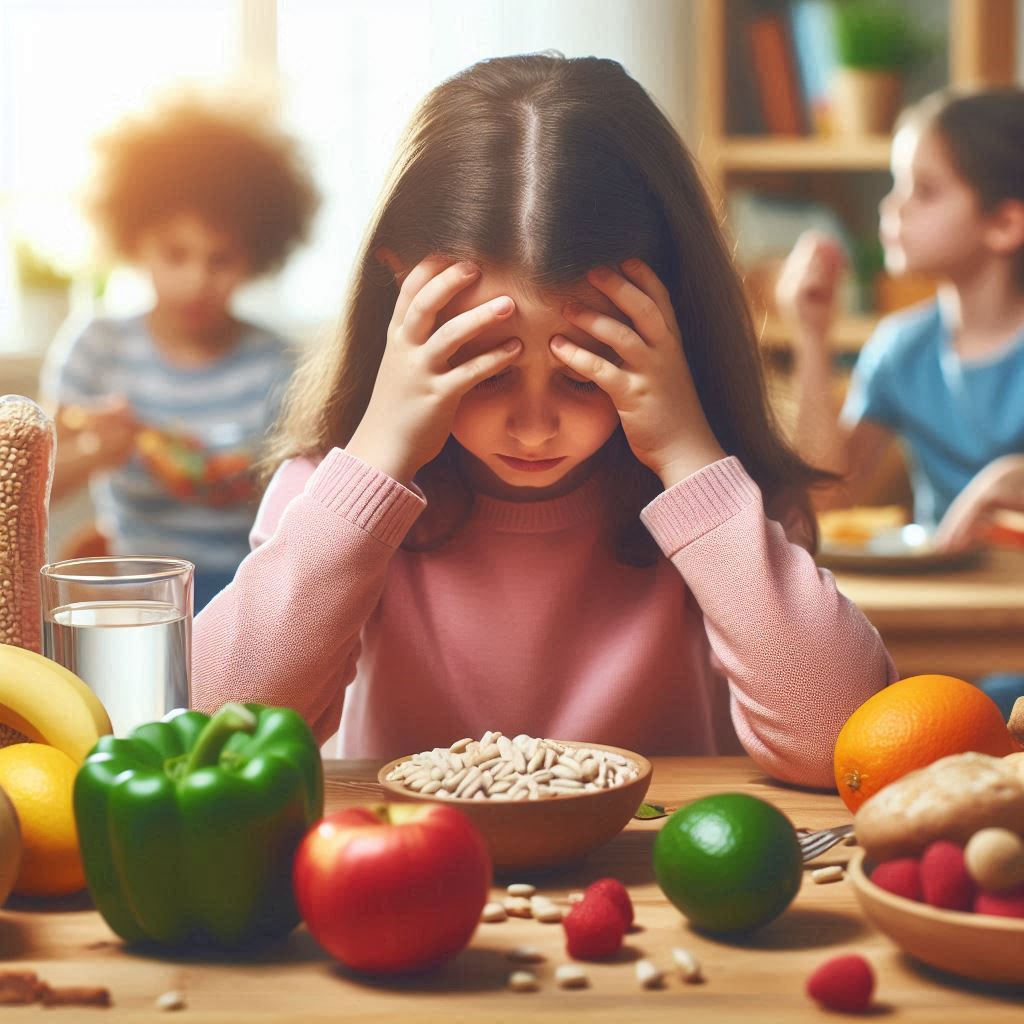
Kids Nutrition for Hyperactivity is a growing concern for many parents who face daily challenges with their child’s irritability or hyperactivity. These behaviors can affect the child’s sleep, learning, and even social relationships. While parenting and patience are essential factors, nutrition also plays a subtle yet powerful role in helping children achieve emotional and physical balance. What we put on our child’s plate not only affects their physical health but also influences their brain, emotions, and behavior.
In this article, we will explore the relationship between food and a child’s behavior, highlight the best foods that can help calm nerves and reduce hyperactivity, and point out the foods that should be avoided to maintain your child’s balance.
Kids Nutrition for Hyperactivity: How Food Affects Behavior:
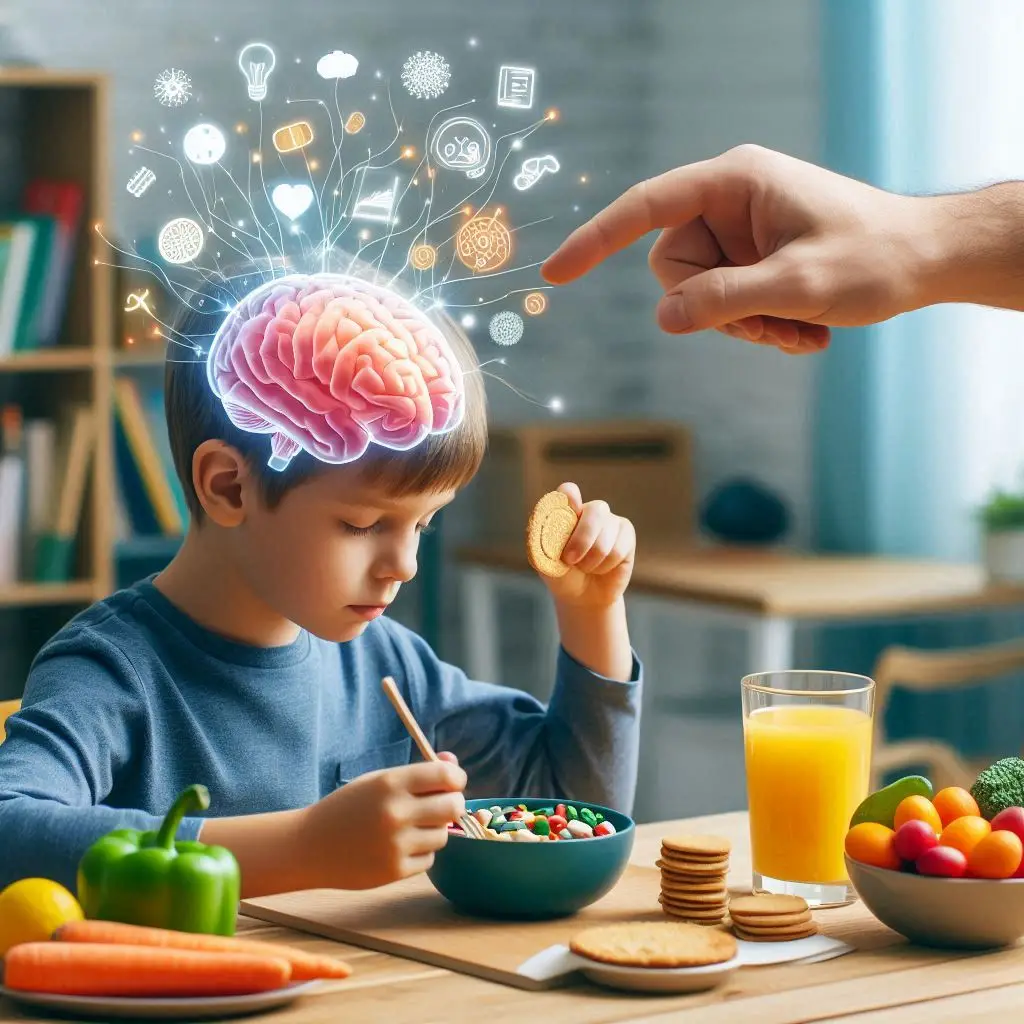
Food is the body’s main fuel, but it is also the most important fuel for the brain. Certain nutrients support the production of neurotransmitters such as serotonin and dopamine, which regulate mood and focus. A deficiency in some vitamins and minerals can lead to irritability or poor concentration.
1. White sugar: causes a sudden spike in energy followed by a crash, making the child more irritable.
2. Protein-rich foods: help stabilize blood sugar levels, providing a longer-lasting sense of calm.
3. Omega-3 fatty acids: play a vital role in brain health and reducing impulsivity.
In short, what a child eats can strongly influence how they behave and feel throughout the day.
Best Foods in Kids Nutrition for Hyperactivity:
1. Omega-3 Rich Foods:
Fatty fish such as salmon, tuna, and sardines are excellent sources.
- Benefit: Healthy fats improve brain function, enhance focus, and calm the nervous system.
- Serving idea: Grill the fish with herbs or prepare homemade healthy fish fingers.
2. Eggs:
Eggs are rich in protein and choline, two key nutrients that support brain function and boost concentration.
- Serving idea: A balanced egg-based breakfast is a great start to the day.

3. Green Leafy Vegetables:
Spinach, broccoli, and kale are packed with vitamins and minerals that regulate the nervous system and reduce stress.
- Serving idea: Add them to salads or blend them into fruit smoothies.
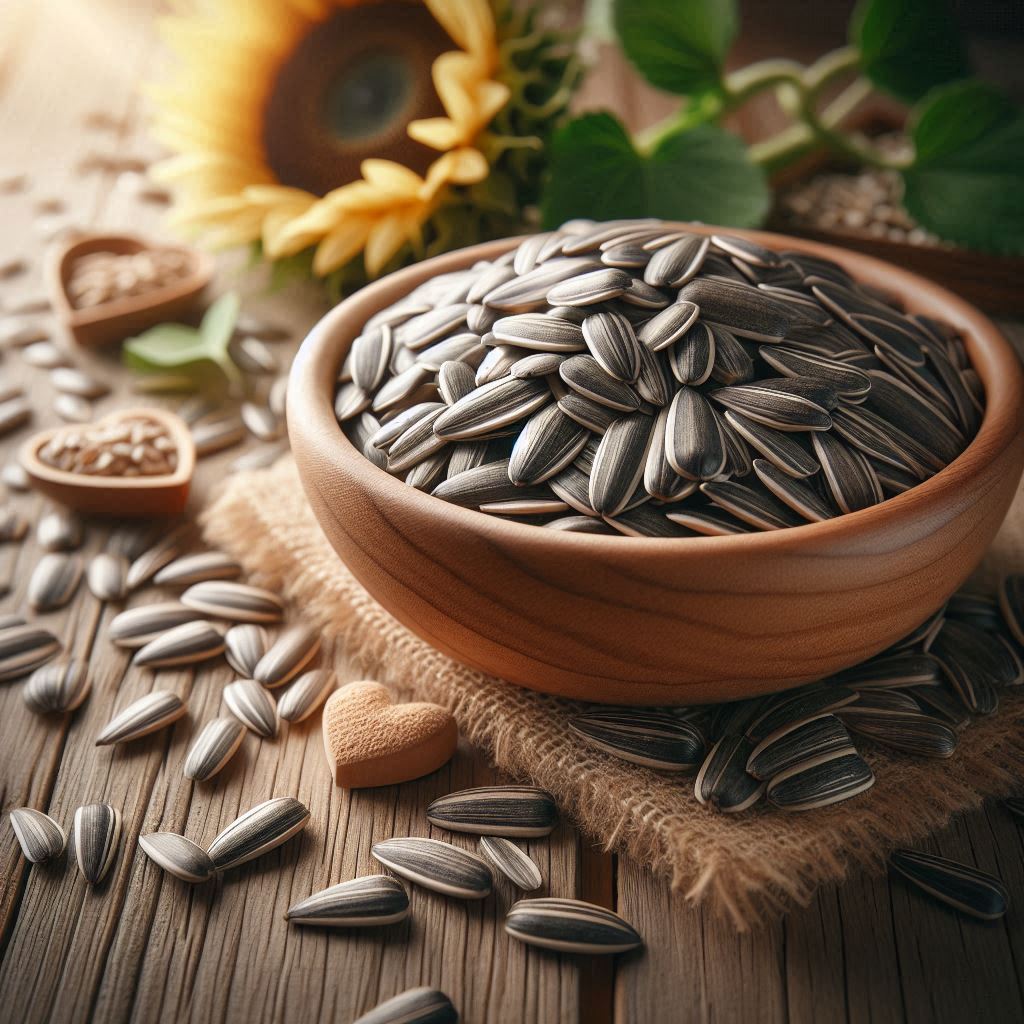
4. Nuts and Seeds:
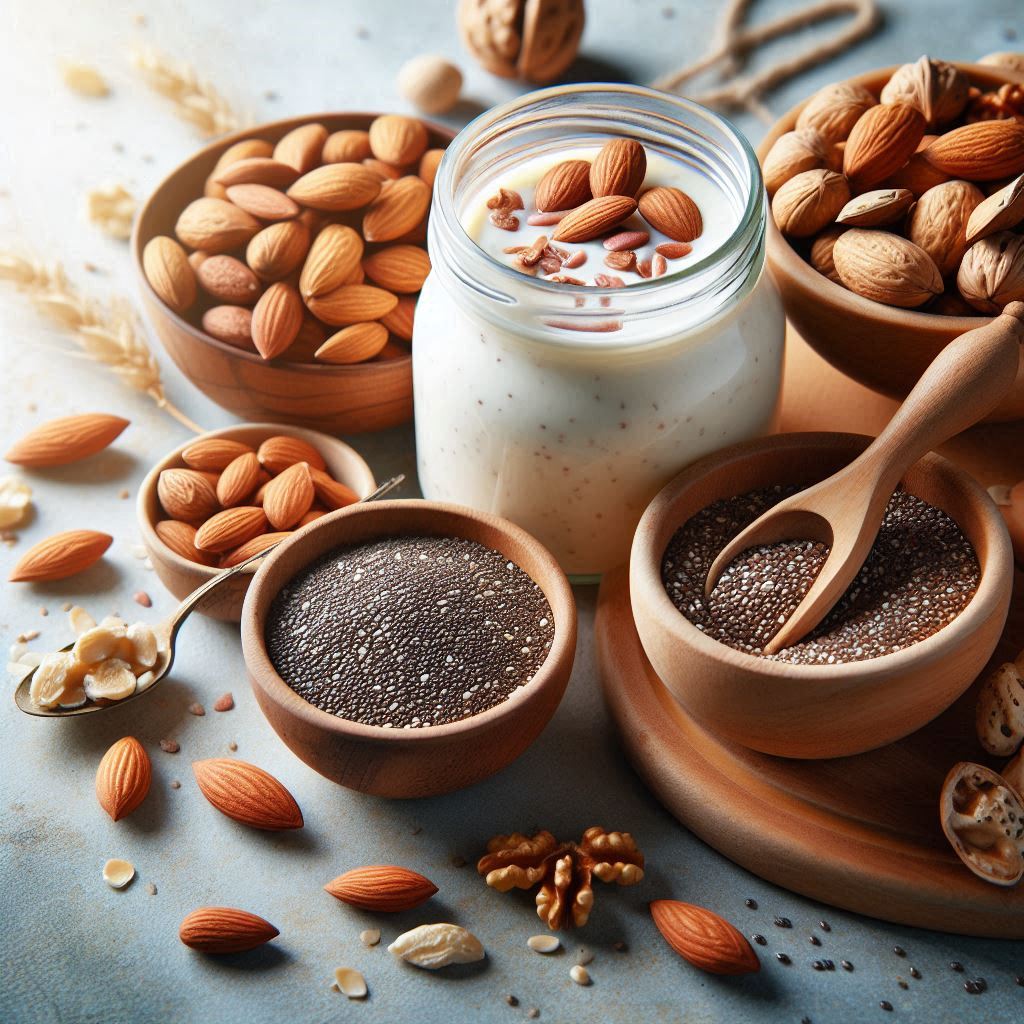
Almonds, walnuts, chia seeds, and flaxseeds are full of healthy fats and proteins that support nervous system health.
- Serving idea: Grind and sprinkle them over yogurt or blend them into smoothies.
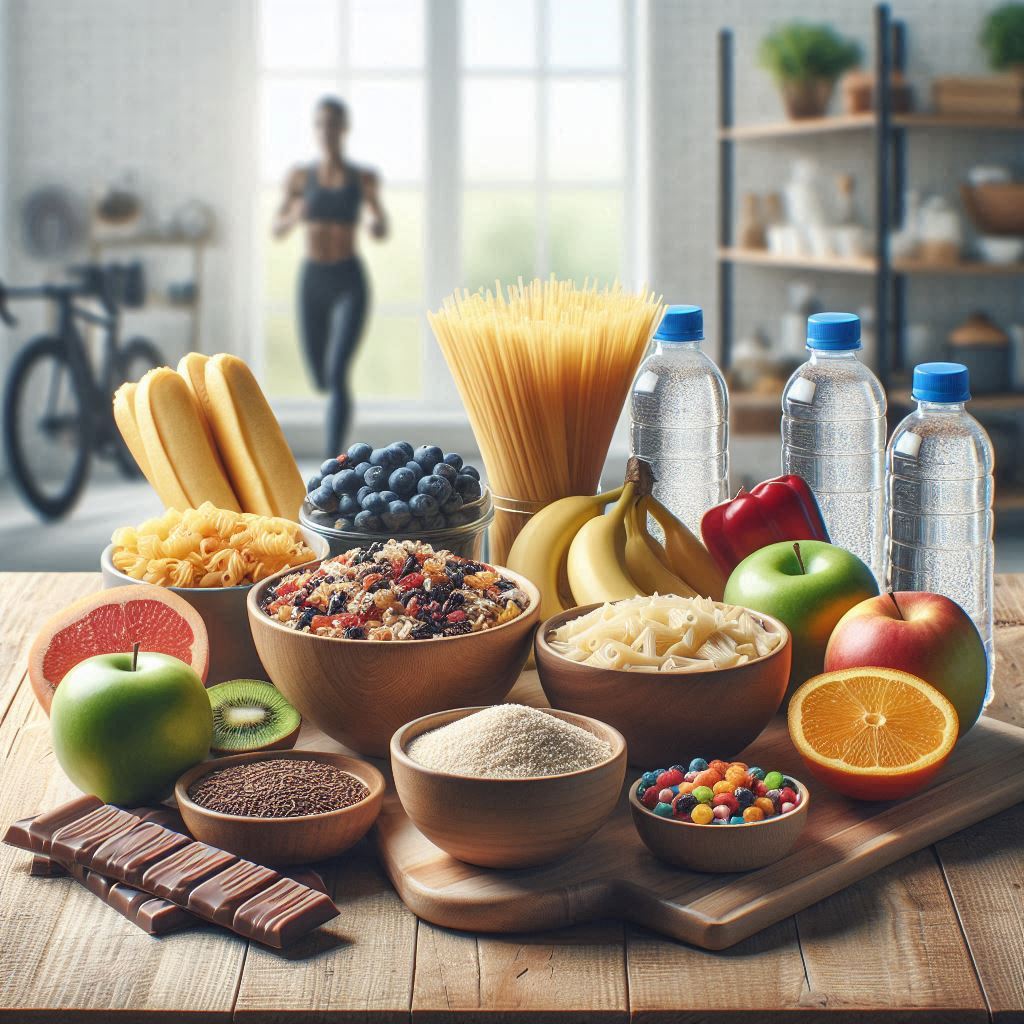
5. Fresh Fruits:
Bananas, apples, berries, and oranges provide natural energy and help improve mood and calmness.
- Serving idea: Banana slices with natural peanut butter make a perfect snack.
6. Magnesium-Rich Foods:
Oats, nuts, avocados, and beans are excellent sources of magnesium.
- Benefit: Magnesium helps relax the nervous system and reduces anxiety.
7. Whole Grains:
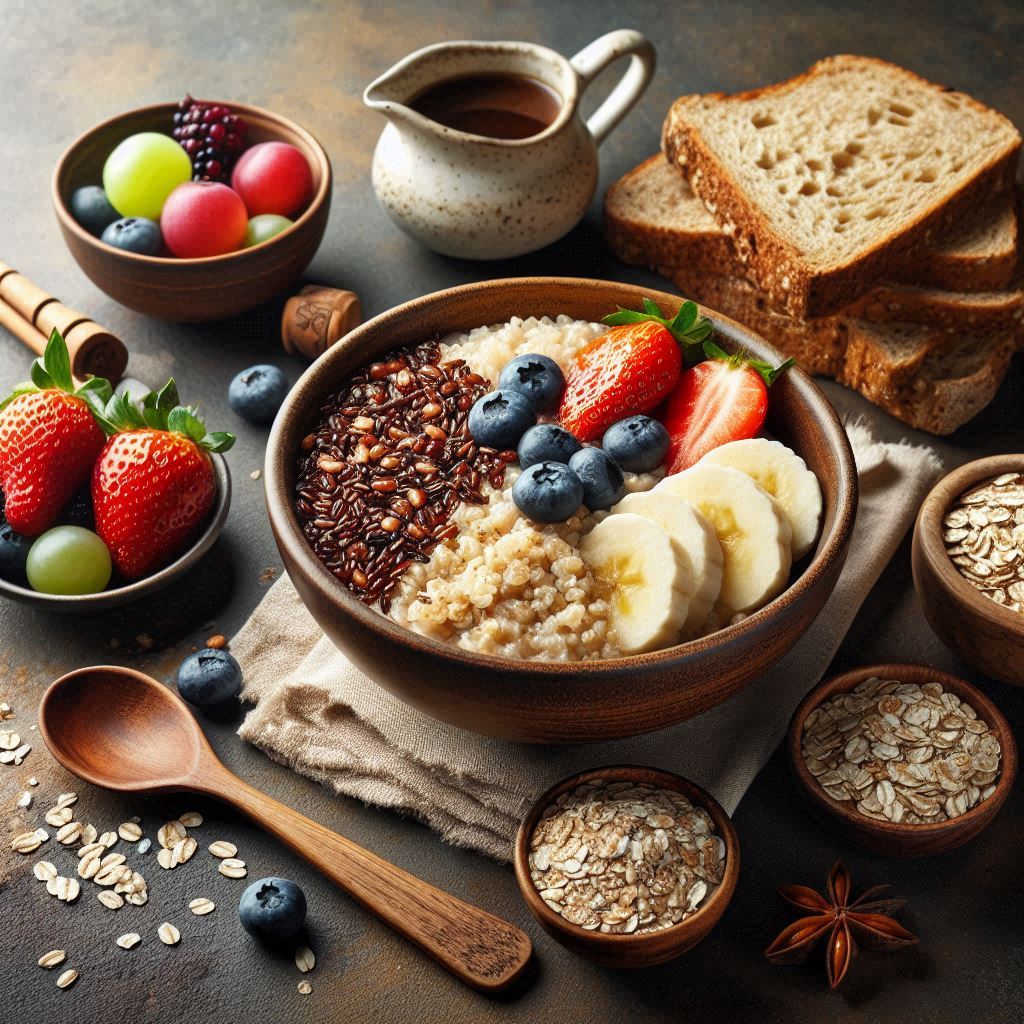
Brown rice, quinoa, and whole-grain bread provide sustainable energy and help stabilize blood sugar, reducing stress and hyperactivity.
- Serving idea: A warm bowl of oatmeal with fresh fruit is a healthy breakfast.
Foods to Avoid in Kids Nutrition for Hyperactivity:
1. Sugars: Sweets, soft drinks, and packaged juices cause energy spikes followed by irritability.
2. Preservatives and artificial colors: Linked to increased hyperactivity in children.
3. Caffeine: Found in chocolate and soft drinks, raises tension and disrupts sleep.
4. Fast food: Burgers, fries, and similar meals lack nutrients and worsen mood swings.
Nutrition is not a magic cure for irritability or hyperactivity, but it is a key factor in achieving emotional and physical balance. By including foods rich in magnesium, omega-3 fatty acids, and healthy proteins, while limiting sugars and processed foods, you can notice a positive difference in your child’s behavior, focus, and calmness.
Your child doesn’t just need love and care — they also need balanced nutrition that provides stability and peace of mind. With patience and consistency, real change begins with the spoon you place in their hand.
At Nutrition Travels, we are committed to providing you with scientific insights and practical tips to help you choose the best diet for your child, so they can enjoy the balance they need for healthy growth, well-being, and behavior.