
Pregnancy is a beautiful journey filled with excitement, but it also comes with responsibilities. Your body is no longer only sustaining you; it’s building a new life. That’s why proper nutrition isn’t just a choice—it’s essential. Among all the nutrients you need, two stand out as the most important: iron and folic acid.
These aren’t just supplements your doctor suggests casually. They are the foundation for a healthy pregnancy and a strong start for your baby. In this article, we’ll explore why they matter most, where to find them, and how to make sure you’re getting enough.
Iron: The Oxygen Carrier
Iron plays a central role in forming hemoglobin, the protein in red blood cells that carries oxygen throughout your body. During pregnancy, your blood volume increases significantly to support your baby’s growth, which makes your iron needs much higher than usual.
Benefits of Iron:
- Prevents anemia and the fatigue that comes with it.
- Delivers oxygen to your baby for healthy growth.
- Supports your immune system and keeps your energy up.
Risks of Iron Deficiency:
- Constant fatigue and weakness.
- Higher risk of preterm birth or low birth weight.
- Increased vulnerability to infections.
Folic Acid: The Protector of Early Development
Folic acid, a form of vitamin B9, is essential for cell growth and the formation of new tissues. It is especially critical in the first weeks of pregnancy, often before many women even realize they are pregnant.
Benefits of Folic Acid:
- Prevents neural tube defects such as spina bifida.
- Helps form healthy red blood cells.
- Supports brain and spinal cord development in the baby.
Risks of Folic Acid Deficiency:
- Increased risk of birth defects.
- Poor blood formation.
- Growth and developmental problems for the baby.
How to Spot Early Warning Signs
Your body often gives signals when iron or folic acid is running low. Look out for symptoms like pale skin, brittle nails, shortness of breath, dizziness, or frequent headaches. For folic acid deficiency, signs may include mouth sores, poor appetite, or unusual tiredness. Recognizing these early allows you to act quickly with your doctor’s guidance and prevent complications.

Food Sources of Iron and Folic Acid
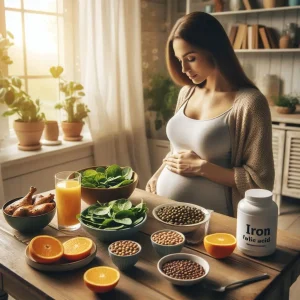
Iron-Rich Foods:
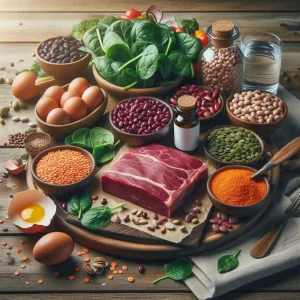
- Red meat (like beef and liver)
- Poultry and fish
- Lentils and beans
- Spinach and leafy greens
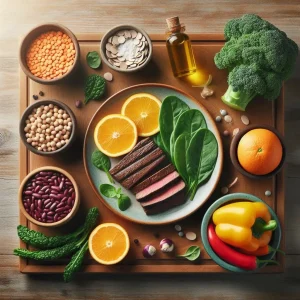
Tip: Pair iron-rich foods with vitamin C (like citrus fruits or bell peppers) to improve absorption.
Folic Acid-Rich Foods:
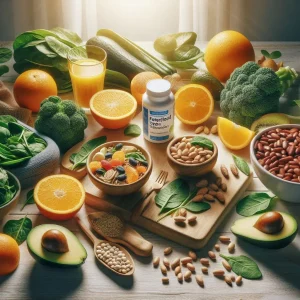
- Dark leafy greens (spinach, kale)
- Legumes (lentils, chickpeas, beans)
- Citrus fruits (oranges, lemons)
- Fortified cereals and supplements recommended by your doctor
Do You Really Need Supplements?
While food is the best source of nutrients, it’s often challenging to get enough iron and folic acid through diet alone during pregnancy. That’s why doctors usually recommend daily supplements:
- Iron: About 27 mg per day during pregnancy
- Folic Acid: At least 400–600 mcg per day, ideally starting 3 months before conception

Timing Matters
Consistency is key when it comes to supplements. Folic acid is most effective when taken before conception and during the first trimester, while iron needs increase steadily throughout pregnancy. Missing doses occasionally won’t harm, but regular daily intake ensures your baby gets uninterrupted support for growth and development. Think of it as a long-term investment in both your health and your baby’s future.
Practical Tips for Expecting Moms
- Aim for balanced meals with protein, vegetables, and whole grains.
- Limit tea and coffee, which reduce iron absorption.
- Take your supplements consistently as prescribed.
- Get regular blood tests to monitor iron and hemoglobin levels.

Pregnancy may feel overwhelming, but knowledge is your best ally. Iron and folic acid are not just nutrients—they’re building blocks for your baby’s future and your own well-being. Take care of yourself, follow your doctor’s advice, and make nutrition a priority.
For more practical pregnancy and nutrition tips, explore our articles on Nutrition Travels—your trusted guide to a healthier journey for you and your family.