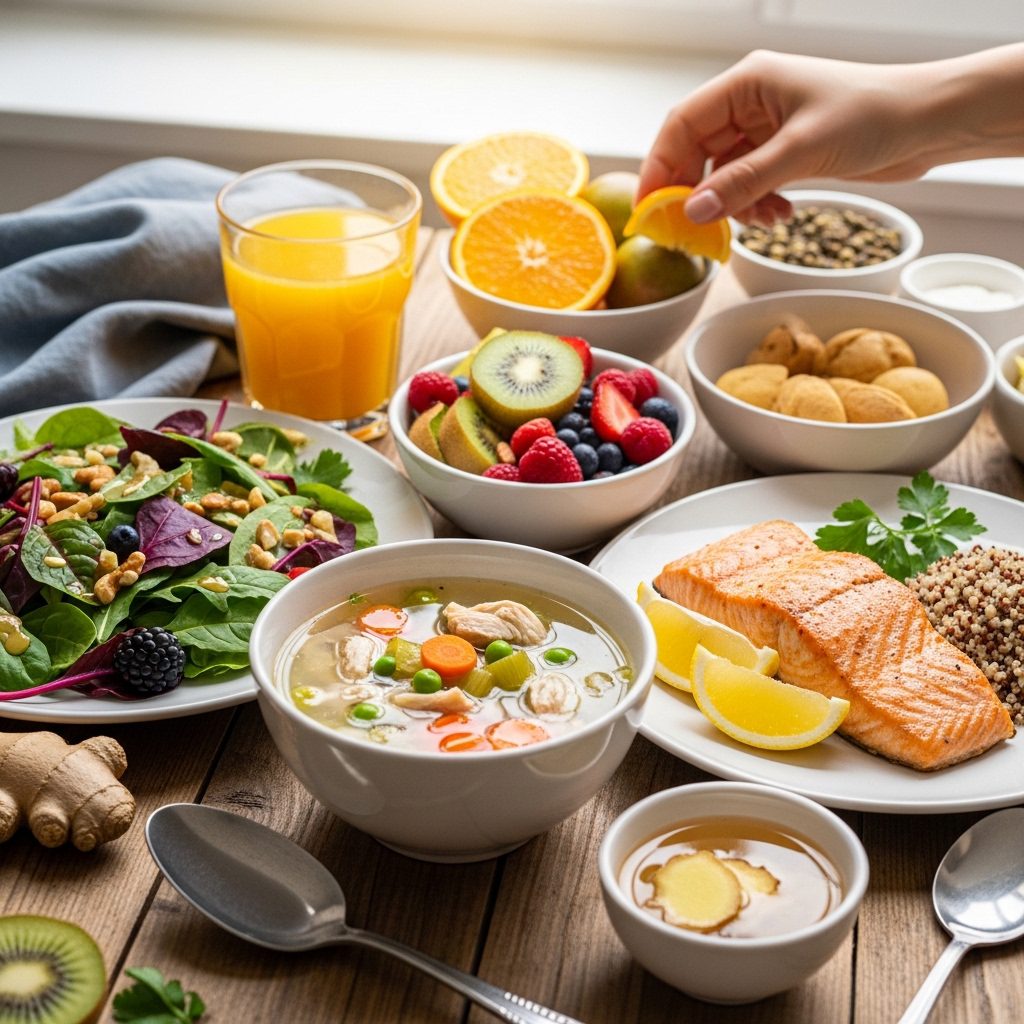

Do you think eating healthy always requires a big budget? The truth is, you can enjoy nutritious and delicious meals without breaking the bank, simply by planning smart and making the right choices. In this guide, we’ll take you step by step on how to eat healthy on a budget, focusing on the concept of clean eating and organizing your daily meals in a practical, realistic way.

1-Smart Planning and Shopping: The Secret to Affordable Healthy Eating
Plan Your Weekly Meals
The first step to saving money is meal planning. Decide what you’ll cook each day of the week and create a detailed shopping list. Sticking to your list prevents impulsive purchases and reduces food waste.
Shop Seasonally
Choose fruits and vegetables that are in season—they’re cheaper and fresher. For example, buying tomatoes in summer is better than in winter, giving you higher nutritional value at a lower price.
Focus on Essentials
Make legumes, whole grains, and fresh vegetables the foundation of your daily meals. These ingredients are not only nutritious but also versatile and cost-effective.
Avoid Processed Foods
Ready-made foods, sweets, and packaged juices are often expensive and low in nutrients. Limit them and focus on fresh, simple foods.
Compare Prices and Shop Locally
Always look for the best deals and compare prices on high and low shelves. Don’t forget to check local markets and farmers; fruits and vegetables are often cheaper than in big supermarkets.
Eat Before Shopping
Having a light snack before heading to the store helps avoid impulsive purchases driven by hunger.

2-Cooking and Meal Prep at Home: The Key to Healthy, Affordable Meals
Cook in Large Batches
Prepare larger meals and store some portions in the freezer to save time and money. Think soups, stews, or rice dishes that can be easily reheated.
Use Spices
A simple set of spices can turn basic ingredients into a delicious meal without buying expensive items for every recipe.
Avoid Wasting Ingredients
Store extra ingredients properly and reuse leftovers creatively. For instance, chopped vegetables can be frozen for later use.

3-Choosing Healthy Foods Wisely
Stick to Core Foods
Focus on healthy proteins, fruits, vegetables, and whole grains like oats and brown rice to get essential fiber, vitamins, and minerals.
Choose Lean Meats
Select low-fat meats and cook with minimal salt and oils to preserve both nutritional value and budget.
Reduce Sugar, Salt, and Fat
Avoid processed foods high in saturated fats and sugars—they’re costly and unhealthy.
Drink Plenty of Water
Staying hydrated is crucial for health and is a cheap alternative to sugary drinks.

4-Understanding Clean Eating and Its Importance
Clean eating emphasizes whole, natural foods while minimizing processed ones. This includes:
- Whole foods: fruits, vegetables, whole grains, fresh meats.
- Limit processed foods: white bread, processed cheese, packaged juices.
Why Whole Foods Matter
- Rich in fiber, vitamins, and minerals.
- Reduce the risk of chronic diseases like heart disease and diabetes.
Why Limit Processed Foods
- Often contain harmful additives like sugar, salt, and preservatives.
- Overconsumption increases the risk of obesity and chronic illnesses.

5-The Importance of Organizing Daily Meals
Control Portion Sizes
Meal organization lets you know exactly what you’re eating and prevents overeating outside the home.
Eat Healthy with Ease
Organized meals reduce reliance on unhealthy convenience foods, keeping your daily meals balanced and ready to eat.
Save Time and Effort
With a meal plan, you spend less time cooking and feel more relaxed, especially during sudden hunger.

6-Practical Steps to Organize Your Daily Meals
- Make a List: Plan weekly or monthly meals, considering personal and family preferences.
- Store Ingredients Properly: Keep fruits, vegetables, nuts, proteins, and healthy oils stored correctly.
- Organize Cooking Times: Start with meals requiring longer cooking times and end with cold or quick-prep dishes.
- Include Healthy Snacks: Fruits, vegetables, nuts, or low-fat dairy help avoid junk food temptations.

7-Smart Shopping Strategies
Shopping Options
- Online Specialty Stores: Easily compare products from different brands and find special deals.
- Large Distributors: Offer products at various prices, from budget-friendly to premium quality.
- Local Health Shops: Often have competitive deals, especially for local brands.
Key Considerations
- Compare Price and Quality: Cheaper items may be lower quality.
- Seasonal Offers: Take advantage of discounts if they fit your needs.

8-Healthy and Affordable Recipe Ideas
Soups and Stews
- Vegetable and pasta soup
- Lentil and chickpea soup
- Roasted corn chowder
Salads
- Chickpea salad with whole wheat bread
- Fresh fruit salad
Quick Main Meals
- Boiled eggs with whole wheat bread
- Grilled chicken sandwich with vegetables
- Healthy koshari
- Oven-baked chicken with budget-friendly seasoning
Healthy Drinks
- Yogurt and fruit smoothie with a teaspoon of honey

9-Affordable Healthy Proteins and Fats
Protein on a Budget
- Lentils: Plant-based protein rich in fiber
- Eggs: High-quality protein at a low cost
- Cottage Cheese: High protein and low-calorie
- Soybeans: Complete amino acid profile, plant-based option
- Legumes: Beans, peas, and black-eyed peas
Healthy Fats at Good Prices
- Avocado: Rich in heart-healthy monounsaturated fats
- Nuts and Seeds: Almonds, flaxseeds, chia seeds
- Olive Oil: Healthy cooking oil with beneficial fats

10-Additional Tips to Reduce Food Waste
- Make a weekly shopping list to avoid impulsive purchases.
- Use leftovers to create new meals.
- Store fruits and vegetables properly.
- Buy “ugly” produce—they’re cheaper but perfectly edible.
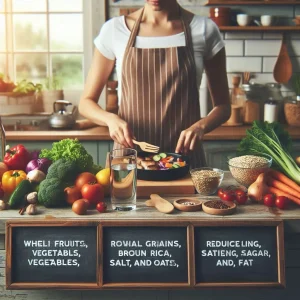
Eating healthy on a tight budget is entirely possible with smart planning, home cooking, and wise food choices. Clean eating isn’t a luxury—it’s a lifestyle that is both economical and healthy. Try these tips, enjoy delicious recipes, and start your journey to better health today!
Start now with Nutrition Travels: plan your meals, shop smart, and share your favorite healthy recipes with our community! Don’t wait—your health and budget will thank you.