

Mental health is not separate from the body; rather, it is closely linked to what we eat. Studies show that diet affects mood, energy, and focus, and understanding how diet affects mood can help reduce anxiety and depression naturally. Many people notice mood swings or feelings of mental fatigue at certain times of the day, and sometimes the reason may be directly related to their food choices.

The Effect of Essential Nutrients on the Brain:
The brain needs a variety of nutrients to function efficiently. Proteins, for example, contain essential amino acids such as tryptophan, which the body uses to produce serotonin—the neurotransmitter responsible for feelings of happiness and emotional well-being. Low protein intake or a deficiency in tryptophan may disrupt serotonin balance and increase the likelihood of anxiety or depression.
Healthy fats, especially omega-3 fatty acids found in fatty fish like salmon and tuna, play a major role in brain health. Omega-3s help build nerve cell membranes and improve communication between brain cells, which supports mood and concentration and reduces symptoms of depression. In contrast, unhealthy and processed fats may increase inflammation in the body, including the brain.
Carbohydrates also affect mood indirectly. Complex carbohydrates found in whole grains and vegetables help stabilize blood sugar levels, thereby reducing mood and energy fluctuations. Simple carbohydrates, such as refined sugars, may cause a rapid spike in blood sugar followed by a sudden drop, leading to fatigue and irritability.
Foods and Beverages That Support Mood:
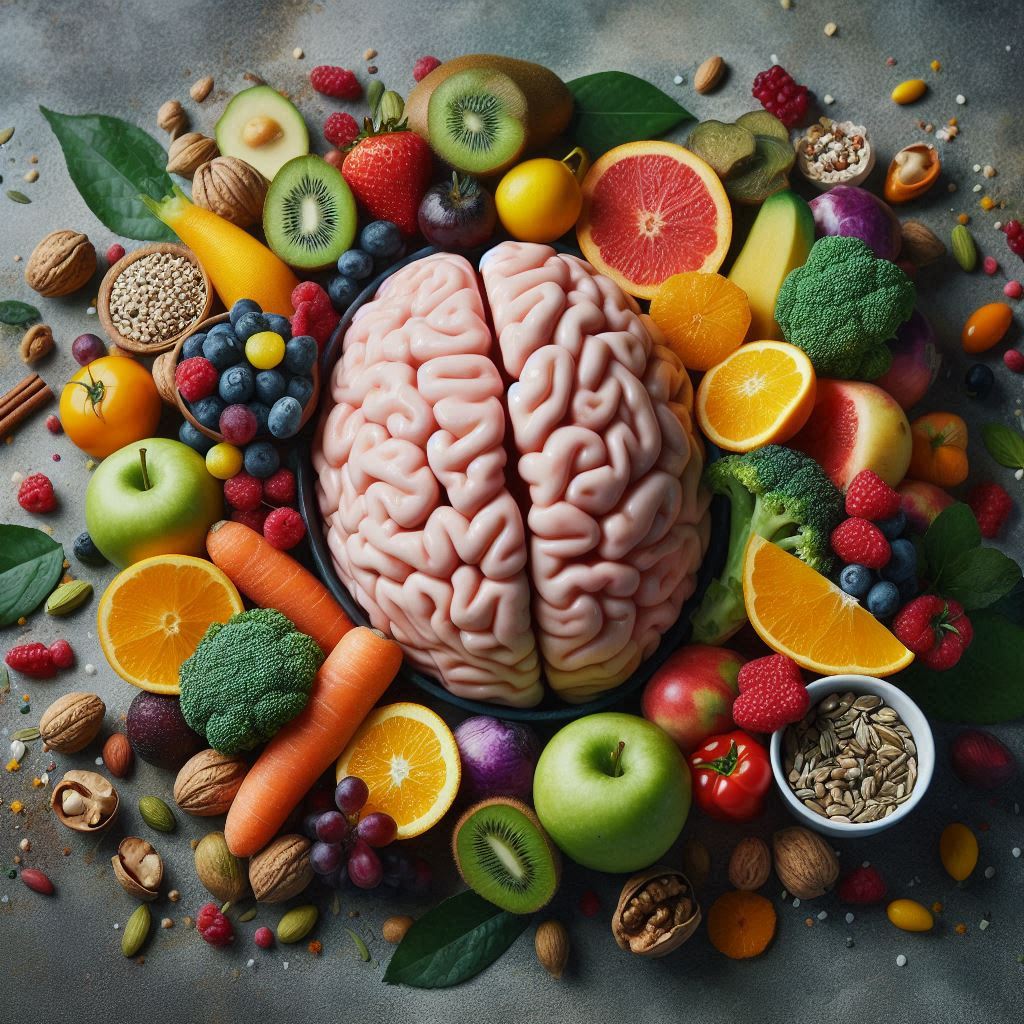
Certain foods have been shown in studies to naturally contribute to improved mood:
1. Fruits and vegetables: Rich in antioxidants and vitamins such as vitamin C and folate, which protect the brain from oxidative stress and improve its function.
2. Nuts and seeds: Contain healthy fats, vitamin E, and magnesium, which help calm the nervous system and improve sleep and mood.
3. Fatty fish: Such as salmon and sardines, for their role in supporting brain health and balancing neurotransmitters.
4. Legumes and whole grains: Help stabilize blood sugar levels, reducing sudden mood swings.
5. Fermented foods: Such as yogurt, which contain probiotics that support gut health, closely linked to mood through the gut–brain axis.
The Gut and How Diet Affects Mood:
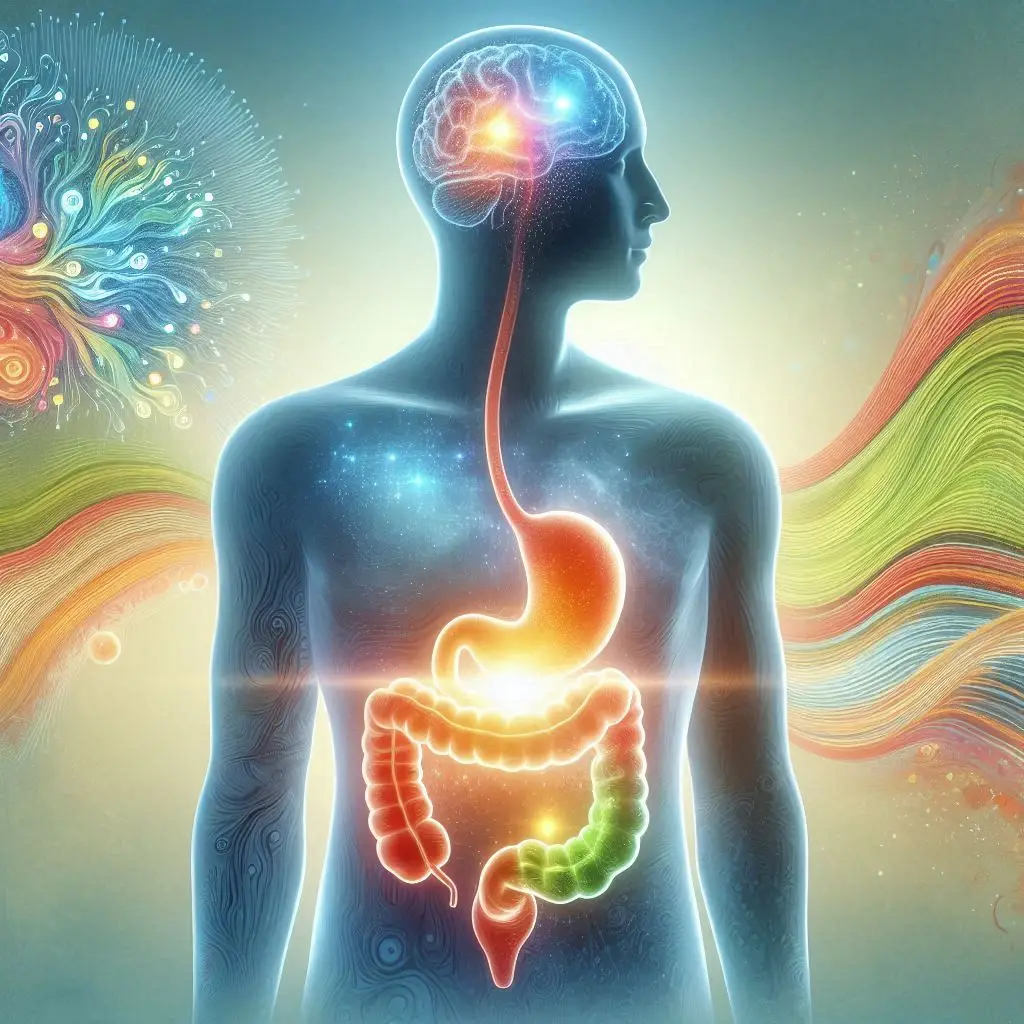
Just as the mood of one family member can affect others, what happens inside the body—specifically in the gut—can directly reflect on our psychological state. The digestive system and the brain are closely connected and work in a coordinated manner; any disturbance in one may show its effects in the other. Dr. Feinstein explains that mental health reflects how the nervous system interacts with the surrounding world, creating a sense of comfort or discomfort. When the gut sends imbalanced signals to the brain, a feeling of internal discomfort may arise, affecting mood and mental well-being.
This connection is not limited to nerve signals alone; it also involves hormones. About 90% of serotonin—the hormone responsible for improving mood—is produced in the gut before being transported to the brain. Therefore, digestive disorders can affect serotonin levels, which helps explain the high rates of anxiety and depression among people with irritable bowel syndrome (IBS). Studies indicate that between 40% and 90% of IBS patients experience varying degrees of psychological disorders.
Sugar, Caffeine, and How Diet Affects Mood:
Sugars (found in sweets, soft drinks, and pastries) are considered foods that should be avoided. Although they provide a quick energy boost, they lead to sharp and rapid mood fluctuations, as a sudden rise in blood sugar is followed by a sudden drop, causing fatigue, irritability, and increased anxiety symptoms.
Caffeine can improve focus, energy, and mood, but it should be consumed with caution. Excessive caffeine intake may trigger anxiety and panic attacks and negatively affect sleep quality.
Eating Patterns and Their Impact on Mood:
The issue is not limited to food quality alone, but also extends to how and when meals are consumed. Eating balanced meals at regular times helps stabilize blood sugar and energy levels and prevents sudden mood changes. Prolonged fasting or skipping meals may increase stress and feelings of mental fatigue.

Practical Tips to Support Mood Through Nutrition:
1. Choose whole foods and avoid packaged or processed foods rich in additives and preservatives, as they harm beneficial gut bacteria.
2. Increase fresh fruits and vegetables in your diet instead of relying on sweetened juices or frozen fruits.
3. Ensure adequate daily intake of fiber through whole grains and legumes.
4. Include probiotic-rich foods, such as yogurt without added sugars.
5. Add cinnamon to plain yogurt with berries or oatmeal instead of sugar to reduce sugar intake at breakfast.
6. Drink sufficient water to avoid mental fatigue caused by dehydration.

The relationship between food and mood is not merely a passing feeling; it is a scientifically proven connection. Paying attention to what we eat can be a natural step toward improving mental health, alongside other factors such as physical activity, good sleep quality, and stress management.
From this perspective, Nutrition Travels is committed to providing reliable and simplified information that helps those interested in nutrition understand the true impact of food on mental and physical health. Proper nutritional knowledge makes it possible to use food as a tool to support mental balance and mood—not just to strengthen the body—which ultimately reflects on quality of life and overall well-being.