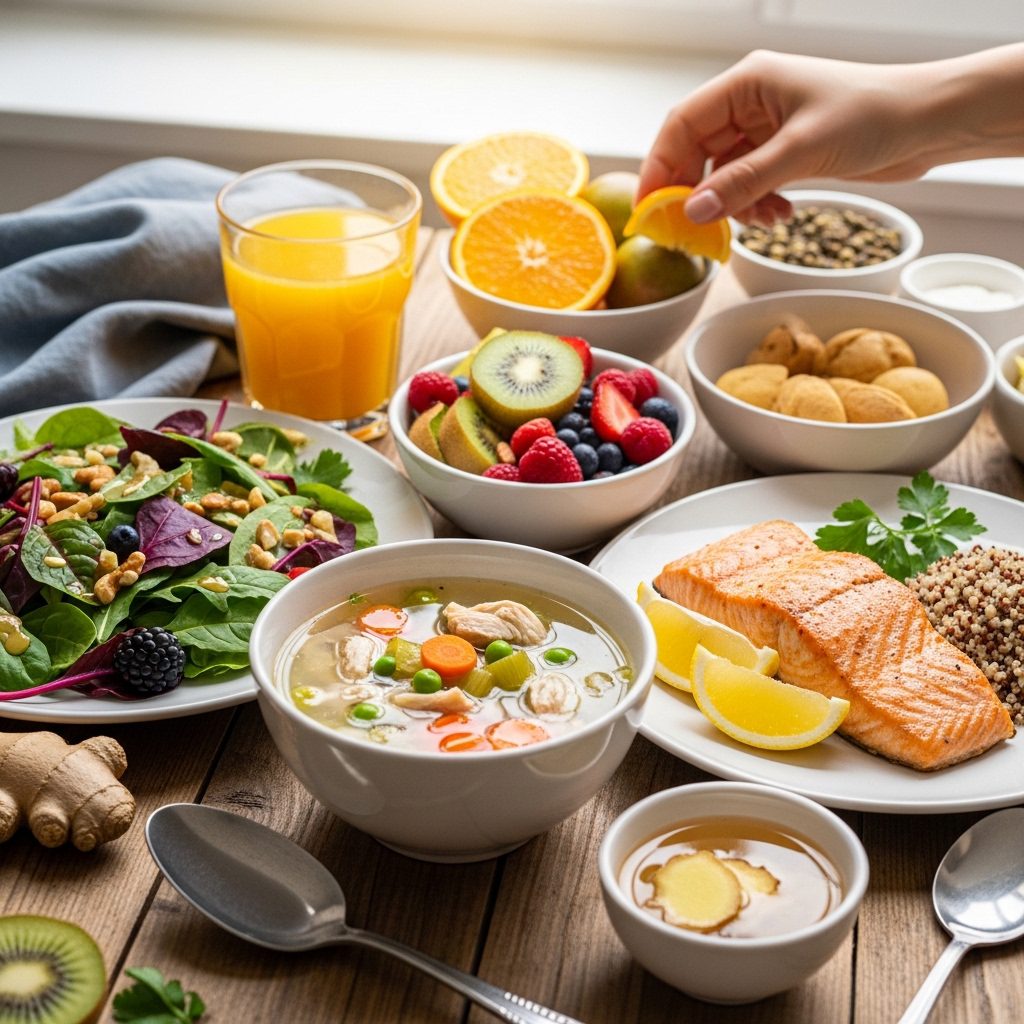
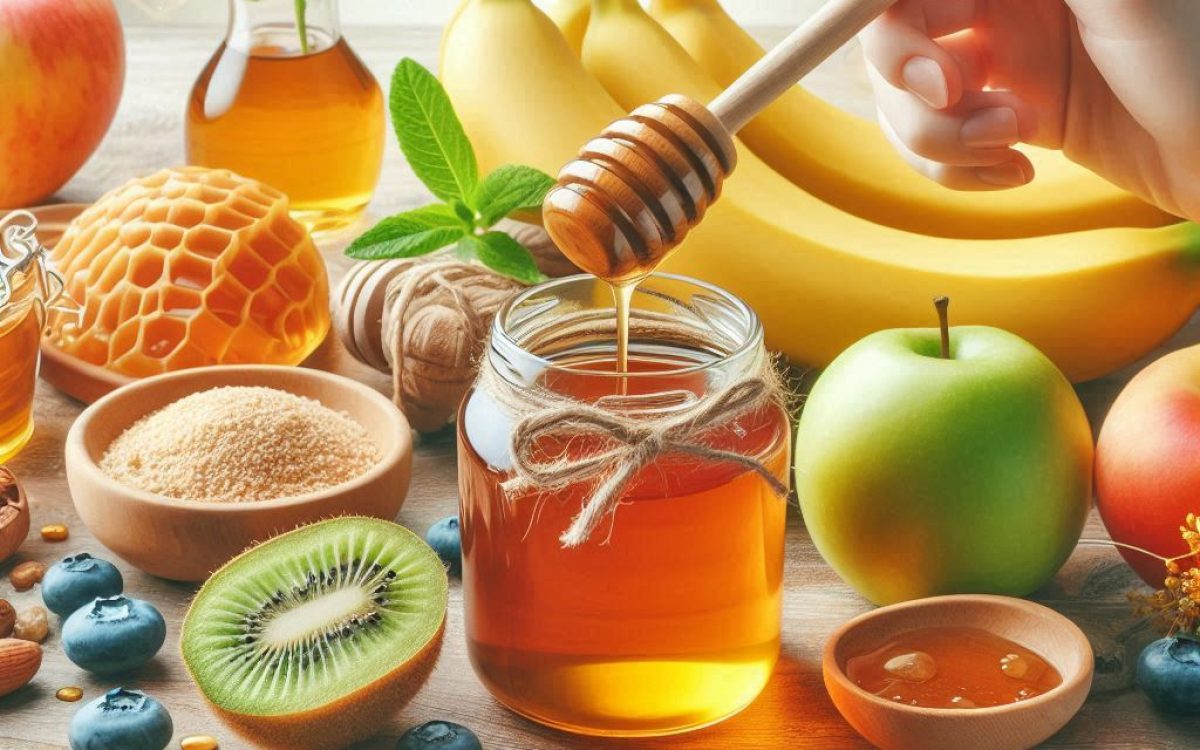
Honey is one of the oldest natural substances used in both medicine and nutrition, cherished for thousands of years. It is praised in divine scriptures, and the Prophet Muhammad ﷺ advised: “Take the two remedies: honey and the Qur’an.” Produced by bees from the nectar of flowers and stored in wax cells within the hive, honey’s true value lies in its rich composition — packed with vitamins, minerals, enzymes, and antioxidants that make it a powerful ally in a healthy lifestyle.
In this article, we’ll explore the nutritional value of honey, its wide-ranging health benefits, its role in disease prevention, and its direct and indirect relationship with nutrition along with the best ways to use it.

-
The Nutritional Composition:
Its unique nutritional profile gives it both therapeutic and dietary value. Its main components include:
1. Natural Sugars
Over 80% of honey is composed of glucose and fructose. Glucose provides rapid energy, while fructose is absorbed more slowly, sustaining energy levels over time.
2. Vitamins & Minerals
It contains small but important amounts of B-complex vitamins (B1, B2, B3, B6), vitamin C, and essential minerals like calcium, magnesium, iron, zinc, potassium, and phosphorus.
3. Antioxidants
Flavonoids and polyphenols help neutralize free radicals and reduce inflammation — supporting overall health and disease prevention.
4. Natural Enzymes
Enzymes like glucose oxidase contribute to honey’s antibacterial properties by producing hydrogen peroxide, a natural disinfectant.
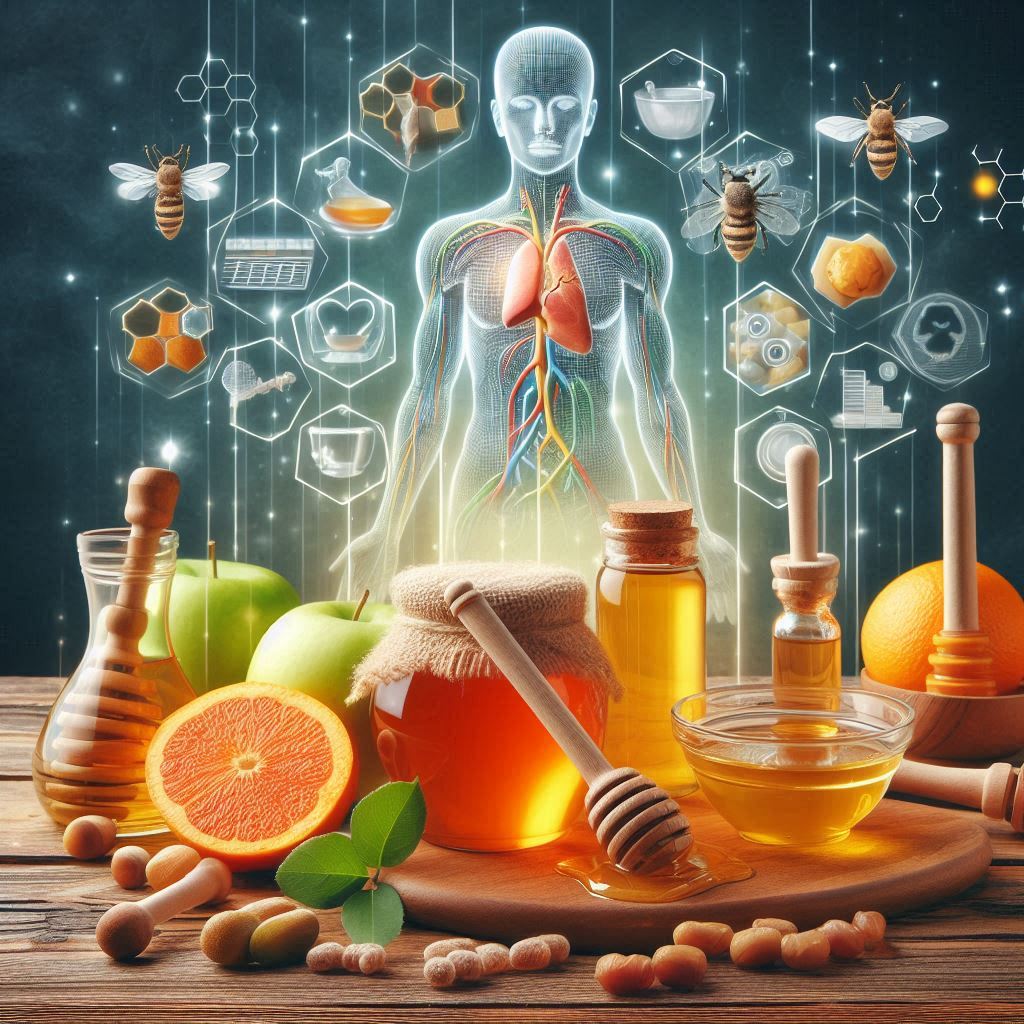
Health Benefits:
It offers a wide range of health benefits supported by both traditional use and scientific research:
-
Boosts Immunity
Its antioxidants and active compounds enhance immune response and help prevent common illnesses like colds and flu.
-
Fights Bacteria and Viruses
Raw and Manuka honey exhibit strong antibacterial effects, helping treat infections like E. coli and Staphylococcus aureus. Applied topically, it promotes wound healing.
-
Relieves Coughs and Sore Throats
A spoonful before bed can reduce nighttime coughing — especially in children — often outperforming over-the-counter medications.
-
Heals Wounds and Burns
Its antibacterial and anti-inflammatory properties help treat cuts, burns, and ulcers, accelerating tissue regeneration.
-
Aids Digestion
Mixed with warm water, honey supports gut health, improves digestion, and may relieve symptoms of IBS.
-
Regulates Blood Sugar (in moderation)
With a lower glycemic index than refined sugar, honey may help stabilize blood sugar — but should be used cautiously by diabetics.
-
Supports Heart Health
It may reduce LDL (bad cholesterol), increase HDL (good cholesterol), and promote better circulation and blood pressure control.
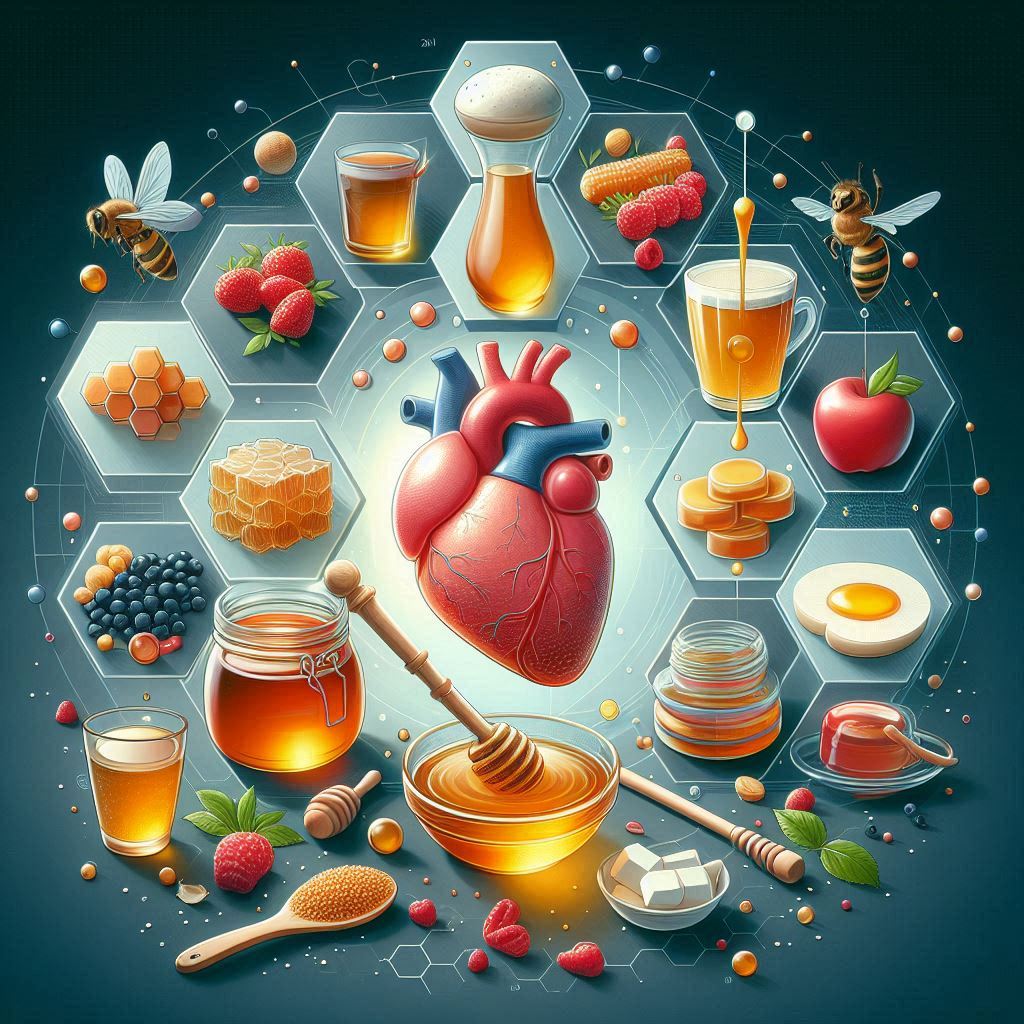
Honey and Balanced Nutrition:
It plays a significant role in supporting a balanced diet:
-
Natural Sugar Alternative
A healthier choice than refined sugar, honey adds flavor and nutrients to beverages and recipes.
-
Quick Energy Source
Athletes often consume honey pre- or mid-workout due to its fast absorption and digestive ease.
-
Safe for Kids Over One
After the first year, honey can be a nutritious addition to a child’s diet — but must be avoided before that due to the risk of infant botulism.
-
Supports Weight Gain
Mixed with milk or yogurt, honey is ideal for underweight individuals seeking natural and nutritious calorie intake.
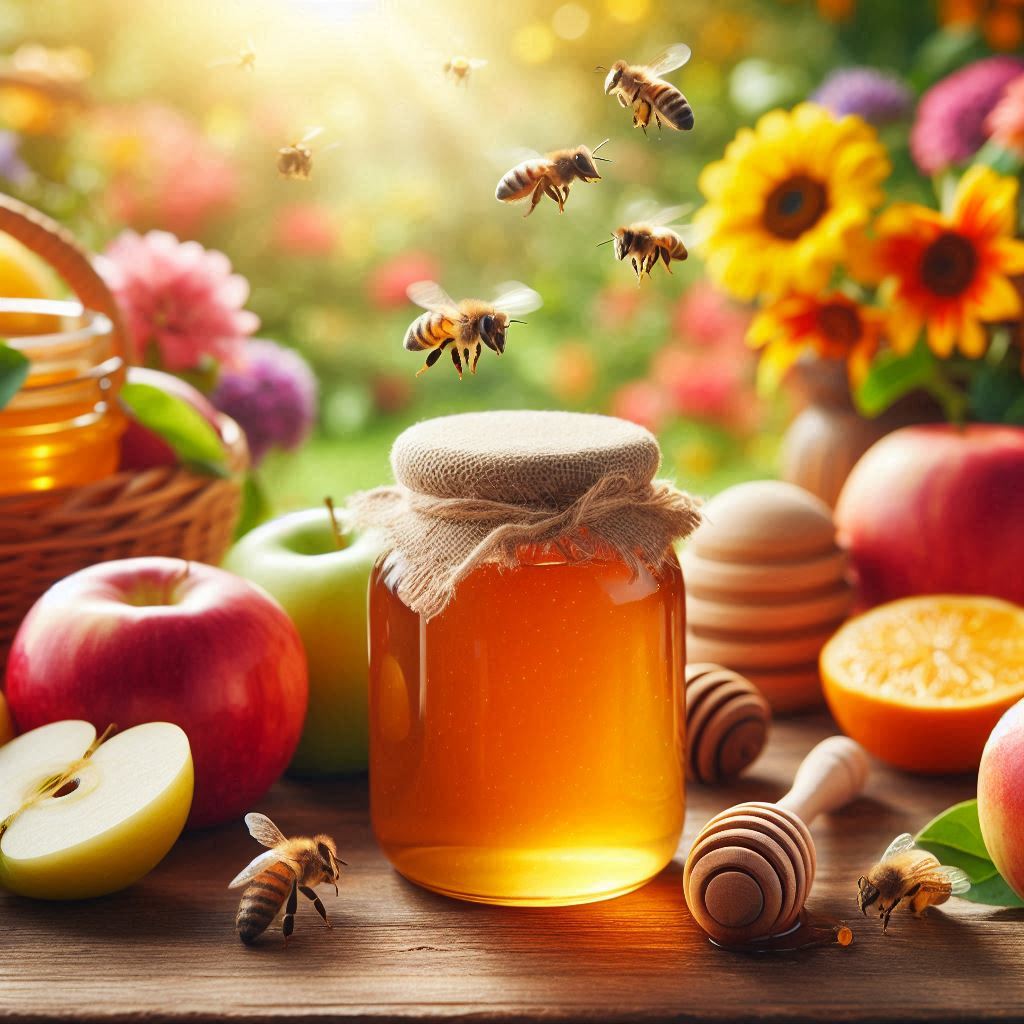
Types of Honey and Their Distinct Properties:
The flavor and health benefits of honey vary depending on the flower source. Popular types include:
- Sidr Honey: Revered in the Middle East, especially in Yemen and Saudi Arabia, for its immune-boosting and antibacterial qualities.
- Manuka Honey: Sourced from New Zealand, known for its clinically proven antimicrobial strength.
- Wildflower Honey: A blend of various floral nectars with diverse antioxidant benefits and allergy-relieving potential.
- Black Honey (Date Honey or Molasses): Rich in iron, making it a natural choice for individuals with anemia.
How to Use Honey in Daily Life:
-
In Beverages
- Add a spoon to warm water in the morning for digestion.
- Replace sugar in tea, coffee, or fresh juice for a healthier sweetener.
-
In Meals
- Mix with yogurt, oatmeal, or smoothies.
- Use in salad dressings or meat marinades for added flavor and health benefits.
-
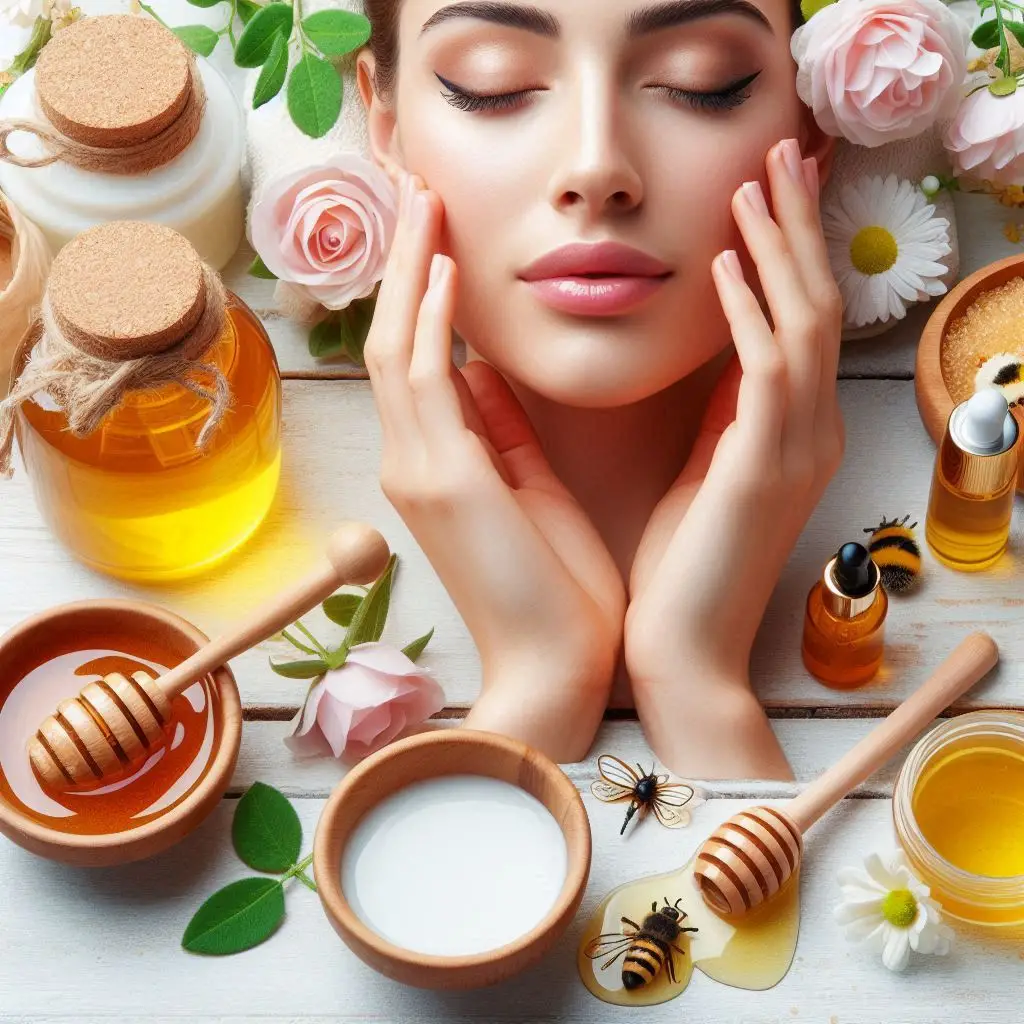
In Skincare & Beauty
- Apply as a facial mask to moisturize and soothe the skin.
- Combine with oils to strengthen hair and treat dry scalp.
Honey in Traditional and Modern Medicine:
In traditional medicine, it has been used to treat many conditions, such as:
- Stomach ulcers
- Mouth and gum infections
- Chronic fatigue
- Infertility (especially when combined with royal jelly)
In modern medicine, many studies have confirmed it’s healing properties, making it part of therapeutic protocols especially in dermatology, surgery, and internal medicine.
Precautions and Tips
- Avoid giving it to infants under one year to prevent infant botulism.
- Consume in moderation: Despite its benefits, excessive intake may lead to weight gain or elevated blood sugar levels.
- Verify the source: It’s best to use raw, unprocessed honey to preserve its active components.
Honey isn’t just sweet — it’s a natural powerhouse loaded with nutrients, antioxidants, and healing properties. Whether you’re seeking to boost immunity, aid digestion, or simply choose a cleaner source of energy, honey can transform your health routine.
Make it a daily habit — and join us at Nutrition Travels as we guide you on a journey toward smarter, more natural living. Discover more articles, science-backed tips, and delicious recipes to elevate your well-being.