Learn the difference between high and low blood pressure and discover how healthy nutrition and lifestyle can protect your heart every day.
Have you ever thought that a small number your doctor writes on the blood pressure monitor could change your entire life?
That number—your blood pressure—isn’t just a medical reading; it’s your body’s way of sending a message about your heart, arteries, and inner balance.
- If it’s within the normal range, you’re living in harmony.
- If it’s too high, you might not feel anything—but your body is silently suffering.
- If it’s too low, you may face dizziness, fatigue, and weakness every day.
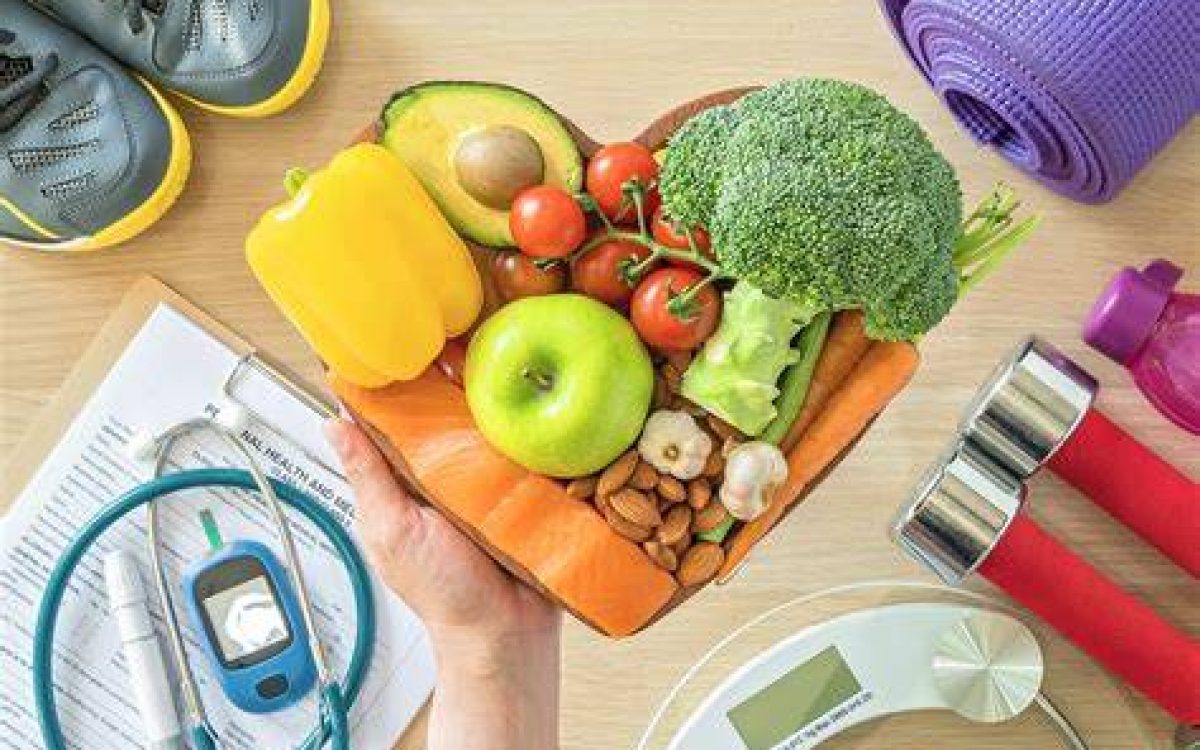
This is where nutrition comes in. Food is not just fuel—it’s a powerful tool that helps you control your health and build long-term protection.
Let’s start from the beginning…

What Is Blood Pressure?
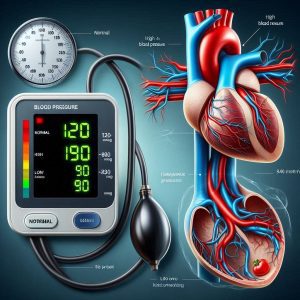
In simple terms, It’s the force your heart uses to push blood through your arteries to every cell in your body.
Imagine filling a balloon with water: press too hard and it might burst, press too softly and the water won’t flow. The same happens in your blood vessels.
- Normal blood pressure: around 120/80 mmHg—keeping your body in balance.
- High blood pressure (Hypertension): repeated readings above 130/90 mmHg.
- Low blood pressure (Hypotension): below 90/60 mmHg, especially with uncomfortable symptoms.
High Blood Pressure: The Silent Killer
Doctors call it “the silent killer” because it can remain unnoticed for years while silently damaging your heart and blood vessels.
Why is it dangerous?
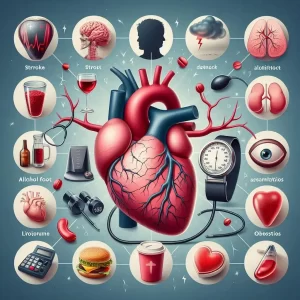
Because the body often adapts without showing clear warning signs—until a major complication suddenly appears, such as:
- Stroke.
- Heart attack.
- Kidney failure.
- Vision loss (due to damaged eye blood vessels).
Common causes:
- Excess salt (especially in fast food and processed meals).
- Lack of physical activity.
- Obesity.
- Chronic stress.
- Smoking and alcohol.
- Genetics and family history.
Possible symptoms (though often absent):
- Severe headaches.
- Blurred vision.
- Palpitations or shortness of breath.
- Nosebleeds.
But remember: sometimes there are no symptoms at all—which makes it even more dangerous.
How nutrition helps manage high blood pressure:
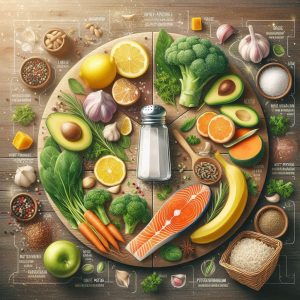
- Cut back on salt: skip the saltshaker—use lemon, garlic, cumin, or herbs instead.
- Increase potassium: bananas, sweet potatoes, spinach, and avocado help balance sodium.
- Eat plenty of fruits and vegetables: rich in antioxidants that protect blood vessels.
- Choose whole grains: oats, bulgur, and brown rice lower cholesterol and improve circulation.
- Go for low-fat dairy: a great source of calcium that supports vascular health.
- Limit caffeine: swap your third coffee for calming herbal tea.
Try this: replace salty chips with fresh cucumber and carrot sticks for a week—you’ll feel lighter and more energized.
Low Blood Pressure: When the Body Loses Balance
On the other hand, low blood pressure may sound less serious, but it can disrupt daily life with constant fatigue and dizziness.
When does it become dangerous?
If it’s sudden or causes fainting, it could signal something serious such as internal bleeding or shock.
Common causes:
- Dehydration (not drinking enough water).
- Pregnancy (especially early stages).
- Certain medications (like diuretics).
- Heart or endocrine disorders.
- Anemia or iron deficiency.
Symptoms of low blood pressure:
- Dizziness when standing up.
- Ongoing fatigue or weakness.
- Cold hands and feet.
- Fainting or loss of balance.

How nutrition helps manage low blood pressure:
- Stay hydrated: always keep a water bottle with you.
- Eat small, frequent meals: avoid leaving your stomach empty for long.
- Include slightly salty foods: a few olives or salted nuts (only with medical advice).
- Boost your iron intake: lentils, spinach, and liver help prevent anemia.
- Get enough Vitamin B12: from meat, eggs, and dairy.
- Drink coffee in moderation: it can temporarily raise blood pressure.
Quick tip: if you feel dizzy, sit down immediately and elevate your legs slightly above your heart—relief will come in minutes.

The Difference Between Hypertension and Hypotension
- High blood pressure: dangerous in the long term, often without symptoms.
- Low blood pressure: bothersome daily with dizziness and weakness, but less chronically damaging.
- The common ground: a balanced diet and healthy lifestyle are essential to managing both.
How to Protect Yourself from Daily Blood Pressure Fluctuations
- Eat a balanced diet: make half your plate vegetables, then add lean protein and whole grains.
- Maintain a healthy weight: obesity is one of the biggest risk factors.
- Exercise regularly: even a 30-minute walk boosts circulation.
- Sleep enough: 7–9 hours restore the body’s balance.
- Reduce stress: try deep breathing, meditation, or journaling.
- Quit smoking and alcohol: both damage blood vessels.
- Check regularly: don’t wait for symptoms.
Nutrition: Your First Ally in the Fight Against Blood Pressure Problems
Food is more than taste or satisfaction—it’s medicine and prevention combined.
- A diet rich in fresh fruits and vegetables keeps arteries flexible.
- Eating unprocessed meals lowers hidden sodium intake.
- Healthy eating boosts energy, clarity, and mental focus.
Remember: “What you put on your plate today shapes your health tomorrow.”
Both high and low blood pressure are two sides of the same coin—each demands awareness and attention.
And the key isn’t only medication, but a complete lifestyle approach that starts with your plate and extends to your daily habits.

Take the First Step Toward Better Health

Your blood pressure doesn’t have to control your life—you can take control through the choices you make every day. Start small: add more fresh foods, stay active, and listen to your body.
At Nutrition Travels , we believe that true wellness begins with awareness and the right lifestyle. Explore our tips, guides, and resources to help you build healthier habits—one step at a time.