
Healthy weight gain during pregnancy is one of the most important factors influencing maternal well-being and fetal development. Understanding healthy weight gain during pregnancy helps expecting mothers nourish their bodies properly while supporting their baby’s growth.
Weight gain during pregnancy is natural and necessary. However, the quality of weight gain matters just as much as the quantity. A structured nutritional roadmap for each trimester ensures balanced growth, optimal nutrient intake, and reduced risk of complications.
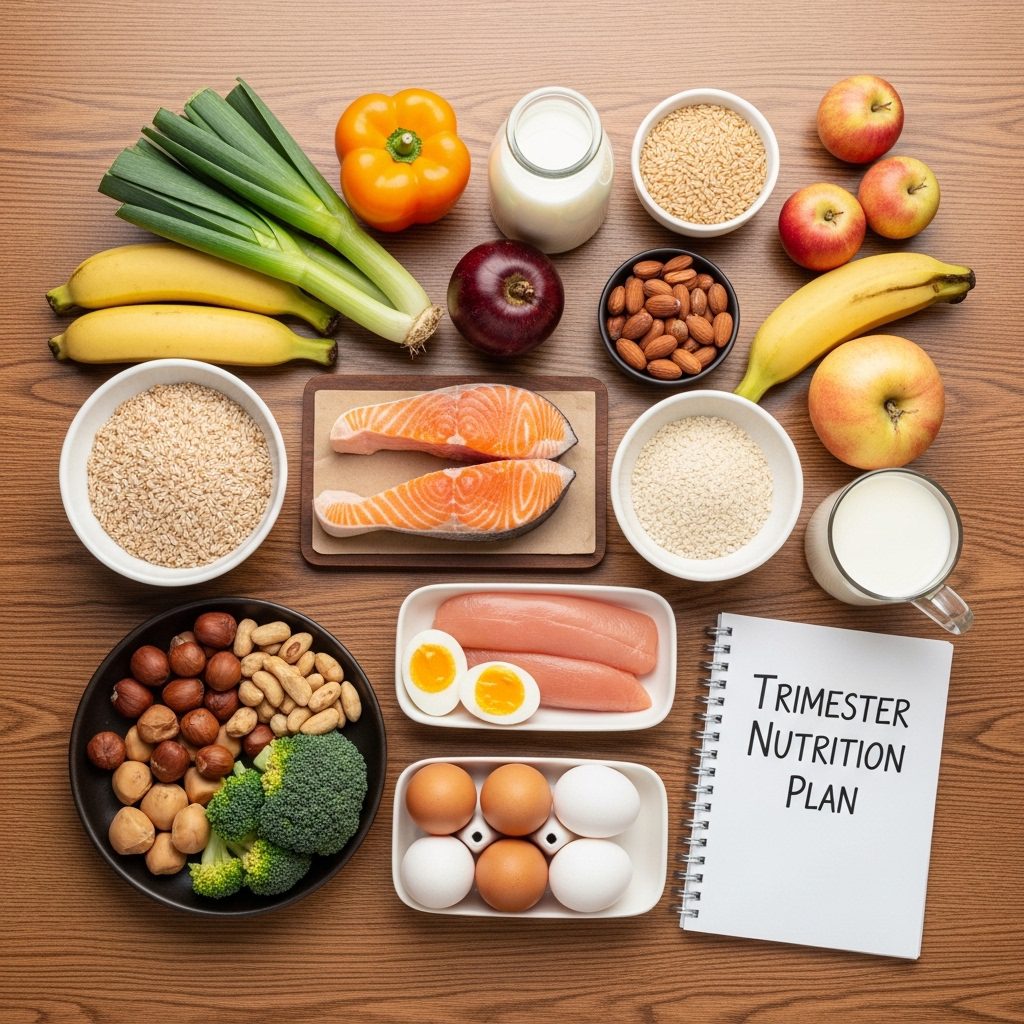
Why Healthy Weight Gain During Pregnancy Matters:
Appropriate pregnancy weight gain supports:
- Proper fetal brain and organ development
- Adequate amniotic fluid levels
- Healthy placenta formation
- Reduced risk of preterm birth
- Lower likelihood of gestational diabetes and hypertension
Gaining too little weight may increase the risk of low birth weight. Gaining too much may increase the risk of delivery complications and long-term metabolic concerns.
Actionable tip: Follow your healthcare provider’s recommended weight gain range based on your pre-pregnancy BMI.

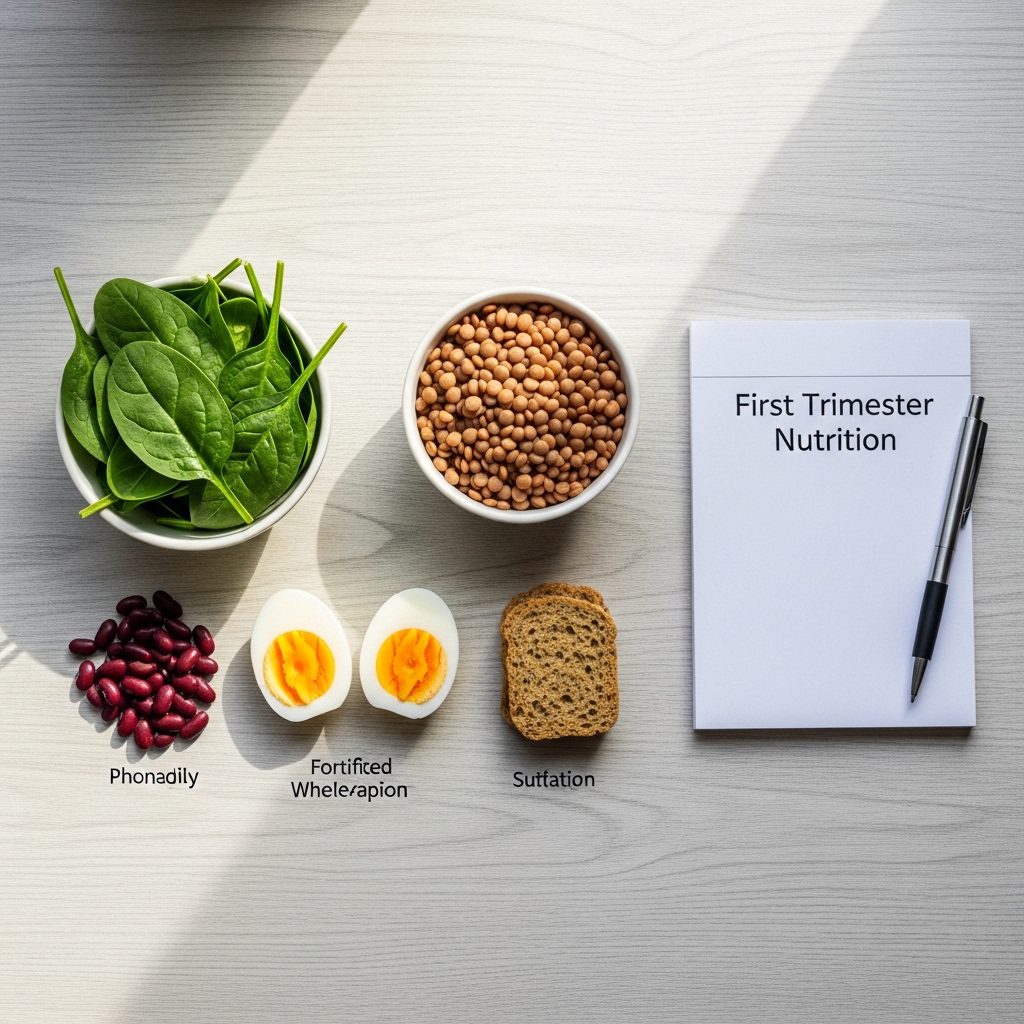
First Trimester (Weeks 1–12): Focus on Nutrient Density:
During the first trimester, calorie needs increase only slightly. Most women require no significant extra calories yet. However, nutrient density becomes critical.
Key priorities include:
- Folate: Supports neural tube development
- Iron: Prevents early pregnancy anemia
- Vitamin B6: May reduce morning sickness
- Protein: Supports early tissue formation
Small, frequent meals can help manage nausea while maintaining adequate nutrition.
Actionable tip: Focus on whole foods like leafy greens, legumes, eggs, and fortified whole grains rather than increasing portion sizes excessively.
Expected weight gain: 1–2 kg (2–4 lbs), though this may vary.
Second Trimester (Weeks 13–26): Steady and Balanced Growth:
The second trimester often brings improved appetite and energy levels. This is when healthy weight gain during pregnancy becomes more noticeable and steady.
Calorie needs typically increase by about 300–350 extra calories per day.
Important nutrients during this stage:
- Protein: For fetal muscle and organ growth
- Calcium: For developing bones and teeth
- Vitamin D: Enhances calcium absorption
- Omega-3 fatty acids: Support brain development
Actionable tip: Add one nutrient-rich snack daily, such as Greek yogurt with nuts or whole-grain toast with avocado and eggs.
Expected weight gain: Approximately 0.4–0.5 kg (1 lb) per week.

Third Trimester (Weeks 27–40): Preparing for Birth:
During the third trimester, the baby grows rapidly. Energy needs increase slightly again, typically by 400–450 extra calories per day.
Key nutritional focuses include:
- Iron: To support expanding blood volume
- Protein: For continued fetal growth
- Fiber: To reduce constipation
- Magnesium: To support muscle function
Swelling and heartburn may occur, so balanced meals and smaller portions can help.
Actionable tip: Include lean proteins, complex carbohydrates, and vegetables in each meal to maintain stable blood sugar levels.
Expected weight gain continues steadily until delivery.
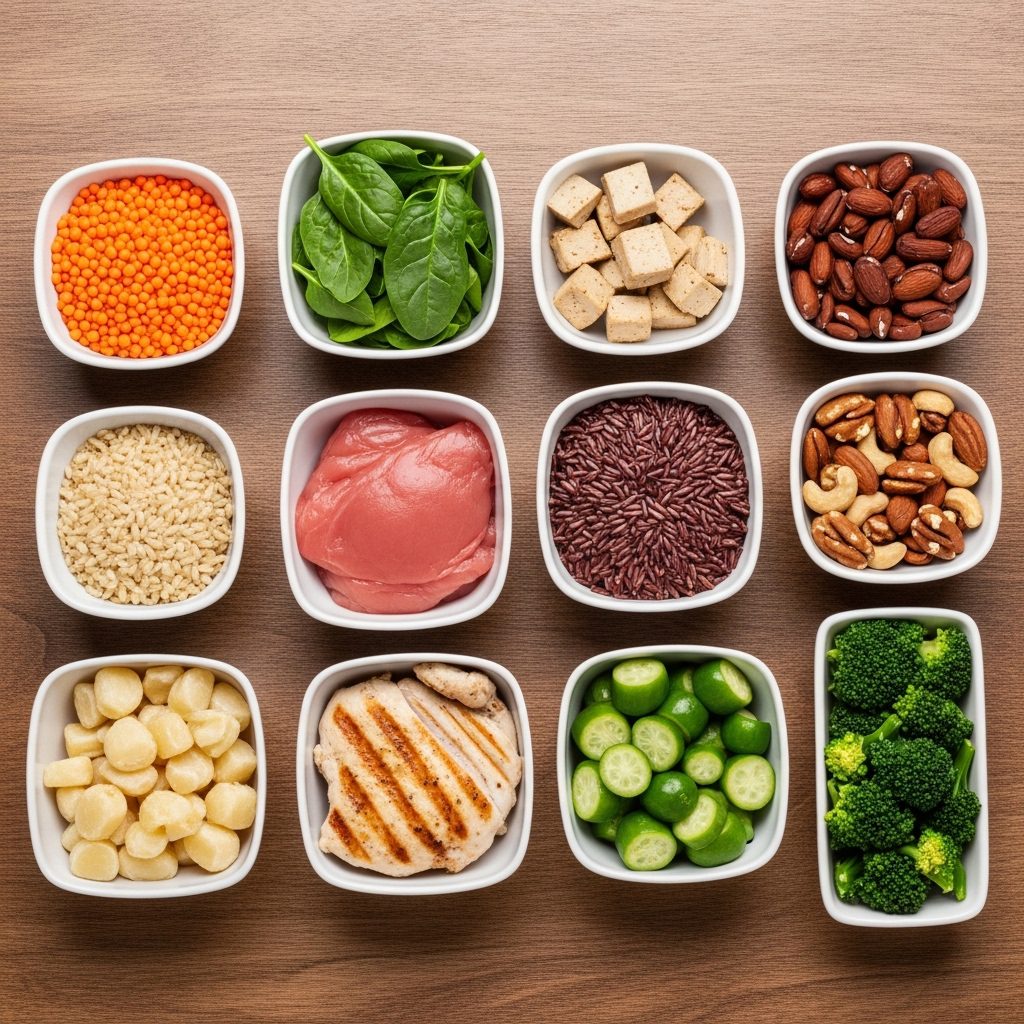
Quality Over Quantity: What to Eat:
Healthy weight gain during pregnancy should prioritize nutrient-dense foods rather than empty calories.
Best Choices:
-
- Lean proteins (chicken, fish, legumes, tofu)
- Whole grains (brown rice, quinoa, oats)
- Fruits and vegetables
- Healthy fats (olive oil, nuts, seeds)
- Dairy or fortified alternatives
Foods to Limit:
-
- Sugary drinks
- Ultra-processed snacks
- Excess fried foods
- Highly refined carbohydrates
Actionable tip: Follow the “balanced plate” method — half vegetables, one quarter protein, one quarter whole grains, plus healthy fats.
Hydration and Pregnancy Weight:
1. Hydration plays a vital role in circulation, amniotic fluid production, and digestion.
2. Pregnant women should aim for 8–10 glasses of water daily, adjusting based on activity and climate.
3. Proper hydration also helps reduce swelling and constipation.

Managing Cravings and Emotional Eating:
Hormonal changes can increase cravings. Occasional indulgences are normal, but consistent overconsumption of high-calorie processed foods can lead to excessive weight gain.
Balanced approach:
-
- Allow small portions of favorite treats
- Pair sweets with protein or fiber
- Avoid skipping meals
Actionable tip: Plan balanced meals in advance to reduce impulsive food choices.
Physical Activity and Healthy Weight Gain During Pregnancy:
Moderate exercise complements healthy weight gain during pregnancy by improving circulation, mood, and glucose regulation.
Safe options include:
-
- Walking
- Prenatal yoga
- Swimming
- Light strength training
Always consult your healthcare provider before starting new exercise routines.
Actionable tip: Aim for 20–30 minutes of moderate movement most days of the week.

Monitoring Healthy Weight Gain During Pregnancy:
1. Weight gain patterns vary individually. Regular prenatal checkups ensure healthy progression.
2. If weight gain is too rapid or too slow, a registered dietitian can personalize a nutrition plan.
3. Avoid restrictive dieting during pregnancy. The goal is nourishment, not calorie limitation.
Long-Term Benefits of Healthy Weight Gain During Pregnancy:
Healthy weight gain during pregnancy supports:
- Easier postpartum recovery
- Lower risk of postpartum weight retention
- Reduced long-term metabolic risk for mother and baby
- Better breastfeeding outcomes
Early nutrition sets the foundation for lifelong health.

Healthy weight gain during pregnancy is not about eating significantly more — it’s about eating smarter. By following a trimester-specific nutritional roadmap, focusing on nutrient density, staying active, and monitoring progress, expecting mothers can support both their own health and their baby’s development.
Small, consistent dietary adjustments can make a profound difference in pregnancy outcomes.
For more evidence-based pregnancy nutrition guidance and practical wellness strategies, explore Nutrition Travels and continue building a strong foundation for lifelong health.