
Pregnancy is a unique journey in every woman’s life, blending feelings of joy, anticipation, and sometimes stress. During this stage, the mother’s body undergoes major changes to create the perfect environment for the baby’s growth, making nutrition a key factor in ensuring both maternal health and the baby’s safety. Many women believe pregnancy nutrition is all about “eating for two,” but the truth is that food quality matters far more than quantity. This is where pregnancy superfoods come in — nutrient-rich foods that provide essential elements for supporting the mother and nourishing the baby.
These foods are more than just meals; they are real sources of energy, strength, vitamins, and minerals. They help reduce common pregnancy issues such as fatigue, constipation, and low energy, while also supporting the baby’s brain and organ development. In this article, we’ll explore the importance of nutrition during pregnancy, highlight the most powerful superfoods and their benefits, discuss foods to avoid, share practical tips for incorporating them into your daily routine, and touch on the psychological and social aspects of healthy eating during this sensitive stage.
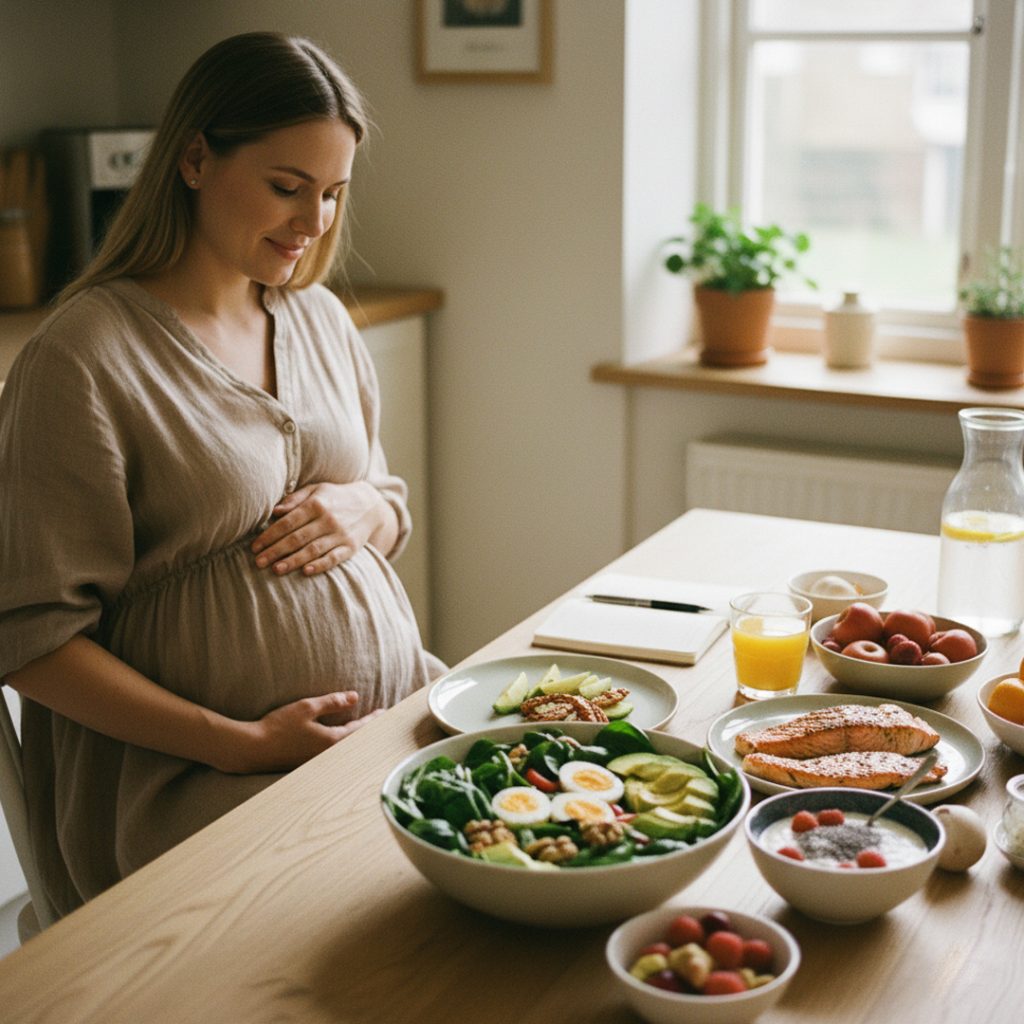
Why is nutrition important during pregnancy?
Pregnancy is not just a passing phase — it’s the foundation for both the mother’s and the baby’s long-term health.
1.The link between nutrition and the mother’s health
Pregnant women face challenges like nausea, fatigue, and low energy. Nutrition becomes a powerful tool to manage these. Iron-rich foods such as spinach and lentils lower the risk of anemia, while calcium from milk and yogurt strengthens bones and prevents osteoporosis. Drinking enough water helps reduce swelling and dehydration, common issues in pregnancy.
2.Nutrition’s effect on fetal development
The baby depends entirely on the mother’s nutrition. A deficiency in any nutrient directly impacts the baby. For example, lack of folic acid increases the risk of neural tube defects, while Omega-3 fatty acids from fatty fish support brain and vision development. Superfoods like avocado, nuts, and salmon ensure the baby receives a strong foundation for healthy growth.
3. The difference between regular nutrition and superfoods
While everyday meals may provide calories, they often lack concentrated vitamins and minerals. Pregnancy superfoods pack high levels of these essentials into a single serving, making them more effective in supporting both mother and baby.
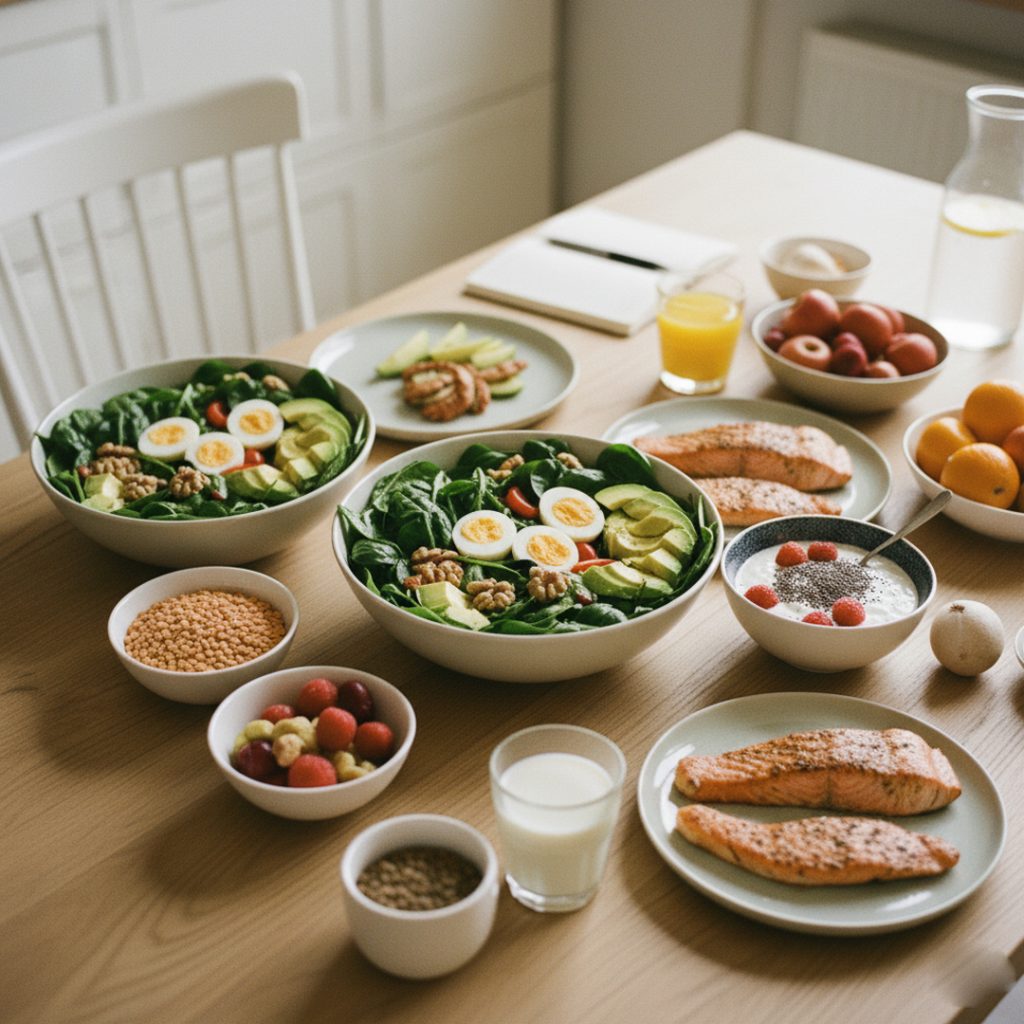
Top Pregnancy Superfoods and Their Benefits :
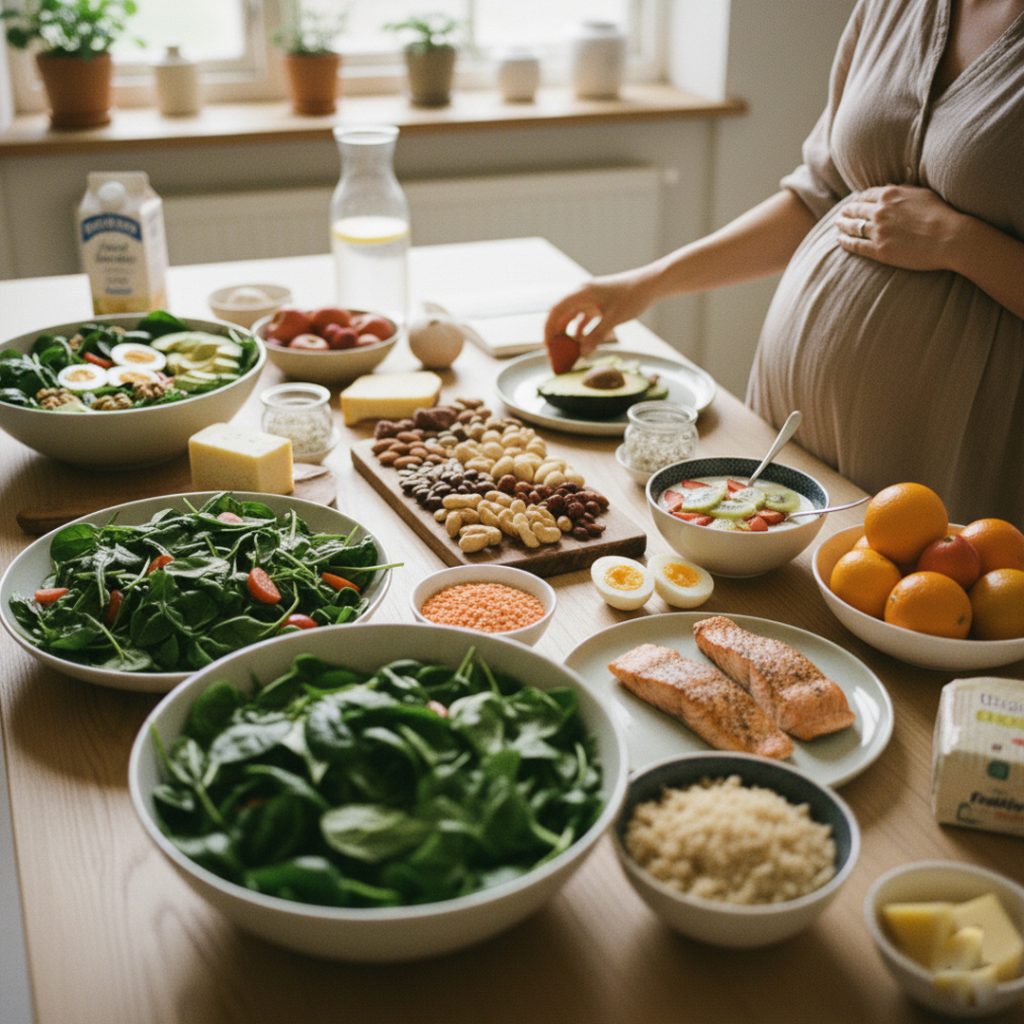
- Leafy greens (spinach, arugula, broccoli): High in folate and iron to prevent anemia and support healthy fetal development. Rich in fiber to improve digestion and reduce constipation.
- Whole grains (oats, quinoa, brown rice): Provide steady energy, balance blood sugar, and curb frequent hunger.
- Legumes (lentils, chickpeas, beans): Excellent source of plant protein, iron, and fiber to build muscle and tissue growth for the baby.
- Fatty fish (salmon, sardines): Rich in Omega-3s and vitamin D to aid brain and bone development. Choose low-mercury options.
- Dairy (milk, yogurt, cheese): Essential for calcium and protein, supporting bone and teeth formation.
- Nuts and seeds (almonds, walnuts, chia seeds): Packed with healthy fats and magnesium for brain development and reduced muscle cramps.
- Vitamin C fruits (oranges, kiwis, strawberries): Strengthen immunity, boost iron absorption, and protect cells with antioxidants.
- Avocado: Loaded with folate and healthy fats to support brain and nervous system development while reducing nausea.
- Eggs: Complete protein source, rich in choline for memory and brain function.
- Water: Vital for hydration, circulation, detox, and reducing fatigue and headaches.
Foods to Avoid During Pregnancy :
- Raw or undercooked foods (meat, eggs): Risk of harmful bacteria.
- High-mercury fish (big tuna, mackerel): May harm brain development.
- Excess caffeine: Can cause sleep problems and rapid heartbeat. Limit to 200 mg/day.
- Processed foods: Fast food, sodas, and fried meals increase risks of obesity and gestational diabetes.
Practical Tips for Adding Superfoods Pregnancy to Your Routine :
- Daily meal ideas:
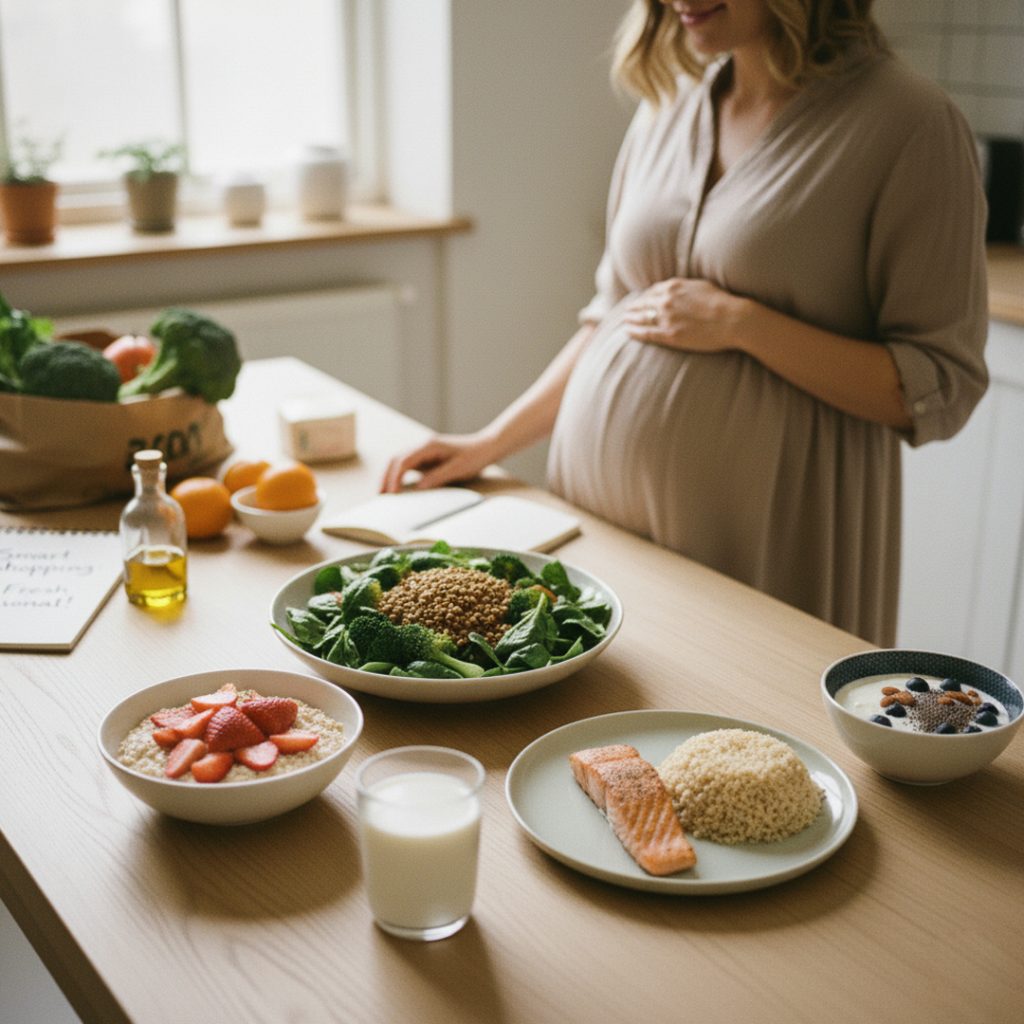
- Breakfast: Oatmeal with milk and fruit.
- Lunch: Green salad with broccoli and lentils.
- Dinner: Grilled salmon with brown rice.
- Snack: Nuts or yogurt with chia seeds.
- Smart shopping: Choose fresh, seasonal produce and limit canned foods.
- Healthy cooking methods: Focus on grilling, steaming, or boiling instead of frying.
- Balance and moderation: Mix a variety of superfoods while keeping portions moderate to avoid excess weight gain.
The Psychological and Social Side of Pregnancy Nutrition
Healthy eating doesn’t just support the body — it also enhances mental well-being. Omega-3s and fresh fruits can reduce stress and improve mood. Preparing healthy meals with family strengthens bonds and keeps mothers motivated to follow a balanced diet.
It’s also important to break common myths, like “pregnant women must eat for two.” In reality, food quality is far more important than quantity.

Final Thoughts about Pregnancy Superfoods :
Pregnancy superfoods are a true investment in both mother and child. They provide energy, reduce common pregnancy discomforts, and set the foundation for the baby’s healthy growth. Nutrition during pregnancy should be seen as a lifestyle, not just a temporary commitment. Remember — every healthy bite you take today is a step toward a stronger future for your baby and your family.
Embracing pregnancy superfoods is not about restriction but about discovering new flavors and enjoying the journey. Make conscious, smart choices daily, and you’ll notice the benefits for your body, mind, and little one.
Want to dive deeper into healthy nutrition, or get practical tips on smart traveling and saving money while still enjoying life? Explore more on our website: NutritionTravels