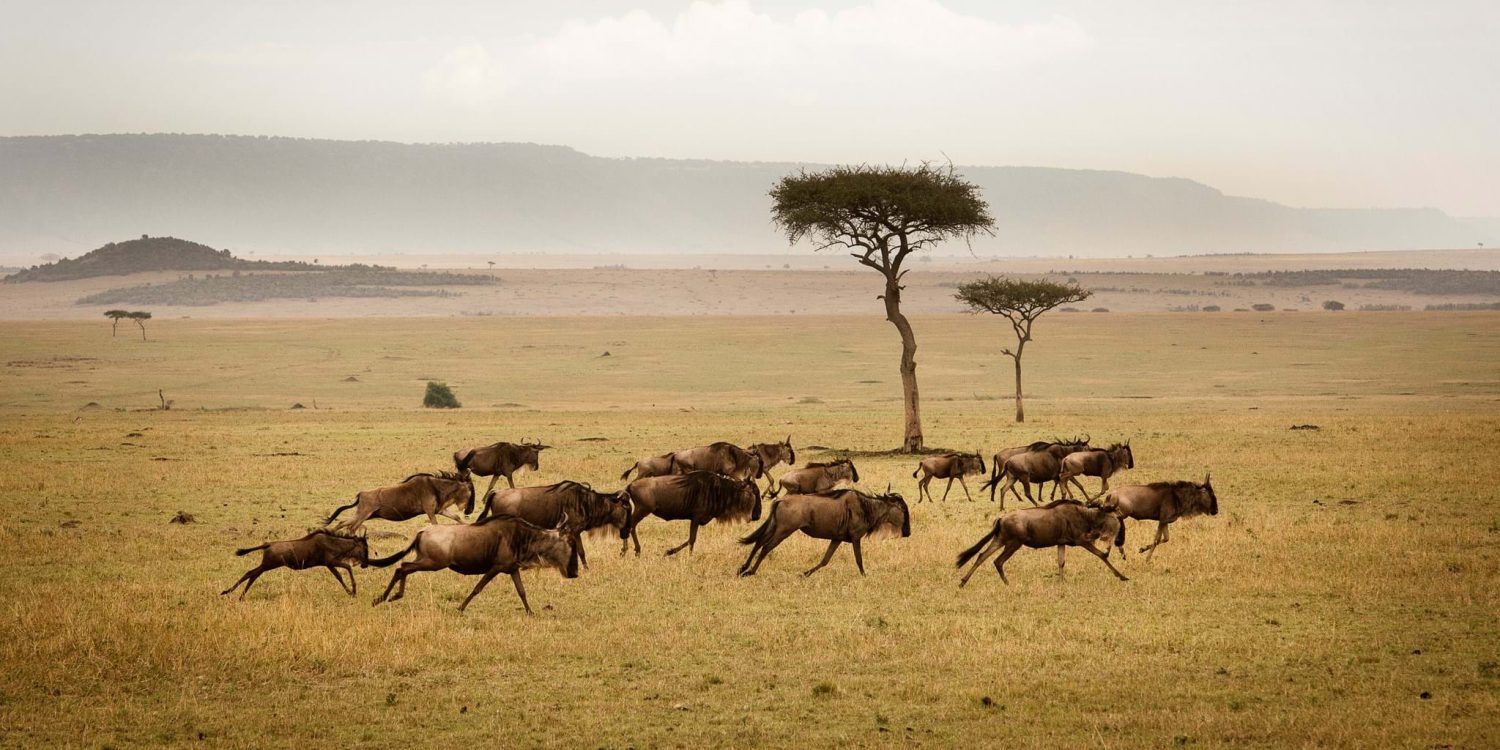
Across the vast golden plains of northern Tanzania, one of the most extraordinary wildlife events on Earth unfolds each year—the Great Wildebeest Migration. Millions of wildebeest, accompanied by zebras and gazelles, move in a continuous cycle across the Serengeti ecosystem, following ancient grazing routes shaped by rainfall and seasonal grasslands.
This migration is not simply a wildlife event; it is a living rhythm of survival, renewal, and balance in the natural world. For travelers, witnessing the migration offers more than an unforgettable safari experience. It provides insight into Africa’s ecological complexity, traditional conservation philosophies, and the landscapes that sustain one of the planet’s last great wildernesses.
Exploring the Serengeti during the migration reveals a powerful story of life, movement, and resilience that has shaped East Africa for thousands of years.
Understanding the Serengeti Ecosystem:
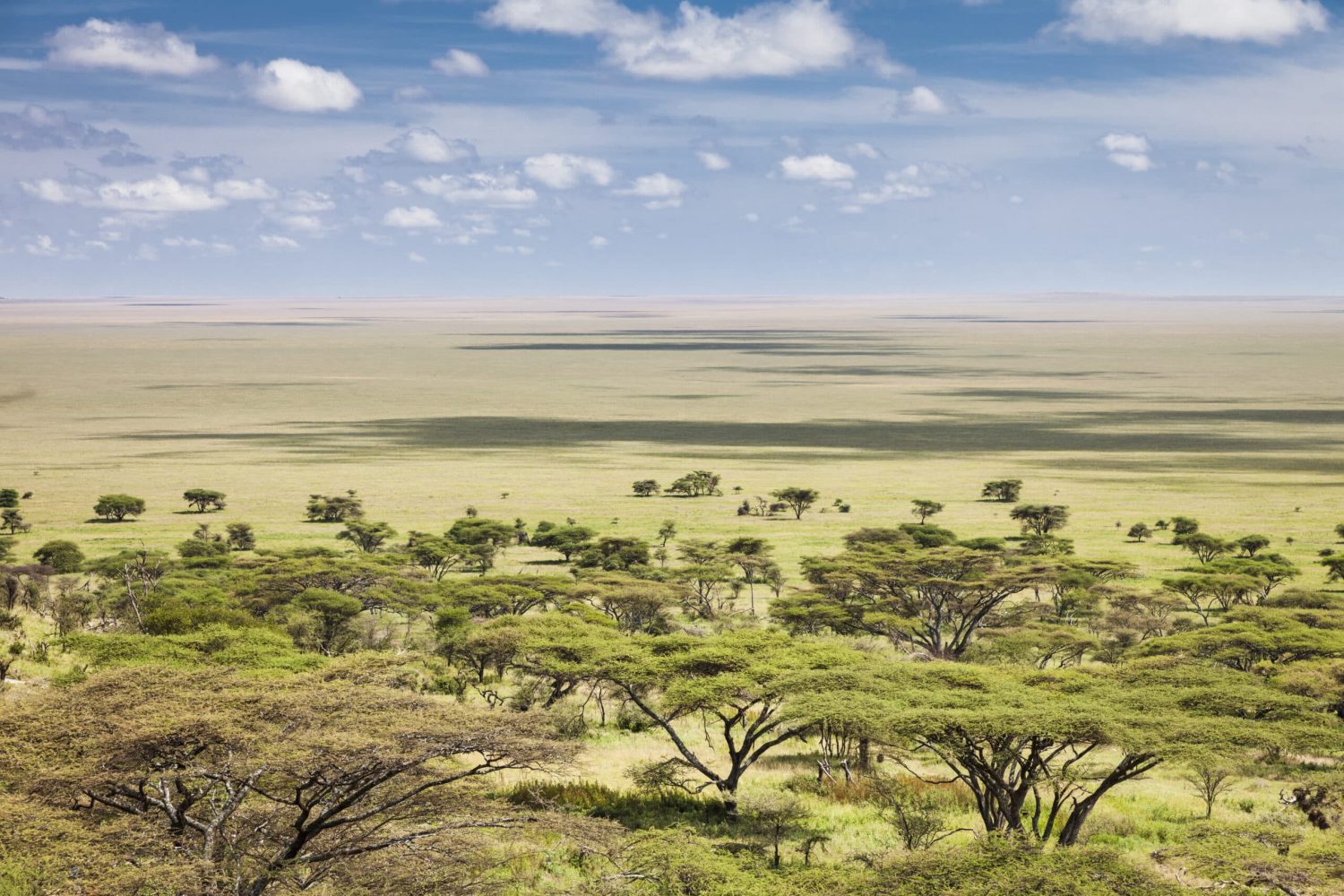
The Serengeti National Park, located in northern Tanzania, forms part of a vast ecosystem that stretches into Kenya’s Maasai Mara Reserve. Covering nearly 30,000 square kilometers, this landscape includes open grasslands, acacia-dotted savannas, rocky kopjes, and seasonal rivers.
The word Serengeti comes from the Maasai word “Siringet,” meaning “endless plains.” The name perfectly captures the park’s immense horizon, where wildlife roams freely across one of the most intact ecosystems in the world.
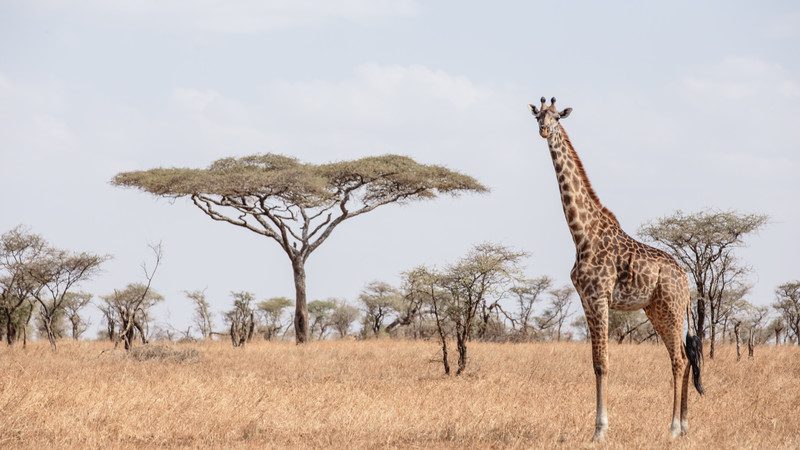
These plains support an extraordinary concentration of animals, including lions, elephants, giraffes, cheetahs, and hyenas. However, the migration remains the Serengeti’s most iconic phenomenon.
The Great Wildebeest Migration in the Serengeti Explained:
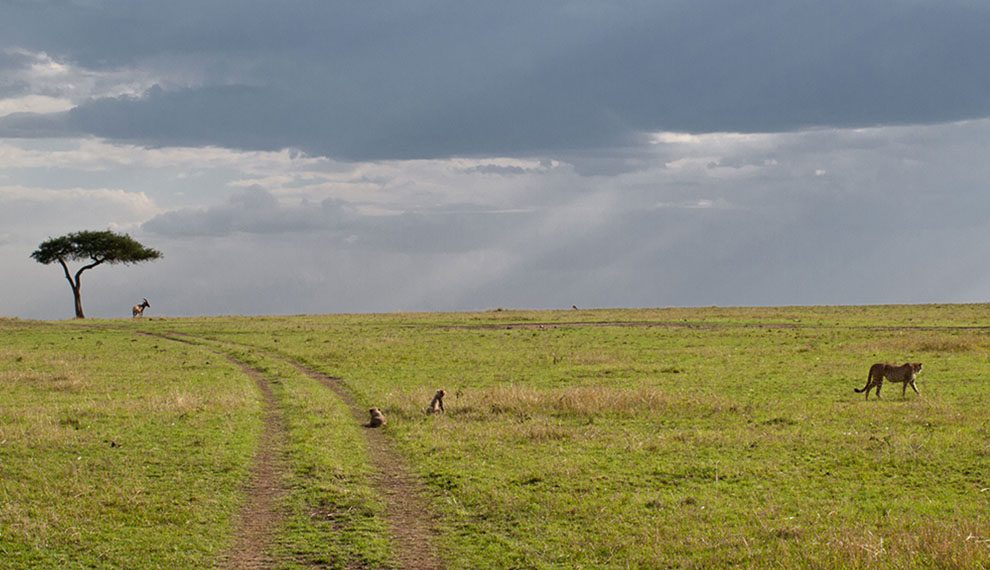
Each year, nearly two million wildebeest, along with hundreds of thousands of zebras and gazelles, travel in a circular route through Tanzania and Kenya.
This movement is driven primarily by rainfall patterns. As rains bring fresh grass to new regions, the herds move in search of nourishment, creating a continuous cycle of migration.
Key Migration Phases:
1. Serengeti Calving Season (January – March):
During the early months of the year, the southern Serengeti becomes the center of life as wildebeest gather on the short grass plains. In a remarkable biological strategy, hundreds of thousands of calves are born within just a few weeks.
This abundance of newborn animals attracts predators, creating dramatic wildlife interactions between lions, hyenas, and cheetahs.
2. Movement Toward the Western Corridor (April – June):
As rains fade and grass begins to dry in the south, the herds gradually move northwest toward the Western Corridor. This region includes the Grumeti River, where crocodile-filled waters create one of the migration’s first major challenges.
Here, massive herds cluster together before crossing rivers, producing powerful scenes of tension and survival.
3. The Mara River Crossings (July – September):
Perhaps the most famous stage of the migration occurs when herds reach the Mara River near the border of Kenya’s Maasai Mara. Thousands of wildebeest leap from steep riverbanks into waters filled with powerful currents and large crocodiles.
These crossings are unpredictable and dramatic, making them one of the most sought-after wildlife spectacles for safari travelers.
4. The Return Journey (October – December):
As seasonal rains begin again in southern Serengeti, the herds gradually move back toward Tanzania’s plains. This completes the migration cycle and prepares the ecosystem for another year of renewal.
The Role of Predators in the Serengeti:
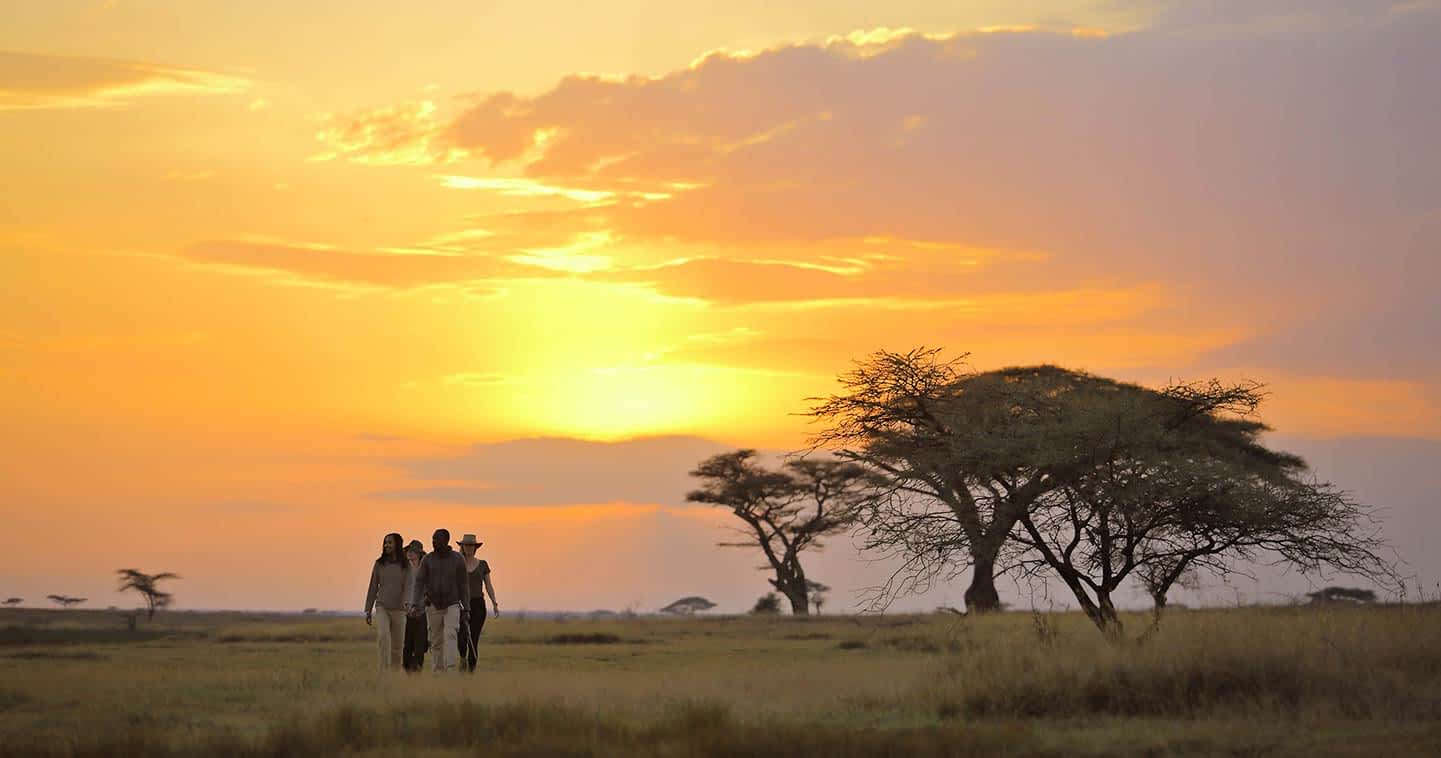
The migration is not only about herbivores. It also sustains one of the highest concentrations of predators in Africa.
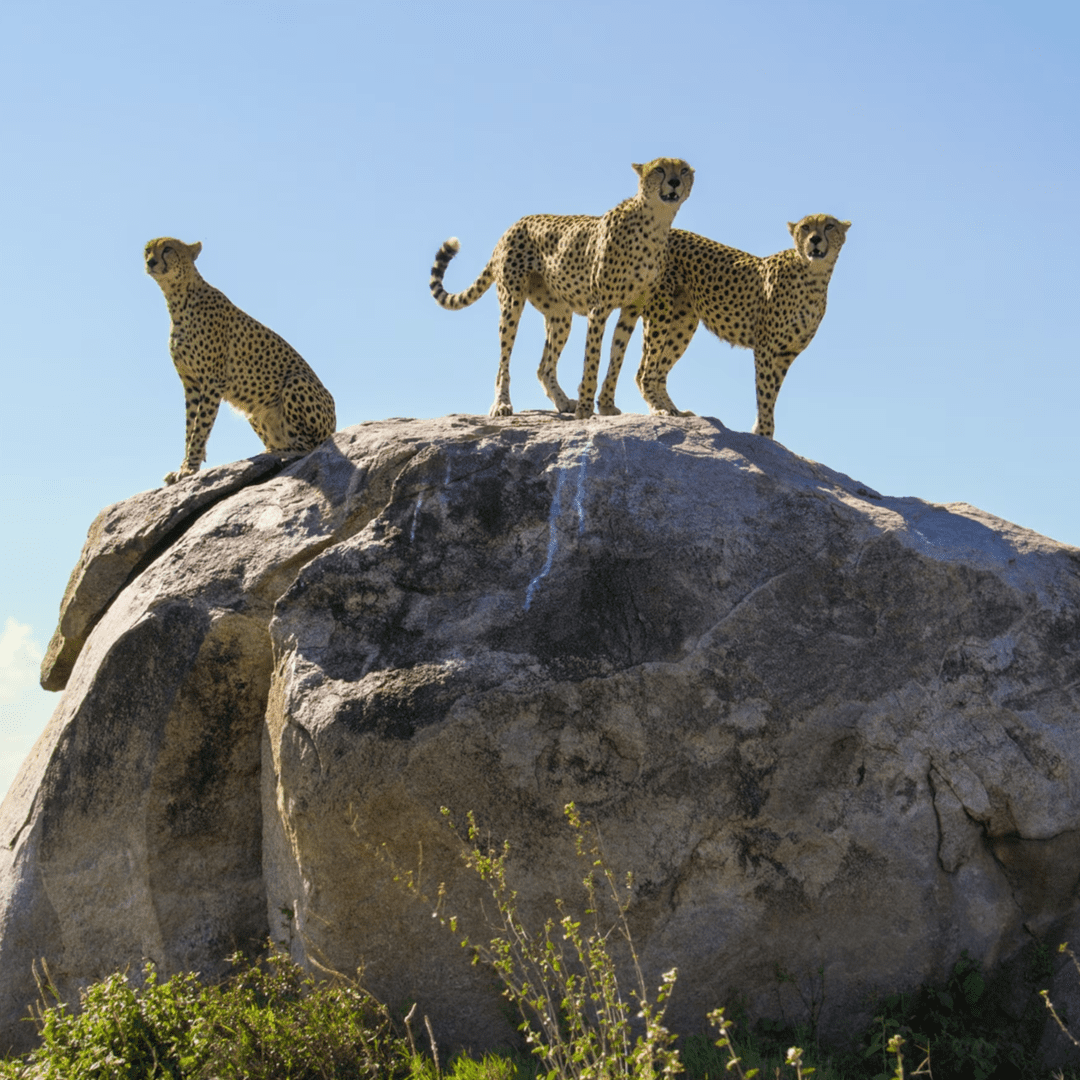
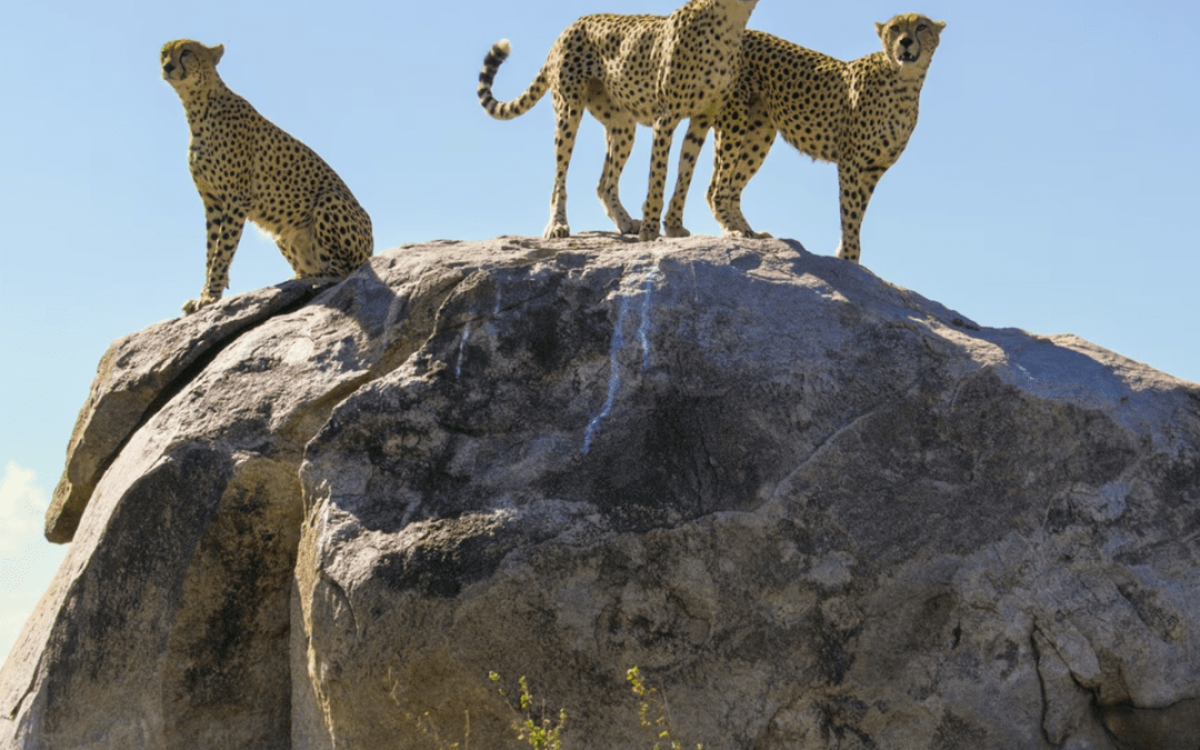
Lions often follow the herds, taking advantage of the abundance of prey. Cheetahs rely on open plains to chase young gazelles and wildebeest calves, while hyenas operate in powerful clans capable of challenging even lions.
This balance between predator and prey plays a vital role in maintaining the Serengeti’s ecological stability.
Cultural Connections: The Maasai and the Serengeti:
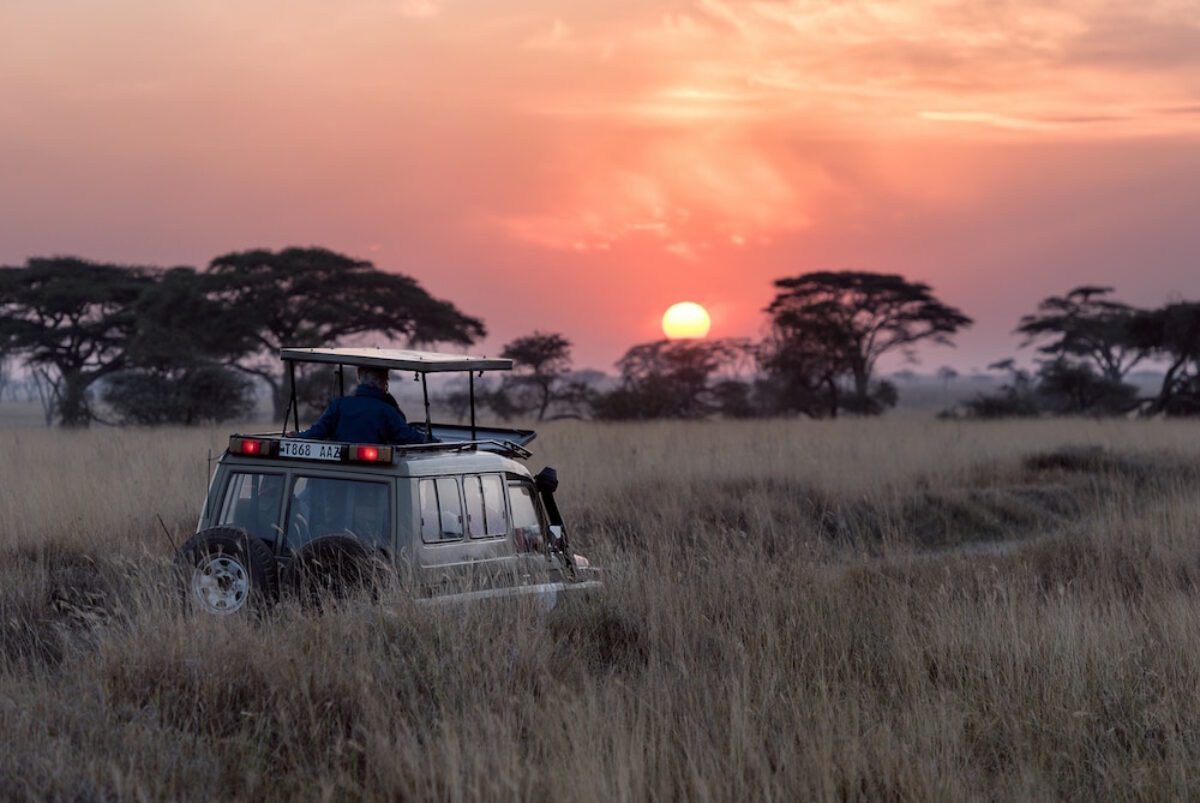
Long before modern conservation efforts began, the Maasai people lived alongside wildlife across East Africa’s savannas. Their pastoral traditions emphasize coexistence with nature, reflecting a cultural philosophy that respects the rhythms of the land.
Although the Maasai were relocated when national parks were established, their cultural presence remains deeply connected to the Serengeti landscape. Visitors often encounter Maasai communities near conservation areas, where traditions such as beadwork, storytelling, and ceremonial dances continue to thrive.
Learning about Maasai culture provides valuable context for understanding how humans and wildlife have historically shared this environment.
Essential Safari Experiences in the Serengeti:
1. Game Drives Across the Plains:
Guided safari drives remain the most popular way to explore the Serengeti. Experienced guides track animal movements and interpret wildlife behavior, helping travelers understand the migration’s complex dynamics.
2. Hot Air Balloon Safaris:
Floating above the plains at sunrise offers a breathtaking perspective of the migration. From the air, the scale of the herds becomes truly visible as animals stretch across the landscape.
3. Exploring Kopjes:
The Serengeti’s granite kopjes—rocky outcrops scattered across the plains—serve as resting spots for lions and observation points for predators. These formations also support unique plant life and provide dramatic photographic scenery.
Best Time to Witness the Migration:
Although the migration occurs year-round, the best time to visit depends on the specific experience travelers hope to see.
- January – March: Calving season and predator action in southern Serengeti
- April – June: Herd movement through central and western Serengeti
- July – September: Famous Mara River crossings
- October – December: Herds returning south with the rains
Because the migration follows rainfall, exact locations vary each year, making expert guides essential for tracking the herds.
Practical Safari Tips for Travelers:
1. Choose Experienced Guides:
Professional guides understand animal behavior and seasonal movements, greatly improving the safari experience.
2. Bring Proper Photography Gear:
Long lenses help capture wildlife safely from a distance, while binoculars enhance animal observation.
3. Respect Wildlife Distance:
Animals should never be approached too closely. Ethical safari practices ensure both visitor safety and wildlife protection.
4. Prepare for Changing Weather:
Even during dry seasons, temperatures can vary between cool mornings and hot afternoons.
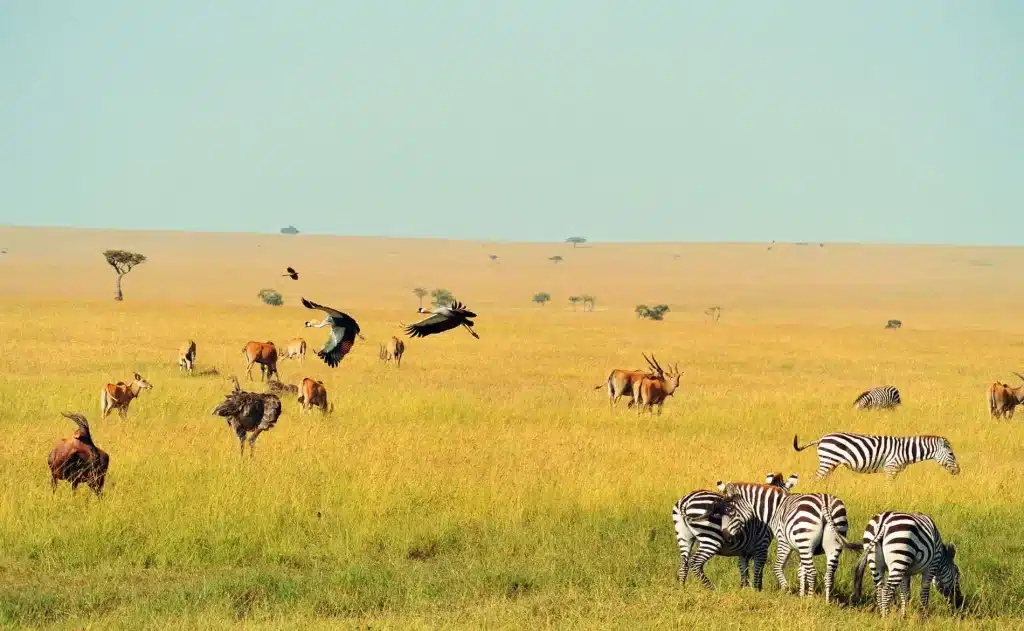
Few travel experiences match the emotional power of witnessing the Great Wildebeest Migration. In the Serengeti’s vast landscapes, travelers observe a timeless cycle shaped by rain, grass, predators, and instinct.
The migration is not merely a spectacle—it is a reminder of the delicate balance that sustains life in the natural world. From the thunder of hooves across open plains to the quiet patience of predators waiting in the grass, every moment reveals the Serengeti’s extraordinary ecological harmony.
For those seeking a deeper connection with nature, exploring the Serengeti offers more than a safari. It becomes an opportunity to understand the rhythms of one of the planet’s last great wildernesses.
At Nutrition Travels, we believe the most meaningful journeys are those that inspire respect for nature, culture, and the landscapes that shape our world.