
Feeling exhausted, hungry, or foggy shortly after eating is a common problem for many people. This sudden drop in energy is often blamed on “heavy meals” or lack of sleep, but in reality, it is usually caused by glucose spikes. Understanding how blood sugar behaves after meals—and how simple food-order strategies can control it—can completely change your energy levels, focus, and appetite.
Glucose spikes happen when blood sugar rises quickly after eating, followed by a sharp drop. This rollercoaster effect leaves you tired, craving sugar, and searching for snacks only hours after a meal. The good news is that you don’t need to eliminate carbohydrates or follow extreme diets. Instead, learning how to order your food can dramatically reduce glucose spikes and stabilize your energy throughout the day.
What Are Glucose Spikes?
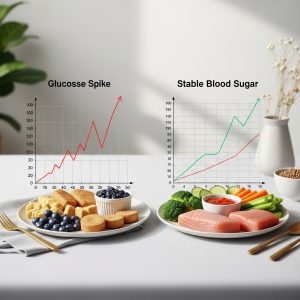
Glucose spikes occur when blood sugar levels rise rapidly after consuming carbohydrate-heavy or sugary foods. In response, the pancreas releases a large amount of insulin to move glucose from the blood into the cells. As a result, blood sugar may fall quickly within 2–4 hours, leading to symptoms such as:
- Sudden fatigue or sleepiness
- Strong cravings for sweets or refined carbs
- Difficulty concentrating (brain fog)
- Feeling hungry shortly after eating
This pattern, known as reactive hypoglycemia, is common after meals high in refined carbohydrates like white bread, pastries, sugary drinks, and sweets. Over time, repeated glucose spikes may increase the risk of insulin resistance and metabolic issues.

Why Food Order Matters More Than You Think
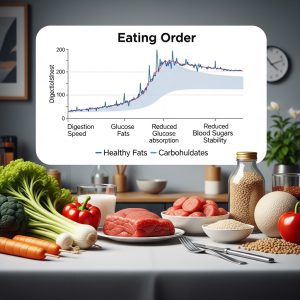
Many people focus only on what they eat, but the order in which foods are consumed plays a major role in blood sugar control. Research and clinical observations show that eating foods in a specific sequence can slow digestion and reduce glucose absorption.
The most effective order is:
Fiber → Protein & Healthy Fats → Carbohydrates
This simple strategy flattens the glucose curve, preventing sharp rises and sudden crashes.
Step 1: Start with Vegetables and Fiber
Begin every meal with vegetables, especially leafy greens such as spinach, kale, lettuce, arugula, or broccoli. Fiber forms a gel-like barrier in the digestive tract, which slows down the absorption of glucose into the bloodstream.
Benefits of starting with fiber include:
- Slower digestion of carbohydrates
- Reduced blood sugar spikes
- Improved satiety and fullness
- Better gut health
A large salad or cooked non-starchy vegetables before the main meal can significantly improve glucose stability.

Step 2: Add Protein and Healthy Fats
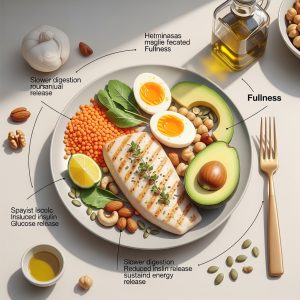
After vegetables, consume protein sources such as eggs, chicken, fish, legumes, or lean meat. Healthy fats like olive oil, avocado, nuts, or seeds should also be included at this stage.
Protein and fats:
- Slow gastric emptying
- Reduce insulin spikes
- Increase fullness and satisfaction
- Support stable energy levels
Meals that include protein at every sitting are associated with fewer cravings and less overeating later in the day.
Step 3: Finish with Complex Carbohydrates
Carbohydrates should come last—and ideally be complex carbohydrates, not refined ones. Choose whole grains like oats, brown rice, quinoa, or whole-grain bread instead of white bread or sugary foods.
When carbs are eaten after fiber and protein:
- Glucose enters the bloodstream more gradually
- Insulin response becomes smoother
- Energy remains stable for longer
This approach allows you to enjoy carbohydrates without triggering energy crashes.

Additional Strategies to Prevent Energy Crashes
Eat Smaller, More Frequent Meals
Consuming smaller meals every 3–4 hours helps prevent sharp fluctuations in blood sugar. Skipping meals or eating very large portions increases the risk of glucose spikes and crashes.
Add Vinegar to Your Meals
Adding a tablespoon of apple cider vinegar or vinegar-based dressing to salads has been shown to improve insulin sensitivity and reduce post-meal glucose levels.
Choose Smart Snacks
If hunger strikes, opt for snacks rich in protein or fiber, such as:
- Greek yogurt
- A boiled egg
- Nuts (unsalted)
- Cucumber or vegetables
Avoid sugary snacks that restart the glucose rollercoaster.
Stay Hydrated
Dehydration can mimic hunger and worsen fatigue. Drinking water regularly helps regulate metabolism and supports stable energy.
Move After Eating
A 10–15 minute walk after meals helps muscles use glucose more efficiently, reducing blood sugar levels and improving insulin response.

Why Glucose Spikes Trigger Cravings
When blood sugar drops sharply after a spike, the brain interprets it as an energy emergency. This leads to intense cravings for quick energy sources—usually sugar or refined carbs. Over time, this cycle reinforces overeating and makes weight management harder.
By controlling glucose spikes, cravings naturally decrease, appetite becomes more predictable, and mental clarity improves.
Sample Balanced Meal
- Start with: Green salad with olive oil and vinegar
- Main dish: Grilled chicken or fish
- Finish with: A small portion of brown rice or whole-grain bread
This structure supports steady glucose levels and sustained energy.

Managing glucose spikes is not about restriction—it’s about smart sequencing and balance. By starting meals with fiber, adding protein and healthy fats, and finishing with complex carbohydrates, you can prevent energy crashes, reduce cravings, and feel more focused throughout the day.
At Nutrition Travels, we believe that small, science-backed habits can make a powerful difference in how you feel every day. Start applying this food-order strategy today, listen to your body’s response, and explore more practical nutrition insights on Nutrition Travels to support long-term energy, health, and well-being.