
Food allergies in children are becoming more common, causing concern for many parents—especially since reactions can begin early in life and range from mild to life-threatening. With growing awareness of nutrition and children’s health, it’s more important than ever to understand what food allergies are, what causes them, how to recognize symptoms, and how to manage them effectively and safely.
In this article, we’ll take you through a comprehensive guide on food allergies in children. We’ll explain the difference between food allergies and food intolerances, outline diagnostic methods and treatment options, and provide practical advice for prevention and dealing with emergency situations.
What is a Food Allergy?
A food allergy occurs when the immune system mistakenly identifies a specific food protein as harmful and overreacts by producing antibodies to fight it. This triggers a range of physical symptoms, some of which may be severe. This triggers a range of symptoms that can affect the skin, digestive system, or respiratory system.
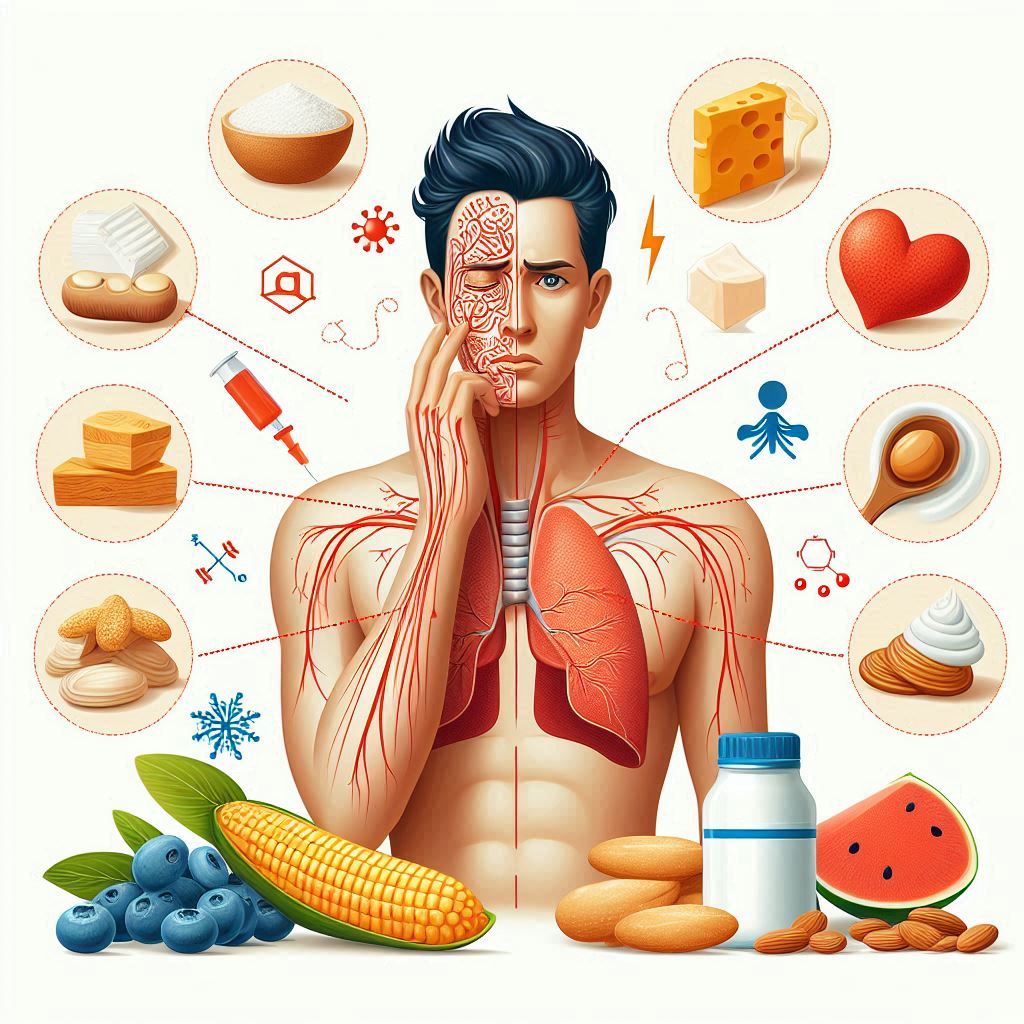
Unlike food allergies, food intolerances—such as lactose intolerance—do not involve the immune system. Instead, they are typically related to difficulties in digesting certain ingredients and usually cause milder symptoms.
Most Common Food Allergens in Children:
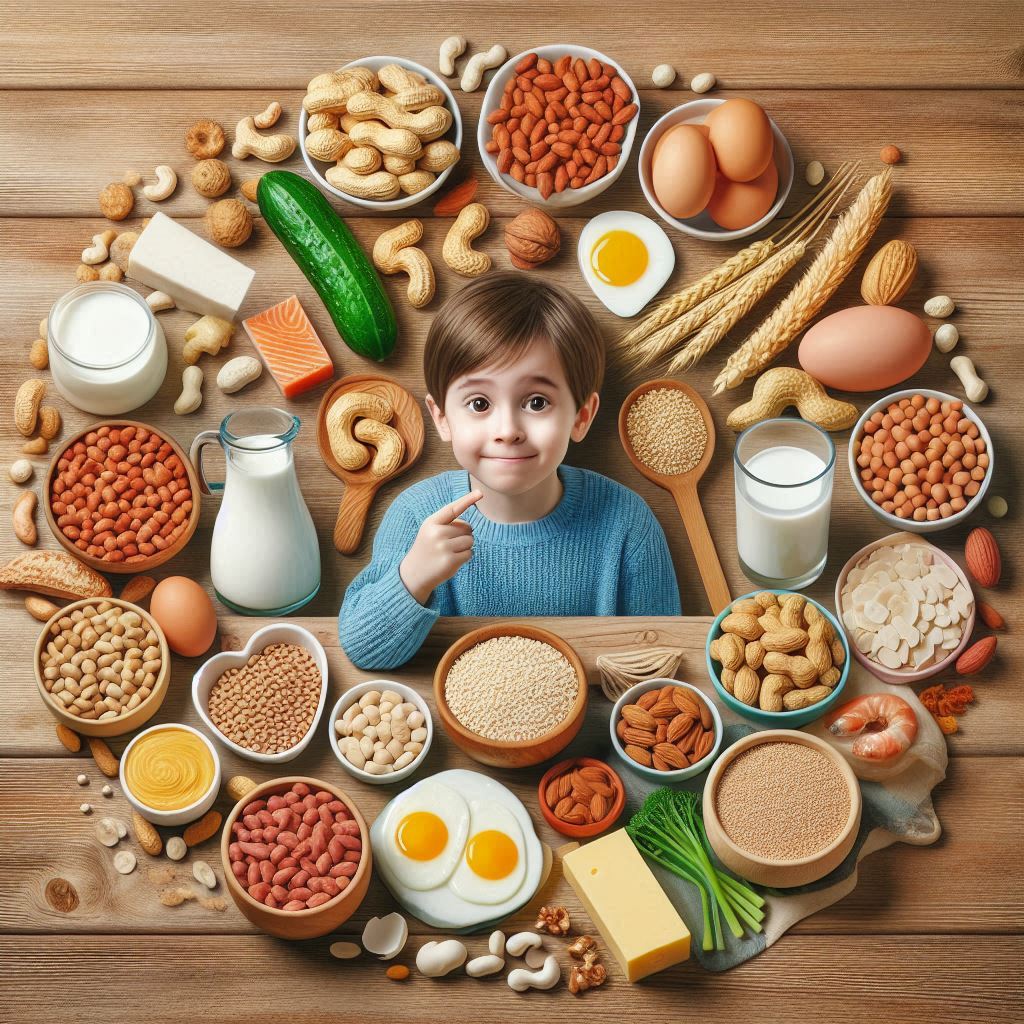
There is a specific group of foods known to cause the majority of food allergy cases in children. These include:
- Cow’s milk
- Eggs
- Peanuts
- Tree nuts (e.g., walnuts, almonds, cashews)
- Wheat (gluten)
- Soy
- Fish
- Shellfish (e.g., shrimp, crab)
These are known as the “Big Eight,” and they account for approximately 90% of food allergy cases worldwide.
Causes of Food Allergies:
There is no single cause of food allergies, but several factors can increase a child’s risk:
- Genetic predisposition: If one or both parents have allergies (food-related or not), the child is more likely to develop them.
- Immune system dysfunction: Some children may have an overactive immune system.
- Associated conditions: Such as eczema or asthma.
- Improper introduction of solid foods: Introducing certain solids too early or too late during weaning can influence allergy risk.
Symptoms of Food Allergies in Children:
Allergy symptoms can appear within minutes to a few hours after consuming the allergenic food, and they vary from child to child. They are typically categorized into:
-
Skin Symptoms:
- Hives or red, raised rashes
- Intense itching
- Swelling of the face, lips, or eye

-
Respiratory Symptoms:
- Coughing or wheezing
- Shortness of breath
- Nasal congestion or runny nose
-
Digestive Symptoms:
- Abdominal pain or cramps
- Nausea and vomiting
- Diarrhea
-
Severe (Systemic) Symptoms:
- Dizziness or loss of consciousness in severe cases
- Low blood pressure
- Rapid heartbeat
Anaphylaxis:
A medical emergency that can be life-threatening. It may happen suddenly and requires immediate treatment with an epinephrine auto-injector (EpiPen). Symptoms include:
- Severe difficulty breathing
- Sudden drop in blood pressure
- Intense swelling of the throat or tongue
Diagnosis:
It’s essential to consult a pediatrician or allergy specialist for an accurate diagnosis. Diagnosing food allergies involves several steps:
- Medical History: Based on parents’ observations of food triggers and when symptoms appear.
- Skin prick tests: Small amounts of suspected allergens are introduced to the skin to monitor reactions.
- Oral food challenge: Conducted under medical supervision, this is the most accurate way to confirm a food allergy.
- Blood tests (IgE-specific tests): Measure the level of allergy-related antibodies.

Treatment and Management:
-
Avoiding allergenic foods
The most important step is complete avoidance. Carefully read food labels and be cautious with prepared foods.
-
Medication
- Antihistamines: For mild to moderate symptoms
- Epinephrine auto-injectors (EpiPen): For severe allergic reactions or anaphylaxis
-
Emergency action plans
Parents and schools should have a written emergency plan and be trained on how to use an EpiPen.
-
Regular re-evaluation
Some allergies—especially to milk or eggs—can resolve over time, so it’s important to reassess periodically with a doctor.
Prevention and Safe Nutrition:
Tips for Parents:
- Introduce new foods slowly and monitor for reactions over at least three days.
- Avoid known allergens if there is a family history of allergies.
- Exclusively breastfeed for the first six months, if possible.
- Keep a food diary to track symptoms and new foods.
Special Note for Schools and Daycares:
- Inform staff about the child’s allergy and supply necessary medication.
- Train teachers and caregivers on recognizing symptoms and handling emergencies.

Role of Alternative Nutrition:
If essential foods must be eliminated, it’s important to find healthy alternatives to support the child’s growth:
- Almond or oat milk instead of cow’s milk
- Plant-based egg substitutes for baking
- Plant-based proteins like lentils and beans if allergic to fish or meat
Can Food Allergies Disappear Over Time?
Some food allergies can diminish with age, especially:
- Milk allergy: Often resolves between ages 3 to 5
- Egg allergy: May gradually fade by age 7
However, others such as peanut or tree nut allergies tend to persist throughout life.
Emotional and Social Support:
Food allergies impact not only your child’s physical health, but also their emotional well-being. Children may feel isolated or anxious about eating around others. To support your child:
- Educate them in an age-appropriate way
- Encourage them to speak up about their condition
- Involve them in choosing safe foods and preparing meals

Food allergies in children are not just a medical condition they represent a lifestyle that demands awareness, care, and coordination among parents, schools, and the broader community. A solid understanding of the condition, combined with consistent preventive practices and emergency readiness, can help ensure a safe and healthy life for your child.
At Nutrition Travels, we understand that managing food allergies is about more than avoiding certain foods—it’s about keeping your child safe, confident, and included. We’re here to support you with expert tips, easy-to-understand guides, and up-to-date science to help your family live healthier, safer, and happier every day.
By following us, you’ll stay updated on the latest nutrition recommendations, how to manage food allergies, and how to make informed dietary choices every day.