Exploring Amman, the capital of the Hashemite Kingdom of Jordan, reveals a city that uniquely blends rich history with modern life. Visitors can wander its streets and witness the harmony between ancient civilization and contemporary culture.
In this article, we take you on a journey through all facets of the city, from archaeological sites and historic landmarks to modern neighborhoods and daily life.
Amman’s Rich History:
Amman is one of the oldest continuously inhabited cities in the world, with a history that spans thousands of years. Historically, it was known as “Rabat” in some ancient sources before being called Philadelphia during the Roman era. The city was an important cultural and commercial center for trade caravans and witnessed the passage of many civilizations, including the Romans, Byzantines, and Arabs.
Some of the most notable historical landmarks in Amman include:
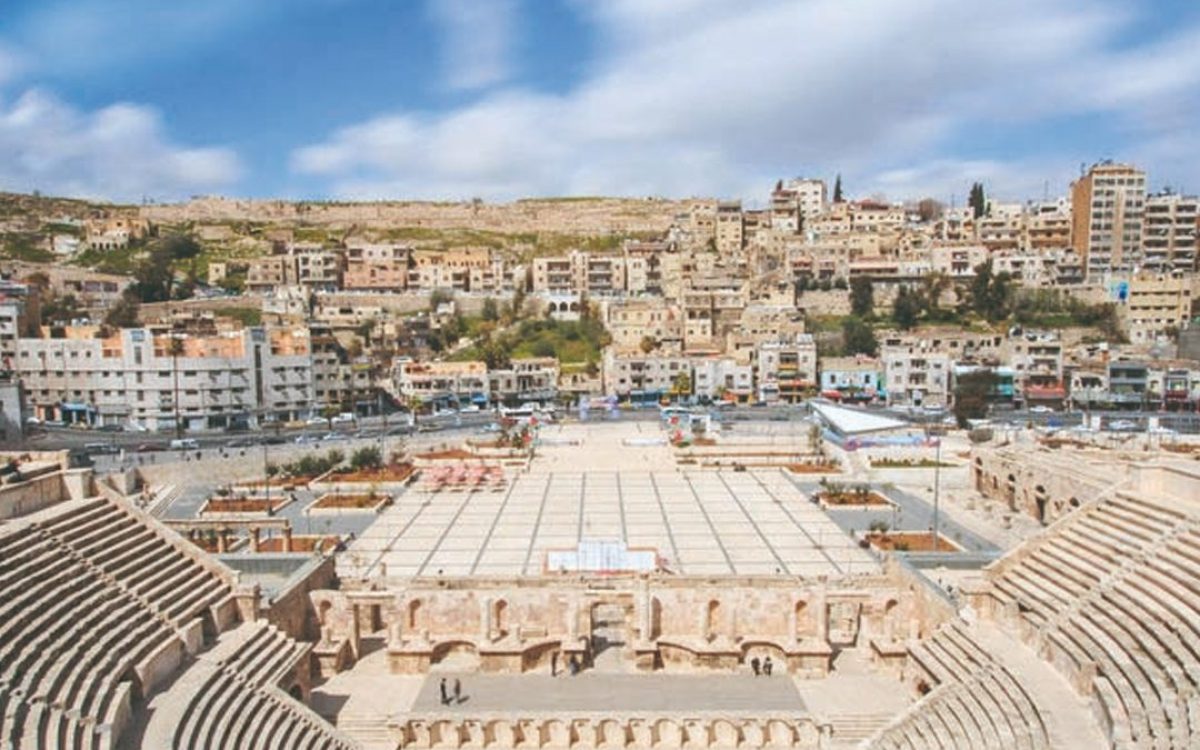
1. The Roman Theater: One of the most prominent historical landmarks in the heart of the capital, dating back to the 2nd century AD, showcasing the brilliance of Roman architecture.
2. The Citadel (Jabal al-Qal’a): An archaeological site housing remains of an Umayyad palace, Roman temples, and ruins from various eras. The hill provides panoramic views of the city.
These landmarks make Amman a city that preserves living history, allowing visitors to experience the past at every corner.
Modern and Contemporary Amman:
Despite its rich history, Amman today is a vibrant, modern city. Its main streets are filled with cafés, malls, and restaurants that reflect contemporary culture while blending seamlessly with local traditions.
Modern Neighborhoods:
- Al-Abdali: Considered the new heart of the capital, it features many modern buildings, government offices, and contemporary commercial centers.
- Abdoun: An upscale residential area known for fine dining and trendy cafés, popular among both visitors and locals.
- Shmeisani and Jubeiha: Neighborhoods that combine universities, commercial centers, and modern amenities, exemplifying the integration of daily life with contemporary spaces.
Contemporary Architecture:
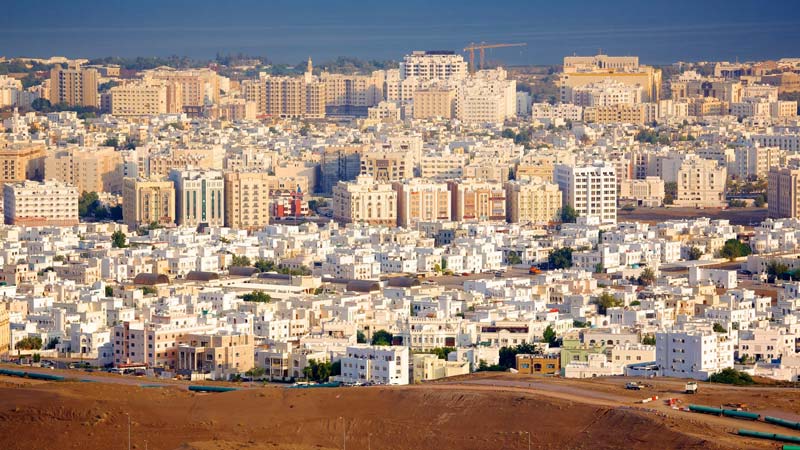
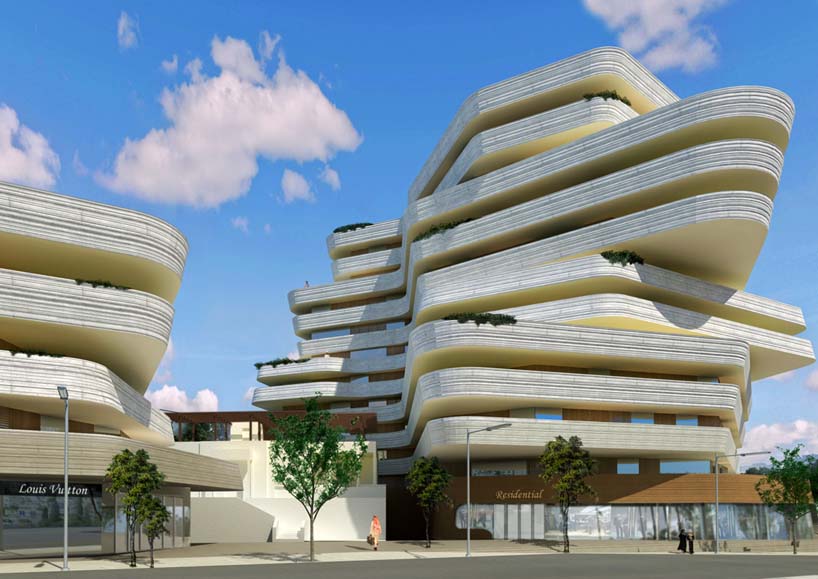
In Amman, visitors can observe a unique mix of architecture: towering modern buildings stand alongside traditional homes that retain classic Jordanian designs. This combination reflects the city’s evolving identity without losing its historical roots.
Omani Cuisine and Its Distinct Flavors:
Ammani cuisine reflects the country’s diverse heritage and historical interactions with various cultures. Its flavors are a delicious blend of Arab, Persian, Indian, and East African influences. Traditional dishes are often served in large pots, bringing family and guests together in a communal dining experience.
Some of the most famous Omani dishes include:
1. Shuwa (Grilled Meat): Typically lamb marinated with a special blend of spices, wrapped in banana leaves or palm fronds, and slow-cooked in an underground sand pit over burning coals for up to two days.
2. Majboos or Kabuli: A rice dish cooked with saffron and spices, combined with meat, chicken, or fish, similar to Indian biryani but with a unique Omani twist.
3. Omani Sweets: Made from sugar, ghee, rosewater, nuts, and saffron, cooked in large copper pots for hours with continuous stirring until they reach a firm, jelly-like consistency.
4. Omani Bread: Thin flatbread often eaten with honey, ghee, or cheese.
5. Thareed: Crumbled bread soaked in meat and vegetable broth.
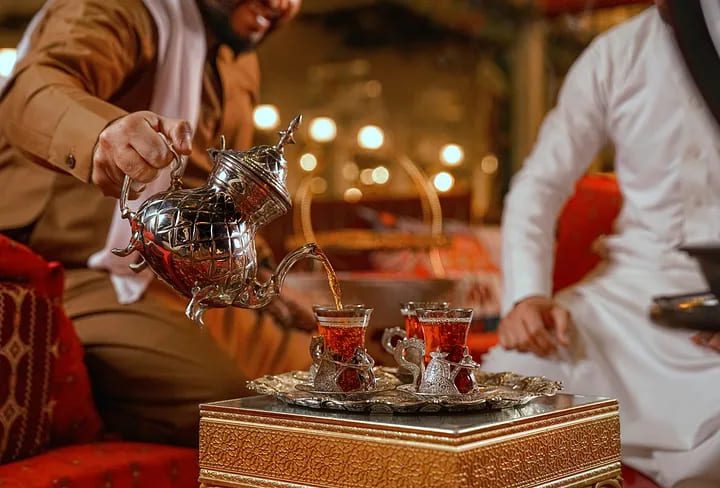
6. Omani Tea: Blended with cloves or milk, widely enjoyed in daily gatherings.
Markets and Shopping Centers:
No visit to Amman is complete without exploring its traditional markets, such as Al-Buzuriyah Souk, where visitors can buy handicrafts, local products, and traditional foods. Meanwhile, modern malls like Abdali Mall and Taj Mall offer a complete contemporary shopping experience.
Nature and Scenic Views:
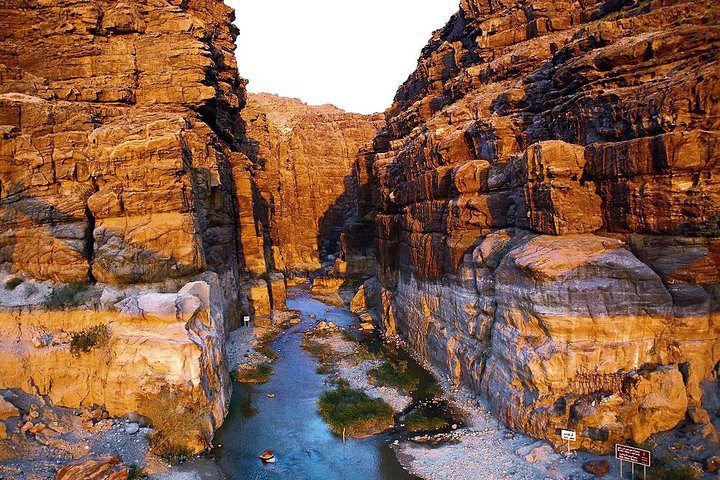
Although a modern city, Amman maintains natural beauty that distinguishes it from other capitals. Built on seven hills, the city offers breathtaking panoramic views. From the Citadel, visitors can see the city’s expanse, where modern buildings coexist with historic homes, reflecting the harmony between past and present.
Amman is also surrounded by beautiful countryside and nearby mountains, perfect for short trips to experience stunning landscapes and enjoy peaceful green areas away from the city’s hustle and bustle.
Amman is a city that uniquely blends history and modernity, allowing visitors to feel the essence of the past at the Roman Theater and the Citadel while enjoying contemporary life in its streets, restaurants, and malls. The city offers a complete experience that combines culture, nature, arts, and traditional cuisine, making it an ideal destination for those seeking a rich and diverse adventure.
By exploring Amman, visitors can fully appreciate the city’s rich history, stunning landscapes, cultural experiences, and unique blend of tradition and modernity. At Nutrition Travels, we provide all the tips and insights you need for an unforgettable journey.