

Quercetin is a plant-derived flavonoid naturally present in a wide variety of fruits, vegetables, and herbs. In recent years, researchers have shown increasing interest in the relationship between quercetin and immune function, largely due to its potential antioxidant activity, ability to influence inflammatory pathways, and role in supporting balanced immune responses.
Unlike immune stimulants that simply activate the immune system, quercetin acts as a natural immune modulator, meaning it helps regulate immune responses—supporting defense mechanisms while preventing excessive inflammation.
Understanding how quercetin works in the body provides valuable insight into its potential role in enhancing immune resilience and supporting overall health.
What Is Quercetin?
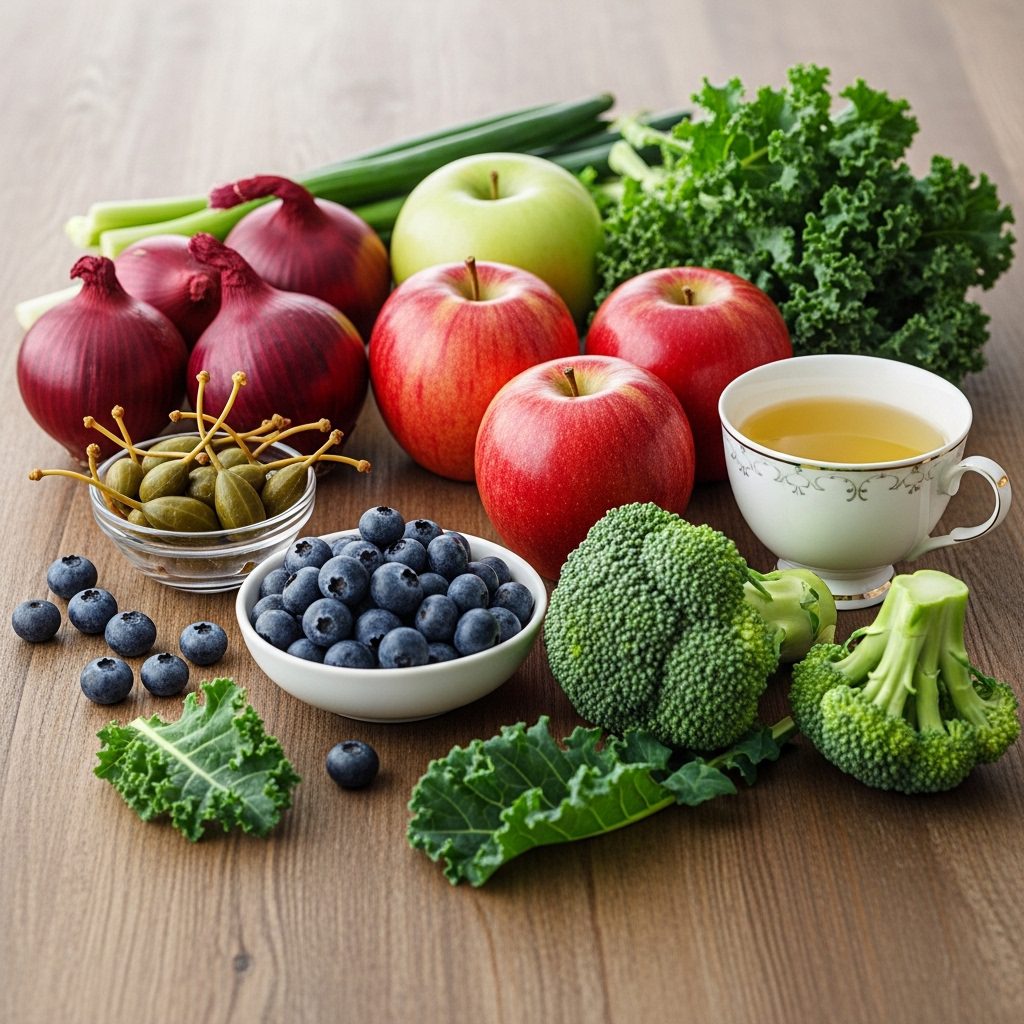
Quercetin occurs naturally in a variety of plant-based foods that people consume every day. Researchers have studied this flavonoid extensively due to its biological activity and its potential contribution to cellular health and overall wellness.
Rich dietary sources of quercetin include:
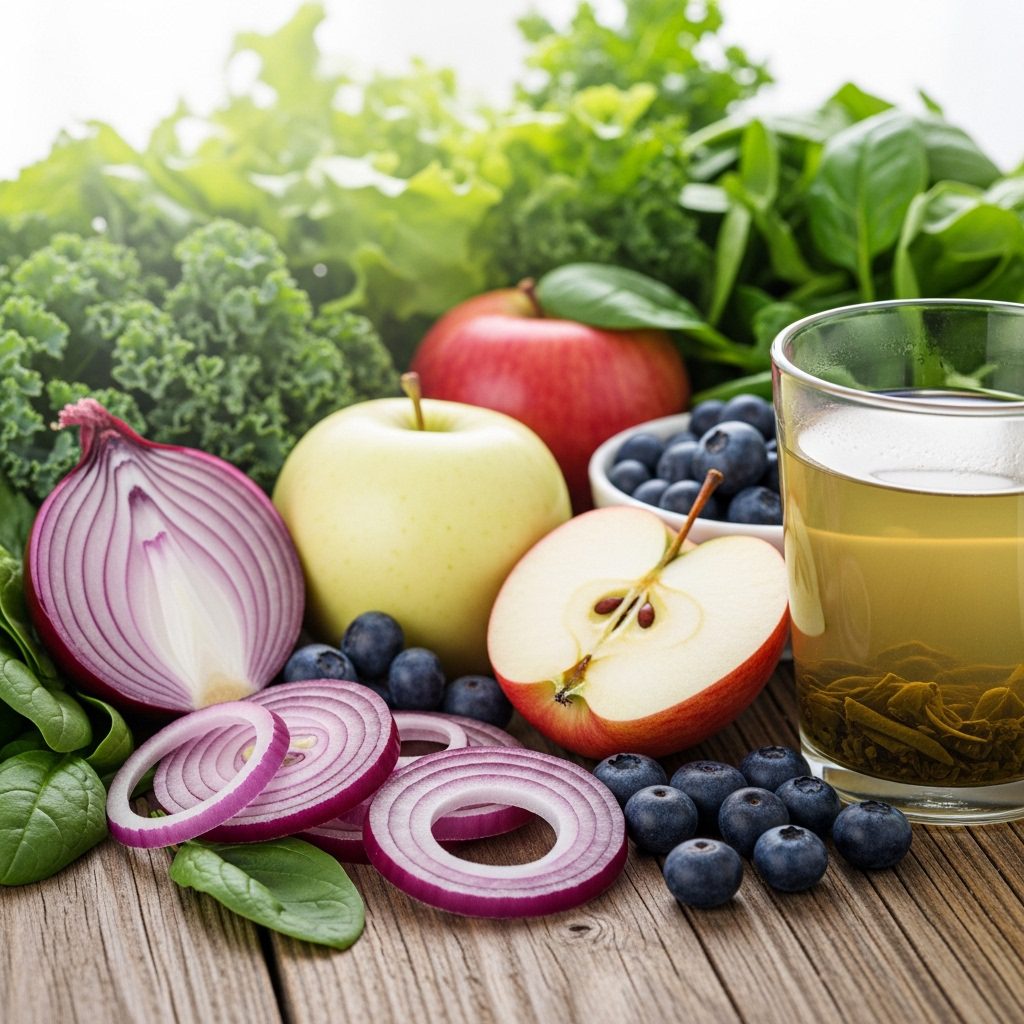
- Apples (especially the skin)
- Onions (particularly red onions)
- Berries
- Grapes
- Kale and leafy greens
- Broccoli
- Green tea
Because quercetin is widely distributed in plant foods, individuals consuming a diet rich in fruits and vegetables typically obtain moderate amounts naturally.

How Quercetin and Immune Function Are Connected:
The immune system must maintain balance. An underactive immune response increases susceptibility to infections, while an overactive response can lead to chronic inflammation or autoimmune conditions.
An immune modulator helps regulate this balance. Rather than overstimulating immune cells, quercetin appears to:
- Support healthy immune cell signaling
- Reduce excessive inflammatory responses
- Protect immune cells from oxidative stress
This balanced effect makes quercetin particularly interesting for long-term immune support.
Quercetin and Immune Function: Antioxidant Protection:
One of quercetin’s primary benefits lies in its strong antioxidant capacity. Oxidative stress happens when free radicals build up and overwhelm the body’s natural defenses, which can result in damage to different cells, including immune cells.
Quercetin helps:
- Neutralize free radicals
- Protect white blood cells from oxidative damage
- Support cellular integrity during infection or stress
By reducing oxidative stress, quercetin may enhance immune efficiency and resilience.
Anti-Inflammatory Effects:
Chronic inflammation can impair immune function and contribute to numerous health conditions. Quercetin has demonstrated anti-inflammatory activity by:
- Inhibiting inflammatory cytokines
- Suppressing histamine release
- Modulating inflammatory signaling pathways
This is especially relevant when the immune system responds too strongly, such as in allergies or respiratory inflammation.
Quercetin and Immune Function in Respiratory Health:
Some research findings suggest that quercetin could contribute to supporting immune protection within the respiratory tract. It has been studied for its potential to:
- Reduce upper respiratory tract infections
- Support antiviral defense mechanisms
- Decrease severity of cold-like symptoms
Some studies indicate that quercetin may interfere with viral replication in laboratory settings, although more human research is needed.
For individuals seeking natural immune support during seasonal changes, quercetin supplementation may provide additional resilience.

Synergy with Vitamin C and Zinc:
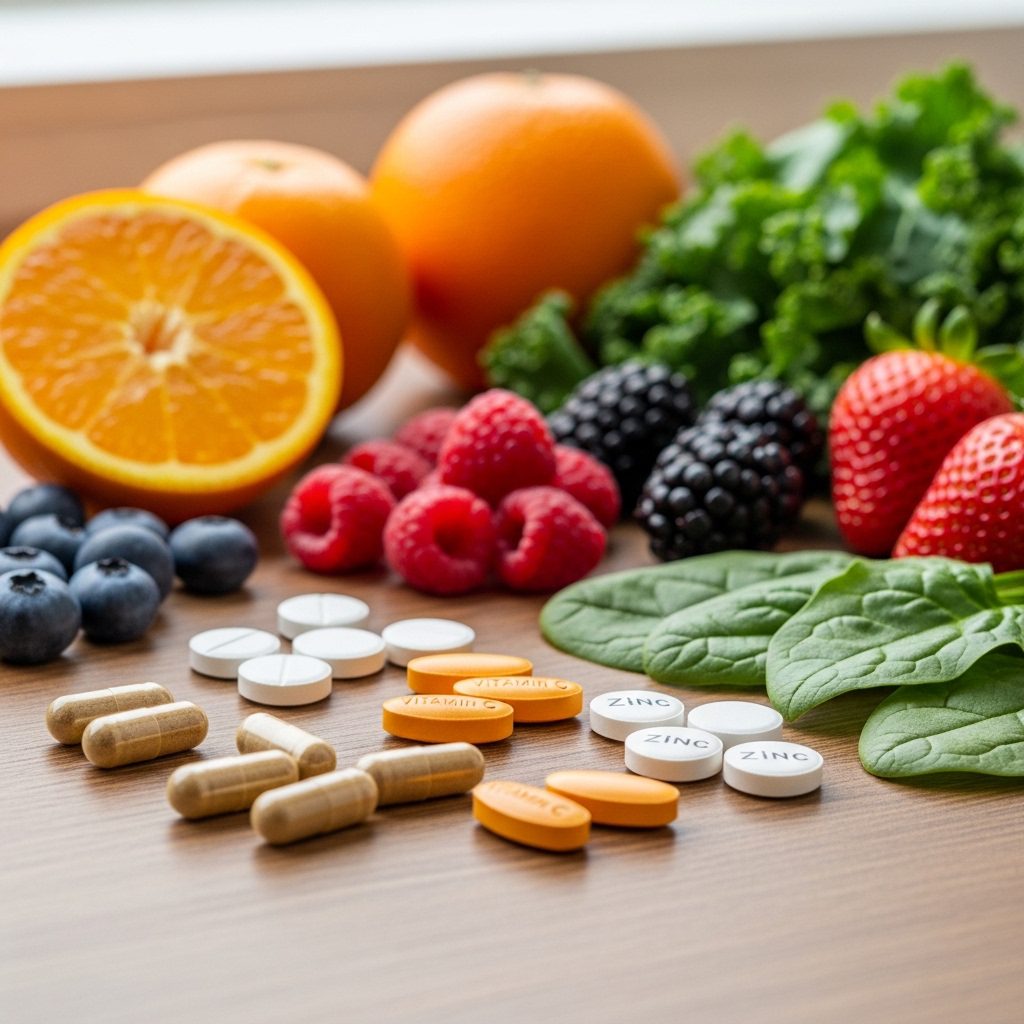
Quercetin often appears in supplements combined with vitamin C and zinc. This combination is strategic:
- Vitamin C: enhances antioxidant activity
- Zinc: supports immune cell development
- Quercetin: may help improve the way zinc enters cells, which could enhance its role in supporting immune processes
Together, these nutrients may offer complementary immune-supporting effects.
Quercetin and Immune Function in Older Adults:
As individuals age, immune efficiency declines—a process known as immunosenescence. Oxidative stress and chronic low-grade inflammation increase over time.
Because quercetin:
- Reduces oxidative stress
- Modulates inflammatory pathways
- Supports mitochondrial function
It may offer supportive benefits for older adults seeking to maintain immune vitality.
Dietary Intake vs. Supplementation:
While whole foods are ideal, obtaining therapeutic levels of quercetin through diet alone may be difficult.
Dietary Approach:
A plant-rich diet provides natural quercetin alongside fiber, vitamins, and phytonutrients.
Supplementation:
Quercetin supplements typically range from 500–1000 mg daily. Some advanced forms improve bioavailability, as quercetin naturally has limited absorption.
Always consult a healthcare provider before starting supplementation, particularly if taking medications.
Safety and Precautions:
Quercetin is generally considered safe when consumed in food amounts. In supplemental form:
- Mild digestive discomfort may occur in some individuals
- High doses over long periods require medical supervision
- May interact with certain medications, including antibiotics or blood pressure drugs
Pregnant or breastfeeding individuals should consult a healthcare professional before use.

Scientific Evidence and Research:
Several clinical studies suggest quercetin may:
- Reduce incidence of upper respiratory infections in physically stressed individuals
- Lower inflammatory markers
- Improve exercise recovery due to antioxidant effects
While research is promising, large-scale human trials are still ongoing to confirm long-term immune outcomes.
Practical Tips to Incorporate Quercetin:
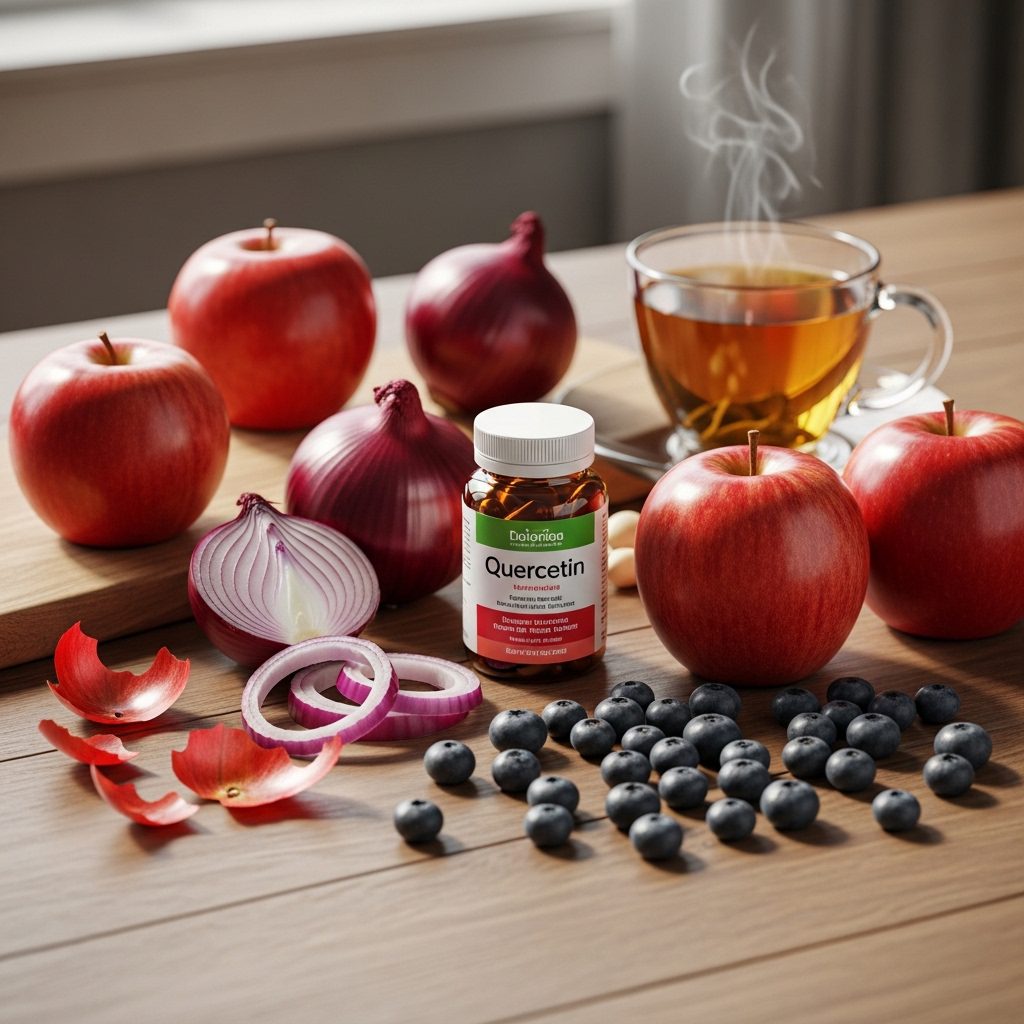
- Eat apples with the skin
- Include red onions in salads and meals
- Drink green tea regularly
- Add berries to breakfast
- Consider high-quality supplements during high-stress or cold seasons
Consistency is key when supporting immune function naturally.
In conclusion, quercetin and immune function represent a powerful connection between nature and modern health science. By supporting antioxidant defense, regulating inflammation, and promoting immune balance, quercetin offers a strategic, evidence-based approach to strengthening resilience without overstimulation.
If you’re looking to enhance your immune health naturally, start by incorporating quercetin-rich foods into your daily meals and adopting supportive lifestyle habits such as quality sleep, stress reduction, and regular movement. Small, consistent changes can create lasting improvements in overall vitality.
For more science-backed nutrition insights and practical wellness strategies, explore Nutrition Travels—your trusted source for evidence-based guidance toward a stronger, healthier life.