
When it comes to losing weight, many people turn to “zero-calorie” drinks as a guilt-free way to satisfy their thirst without consuming extra calories.
These drinks promise flavor without sugar, sweetness without guilt, and refreshment without added energy — but do they actually help you shed pounds?
In this guide from Nutrition Travels, we’ll uncover what science really says about zero-calorie beverages, how they affect your body, and whether they’re truly a smart choice for weight management.
What Are Zero-Calorie Drinks?
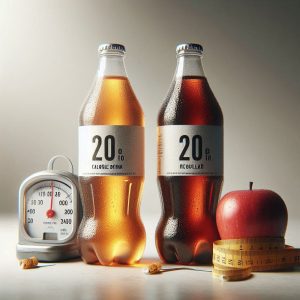
Zero-calorie drinks are beverages that contain little to no calories. They’re usually sweetened with artificial or non-nutritive sweeteners instead of sugar.
Common examples include:
- Water – the healthiest, calorie-free hydration option.
- Black coffee and unsweetened tea – naturally free from calories unless you add sugar or milk.
- Diet or “Zero” soft drinks – use low-calorie sweeteners such as aspartame or sucralose.
- Herbal teas – like ginger or mint, when consumed without added sugar.
Note: Even if labeled “zero-calorie,” some drinks may contain trace calories (less than 5 per serving), which can add up over time.

Do Zero-Calorie Drinks Actually Help You Lose Weight?
The answer isn’t as simple as it sounds — not necessarily.
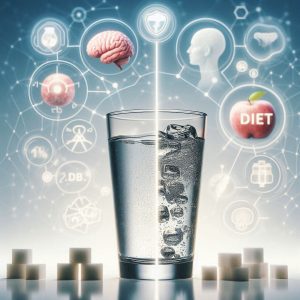
While they reduce calorie intake from sugar, zero-calorie drinks can have mixed effects on your metabolism and appetite.
- They Can Confuse Your Brain and Increase Cravings
Artificial sweeteners give your brain the sweet taste it craves but without delivering actual energy.
This can confuse your hunger signals, leading to stronger cravings for sugary or high-calorie foods later in the day.
- They Might Affect Gut Health
Studies show that some artificial sweeteners can alter the balance of gut bacteria, which influences metabolism, digestion, and even weight gain.
- They May Influence Insulin Response
Even though these drinks don’t contain real sugar, their sweet taste can still trigger an insulin response, making it harder for your body to regulate blood sugar levels efficiently.
Diet Coke vs. Coke Zero — What’s the Difference?
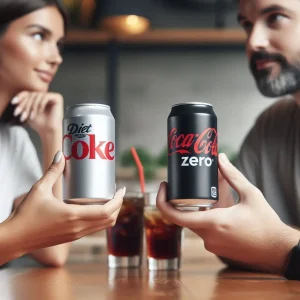
Both are marketed as sugar-free options, but there are subtle differences:
| Feature | Diet Coke | Coke Zero |
| Sweeteners | Aspartame | Aspartame + Acesulfame Potassium |
| Flavor | Lighter, slightly different from original Coke | Designed to taste closer to classic Coke |
| Marketing | Targets those watching calories or dieting | Aimed at younger audiences who want the “original taste” without sugar |
Despite their differences, both drinks contain zero sugar and nearly zero calories, but neither can be called truly “healthy.”
Potential Downsides of Zero-Calorie Drinks
While they might seem harmless, research links frequent consumption of diet or zero-calorie beverages to several health risks:
- Dental erosion: Their acidity can weaken tooth enamel.
- Increased appetite: Artificial sweeteners can trigger hunger and cravings.
- Gut imbalance: Sweeteners may disrupt healthy gut bacteria.
- Reduced bone density: Some studies suggest links to lower bone mineral content.
- Insulin resistance: May increase risk of type 2 diabetes despite having no sugar.
According to research cited by Mayo Clinic, moderation is key — these drinks can be used occasionally but shouldn’t replace natural hydration sources like water.
Relative Benefits (in Moderation)
Zero-calorie drinks may still offer a few advantages when used wisely:
- Help reduce overall calorie intake if replacing sugary sodas.
- Provide a sugar-free alternative for people with diabetes.
- Can be a temporary transition toward healthier habits.
However, using them as a long-term solution may lead to unhealthy dependency on sweetness and reduced awareness of natural flavors.
Healthier Alternatives to Zero-Calorie Drinks
Instead of relying on artificial sweeteners, try these natural and refreshing options:
- Infused water: Add lemon, cucumber, or berries to enhance flavor.
- Sparkling water with natural flavor: Avoid versions with sweeteners.
- Unsweetened herbal teas: Like chamomile, peppermint, or ginger tea.
- Black coffee or green tea: Both support metabolism when consumed without sugar.
- Stevia-based drinks: Naturally sweetened options such as Green Cola or Zevia.
Tip: Choose beverages that support hydration and health — not just calorie control.

How to Make Better Beverage Choices
Follow these simple strategies to make mindful, health-conscious choices:
- Read nutrition labels — look for hidden sugars or sweeteners.
- Avoid overconsumption — even “diet” drinks can cause harm if taken excessively.
- Prioritize water — aim for 6–8 glasses daily as your main hydration source.
- Consult a nutritionist — especially if you’re managing diabetes or obesity.
Water vs. Zero-Calorie Drinks: The Real Winner
No competition here — water always wins.
| Aspect | Water | Zero-Calorie Drinks |
| Nutrients | Essential for all body functions | None |
| Effect on Teeth | Neutral | Acidic – may erode enamel |
| Hydration | Perfect | May contain sodium/caffeine |
| Long-Term Impact | Promotes health and metabolism | Linked to cravings and gut imbalance |
Water not only hydrates but also helps regulate body temperature, cleanse toxins, and support every metabolic process. Zero-calorie sodas, on the other hand, offer no nutritional value and may harm your gut and dental health over time.
Final Thoughts
Zero-calorie drinks aren’t magic solutions for weight loss.
While they can help cut down sugar temporarily, they might also disrupt appetite control, gut balance, and long-term health.
The real key to losing weight lies in balanced nutrition, portion control, and drinking plenty of water.
At Nutrition Travels, we believe that small, sustainable lifestyle changes — not shortcuts — lead to real health transformations.
Ready to make smarter choices for your body and health?
Visit Nutrition Travels to explore practical guides, healthy recipes, and expert tips for mindful living every day.