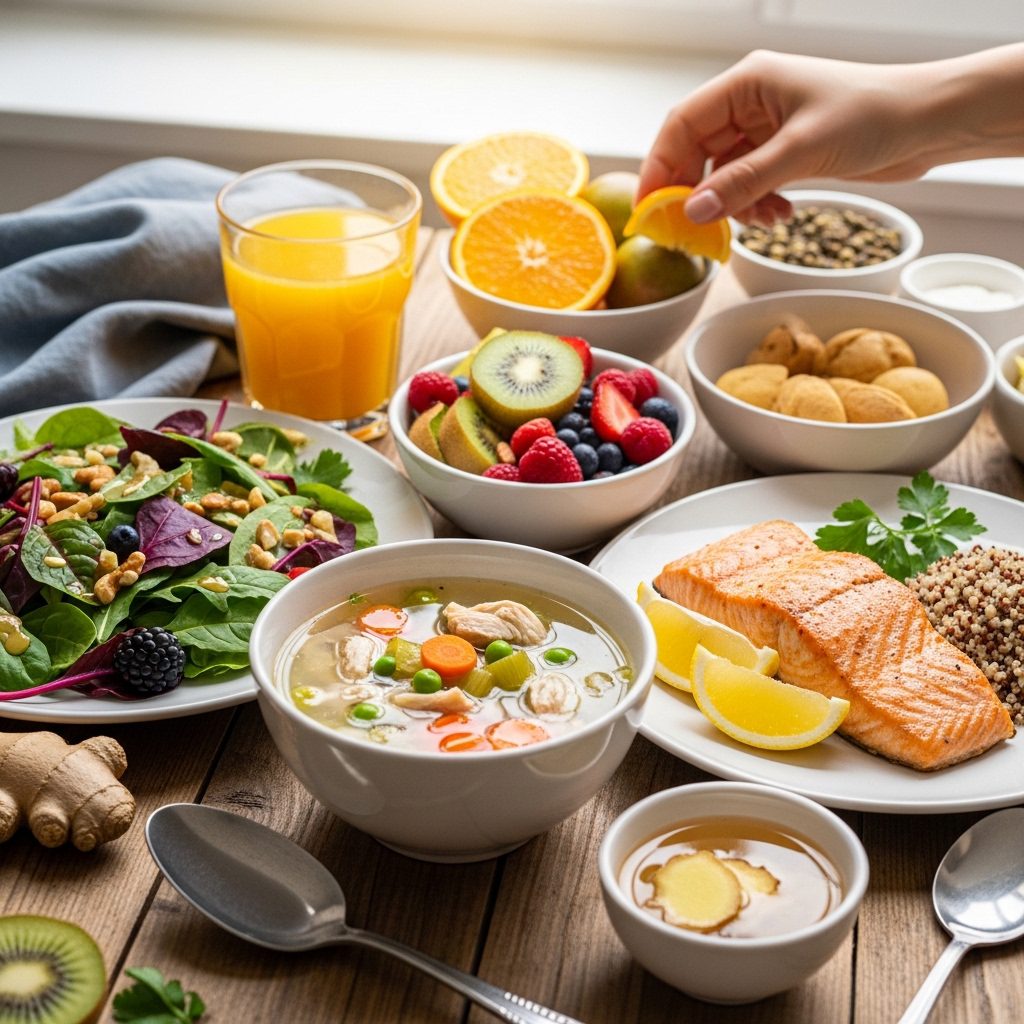

As we age, our nutritional needs change and our health becomes more susceptible to the impact of our diet. Therefore, it becomes essential to adopt a healthy dietary lifestyle that helps us maintain our health, stay active, and live longer. In this article, we will provide you with effective tips to improve the dietary lifestyle for the Elderly:
1- Eat Balanced Meals
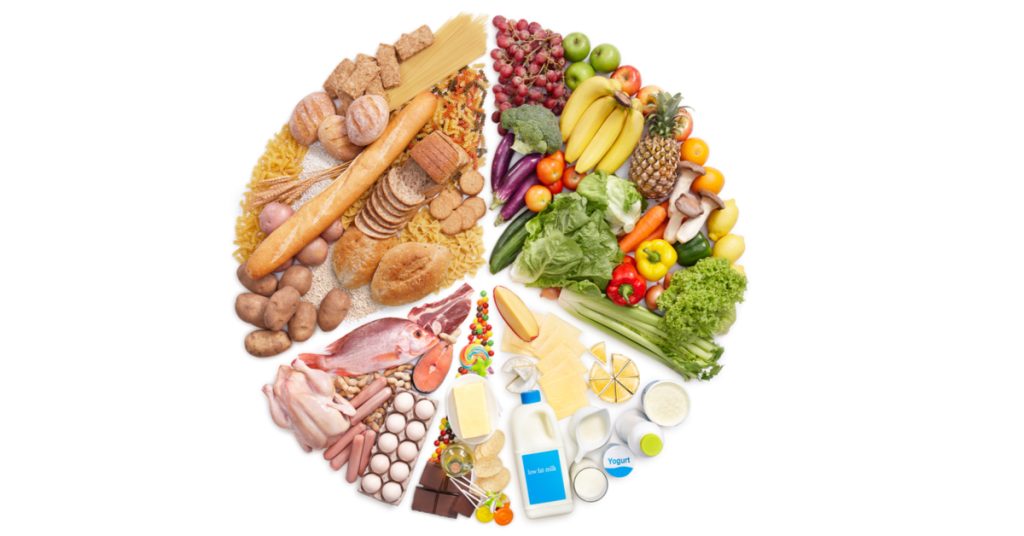
The power of fresh produce: Fill half your plate with colorful fruits and vegetables. They are packed with vitamins and minerals, to keep you active and thriving. Fat-free protein: A quarter of your plate contains fat-free protein, such as: grilled chicken, fish, or chickpeas. And whole grains – the last quarter, such as brown rice and quinoa. By creating this balanced dish, you are ensuring that your body gets all the essential nutrients it needs.
2- Control Portion Sizes
Overcome your hunger for portion control! Replace those large meals with smaller ones. A regular serving will suddenly feel like a reward, tricking your brain into feeling full and happy. Ditch the snacking strategy straight out of the bag. Measure a serving first to avoid falling victim to hidden calories and sudden overconsumption.
3- Eat Fiber-Rich Foods
Fiber helps improve digestion and reduces the risk of heart disease, making it your heart’s bodyguard. It also helps keep blood sugar levels under control, reducing the risk of diabetes. Eat fruits like berries and apples, vegetables like brown rice and wheat, and whole grains like beans, lentils, and chickpeas.
4- Drink Adequate Amounts of Water
Dehydration can turn you into a mess. It is recommended to drink eight glasses of water a day. Or by eating fruits and vegetables such as watermelon, cucumbers, and berries with water.

5- Reduce Added Sugars Intake
Eating too much sugar can destroy blood sugar levels. Excessive consumption leads to weight gain, which makes you feel stressed, so it is recommended to read food labels to avoid added sugars and choose natural sweeteners such as fruits.
6- Limit Saturated and Trans fat intake
Saturated and trans fats found in fried foods and pastries can raise your blood cholesterol, putting your heart at risk. Eat healthy fats such as olive oil, avocado, and nuts.
7- Consume Proteins Moderately
Protein helps build and repair tissue, keeping you strong and ready for any adventure. Think of it as the raw material for your bodybuilding crew like lean meats, fish, poultry, eggs, legumes, and nuts. The amount of proteins should be moderate and balanced with other nutrients.
8- Avoid Processed Foods
Processed foods are full of sneaky goodies like preservatives, added sugars, and unhealthy fats. Think fruits, vegetables and lean proteins – these are the real things packed with nutrients that will leave you feeling energized and thriving. Cooking at home can be a good option to ensure you eat healthy and nutritious meals.
9- Stick to a Meal Schedule
Schedule three main meals and two healthy snacks throughout the day. It keeps your energy levels stable. Eat at fixed times every day. This helps regulate your appetite and keeps your body on a predictable schedule, making it easier to resist unhealthy temptations. Having healthy options readily available prevents you from reaching for sugary or fatty snacks when you feel hungry.
10- Exercise Regularly
Physical activity is your secret weapon to a great life! It’s not about punishment or boring routine. Exercise boosts your metabolism, which is your internal furnace that burns calories. The more you move, the more efficiently your body burns fuel, helping you reach your fitness goals faster.

11- Avoid Unhealthy Eating Habits
Turn off the TV and put down your phone! Focus on your food, savor the flavors, and appreciate the nutrition it provides. Think of it as an opportunity to reconnect with your body and enjoy the eating experience. Eating slowly helps with digestion, and also allows you to feel satisfied by eating smaller amounts of food.
12- Get Enough Sleep
Sleep recharges your brain and improves focus, memory, and creativity. Sleep repairs your body strengthens your immune system, and helps regulate hormones. Lack of sleep can ruin your eating habits. You may crave unhealthy foods that give you a quick sugar rush. But a good night’s sleep keeps your cravings in check and helps you make healthy choices. Aim for 7-9 hours of sleep every night.
13- Consult a Nutritionist
If you are having a hard time modifying your diet, it may be helpful to consult a nutritionist. A nutritionist can provide you with customized meal plans that meet your health needs and help you achieve your goals.

Improving the nutritional lifestyle of the elderly requires commitment to eating balanced meals, controlling portion sizes, eating foods rich in fiber, and reducing sugars and unhealthy fats. These are nutritional tips for a healthy lifestyle for seniors to enhance their overall health and prevent chronic diseases, which contributes to a healthier and happier life.