
With the growing interest in healthy lifestyles and environmental awareness, many people today are turning to a vegetarian diet as a sustainable and healthy choice. The vegetarian diet relies on vegetables, fruits, grains, legumes, nuts, and seeds, and is characterized by being low in saturated fats and high in fiber and antioxidants. However, despite its many benefits, this diet raises an important question: Do vegetarians need dietary supplements, or can they rely solely on plant-based foods?
In this article, we will discuss in detail the importance of dietary supplements for vegetarians, the nutrients that may be lacking, the most common supplements, and how to plan a vegetarian diet to minimize dependency on them.
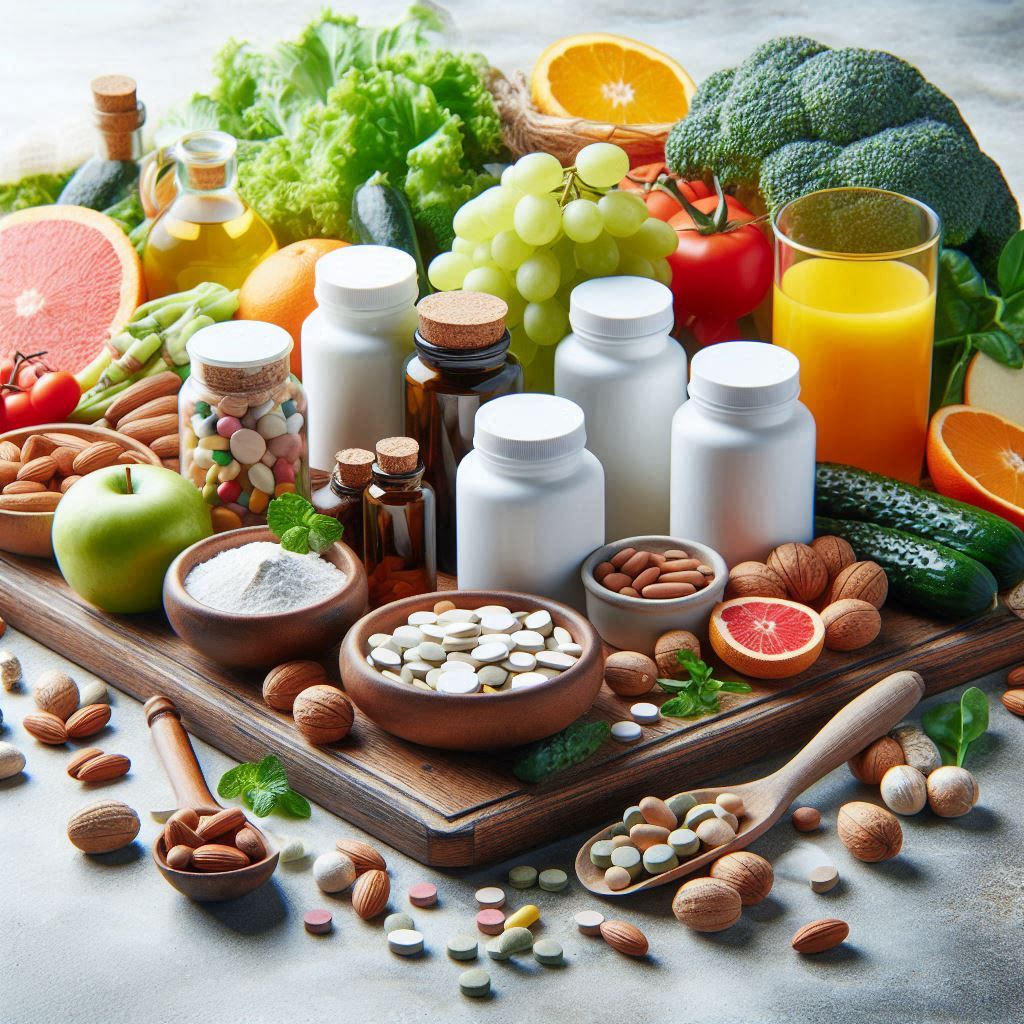
Why Might Vegetarians Need Dietary Supplements?
The vegetarian diet is rich in many nutrients such as fiber, plant-based vitamins, minerals, and antioxidants. However, there are some essential nutrients that can be difficult to obtain in sufficient amounts from plant-based sources alone, including:
1. Vitamin B12:
Vitamin B12 deficiency is more common among vegetarians, as they avoid animal-based sources rich in it such as meat, eggs, dairy products, and fish.
Vitamin B12 is essential for human health because it helps produce red blood cells, supports brain function, and synthesizes DNA.
Common symptoms of B12 deficiency include chronic fatigue, mood swings, and memory problems.
2. Vitamin D:
Vegetarians are at risk of vitamin D deficiency due to the limited natural sources in their daily meals.
Deficiency may cause a range of symptoms such as bone pain, frequent colds, mood swings, or seasonal depression.
Vitamin D plays a vital role in strengthening the immune system, enhancing calcium absorption, and improving mood.

3. Iron:
While iron is naturally present in many plant foods such as lentils and spinach, the body struggles to absorb non-heme iron from plants compared to animal sources.
Vegetarians may need iron supplements, since deficiency increases the risk of anemia, fatigue, weakness, and brain fog.
4. Calcium:
Calcium is essential for the health of bones, teeth, muscles, and nerves.
Some vegetarians may not get enough calcium if they avoid dairy products.
It can be obtained from leafy greens and fortified soy milk, but supplements may still be necessary in certain cases.
5. Omega-3 Fatty Acids:
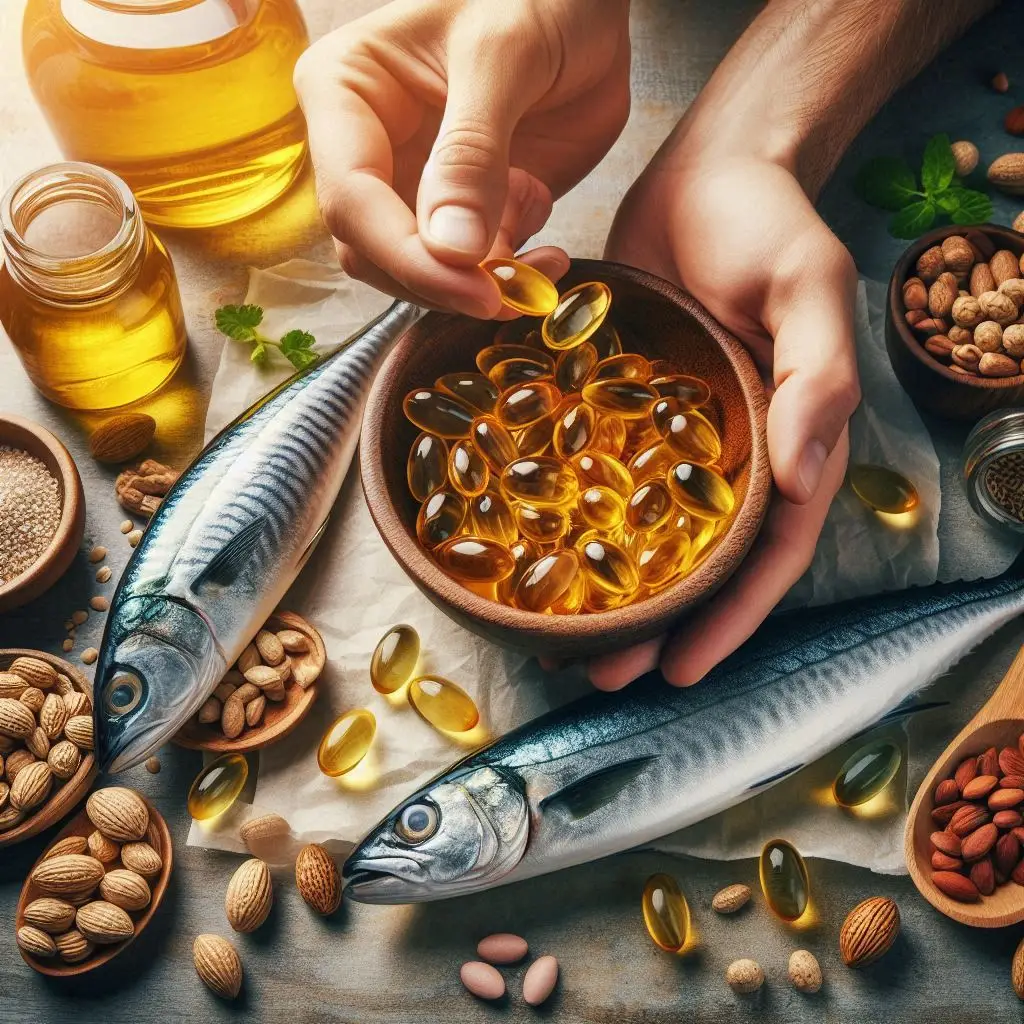
Vegetarians are encouraged to consume fish oil capsules because omega-3 fatty acids are vital for heart health, reducing inflammation, and maintaining hormonal balance.
Although omega-3 is found in plant-based foods like seeds and nuts, the body’s ability to convert these forms is limited.
Omega-3 deficiency can lead to depression, poor cognitive function, and inflammation-related diseases.
Health Benefits of Supplements for Vegetarians:
Using dietary supplements wisely can help vegetarians:
1. Avoid deficiencies in essential vitamins and minerals.
2. Maintain energy and daily activity.
3. Support the health of the brain, heart, and bones.
4. Reduce the risk of anemia and neurological problems.

Risks of Over-Supplementation:
Despite their benefits, excessive intake of supplements can lead to health issues:
1. Vitamin B12: Rarely causes problems at normal doses, but very high doses are unnecessary.
2. Iron: Excess intake may cause digestive issues or liver damage.
3. Vitamin D and Calcium: High doses can result in vascular calcification and kidney problems.
That’s why it’s important to consult a nutritionist or doctor before starting any supplement.

The vegetarian diet is healthy and beneficial, but it requires careful planning to avoid deficiencies in key nutrients. Supplements are not a luxury for vegetarians but sometimes a necessity, especially for Vitamin B12, Vitamin D, and Omega-3 fatty acids. Other nutrients can often be managed through smart dietary planning and a variety of plant-based foods.
And if you’re looking for a reliable resource to guide you in choosing the right supplements and planning a well-balanced vegetarian diet, you’ll find everything you need at Nutrition Travels — from practical tips to expert insights — to help you live a safe and healthy vegetarian lifestyle.