
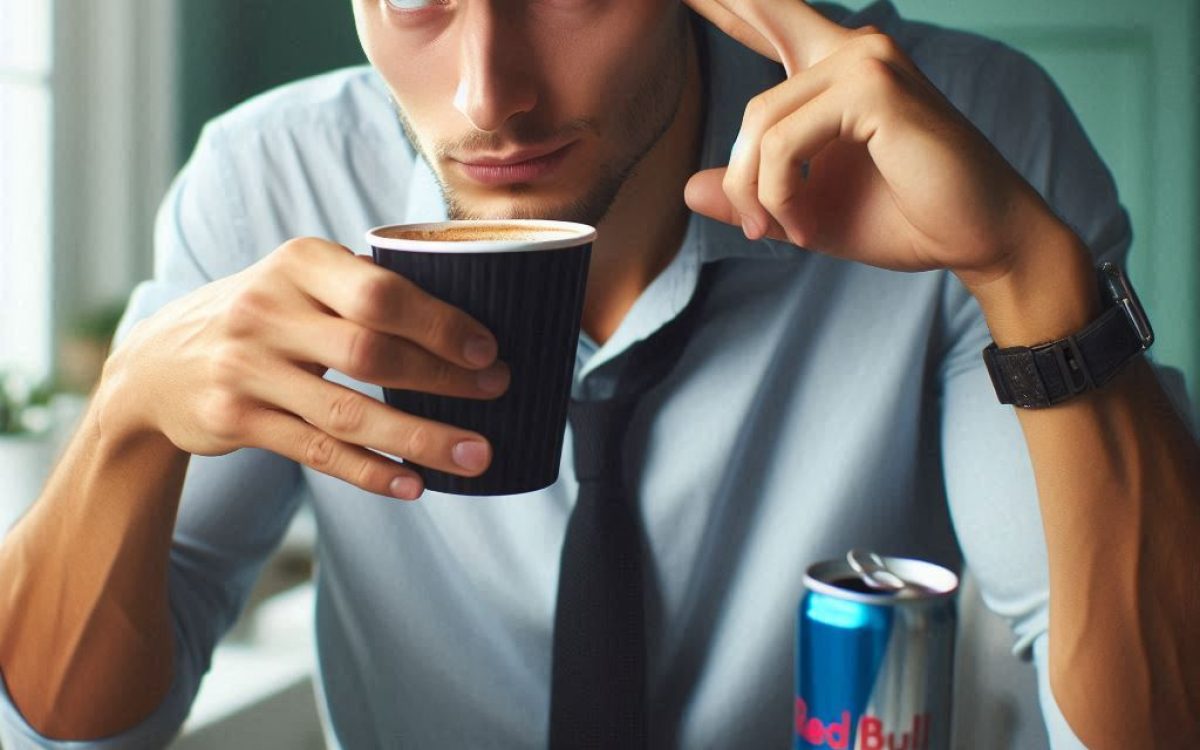
Caffeine is one of the most widely consumed stimulants in the world. Found in coffee, tea, energy drinks, sodas, and even chocolate, it is deeply woven into modern life. Millions of people start their day with a cup of coffee, using caffeine as a tool to improve focus, boost alertness, and stay productive. But for some, caffeine comes with an unwelcome side effect—feelings of nervousness, restlessness, and anxiety.
The big question is: can caffeine really cause anxiety, and if so, how? The answer is more complex than a simple yes or no. Let’s dive into the science, explore why some people are more vulnerable, and share practical tips to enjoy caffeine without sacrificing your peace of mind.

How Caffeine Interacts with the Brain
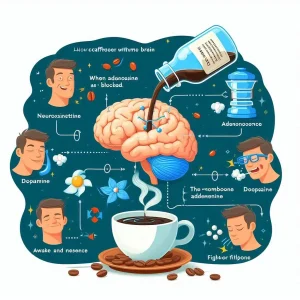
Caffeine works primarily by blocking adenosine, a neurotransmitter that promotes relaxation and sleepiness. When adenosine is blocked, the brain feels more awake and alert. This is why a morning coffee can feel like magic after a night of poor sleep.
At the same time, caffeine stimulates the release of dopamine, the “feel-good” chemical, and adrenaline, the hormone linked to the body’s “fight-or-flight” response. While this combination can enhance focus and energy, it also explains why high doses may trigger anxiety-like symptoms—racing heart, sweaty palms, or a sense of unease.
The Link Between Caffeine and Anxiety
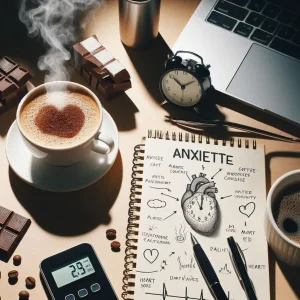
Research has shown that caffeine can both trigger anxiety symptoms and worsen pre-existing anxiety disorders. For example:
- A study in the Journal of Psychopharmacology found that high caffeine intake increased restlessness and nervousness in participants.
- People with panic disorder or generalized anxiety disorder are more likely to experience panic-like symptoms even after moderate caffeine intake.
- Symptoms such as insomnia, palpitations, and digestive upset often overlap with anxiety, making it harder to distinguish whether caffeine or stress is the main culprit.
In short, caffeine doesn’t create anxiety out of nowhere, but it can amplify existing tendencies or push sensitive individuals toward anxious feelings.
Why Sensitivity Varies from Person to Person
Not everyone reacts to caffeine the same way. You might know someone who drinks five cups of coffee a day with no issue, while another person feels jittery after just half a cup. The difference lies in:
- Genetics: Certain genetic variations affect how quickly the liver metabolizes caffeine. Slow metabolizers feel stronger effects for longer.
- Existing anxiety levels: People with anxiety disorders are more vulnerable to caffeine’s stimulating impact.
- Sleep quality: If you’re already sleep-deprived, caffeine may worsen irritability and anxiety.
- Age and body size: Younger people and those with smaller body mass may feel stronger effects.
- Medication interactions: Some antidepressants, asthma medications, or stimulants can intensify caffeine’s impact.

How Much Caffeine Is Safe?
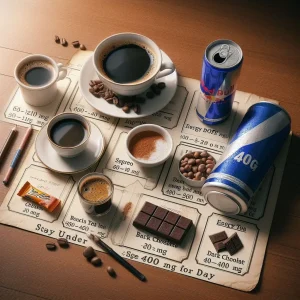
The general guideline from health authorities is to keep caffeine intake under 400 mg per day—roughly the amount in four small cups of brewed coffee. But “safe” is relative. Some people thrive on this amount, while others struggle with as little as 100 mg.
To put it into perspective:
- 1 cup of brewed coffee: 95–120 mg
- 1 shot of espresso: 60–80 mg
- 1 can of energy drink: 80–200 mg
- 1 cup of black tea: 40–60 mg
- 1 bar of dark chocolate: 20–40 mg
Tracking your intake can help you identify whether caffeine is playing a role in your anxiety.
Practical Strategies to Reduce Caffeine-Induced Anxiety
If you love your morning coffee but hate the anxious side effects, you don’t necessarily need to give up caffeine altogether. Instead, try these strategies:
- Start small: Instead of a large latte, try a smaller cup and see how your body reacts.
- Spread out your intake: Drink smaller amounts throughout the day rather than one big dose.
- Avoid caffeine after 2 p.m.: This helps protect your sleep, which is closely linked to anxiety.
- Pair with food: Consuming caffeine on an empty stomach can intensify jitters.
- Hydrate well: Water helps your body process caffeine more efficiently.
- Experiment with alternatives: Decaf coffee, green tea, or herbal teas provide flavor without overstimulation.
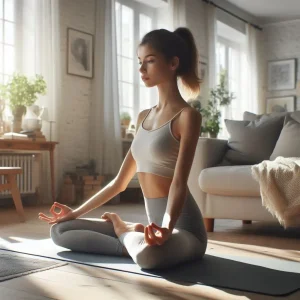
- Practice calming techniques: If you feel anxious after caffeine, try deep breathing, stretching, or a short walk to rebalance your nervous system.
Beyond Coffee: Hidden Sources of Caffeine
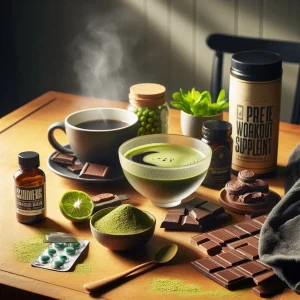
It’s not just coffee you need to watch out for. Many people overlook hidden caffeine sources, such as:
- Green tea and matcha (often marketed as “healthy” but still contain stimulants).
- Pre-workout supplements (which may contain very high doses of caffeine).
- Pain relievers (some over-the-counter medications include caffeine to boost effectiveness).
- Chocolate and cocoa-based snacks.
Being mindful of all these sources can make a huge difference in managing your anxiety levels.
When to Seek Professional Guidance
If you notice persistent anxiety, panic attacks, or sleep disturbances, and caffeine seems to be a trigger, it may be time to consult a doctor or mental health professional. They can help determine whether reducing caffeine intake—or eliminating it altogether—is the best step for your wellbeing.
For individuals with diagnosed anxiety disorders, caffeine reduction is often recommended as part of treatment.
Final Thoughts
Caffeine is both a beloved friend and a potential foe. For many, it provides focus, productivity, and a sense of energy. But for others, it can push the nervous system into overdrive, intensifying feelings of stress and anxiety.
The key is self-awareness. Pay attention to how your body responds, track your daily intake, and don’t be afraid to cut back if you notice negative effects. Balance—not total restriction—is often the best path.
And remember, your health and peace of mind matter more than a quick caffeine boost.
If you’re ready to explore more about nutrition, mental health, and how to build a lifestyle that supports calm energy, let Nutrition Travels be your guide. Together, we’ll help you enjoy life’s little pleasures without letting caffeine control your mood.