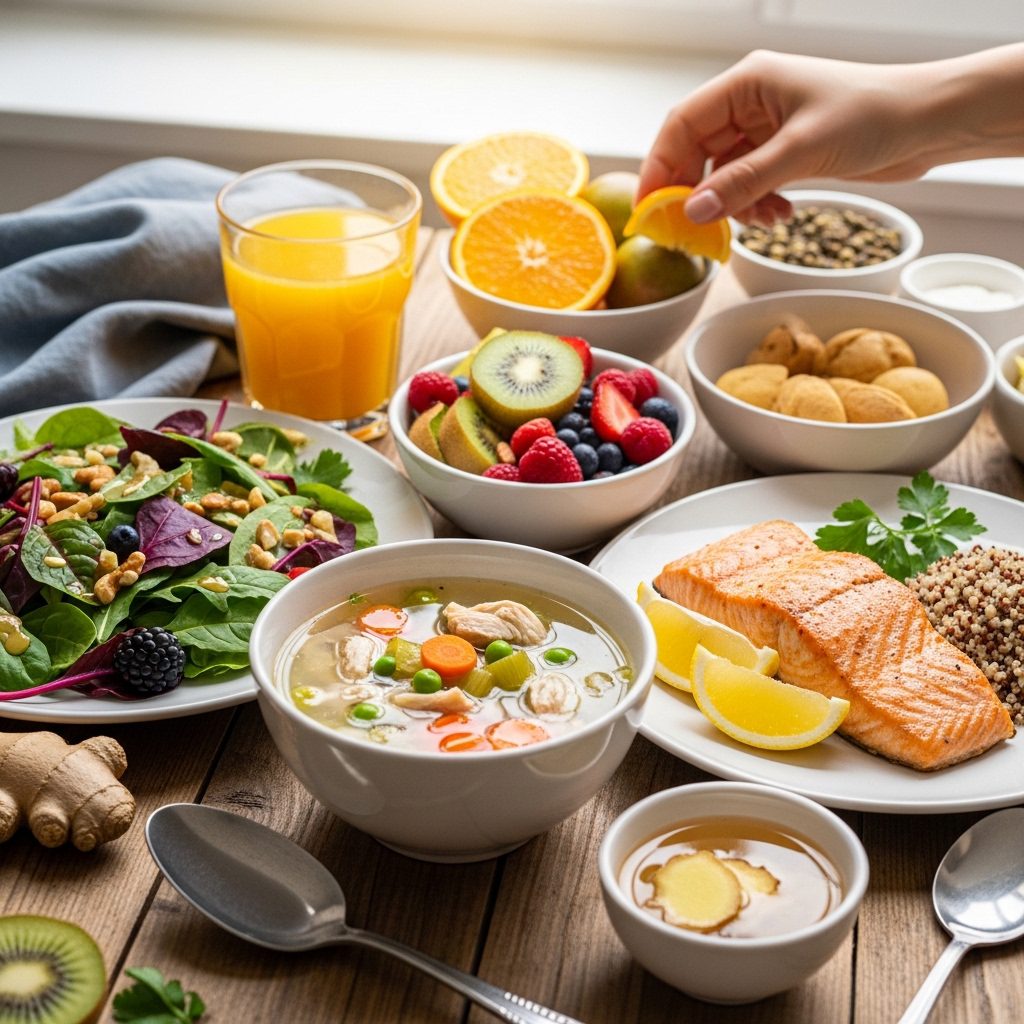

Pregnancy is a time of incredible transformation! Your body is creating a miracle, and proper nutrition is your superpower. By making smart choices about what you eat, you’re giving your baby the best possible start for a healthy life – and keeping yourself energized throughout this amazing adventure. Let’s dive into the best tips for maintaining your nutritional health during pregnancy!
The best tips for maintaining your nutritional health during pregnancy:

1- Eat Balanced Meals
Balanced meals are the foundation of nutritional health during pregnancy. Make sure you consume a variety of foods that include:
Protein Powers:
Lean meat, poultry, fish, eggs, and legumes: Think of them as bite-sized pieces that help build strong bones and muscles for your baby. Include a variety of these protein sources in your meals to support your child’s development.
Complex carbohydrates:
Whole grains like brown rice, oats, and quinoa: These complex carbohydrates provide sustained energy, keeping you and your baby feeling energized throughout the day. It also promotes digestive health.
Healthy fats:
Avocados, nuts, seeds, olive oil: These healthy fats are essential for your baby’s brain development. They provide the building blocks for neurons, ensuring that your little one grows smart and strong.
Fruits and vegetables:
A variety of fruits and vegetables: Incorporate a colorful array of fruits and vegetables into your diet. These nutrient-rich powerhouses not only boost your immune system but also provide essential vitamins, minerals, and fiber that support your overall health and well-being.
2- Take Vitamin and Mineral Supplements
Give your baby the best start possible by ensuring he gets all the essential vitamins and minerals for healthy development.
Folic Acid:
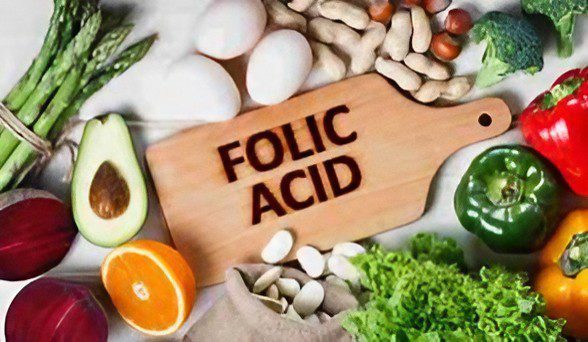
Folic acid helps prevent neural tube defects, which can affect the brain and spinal cord. Recommended intake is 400-800 mcg daily, ideally even before pregnancy and throughout the first trimester of pregnancy. It is readily available in prenatal vitamins and can also be found in foods such as green leafy vegetables, lentils, and fortified grains.
Iron:
Iron is necessary for the formation of red blood cells, which carry oxygen throughout your body and to your baby. This oxygen keeps you and your baby active and feeling your best. To make sure you get enough iron, doctors generally recommend 27 mg daily throughout your pregnancy.
Calcium:
Calcium is essential for the development of your baby’s bones and teeth, ensuring that he or she grows strong and healthy. Doctors typically recommend that pregnant women consume 1,000 mg of calcium daily to support their own needs and the growth of their babies. Dairy products such as milk, yogurt, and cheese are excellent sources of calcium. Green leafy vegetables like kale and broccoli are also calcium stars.
Vitamin D:
It helps your body absorb calcium, which is essential for building strong bones and teeth for your child. It also plays a role in supporting your bone health and can also improve your mood. Dietary sources: Fatty fish such as salmon and tuna, as well as fortified foods such as milk and cereals, can also contribute to vitamin D intake.
3- Maintain Hydration
Water helps your body produce more blood, which is crucial for delivering nutrients to your growing baby. Water keeps things moving smoothly, which is a huge plus when pregnancy can sometimes slow down your digestion. Drinking enough water helps flush out toxins and bacteria, which can help prevent urinary tract infections, a common pregnancy discomfort.
-
Eat Small and Frequent Meals
Small, frequent meals are easier on digestion and help you avoid those dreaded energy crashes. Snacking on healthy options like fruits, vegetables, whole grains, and lean protein keeps your energy levels high and makes your stomach happy.
-
Avoid Harmful Foods
While focusing on a balanced and nutrient-rich diet, it’s also important to be aware of certain foods that can be harmful during pregnancy. Here’s what to limit or avoid altogether:
1- Fish with High Mercury Content:
Fish is a great source of protein during pregnancy, but some types contain a high percentage of mercury. Shark, swordfish, and mackerel are on this list. There are plenty of delicious, low-mercury fish options you can enjoy! Salmon, tilapia, and cod are all safe options. Fish can be a great addition to your diet during pregnancy.
2- Raw or Undercooked Foods:
Stay away from dangerous foods to protect your baby from bacteria, but it’s also important to be mindful of what you eat to ensure your baby’s health. Some foods can contain harmful bacteria that can cause foodborne illness, which can be especially dangerous during pregnancy. Here’s what to avoid: raw eggs, undercooked meat, poultry and seafood, and sushi
3- Unpasteurized Soft Cheeses:
These cheeses, such as feta, brie, and blue cheese, are made from raw milk that has not been heat-treated to kill bacteria. This means they can harbor listeria, a bacteria that can cause a serious disease called listeriosis. Listeriosis causes fever, muscle pain, and even miscarriage or premature birth. Although rare, it is best to avoid unnecessary risks during pregnancy.
4-Excessive Caffeine:
Too much caffeine, not enough harmony: Excessive caffeine intake can increase the risk of miscarriage and other complications. Track how much caffeine you consume throughout the day. Experts recommend limiting caffeine to less than 200 mg per day during pregnancy.

4- Monitor Weight to maintain your nutritional health during pregnancy
Every pregnancy is unique, so there’s no one-size-fits-all answer for weight gain. Your doctor will consider your pre-pregnancy weight, body type, and overall health to create a personalized plan for healthy weight gain throughout your journey. and Gaining the right amount of weight helps ensure you have the energy you need for pregnancy and gives your baby the nutrients they need to grow strong. It’s a win-win!
5- Engage in Physical Activity
Think of exercise as a dance party for your body and mind! It boosts your energy levels, improves your mood, and helps you sleep better – all amazing things for you and your growing baby. Pregnancy can come with its fair share of worries. But hey, endorphins to the rescue! Regular exercise is a natural stress reliever, helping you stay calm and centered throughout your journey.
6- Manage Food Cravings
It’s okay to indulge in those cravings now and then. Listen to your body’s desires, but be mindful. Maybe instead of a whole pint of ice cream, have a couple of scoops with some fresh berries for a delicious and slightly more nutritious twist.
7- Focus on digestive health
Think of fiber as your gut’s best friend! Fruits, veggies, whole grains, and legumes are all loaded with fiber, which helps keep things chugging along nicely. Pile on the apples, broccoli, whole-wheat bread, and lentils – your tummy will thank you! Exercise gets your blood pumping and can also help stimulate your digestive system. Go for a brisk walk, take a swim, or try some prenatal yoga – find activities you enjoy and get your body moving most days of the week.

8- Avoid Alcohol and Smoking
Smoking is like a bad roommate – it fills the space with harmful chemicals like carbon monoxide. This can reduce the amount of oxygen reaching your baby, hindering their growth and potentially leading to premature birth or respiratory issues. There’s no safe amount of smoking during pregnancy, so quitting is the best option for both you and your baby.
Absolutely no amount of alcohol is considered safe during pregnancy. Alcohol easily passes from your bloodstream to your baby’s, affecting their developing brain and organs. This can lead to a range of serious problems. If you are pregnant or trying to conceive, it’s best to avoid alcohol completely. There is simply no safe amount, and the potential risks to your baby are far too great.
Proper nutrition during pregnancy plays a vital role in the health of both the mother and the baby. By following a balanced diet, taking appropriate supplements, maintaining hydration, and avoiding harmful foods, pregnant women can enhance their health and that of their children. Always remember to consult your doctor or a nutrition specialist for personalized dietary recommendations that meet your individual needs.