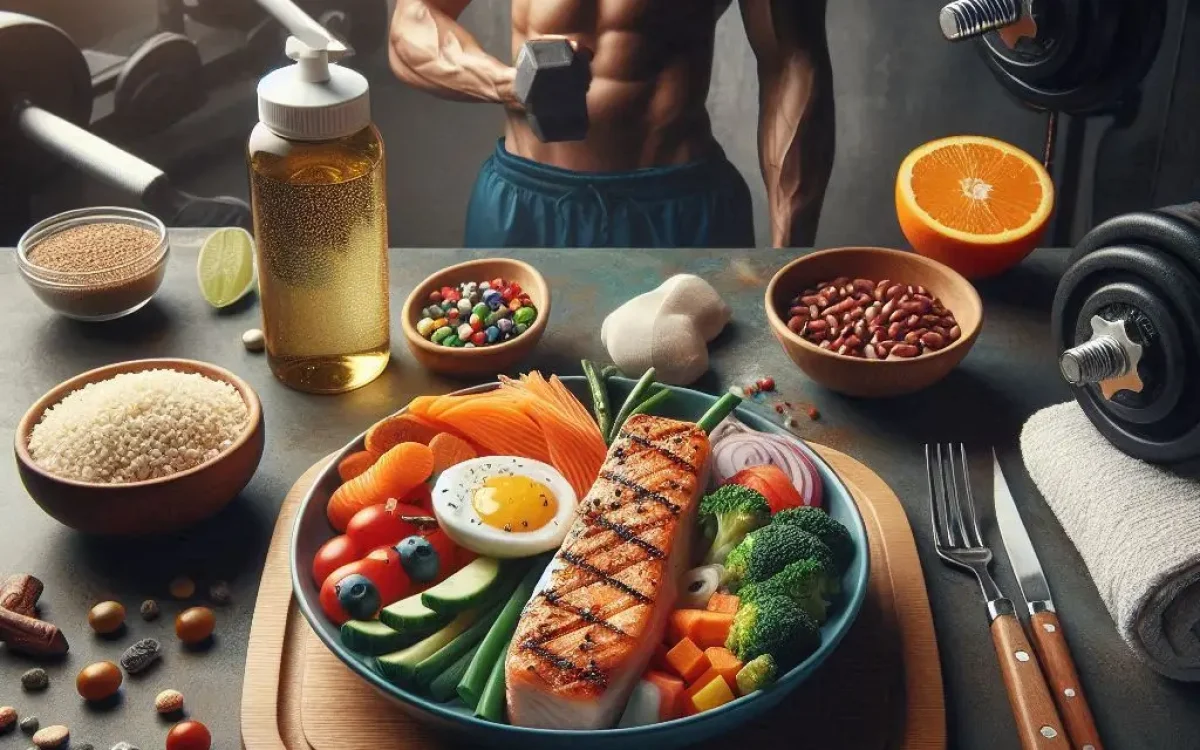
Finishing a workout doesn’t mean your fat-burning journey stops there. In fact, what you eat afterward can significantly impact how effectively your body burns fat, recovers muscles, and builds lean strength. Your post-workout meal isn’t just a reward — it’s fuel for faster recovery, better performance, and a stronger metabolism.
Let’s explore how the right foods after a workout can transform your results and help you burn fat efficiently.
Why Post-Workout Nutrition Matters
After an intense training session, your body goes into recovery mode. During this time, your muscles are more receptive to nutrients — this is often called the metabolic window.
Consuming the right combination of nutrients after your workout helps:
- Rebuild muscle fibers damaged during exercise.
- Restore glycogen (energy stores) used during the workout.
- Reduce muscle soreness and inflammation.
- Trigger fat metabolism for sustained calorie burn.
In short, your post-workout meal decides whether your training leads to progress or plateaus.

How Post-Workout Meals Help Burn Fat
- Rebuilding Lean Muscle = More Fat Burn
Muscle tissue is metabolically active—it burns calories even at rest. The more lean muscle you have, the more fat your body naturally burns. A protein-rich post-workout meal supports this muscle growth process. - Restoring Energy Without Storing Fat
Eating complex carbohydrates after a workout refills glycogen stores, giving your muscles energy without turning excess calories into fat. It’s all about timing and portion control. - Enhancing Metabolic Rate
After a workout, your metabolism remains elevated for hours (a process called EPOC – Excess Post-Exercise Oxygen Consumption). The right meal enhances this effect, ensuring your body continues burning calories even after you’ve left the gym.

What Should a Fat-Burning Post-Workout Meal Include?
Your plate should contain three essential nutrients:
- Protein – The Building Block of Fat Loss
Protein is crucial for repairing muscle tissue and maintaining lean mass. Aim for 20–30 grams of high-quality protein after your workout.
Top Protein Sources:
- Grilled chicken or turkey breast
- Eggs or egg whites
- Greek yogurt or cottage cheese
- Tuna or salmon
- Tofu, tempeh, or lentils (for plant-based diets)
- Protein shakes or smoothies
- Complex Carbohydrates – Energy Without the Crash
Carbs are your body’s preferred energy source, but not all carbs are equal. Post-workout, choose slow-digesting carbohydrates that replenish glycogen and prevent fat storage.
Best Carb Sources:
- Brown rice or quinoa
- Oats or whole-grain bread
- Sweet potatoes
- Fruits like bananas, berries, or apples
- Vegetables such as broccoli, carrots, or spinach
- Healthy Fats – The Fat that Helps Burn Fat
Don’t fear fats! Healthy fats support hormone balance and help your body absorb vitamins essential for recovery and fat metabolism.
Healthy Fat Sources:
- Avocado
- Olive oil or coconut oil
- Nuts and seeds (almonds, chia, flaxseed)
- Fatty fish (salmon, mackerel, sardines)
- Hydration – The Overlooked Fat-Burner
Water supports every metabolic process in your body. Even mild dehydration can slow down fat oxidation. After exercise, drink at least 500–750 ml of water, or add electrolytes if you’ve sweated heavily.
Timing: When Should You Eat After a Workout?
Timing is everything when it comes to post-workout meals.
Ideally, consume your meal within 30 to 60 minutes after your workout — the time when your muscles are most receptive to nutrients.
If you can’t eat a full meal immediately:
- Have a protein shake with fruit right after training.
- Then enjoy a complete meal within two hours.
This ensures you maximize recovery and keep your metabolism fired up.
Smart Meal Ideas for Faster Fat Burning
Here are some well-balanced and delicious examples you can prepare easily:
- Grilled Chicken with Quinoa and Steamed Vegetables
A perfect balance of lean protein, complex carbs, and fiber to support recovery and fat loss. - Salmon with Sweet Potato and Spinach
Omega-3 fats in salmon help reduce inflammation, while sweet potato provides slow-release energy. - Egg Omelet with Whole-Grain Toast and Avocado
A protein-packed breakfast option that keeps you full for hours. - Greek Yogurt with Berries, Oats, and Honey
Light yet energizing—great for those who prefer a refreshing meal after a morning workout. - Protein Smoothie with Banana, Almond Butter, and Spinach
Quick, easy, and nutrient-dense—ideal when you’re short on time.

Drinks That Support Fat Burning Post-Workout
Besides meals, certain drinks can boost your metabolism and aid fat loss when consumed strategically:
- Protein shake: Speeds up muscle recovery and reduces cravings.
- Green tea: Contains catechins that enhance fat oxidation.
- Black coffee: Increases metabolic rate when consumed moderately.
- Lemon water: Refreshing, hydrating, and supports digestion.
- Coconut water: Restores electrolytes naturally without added sugars.
Avoid high-sugar energy drinks or flavored lattes—they can cancel out your calorie deficit.
Common Post-Workout Mistakes That Slow Fat Loss
Even the best workouts can’t outdo poor recovery habits. Avoid these mistakes to stay on track:
- Eating processed snacks or fast food “as a reward.”
- Skipping meals or waiting too long to eat.
- Ignoring hydration and electrolytes.
- Avoiding carbs completely (your body needs some!).
- Not getting enough sleep, which affects fat metabolism.
- Overtraining without allowing muscle recovery.
Remember: recovery and rest are part of the fat-burning process.

Your post-workout meal is one of the most powerful tools for transforming your body. By focusing on protein, complex carbs, healthy fats, and hydration, you can speed up recovery, preserve lean muscle, and turn your metabolism into a fat-burning engine.
Whether it’s a hearty chicken bowl, a refreshing smoothie, or a nutrient-rich salad, your choices after exercise determine how efficiently your body burns fat.
Stay consistent, stay fueled, and remember — every smart meal brings you one step closer to your fitness goals.
Fuel your journey with Nutrition Travels — where healthy choices lead to lasting results.