

In today’s fast-paced world filled with daily pressures, maintaining mental health has become just as important as caring for physical health. With the increasing social and work-related stresses, many people are searching for natural ways to reduce stress and improve mood. One of the most effective methods is Psychological nutrition—choosing foods that not only nourish the body but also directly affect the brain and emotions.
In this article, we will explore the concept of psychological nutrition, highlight the most important foods that boost happiness and reduce stress, and share how you can incorporate them into your daily life.
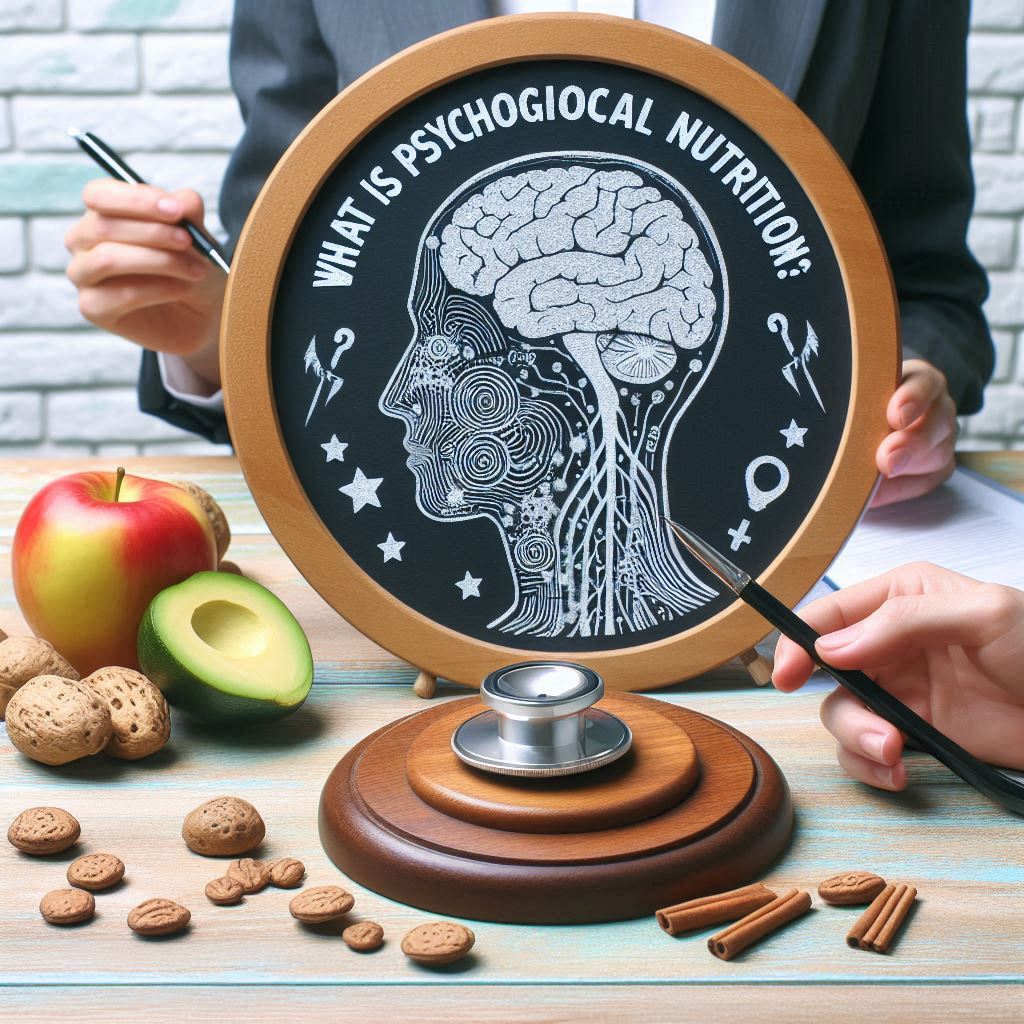
What Is Psychological Nutrition?
Psychological nutrition is a relatively modern concept that links diet to mental health. It is based on the idea that the brain requires specific nutrients to function efficiently, and a deficiency in these nutrients can lead to mental disorders such as depression, anxiety, or poor concentration.
Healthy foods rich in vitamins, minerals, and antioxidants do not only support heart and immune health but also play a key role in improving mood, increasing energy, and enhancing resilience to stress.
Foods That Boost Happiness and Reduce Stress:
1. Dark Chocolate:
Dark chocolate is a mood-enhancing treat as it contains caffeine, which acts as a stimulant for the nervous system, helping to reduce fatigue.
It also improves blood flow to the brain and boosts its activity, which contributes to better mood and mental clarity. However, moderation is key—just one or two squares a day are enough to reap the benefits without excess calories.
2. Fatty Fish (Salmon, Mackerel):
Fatty fish are rich in Omega-3 fatty acids, which are essential for mental health. These healthy fats help regulate nerve cell activity and reduce the risk of depression. Studies have shown that people who eat fish regularly have lower levels of anxiety and stress compared to those who don’t.

3. Nuts and Seeds:
Almonds, walnuts, cashews, flaxseeds, and chia seeds are excellent sources of magnesium, a mineral well known for its calming effects on the nervous system. A magnesium deficiency is often linked to higher levels of anxiety and depression, making nuts and seeds a natural support for mental well-being.
4. Bananas:
Bananas promote happiness and contentment because they contain dopamine, a key chemical for feeling good. They are also rich in potassium, which supports mood regulation. Eating a banana as a snack can provide both an energy boost and a sense of relaxation.
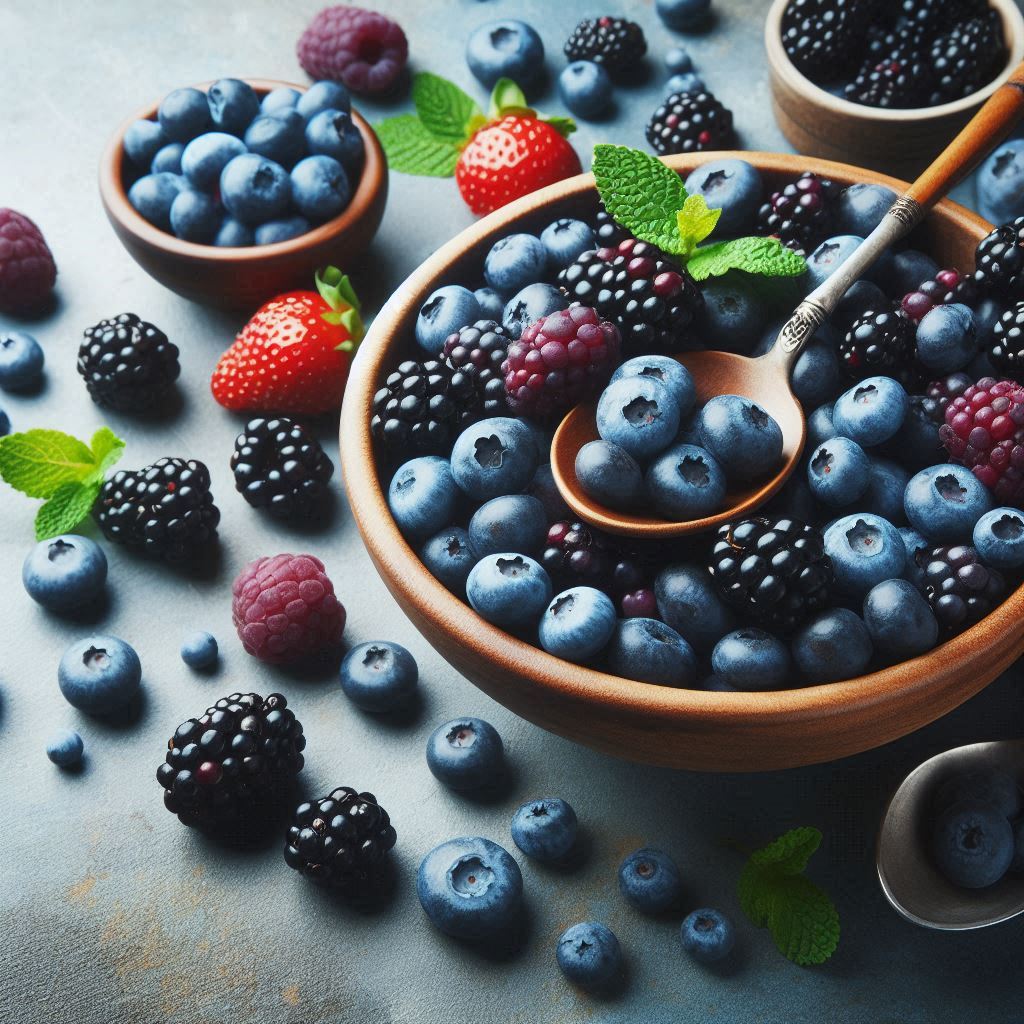
5. Berries (Blueberries, Blackberries):
Berries are packed with antioxidants that fight free radicals and protect the brain from oxidative stress associated with aging and depression. Their high vitamin C content also helps lower cortisol, the hormone responsible for stress.
6. Green Tea:
Green tea contains L-theanine, an amino acid that calms the nerves while enhancing focus and mental clarity. Regular consumption can reduce stress levels and improve sleep quality.
7. Avocados:
Avocados are rich in healthy monounsaturated fats that support optimal brain function. They also provide B vitamins and potassium, both of which play a key role in reducing stress and regulating blood pressure.
Practical Tips to Incorporate These Foods into Your Life:
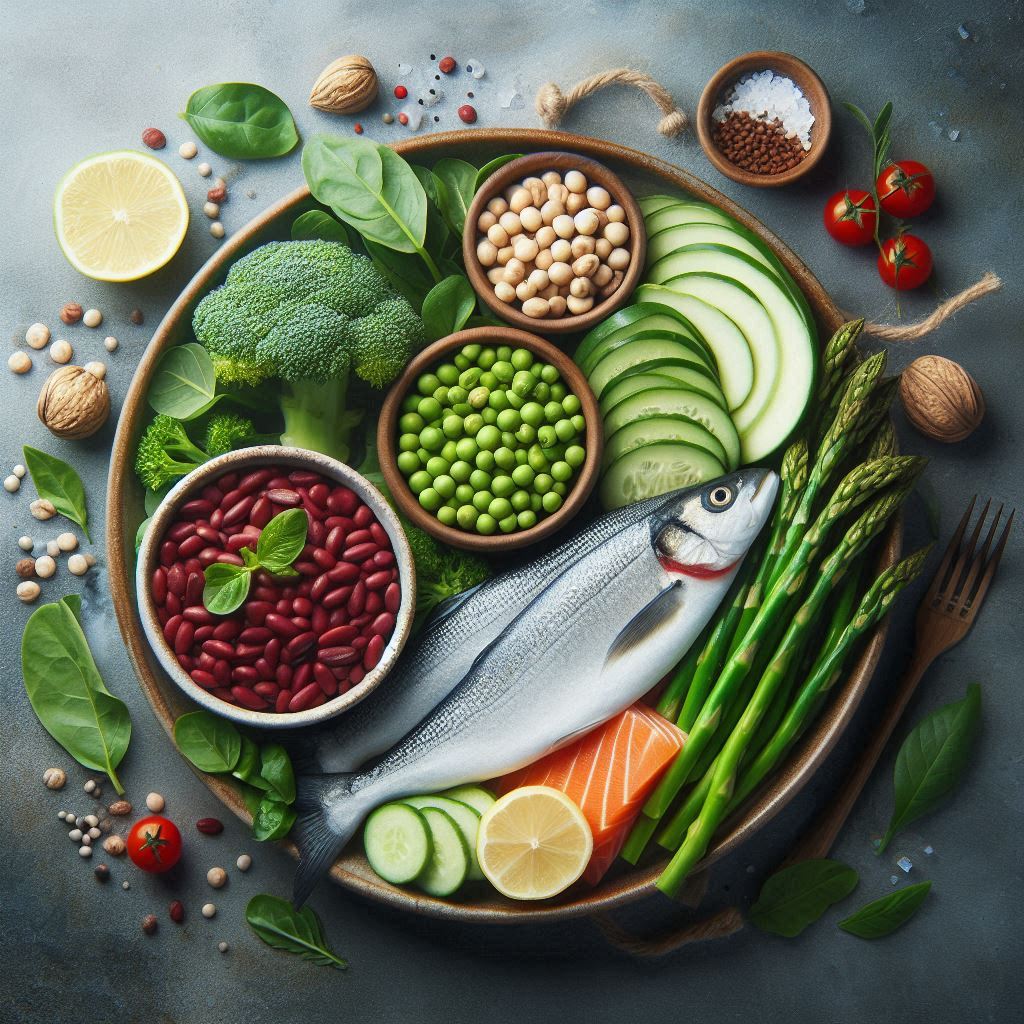
1. Make sure your main meals include a source of protein (fish, chicken, legumes) along with leafy greens.
2. Replace fast food with healthy snacks like nuts or fresh fruits.
3. Drink green tea instead of soft drinks or excess coffee.
4. Add oats to your breakfast with bananas and berries for a mood-boosting start to the day.
5. Make yogurt a daily part of your diet, and enhance it with flax or chia seeds for extra benefits.
Nutrition is not just a way to satisfy hunger—it’s a powerful tool to improve our mental well-being and quality of life. Choosing the right foods can boost happiness, reduce stress, and enhance both emotional and cognitive performance.
Instead of relying solely on medications or supplements, we can start with a simple step: adjusting our diet to include natural, mood-supporting foods. Balance is key—too much of any one food won’t solve the problem, but variety and moderation will give both the body and brain what they need to thrive.
And if you’d like to learn more about foods that support your mental health and increase happiness, you’ll find in our website Nutrition Travels in-depth articles and practical tips to help you choose the right foods for your daily life—so you can achieve balance between physical health and mental peace.