

Coffee may be the world’s favorite pick-me-up, but it often brings side effects like jitters, poor sleep, or energy crashes. That’s why more people are turning to herbal alternatives to coffee—natural drinks that deliver steady energy, focus, and health benefits without the downsides.
In this article, you’ll discover the best herbal coffee substitutes—from matcha and green tea to ginger, ginseng, and more—plus tips to choose the right one for your lifestyle.
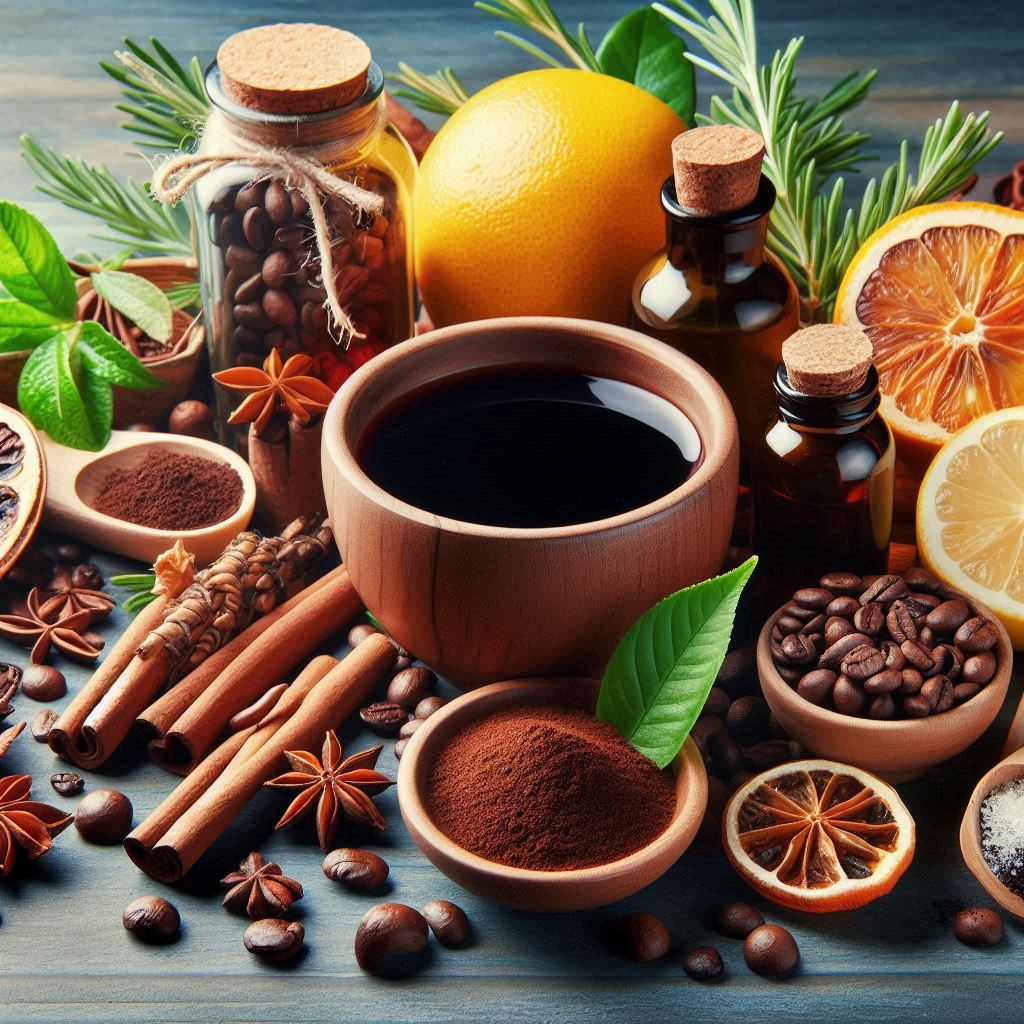
Top Natural Herbal Alternatives to Coffee:
1. Matcha – The Calm Energy Booster
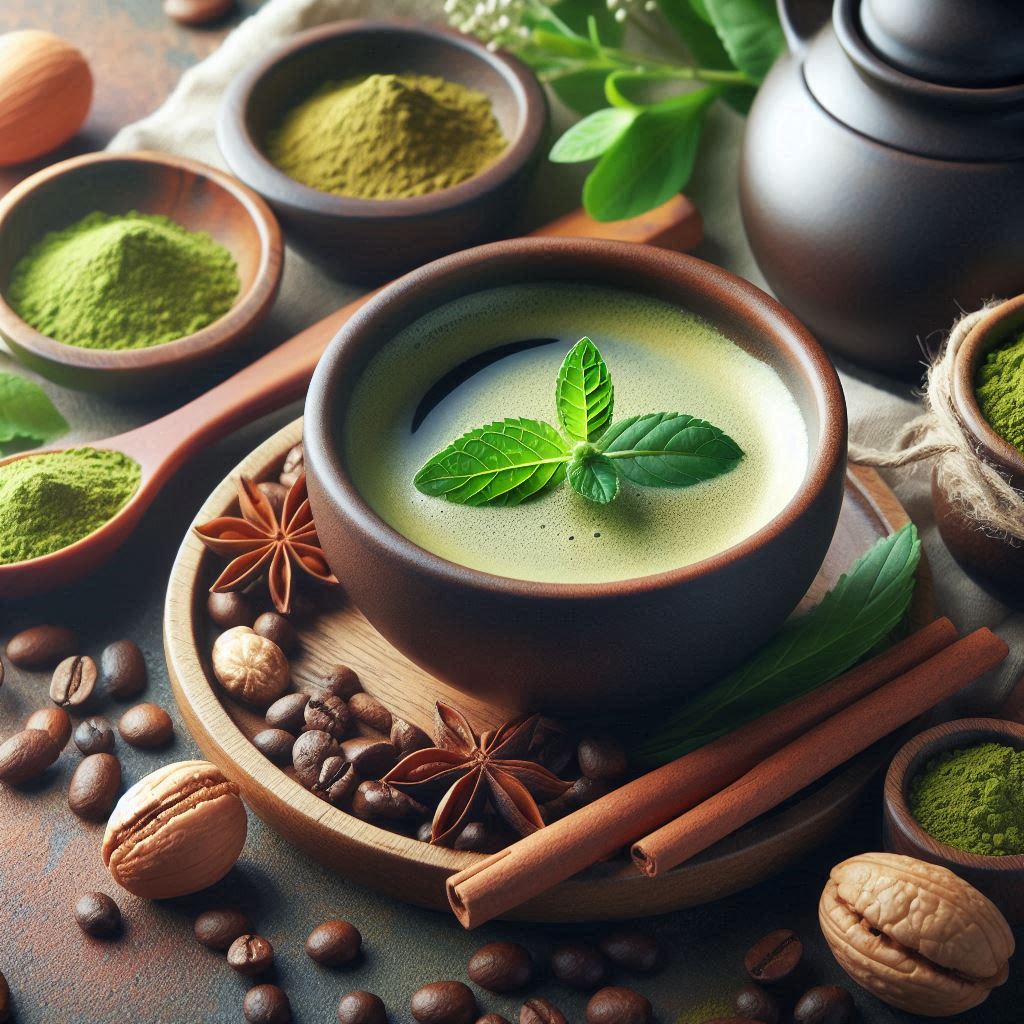
Matcha, a finely ground green tea powder, offers calm alertness thanks to its unique combo of caffeine (38–178 mg, depending on serving) and L-Theanine, an amino acid that reduces stress. Unlike coffee, matcha gives you steady energy without sudden crashes.
👉 Best for: Students, professionals, and anyone needing focus.
👉 How to use: Whisk 1 tsp in hot water or add to smoothies for a vibrant green boost.
2. Green Tea – Gentle Daily Stimulation
With moderate caffeine and powerful antioxidants (catechins), green tea sharpens focus, supports heart health, and fights inflammation. It’s the most versatile coffee alternative, perfect hot in winter or iced in summer.
👉 Best for: Daily drinkers who want mild stimulation.
👉 How to use: Brew 2–3 cups daily; pair with lemon for extra vitamin C.
3. Ginger Tea – Natural Circulation & Warmth
Ginger tea improves blood circulation, reduces fatigue, and provides a warming, energizing effect without caffeine. It’s a great option for people who want a “pick-me-up” without stimulating the nervous system.
👉 Best for: Cold weather, fatigue, or digestive support.
👉 How to use: Boil fresh slices with water; add honey + lemon for a refreshing twist.

4. Ginseng Tea – Mind & Body Performance
Used in traditional medicine for centuries, ginseng tea enhances mental alertness, boosts physical stamina, and supports immunity. Athletes and busy professionals often choose it for sustained energy.
👉 Best for: Mental focus + physical endurance.
👉 How to use: Steep ginseng slices or tea bags in hot water; drink in the morning for best results.
5. Yerba Mate – Balanced Stimulation
Called the “Drink of the Gods” in South America, yerba mate contains natural caffeine + antioxidants that give smooth energy without jitters.
👉 Best for: Coffee lovers wanting a natural replacement.
👉 How to use: Steep dried leaves in hot water; traditionally sipped from a gourd with a metal straw.
6. Licorice Root – Caffeine-Free Comfort
Licorice root tea soothes digestion, relieves stress, and provides gentle natural sweetness—great for people avoiding caffeine altogether.
👉 Best for: Evening drinkers or anyone caffeine-sensitive.
👉 How to use: Steep dried root for 5–7 minutes; enjoy plain or blended with peppermint.
Tips for Choosing the Right Herbal Alternative:
1. Try different types to discover the one that suits your body and taste best.
2. Avoid excessive consumption of any herbal drink; moderation is key.
3. Consult your doctor if you have chronic conditions or are taking medications, as some herbs may interact with treatments.

Coffee isn’t the only way to stay energized. From matcha’s calm focus to ginseng’s stamina, and from ginger’s vitality to yerba mate’s balance, these herbal alternatives to coffee offer energy, health, and flavor in every cup.
✨ Whether you need a morning kick, an afternoon refresh, or a caffeine-free evening ritual, there’s a natural choice for you.
For more practical tips on healthy nutrition, natural remedies, and energy boosters, visit Nutrition Travels and discover how small daily choices can transform your lifestyle.