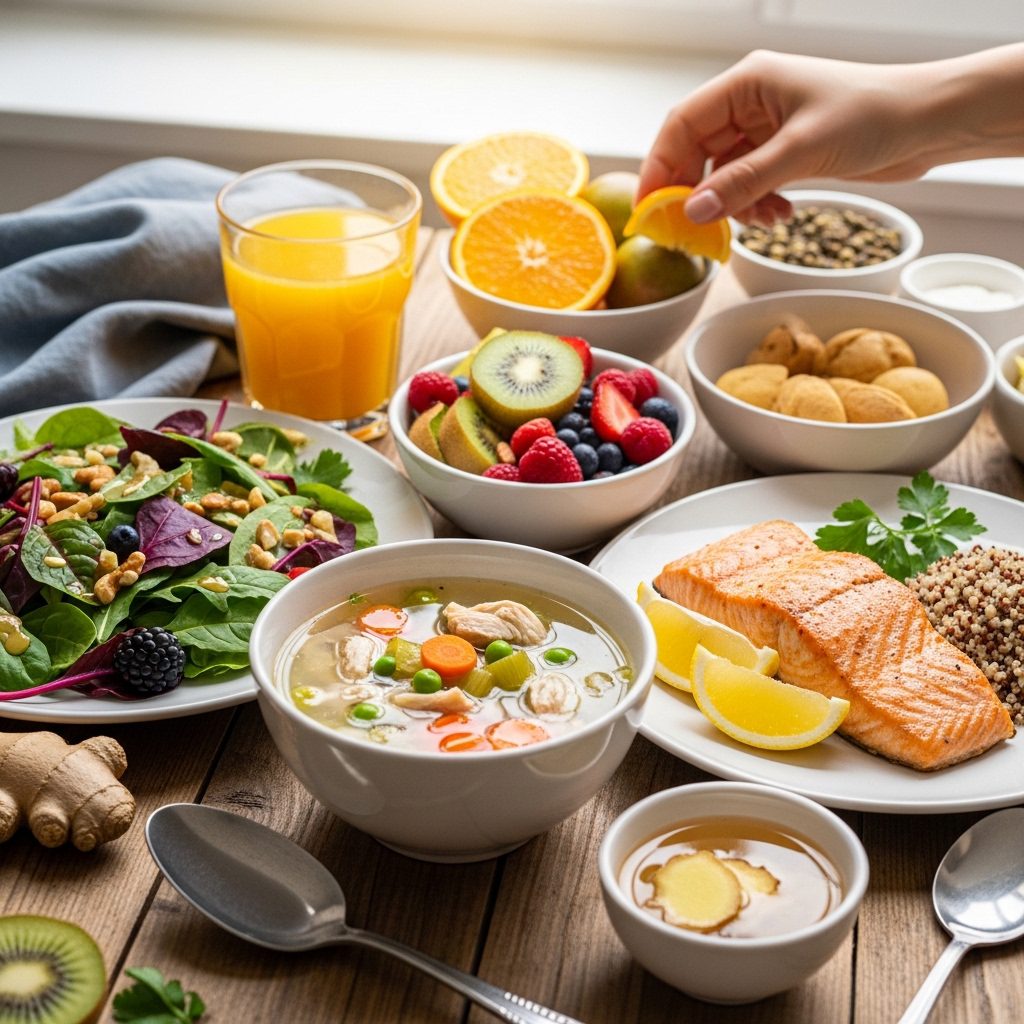
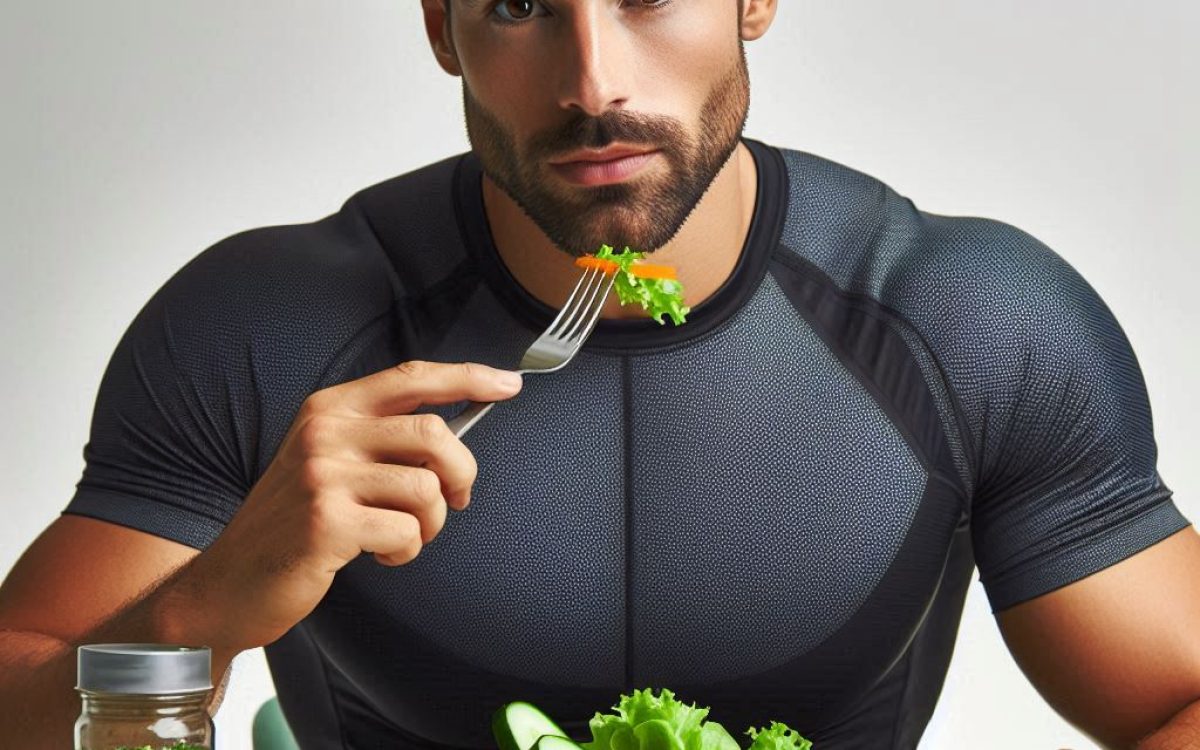
A vegetarian diet for athletic training and performance relies on abstaining from animal products and primarily depends on plant-based foods such as fruits, vegetables, grains, legumes, and nuts. In recent years, this diet has gained popularity among athletes, whether professionals or amateurs, due to the potential benefits it can offer for fitness and athletic performance. In this article, we will explore vegetarian diets for athletic training and performance.
Major Benefits of a Vegetarian Diet for athletic training
1- Improving General Health:
Think of fruits, veggies, whole grains, nuts, and legumes as a superhero squad for your body. They’re loaded with vitamins, minerals, and fiber, all the good stuff to keep you feeling energized and on top of your game. Vegetarian eats tend to be lower in saturated fats and cholesterol, which are like villains trying to slow you down. By ditching them, you’re reducing your risk of chronic diseases like heart disease and diabetes – keeping you healthy and ready for adventure!
2- Increasing Energy Levels
Athletes, listen up! Forget the pre-workout jitters. Plant-based foods, especially fruits, and whole grains are loaded with complex carbs – the ultimate slow-burn energy source. These aren’t the sugary crash kind – they’ll keep you powered up for those intense training sessions and epic competitions. Think colorful fruits and delicious whole grains like brown rice or quinoa – they’ll give you the sustained energy you need to crush your goals!

3- Enhancing Muscle Recovery
Vegetarian diets isn’t just fuel, it’s a recovery powerhouse for athletes! Here’s the scoop. Fruits and veggies are packed with antioxidant superstars that fight inflammation in your body. Less inflammation means a faster bounce back after those tough workouts. Ditch the heavy meat options! Legumes and nuts are awesome sources of plant-based protein, which helps your muscles rebuild and repair themselves after exercise. Think superhero strength, fueled by plants!
4- Managing Weight
Vegetarian eats tend to be lower in calories, but high in fiber. That means you feel fuller for longer, without packing on the pounds. Maintaining a healthy weight can give you a performance edge. You’ll move faster, feel lighter on your feet, and have more stamina to dominate the competition.
Challenges That Vegetarian Athletes Might Face
Deficiency of Some Nutrients
Athletes who follow a vegetarian diet might face challenges in obtaining some essential nutrients that are abundantly found in animal products, such as Vitamin B12, Iron, Zinc, and Calcium. It is important for them to ensure they take dietary supplements or seek plant-based sources rich in these elements to avoid deficiencies.
Getting Enough Protein
Although there are many plant-based sources of protein, such as legumes, nuts, and seeds, athletes may need careful planning to ensure they consume enough protein to support muscle building and recovery. Eating a variety of plant-based protein foods can help meet these needs.
Dietary Planning
A vegetarian diet for athletes requires careful dietary planning to ensure all nutritional needs are met. Athletes might need to work with nutritionists to ensure their diet is balanced and contains all the necessary nutrients to support their athletic performance.
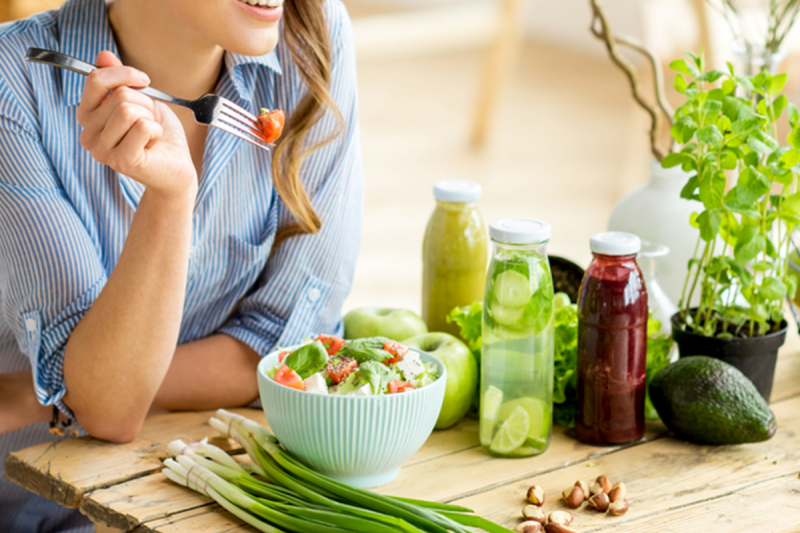
Examples of Successful Vegetarian Athletes
There are many successful athletes who follow a vegetarian diet and have achieved significant sports achievements. Among these athletes are:
Carl Lewis:
The famous Olympic sprinter who won 9 gold medals and followed a vegetarian diet for athletic training and performance.
Venus Williams:
The renowned tennis player adopted a vegetarian diet to support her health and athletic performance after being diagnosed with an autoimmune disease.
Rich Roll:
A vegan ultra-endurance athlete who has participated in numerous challenging races and marathons and is entirely vegetarian.
Tips for vegetarian diets for athletic
To adopt a healthy vegetarian diet that supports fitness and athletic performance, athletes can follow these tips:
1- Eat a Variety of Foods:
A vibrant mix of colorful vegetables brings a powerhouse of vitamins and minerals. Bell peppers, cauliflower, sweet potatoes – the more colors, the better! With brown rice, quinoa, and whole wheat bread – these complex carbohydrates are a long-lasting fuel source, keeping you energized all day long. Beans, lentils, chickpeas – these star proteins and fibers are budget-friendly and keep you feeling full. Almonds, cashews, sunflower seeds – these little items are packed with healthy fats and protein. and essential minerals. The sprinkle adds a satisfying crunch and a boost of nutrients! You’ll be giving your body the best chance of getting all the essential vitamins and minerals it needs for a healthy pregnancy!
2- Pay Attention to Protein Intake:
Legumes: Beans, lentils, and chickpeas are the best proteins and fibers. Which keeps things interesting! Think delicious stir-fried lentils, a black bean burger, or a sprinkle of hummus on your salad. Quinoa, a versatile whole grain, is not only a powerful source of protein, but it’s also a complete protein, meaning it contains all nine essential amino acids your body needs. Quinoa cooks tender and delicious, making it a perfect addition to salads or dishes. Almonds, cashews, and peanuts are healthy proteins and fats. Enjoy them as a snack. Remember that consulting a doctor or registered dietitian can help you create a personalized plan to meet all of your nutritional needs.
3- Use Dietary Supplements When Needed:
While a well-planned vegetarian diet can provide most of the nutrients athletes require, certain considerations come into play. For some vegetarians, particularly vegans who exclude all animal products, dietary supplements can bridge any nutritional gaps. These gaps might include vitamin B12, crucial for energy production, iron for oxygen transport, and protein for muscle building and repair. Consulting a registered dietitian familiar with sports nutrition can help you assess your individual needs and determine if specific supplements, like a protein powder or a B12 complex, could optimize your performance and overall health.
4- Plan Meals in Advance:
Fuel your fitness journey with pre and post-workout meals for peak performance! Your body needs the right fuel to perform its best. Here’s how to plan pre-and post-workout meals that will help you achieve your goals. Imagine your body as a high-energy engine. Eating complex carbohydrates, such as brown rice, oatmeal, or wheat bread, provides sustained energy throughout your workout. Eating lean protein, such as eggs, chicken breast, or Greek yogurt, is a great option. Healthy fats like avocado, nuts, or a little olive oil sustain energy and keep you feeling full. Eating protein, such as lean meat, fish, or protein juice is ideal for this purpose. Carbohydrates: The body’s energy source, such as fruits, sweet potatoes, or whole grain bread.
5- Good Hydration:
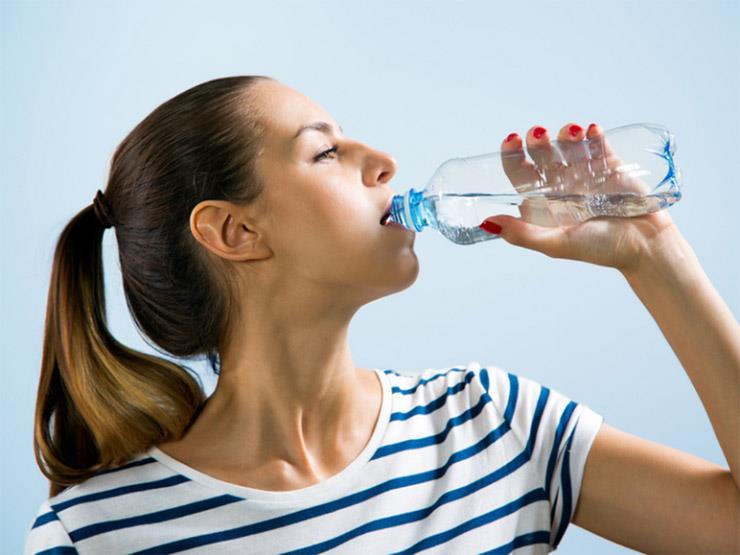
Hydration is the secret weapon that no athlete should be without. This is why staying hydrated crushes your workouts and enhances your recovery. Water flushes out toxins and helps rebuild muscle tissue, getting you back to peak form faster.
A vegetarian diet for athletes can have a significant positive impact on fitness and athletic performance when applied correctly. The benefits include improving general health, increasing energy levels, enhancing muscle recovery, and managing weight. However, a vegetarian diet requires careful dietary planning to ensure all nutritional needs are met and to avoid nutrient deficiencies. By adopting healthy eating habits and consuming a variety of plant-based foods, vegetarian athletes can achieve excellent athletic performance and maintain high fitness levels.