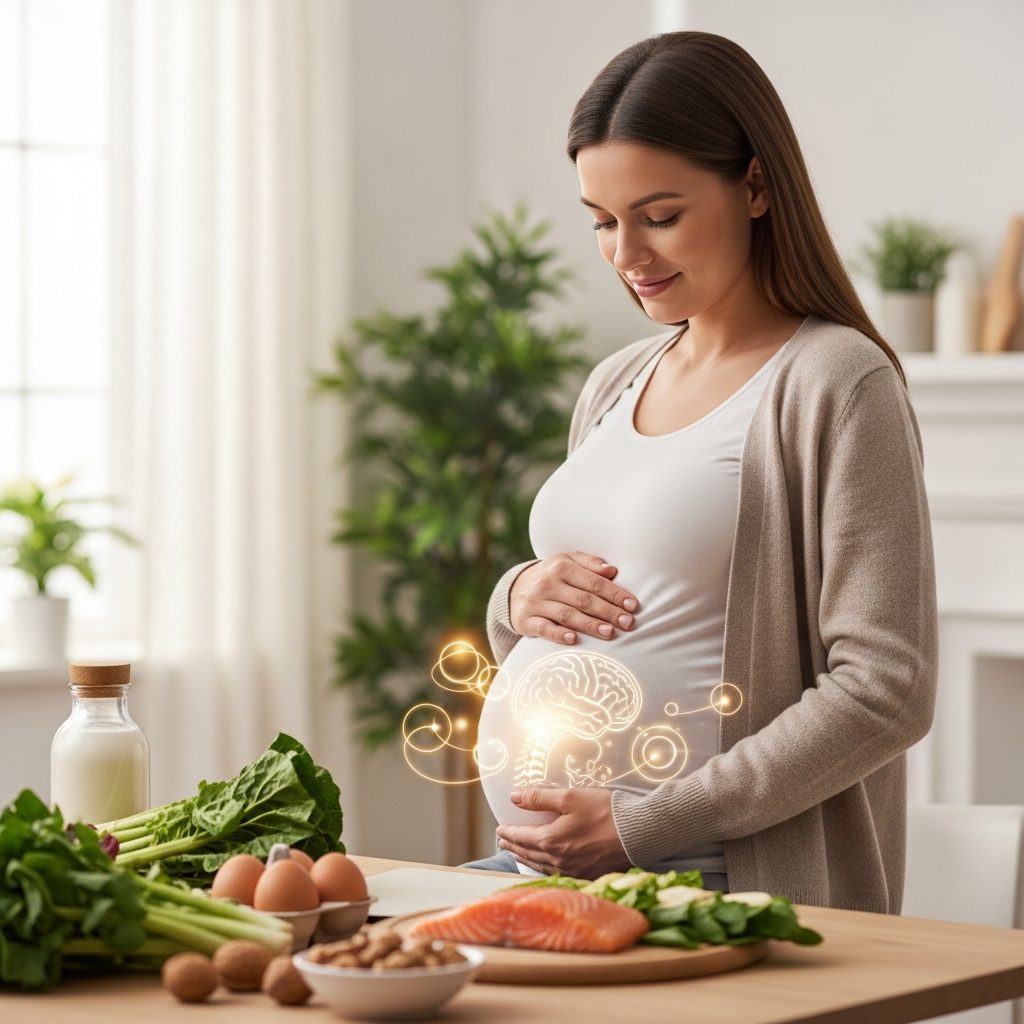
Choline During Pregnancy is an essential topic that deserves more attention in prenatal nutrition. While nutrients like folic acid and iron often take center stage, choline remains one of the most overlooked nutrients despite its critical role in fetal development.
Many pregnant women don’t realize that choline plays a direct role in building the baby’s brain and spinal cord. In fact, insufficient intake during pregnancy may affect memory development, neural formation, and long-term cognitive health.
Understanding how choline works—and how to get enough of it—can make a meaningful difference in your baby’s neurological development and your overall pregnancy health.
What Is Choline During Pregnancy?
Choline is a water-soluble nutrient often grouped with the B-vitamin family due to its similar functions in the body. While the liver can produce small amounts, it is not enough to meet daily needs—especially during pregnancy.
Types and Forms:
Choline exists in several forms in food, including:
- Phosphatidylcholine (the most common dietary form)
- Free choline
- Glycerophosphocholine
Each form contributes to essential biological processes, particularly those related to cell structure and brain signaling.
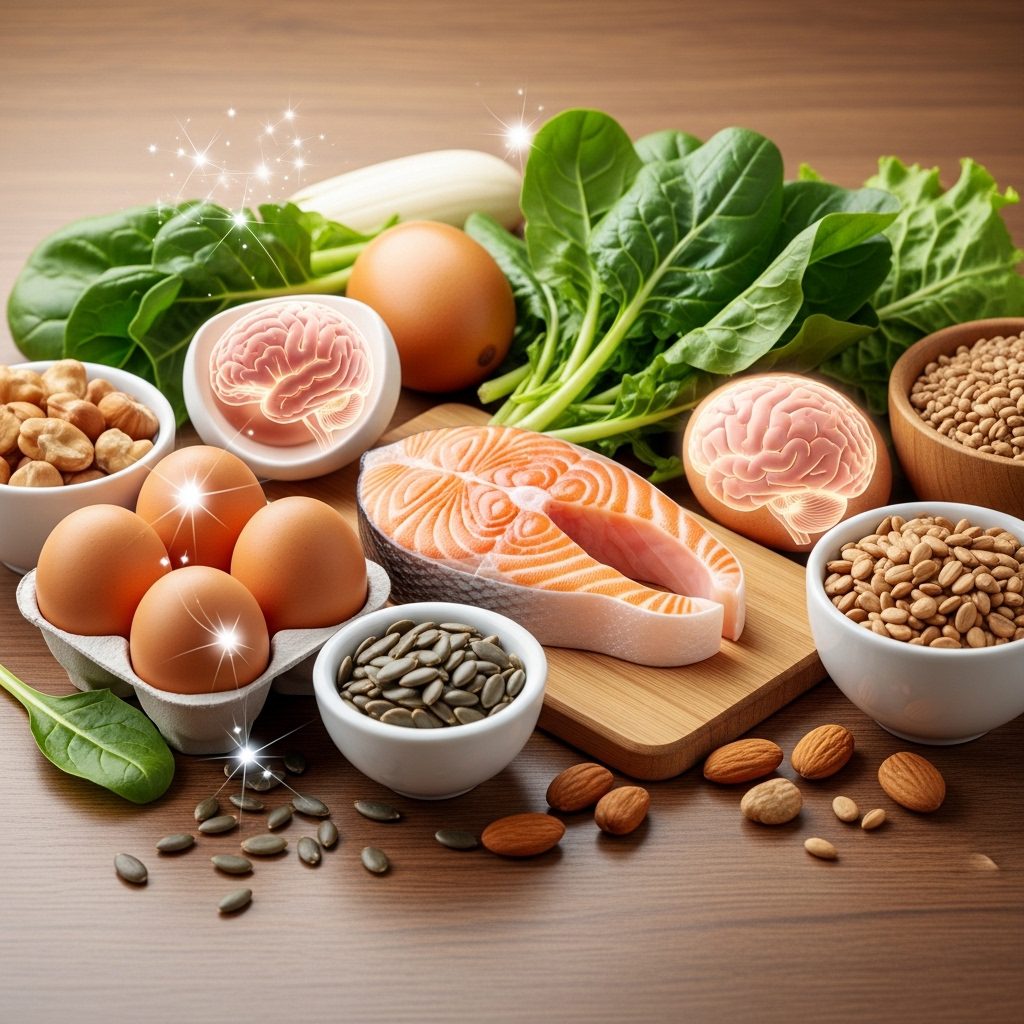
Natural Sources of Choline:
Choline is found in both animal and plant-based foods:
- Eggs (especially yolks)
- Chicken and beef liver
- Fish such as salmon
- Dairy products
- Soybeans and legumes
- Cruciferous vegetables like broccoli
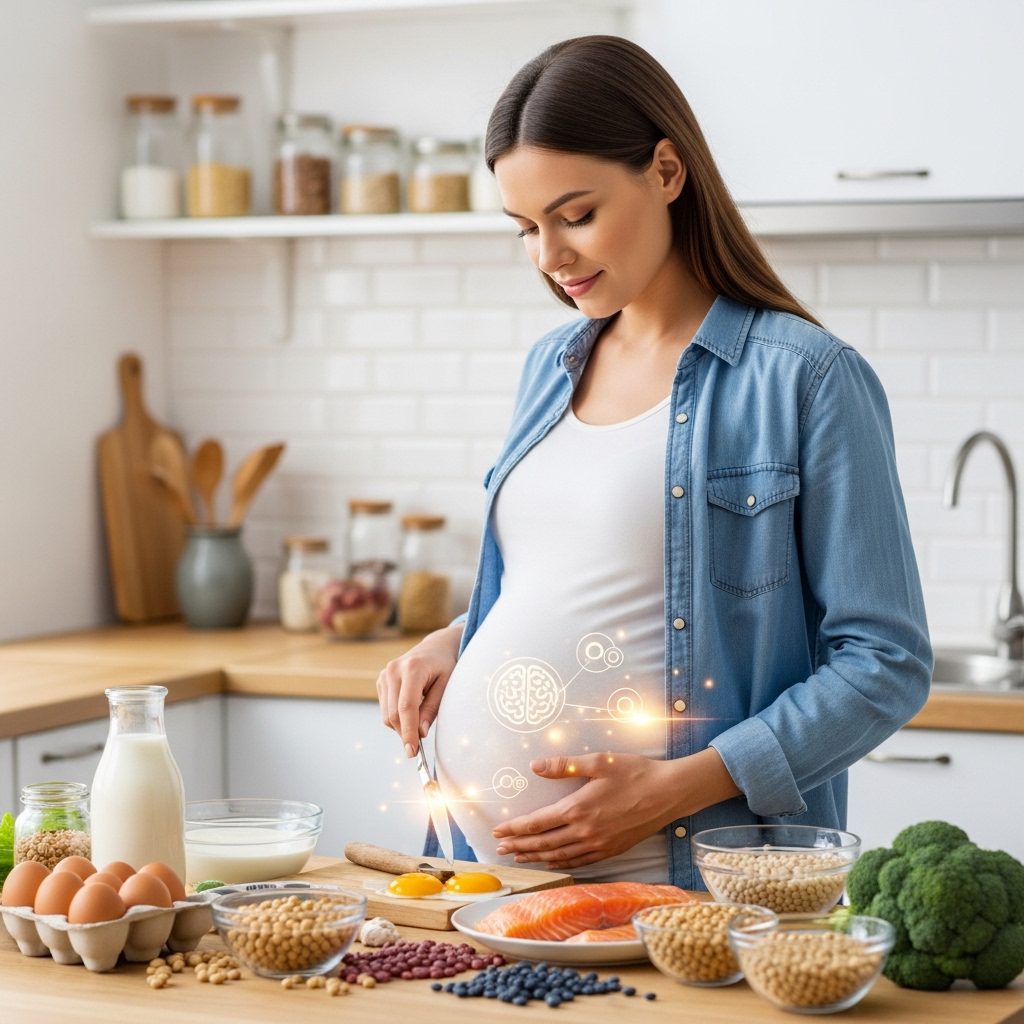
How It Works in the Body?
Choline is deeply involved in several physiological processes that become even more critical during pregnancy.
Brain Development and Neurotransmitters:
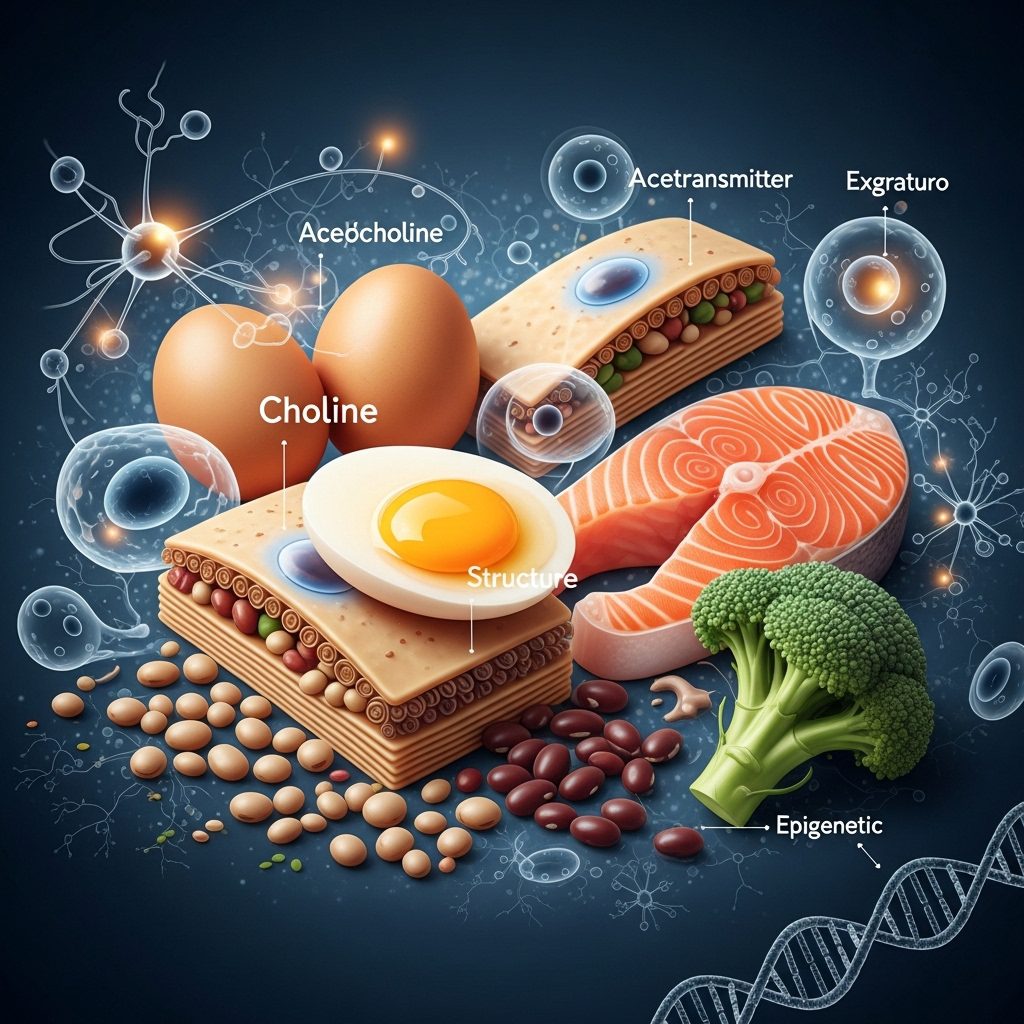
Choline is required to produce acetylcholine, a neurotransmitter essential for memory, mood, and muscle control. In a developing fetus, this supports early brain cell communication and neural network formation.
Cell Structure and Growth:
Choline contributes to the formation of phospholipids, which are key components of cell membranes. This is crucial for rapidly dividing fetal cells, especially in the brain and spinal cord.
DNA Regulation (Epigenetics):
One of choline’s most important roles is in methylation, a process that regulates gene expression. This means choline can influence how genes are turned on or off, impacting long-term brain function and development.
Liver and Fat Metabolism:
Choline helps transport fats from the liver, preventing fat accumulation and supporting healthy metabolism during pregnancy.
Health Benefits of Choline During Pregnancy:
Supporting Fetal Brain Development:
Adequate intake plays a direct role in forming the brain’s structure. Research suggests it supports memory centers like the hippocampus, influencing cognitive function later in life.
Promoting Spinal Cord Formation:
Choline works alongside folate to support neural tube development, reducing the risk of spinal cord defects when consumed in sufficient amounts.
Enhancing Cognitive Outcomes:
Babies born to mothers with higher intake may show improved attention, learning ability, and memory function as they grow.
Reducing Pregnancy Complications:
Choline may help regulate inflammation and support placental function, contributing to a healthier pregnancy overall.

Choline Deficiency and Overconsumption During Pregnancy:
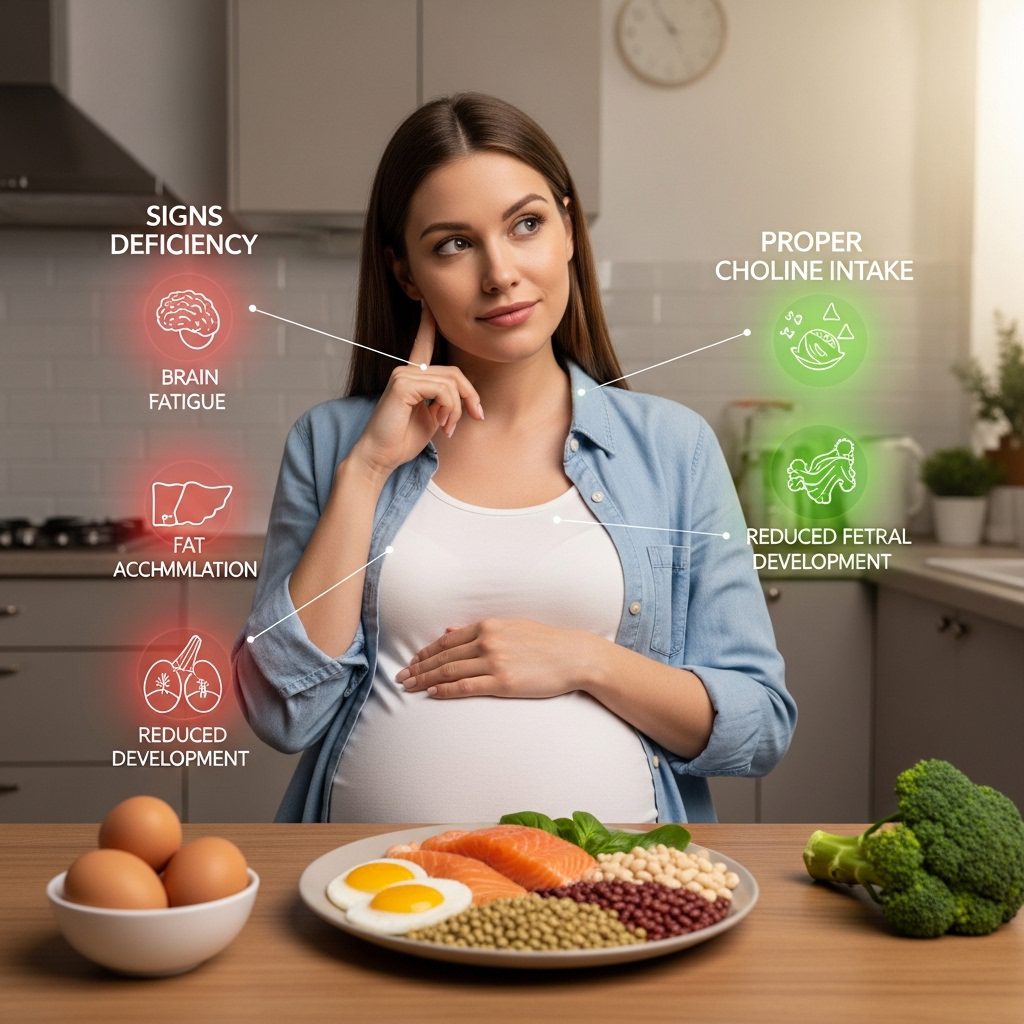
Signs of Low Intake:
- Increased fatigue
- Memory difficulties
- Fat accumulation in the liver
- Higher risk of fetal neural development issues
Who Is at Risk?
- Women who avoid eggs or animal products
- Those with limited dietary variety
- Pregnant women with increased nutritional demands
Is Too Much Harmful?
While choline is essential, extremely high intake (usually from supplements) may cause:
- Low blood pressure
- Fishy body odor
- Digestive discomfort
Moderation and balance are key.
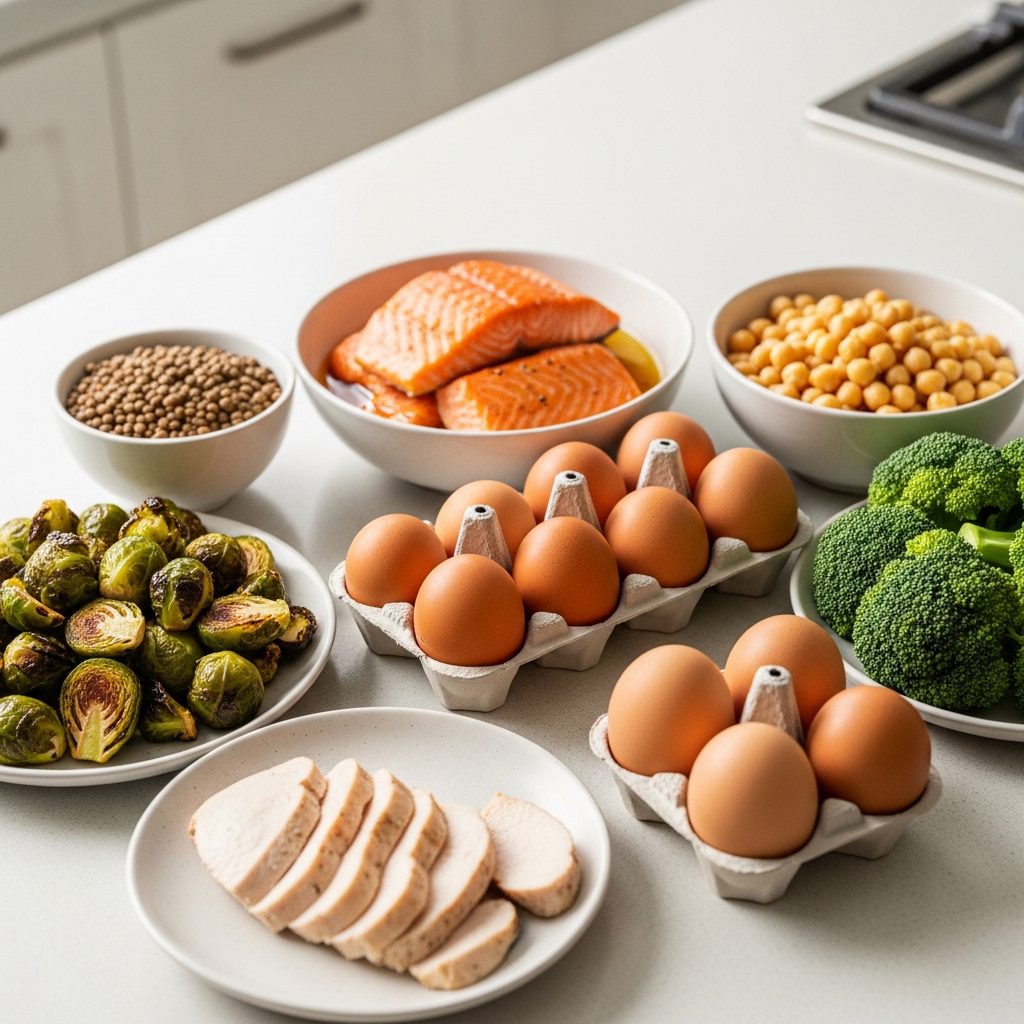
Best Food Sources of Choline During Pregnancy:
To meet daily needs during pregnancy, focus on nutrient-dense sources:
- Eggs (one of the richest and most accessible sources)
- Liver (extremely high but should be consumed in moderation)
- Fatty fish like salmon
- Chicken and turkey
- Lentils and chickpeas
- Broccoli and Brussels sprouts
Combining both animal and plant sources helps ensure adequate intake.
Best Way and Time to Consume Choline During Pregnancy:
Choline is best absorbed when consumed as part of balanced meals that include healthy fats and proteins.
- Spread intake throughout the day rather than relying on one meal
- Pair with folate-rich foods (like leafy greens) for better synergy
- Prenatal supplements may include choline, but food sources remain the foundation
Common Myths About Choline During Pregnancy:
“Choline isn’t as important as folic acid”:
This is a common misconception. Both nutrients are essential and often work together in neural development.
“I get enough from my prenatal vitamin”:
Many prenatal supplements contain little or no choline, making diet even more important.
“Plant-based diets provide enough automatically”:
While possible, it requires careful planning, as most high-density sources are animal-based.
Practical Tips for Getting Enough Choline During Pregnancy:
- Include at least one choline-rich food daily (like eggs or legumes)
- Don’t skip egg yolks—they contain most of the nutrient
- Plan meals that combine protein, healthy fats, and vegetables
- If vegetarian, increase intake of soy, lentils, and cruciferous vegetables
- Discuss supplementation with your healthcare provider if needed
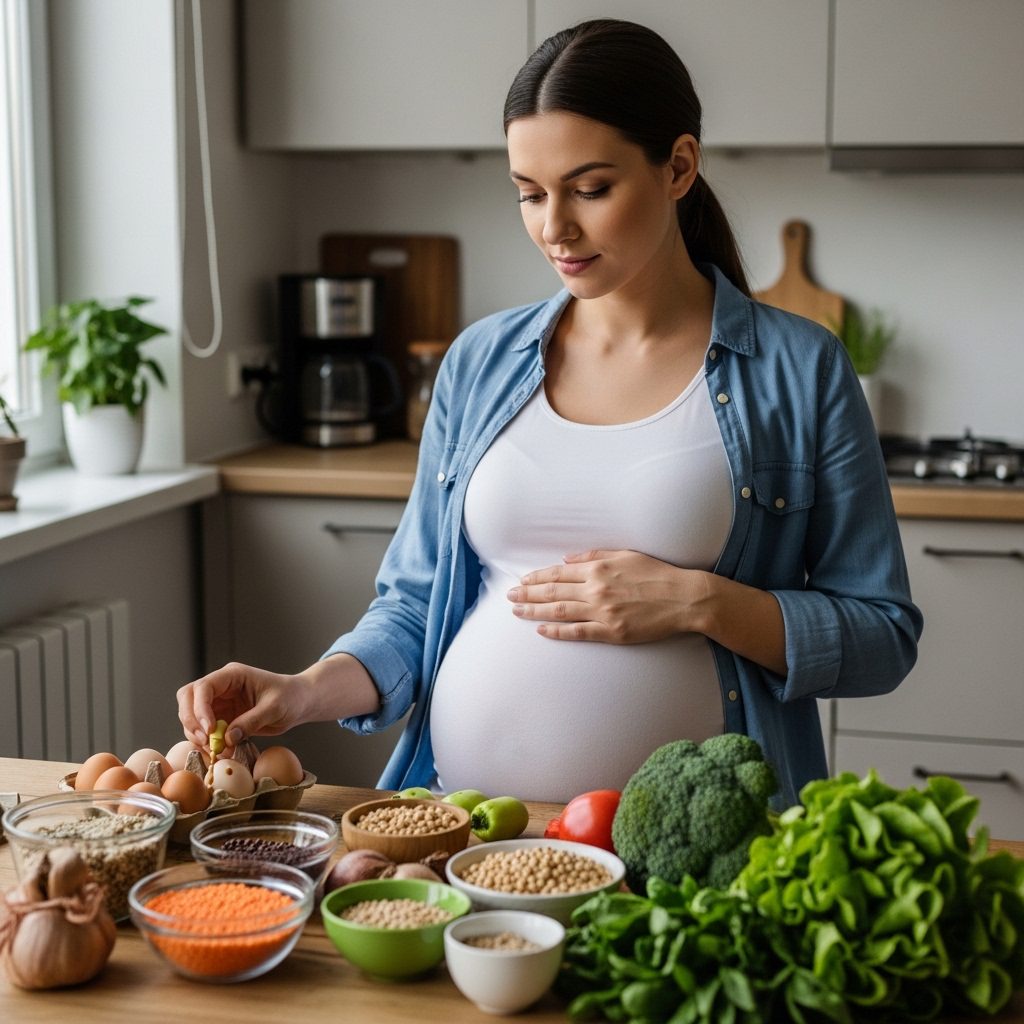
Choline is one of the most underrated nutrients during pregnancy, yet it plays a central role in shaping your baby’s brain, spinal cord, and long-term cognitive health. From supporting neural development to influencing gene expression, its impact goes far beyond basic nutrition.
By making simple dietary adjustments—like adding eggs, legumes, or fish to your meals—you can significantly support your baby’s development and your own well-being during pregnancy.
For more science-backed nutrition insights and practical pregnancy tips, visit Nutrition Travels and start building a healthier future for you and your baby today.