

The gut-brain axis is often overlooked, yet it plays a major role in how your body and mind work together. It connects your digestive system directly with your brain, influencing your thoughts, emotions, and mental clarity in ways most people don’t realize.
Many people notice subtle signs: a heavy feeling in the stomach during stress, or mental fog after poor eating habits. These signals point to a deeper biological link known as the gut-brain axis—a system that constantly connects your digestive health with your mental state.
What you eat doesn’t just fuel your body; it shapes your mood, your stress response, and even your ability to think clearly. This is why probiotics are gaining attention—not just for gut health, but for their potential role in emotional balance and cognitive performance.

What Is the Gut-Brain Axis?
The gut-brain axis is a dynamic communication network that links your gastrointestinal system with your brain. This interaction happens through nerves, hormones, and immune pathways, creating a continuous exchange of information.
Main Components:
- The brain and central nervous system
- The enteric nervous system (a network of nerves in the gut)
- The gut microbiome, made up of trillions of bacteria
Why This System Matters:
Your gut microbes actively produce substances that influence how your brain functions. This means your internal environment—especially your diet—can directly shape how calm, focused, or stressed you feel.

How the Gut-Brain Axis Works in the Body:
Gut Bacteria and Brain Chemistry:
Beneficial bacteria in your gut help regulate chemical messengers involved in mood and focus. When these microbes are balanced, your brain receives more stable signals, supporting emotional and mental stability.
The Stress Connection:
Stress can disrupt the gut environment, and an unhealthy gut can amplify stress signals. This two-way interaction creates a loop where each system influences the other, often making symptoms feel more intense over time.
Inflammation and Mental Performance:
An imbalanced gut can lead to low-grade inflammation, which may interfere with brain function. This can show up as reduced focus, slower thinking, or a constant feeling of mental fatigue.
The Role of the Vagus Nerve:
The vagus nerve acts as a communication bridge between the gut and brain. When gut health improves, this pathway transmits more balanced signals, helping regulate mood and support clearer thinking.

Health Benefits Linked to the Gut-Brain Axis and Probiotics:
Better Emotional Regulation:
Supporting your gut with beneficial bacteria may help your body respond more calmly to stress, reducing feelings of tension and anxiety.
Improved Focus and Clarity:
A healthier gut enhances nutrient absorption, which fuels brain function. This often leads to improved concentration and reduced brain fog.
More Stable Mood Patterns:
When gut bacteria are balanced, fluctuations in mood tend to become less extreme, promoting a steadier emotional state.
Support for Restful Sleep:
Gut health plays a role in regulating sleep-related processes. Improving it can contribute to deeper, more consistent sleep—essential for mental clarity.

Gut-Brain Axis Imbalance: Causes and Symptoms:
Signs of Gut Disruption:
- Digestive discomfort such as bloating
- Persistent low energy
- Difficulty concentrating
- Increased emotional sensitivity
- Trouble sleeping
Who Is at Risk of Gut-Brain Axis Imbalance?
- People under chronic stress
- Those consuming low-fiber diets
- Individuals eating high amounts of processed foods
- Frequent antibiotic users
- People with irregular sleep cycles
Is More Always Better?
Taking large amounts of probiotics, especially from supplements, doesn’t guarantee better results. In some cases, it may lead to temporary digestive discomfort. A gradual, balanced approach works best.
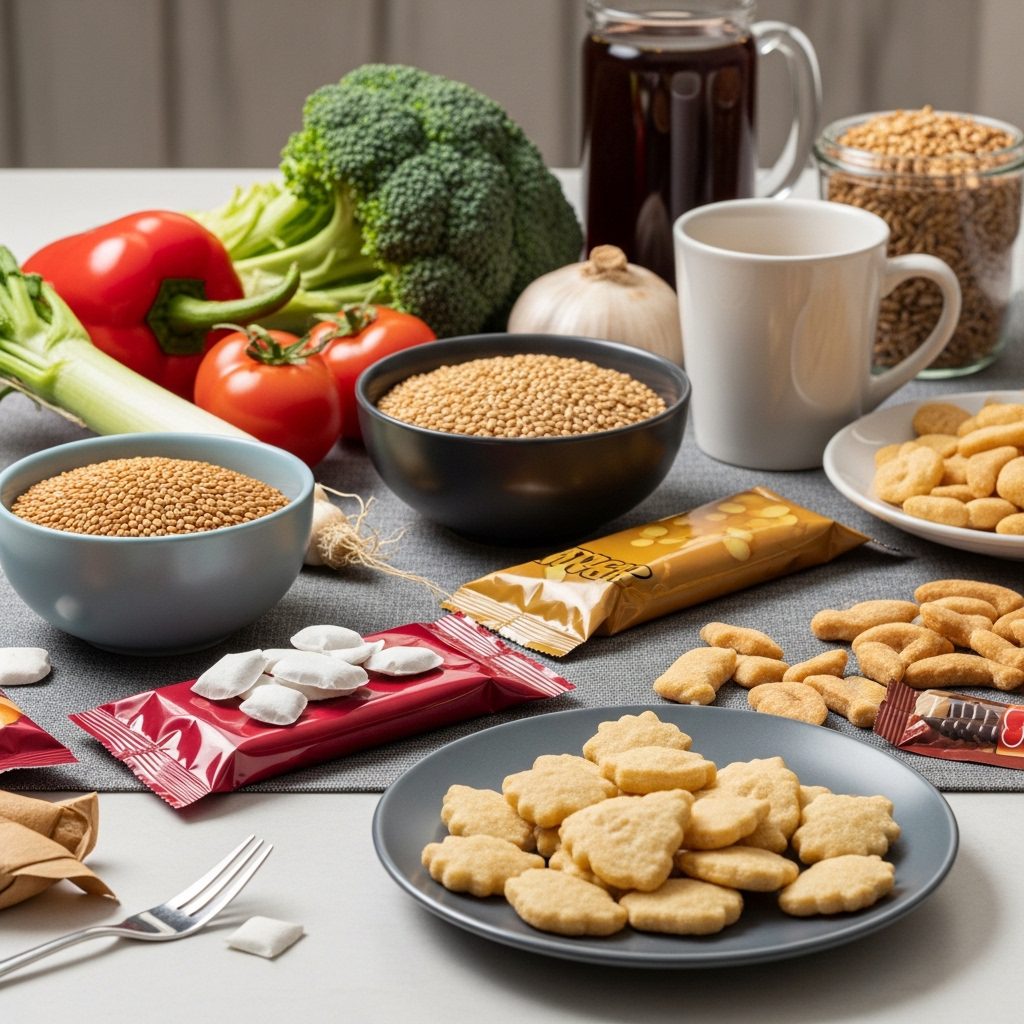
Best Probiotic Foods for Gut-Brain Axis Health:
Natural foods are one of the most effective ways to support gut health:
- Yogurt with live cultures
- Kefir
- Fermented vegetables like kimchi and sauerkraut
- Kombucha
- Miso
Foods That Support Them (Prebiotics):
To help beneficial bacteria thrive, include:
- Garlic and onions
- Bananas
- Oats
- Asparagus
- Beans and lentils
These foods create an environment where good bacteria can grow and function effectively.

Best Way and Time to Consume:
- Focus on regular intake rather than specific timing
- Including probiotics with meals may improve tolerance
- Pair them with fiber for better results
- Introduce them gradually to avoid digestive discomfort
Myths About the Gut-Brain Axis:
“The gut only affects digestion”:
In reality, it plays a key role in mental health, energy levels, and immune function.
“All probiotic options are the same”:
Different strains have different roles. Some are more effective for digestion, while others may influence mood and stress.
“Taking more speeds up results”:
Consistency and balance are more effective than high doses.

Practical Tips:
- Add one fermented food to your daily meals
- Increase fiber intake gradually
- Limit sugar and processed foods
- Stay well hydrated
- Manage stress through simple habits like walking or breathing exercises
- Maintain a consistent sleep schedule
Your gut and brain are constantly working together, shaping how you feel, think, and function every day. Supporting your gut health is not just about digestion—it’s about improving your mental clarity, emotional balance, and overall quality of life.
By making small, consistent changes—like incorporating probiotics, improving your diet, and managing stress—you can create a noticeable shift in your daily energy and mental performance.
To explore more practical, science-based nutrition strategies, visit Nutrition Travels and start building a healthier connection between your body and mind.