

Gut microbiota plays a crucial role in shaping children’s health from early life. Understanding the influence of gut microbiota on children’s immunity and long-term health is essential for parents and caregivers who want to support strong immune systems, healthy digestion, and lifelong well-being.
A child’s gut is home to trillions of microorganisms, including bacteria, viruses, and fungi, which interact with the immune system, digest food, and protect against harmful pathogens. Early-life factors such as diet, birth method, antibiotic use, and environment shape the diversity and balance of these microbial communities, influencing both immediate and long-term health outcomes.
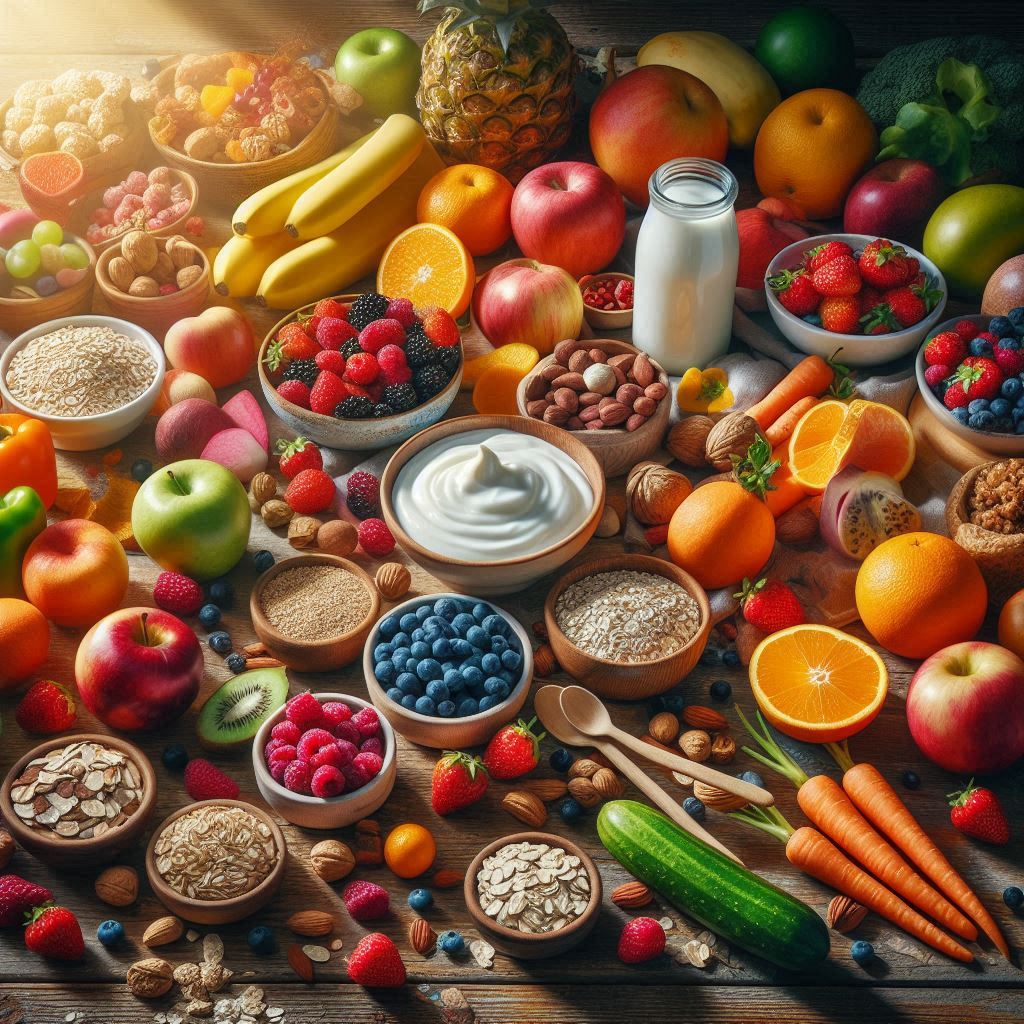
The Role of Gut Microbiota in Immunity:
Gut microbes are intimately linked with immune system development. They train immune cells to distinguish between harmful pathogens and harmless substances, reducing the risk of allergies, autoimmune conditions, and infections.
Children with a diverse and balanced gut microbiota tend to have:
- Stronger immune responses to common pathogens
- Lower rates of respiratory infections and diarrhea
- Reduced likelihood of developing allergies and eczema
Actionable tip: Introduce a variety of fiber-rich foods early, such as fruits, vegetables, legumes, and whole grains, to support microbial diversity.
Factors That Shape Gut Microbiota in Early Life:
Several factors influence gut microbiota composition during childhood:
- Mode of Birth – Vaginal delivery exposes infants to maternal microbes, promoting initial gut colonization. Cesarean births may delay this process.
- Feeding Method – Breastfeeding provides prebiotics and beneficial bacteria, supporting early immunity. Formula-fed infants may have a different microbial balance but can benefit from fortified formulas.
- Antibiotic Exposure – Early or frequent antibiotic use can disrupt microbial diversity, sometimes leading to long-term effects on immunity.
- Environment – Exposure to pets, siblings, and natural environments increases microbial diversity and resilience.
Actionable tip: Encourage outdoor play and age-appropriate social interactions to naturally enrich children’s gut microbiota.
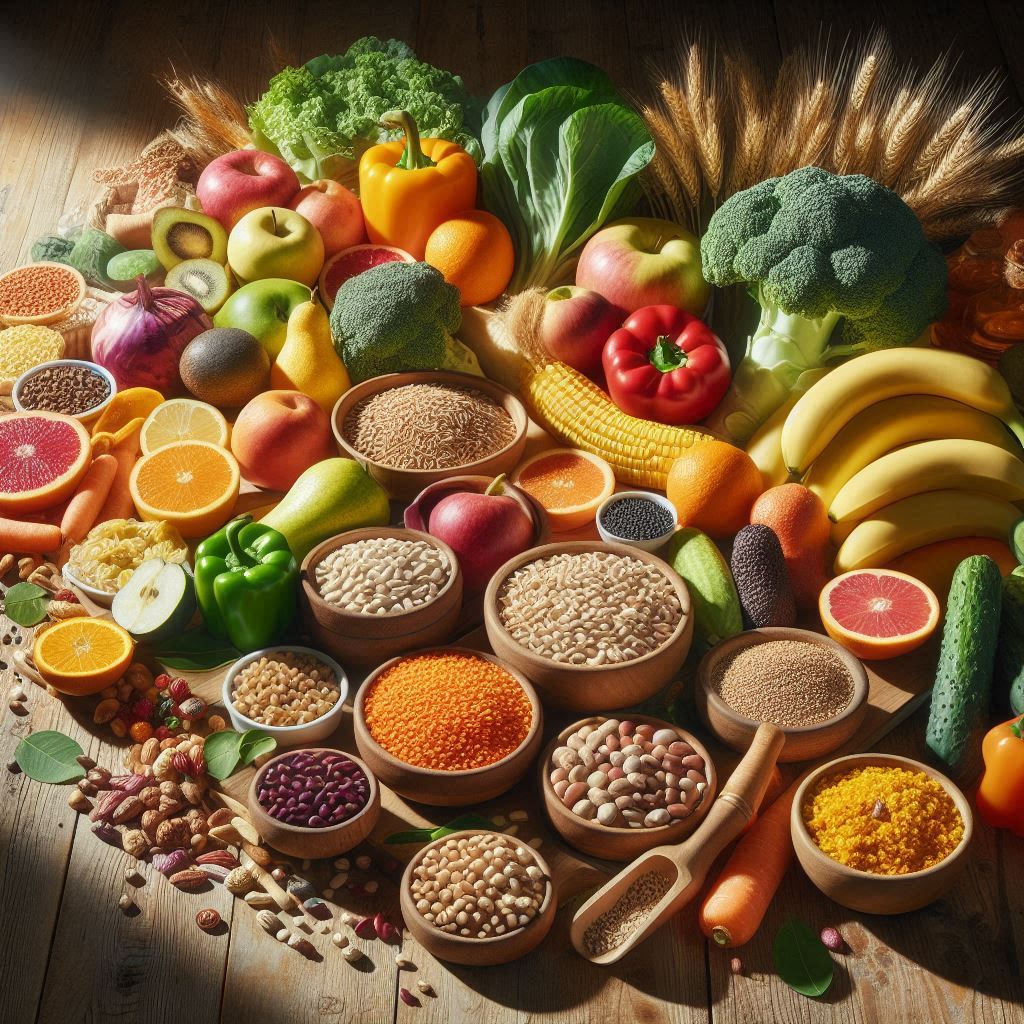
Dietary Strategies to Support Healthy Gut Microbiota:
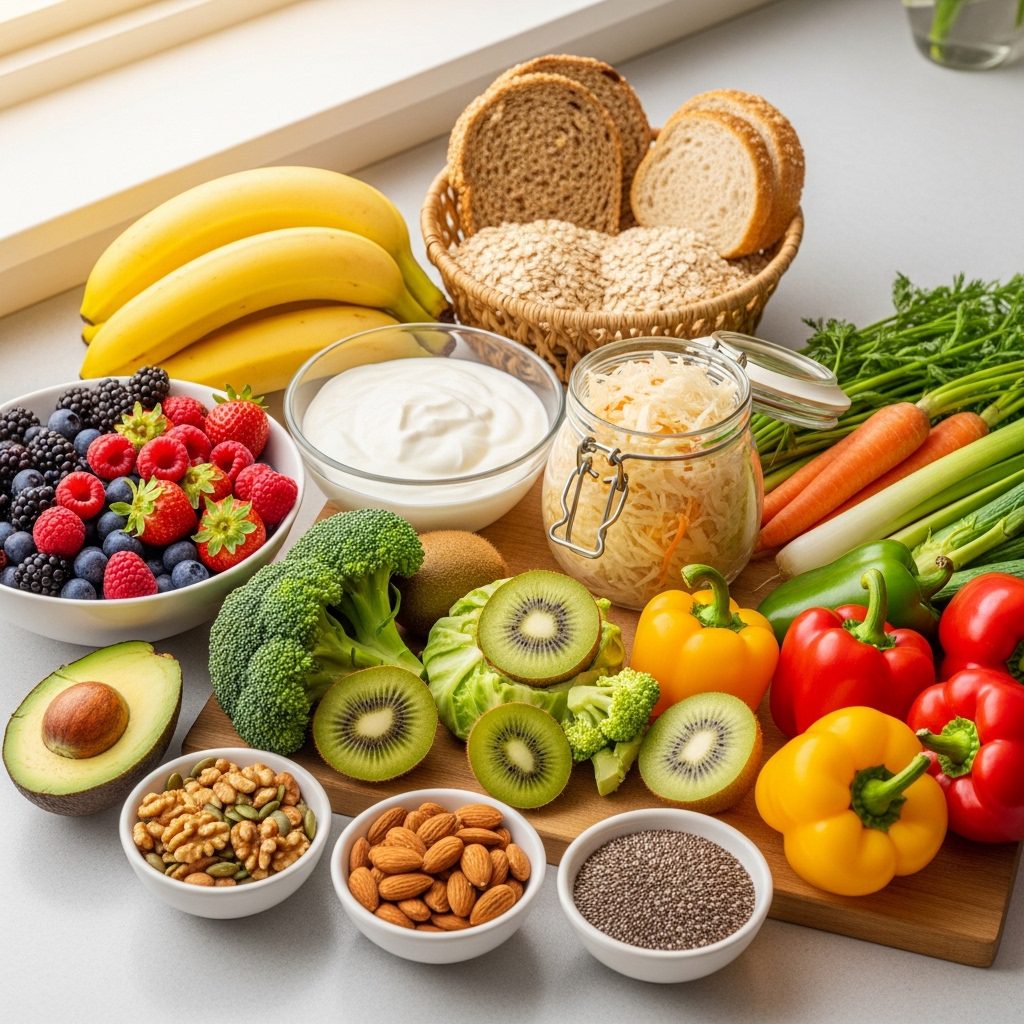
Nutrition is one of the most powerful tools for nurturing a healthy gut. Certain foods help promote beneficial bacteria and overall immune health:
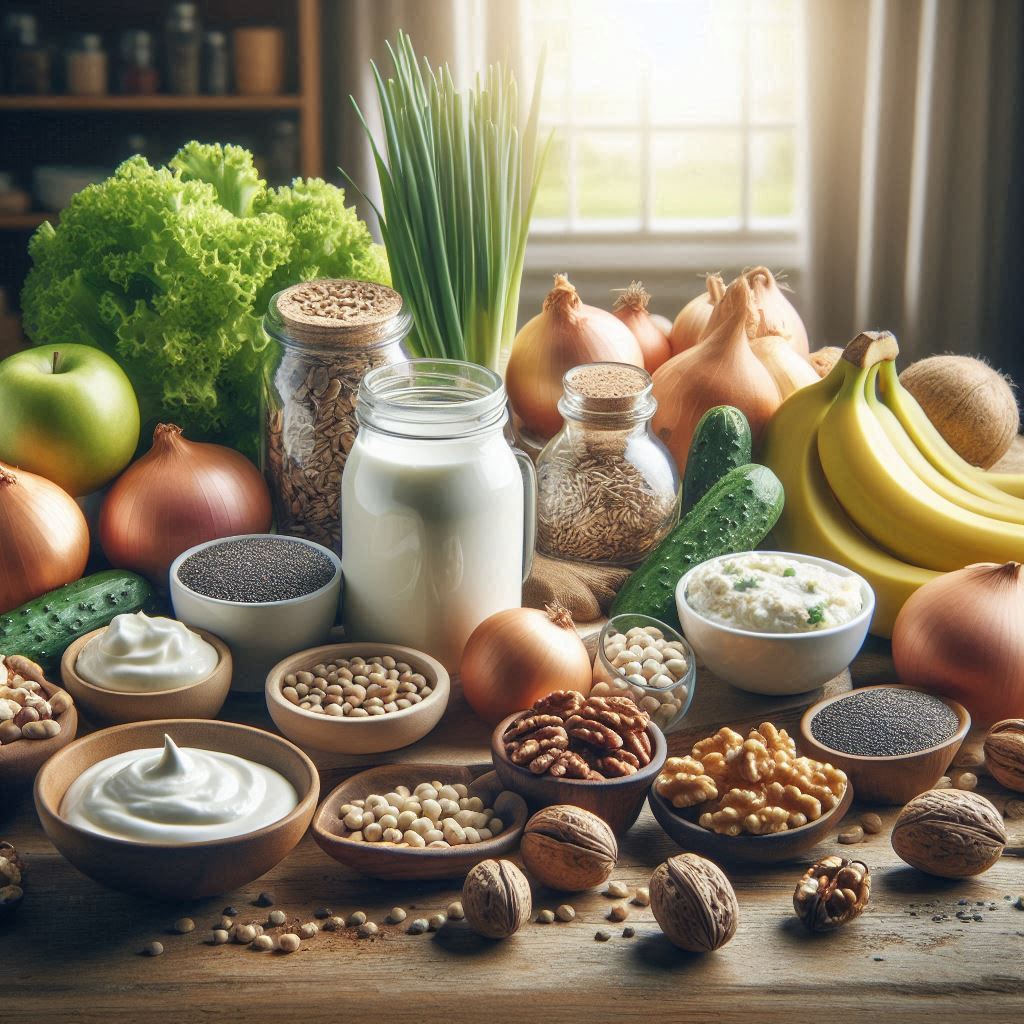
- Probiotic Foods: Yogurt, kefir, sauerkraut, and fermented vegetables introduce live beneficial bacteria.
- Prebiotic Foods: Garlic, onions, bananas, and whole grains feed beneficial microbes, supporting their growth.
- Fiber-Rich Foods: Fruits, vegetables, and legumes maintain gut health and regular bowel function.
- Healthy Fats: Omega-3 fatty acids from fish, chia seeds, and walnuts reduce inflammation and support microbial balance.
Actionable tip: Include at least one probiotic and one prebiotic source daily to maintain microbial diversity.
How Gut Microbiota Influences Long-Term Health Outcomes:
A healthy gut microbiota in early life can influence long-term health beyond immunity. Studies link balanced gut flora to:
- Reduced risk of obesity and metabolic disorders
- Improved cognitive function and mental health
- Lower incidence of autoimmune diseases such as type 1 diabetes
- Enhanced nutrient absorption for optimal growth
Actionable tip: Avoid overreliance on ultra-processed foods, which can disrupt microbial balance and compromise immune development.
Gut Microbiota and Emotional Health:
Emerging research highlights the gut-brain axis, a bidirectional communication network between the gut microbiota and the brain. Healthy microbial communities can:
- Modulate stress responses
- Support emotional resilience
- Improve sleep quality
Introducing fermented foods and fiber-rich plant foods early in childhood may contribute to better mood regulation and cognitive development.
Actionable tip: Combine gut-friendly nutrition with adequate sleep and physical activity for holistic mental and physical health.
Lifestyle Practices That Strengthen Gut Health:
Beyond diet, lifestyle habits are critical for supporting gut microbiota and immunity:
- Regular Physical Activity: Movement promotes healthy digestion and microbial diversity.
- Adequate Sleep: Sleep regulates immune function and microbial balance.
- Limited Antibiotic Overuse: Use antibiotics only when necessary and under medical supervision.
- Outdoor Exposure: Interaction with nature and safe microbes from soil and pets enhances gut diversity.
Actionable tip: Encourage at least 30–60 minutes of daily active play outdoors for children to strengthen immunity and gut resilience.
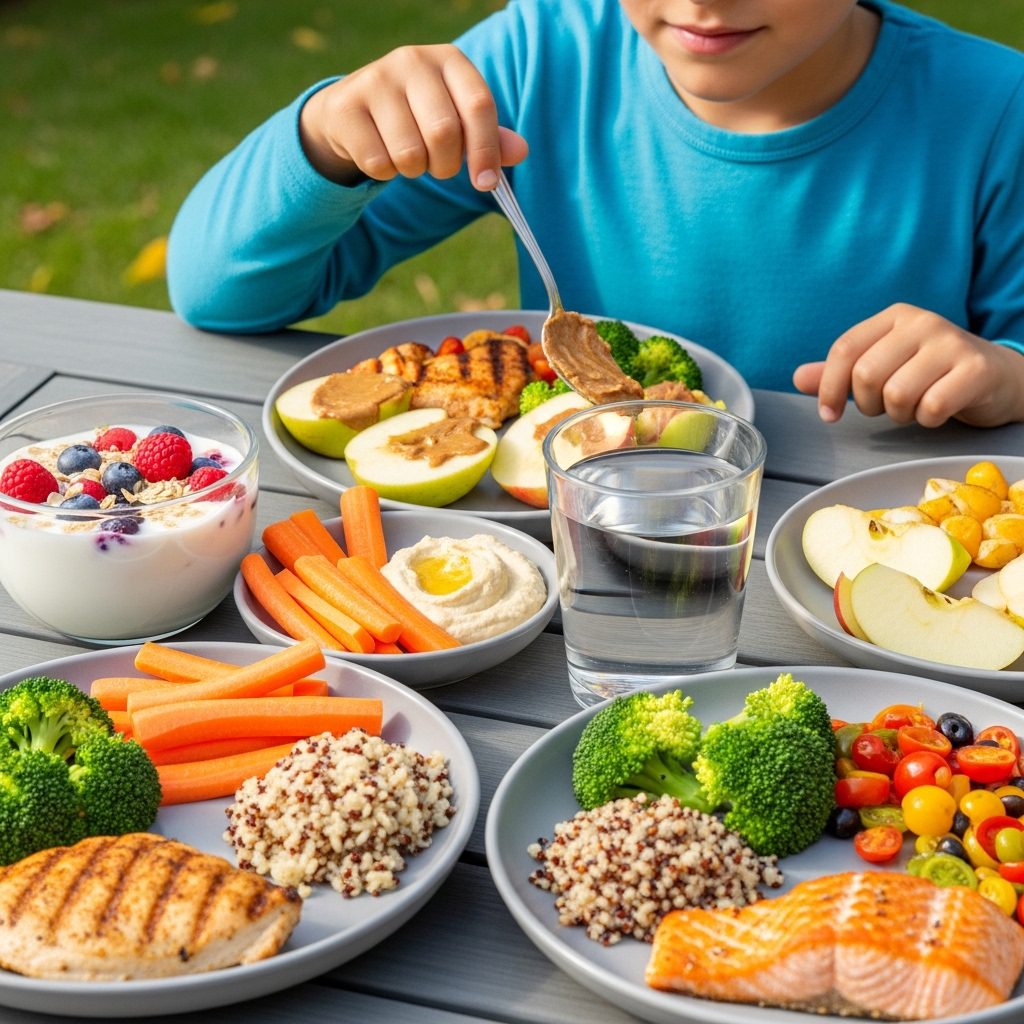
Practical Daily Routine Example for Gut Health:
Breakfast: Yogurt with berries and a sprinkle of oats
Snack: Apple slices with almond butter
Lunch: Grilled chicken, brown rice, and steamed broccoli
Snack: Carrot sticks with hummus
Dinner: Baked salmon with quinoa and roasted vegetables
Hydration: Water throughout the day; limit sugary beverages
This routine combines fiber, probiotics, protein, and healthy fats to support both microbial diversity and immune function.
Tips for Supporting Gut Microbiota in Children:
- Rotate a variety of fruits, vegetables, and whole grains.
- Include fermented foods regularly.
- Avoid excessive sugar and processed snacks.
- Encourage outdoor play and social interactions.
- Monitor antibiotic use and consult a healthcare provider when needed.
Long-Term Benefits of Healthy Gut Microbiota:
Children with well-nurtured gut microbiota experience both immediate and lifelong benefits:
- Stronger immunity and fewer infections
- Better digestion and nutrient absorption
- Reduced risk of chronic diseases
- Enhanced mental and emotional well-being
Investing in gut health during childhood sets the foundation for resilient immune systems and overall long-term wellness.

The influence of gut microbiota on children’s immunity and long-term health is profound. By prioritizing diverse, fiber-rich diets, probiotic and prebiotic foods, and supportive lifestyle habits, parents can nurture strong immune systems and foster lifelong health in their children.
Start making small, consistent changes today to strengthen your child’s gut microbiota. For practical guidance, meal ideas, and evidence-based tips for optimal childhood nutrition, explore Nutrition Travels and take a proactive step toward your child’s lifelong health.