Iron is one of the essential nutrients that cannot be overlooked during a child’s growth stages. Yet, it is also one of the most common nutrients children lack without parents noticing early on.
Here lies the importance of understanding the role of iron in children’s growth—not just as a nutrient, but as a key factor influencing physical, mental, and behavioral development.
Why Is Iron Important for Children’s Growth?
Iron is a main component of hemoglobin, the protein responsible for transporting oxygen in the blood. When a child’s body receives enough iron, oxygen is efficiently delivered to the brain and muscles, supporting concentration, activity, and normal growth.
Even a mild iron deficiency can lead to:
- Rapid fatigue
- Poor concentration and attention
- Pale skin
- Loss of appetite
- Delayed growth or cognitive development
For this reason, the role of iron in children’s growth goes beyond preventing anemia—it also supports learning, immunity, and daily energy levels.

When Are Children More at Risk of Iron Deficiency?
A child’s need for iron increases during periods of rapid growth, such as:
- Infancy after six months of age
- Early childhood
- Adolescence
During these stages, relying on an unbalanced or iron-poor diet may cause gradual deficiency without obvious early symptoms, making nutritional awareness among parents extremely important.

The Difference Between Animal and Plant-Based Iron
To better understand the role of iron in children’s growth, it’s important to know that iron comes in two forms:
- Heme iron: Found in animal sources and easily absorbed by the body
- Non-heme iron: Found in plant sources and absorbed less efficiently
This doesn’t mean plant sources are less valuable, but they do require smart dietary combinations to enhance absorption—a point we’ll discuss later.
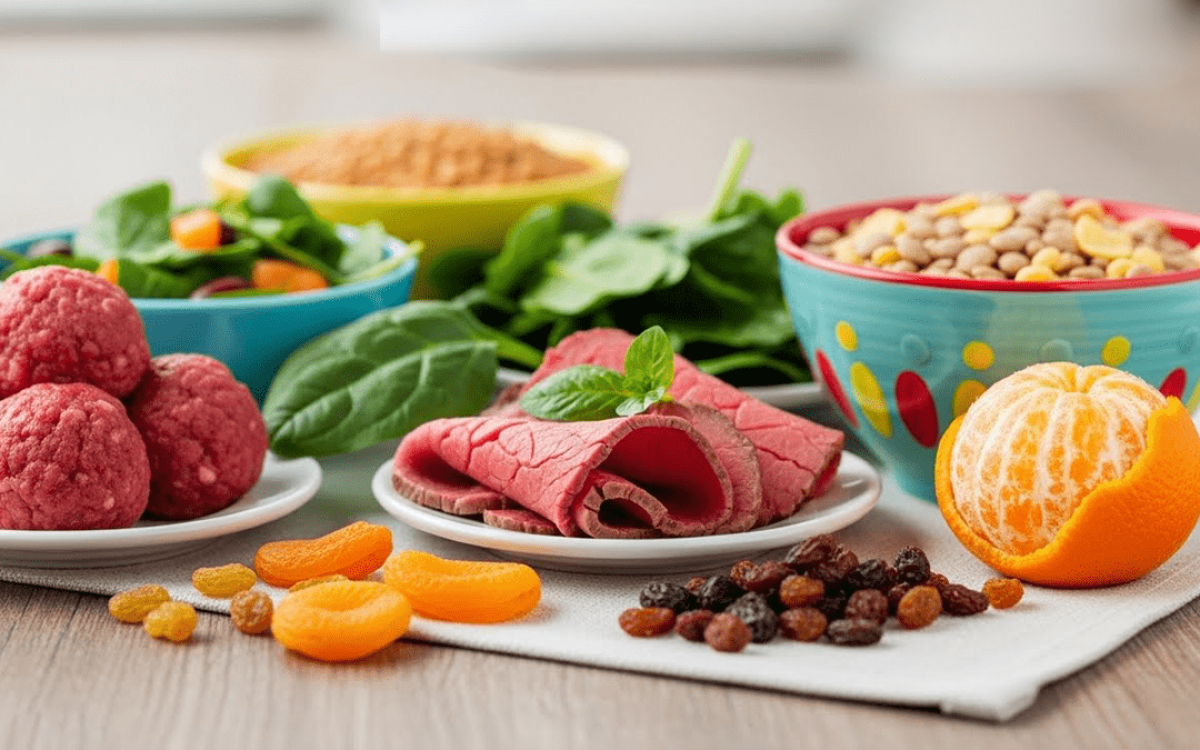
Best Iron-Rich Foods for Children
Choosing iron-rich foods doesn’t mean offering complicated or unappealing meals. Iron can be easily incorporated into daily dishes.
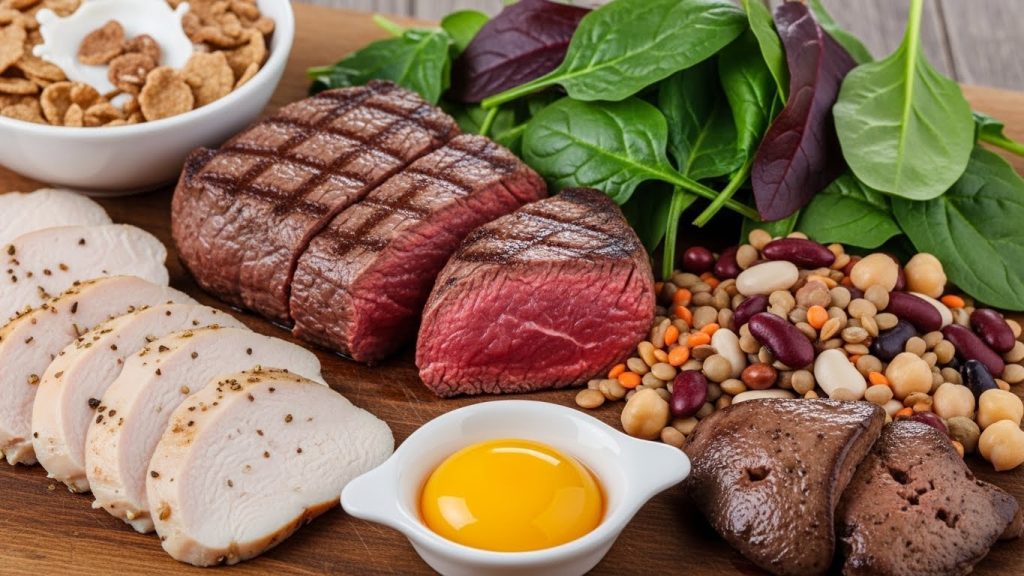
Top sources include:
- Well-cooked red meat in moderate amounts
- Liver (once a week)
- Chicken and turkey
- Egg yolk
- Lentils, beans, and chickpeas
- Spinach and dark leafy greens
- Iron-fortified cereals
Varying these foods throughout the week helps meet a child’s needs without boredom or pressure.
Do All Children Need Iron Supplements?
Not necessarily. In many cases, a balanced diet is sufficient to meet a child’s iron requirements.
However, if clear symptoms appear, or if a child follows a very limited diet, a doctor may recommend supplements after proper testing.
It’s important not to give iron supplements without medical advice, as excess iron can be just as harmful as deficiency.
Improving Absorption and Building Healthy Habits
After understanding the importance of iron and its sources, the next crucial step is ensuring the child’s body benefits from it effectively. Understanding the role of iron in children’s growth is incomplete without knowing the factors that enhance absorption and the common mistakes that reduce its benefits—even when iron is present in the diet.

How Can We Improve Iron Absorption from Meals?
Not all the iron a child consumes is actually absorbed. Absorption depends on the type of food, meal timing, and meal composition.
Practical ways to enhance absorption include:
- Combining iron with vitamin C
Vitamin C significantly improves the absorption of plant-based iron. Adding lemon, oranges, bell peppers, or tomatoes to meals makes a big difference. - Combining iron sources
Including a small animal-based iron source with plant-based foods in the same meal boosts overall absorption. - Proper cooking
Cooking legumes and vegetables reduces compounds that hinder iron absorption and makes them easier for children to digest.
With these simple steps, the role of iron in children’s growth becomes more effective without increasing the quantity consumed.
Common Mistakes That Reduce Iron Benefits
Sometimes iron is present in the diet, but daily habits unintentionally reduce its absorption. Common mistakes include:
- Serving tea or cocoa right after meals
- Excessive milk intake with every meal
- Overreliance on processed foods
- Lack of variety in iron sources
These habits are widespread and can lead to gradual iron deficiency, especially in children with poor appetite.

Daily Iron-Rich Meal Ideas for Children
Including iron in a child’s diet doesn’t need to be complicated. It can be offered in simple, appealing ways:
- Cooked lentils with rice and a squeeze of lemon
- Eggs with sautéed spinach and whole wheat bread
- Meat kofta with roasted vegetables
- Mashed chickpeas with tomatoes and olive oil
- Fortified breakfast cereals with vitamin C–rich fruit
Variety in presentation helps children accept these foods and builds healthy long-term eating habits.
When Should Parents Be Concerned and Seek Medical Testing?
Despite the importance of nutrition, some cases require medical follow-up.
Iron testing is recommended if parents notice:
- Persistent fatigue with no clear reason
- Severe paleness
- Poor concentration or academic decline
- Noticeable loss of appetite
- Frequent infections
Early intervention in these cases is essential to prevent iron deficiency from affecting mental and physical development.

The Role of Parents in Building Long-Term Nutritional Awareness
The most valuable thing parents can offer isn’t just an iron-rich meal, but a simple understanding of why food matters.
Teaching children that certain foods “build strong blood” or “give energy” creates a positive relationship with food instead of forcing it.
The role of iron in children’s growth is closely tied to the home food environment. When children see their parents choosing healthy foods, it becomes a natural part of daily life.
Iron is a small nutrient with a powerful impact.
Through a balanced diet, awareness of healthy habits, and smart monitoring when needed, children’s physical and mental growth can be supported safely and effectively.
If you’re looking for more practical articles that combine nutrition, health, and travel, follow our content on nutritiontravels for reliable information and actionable tips.