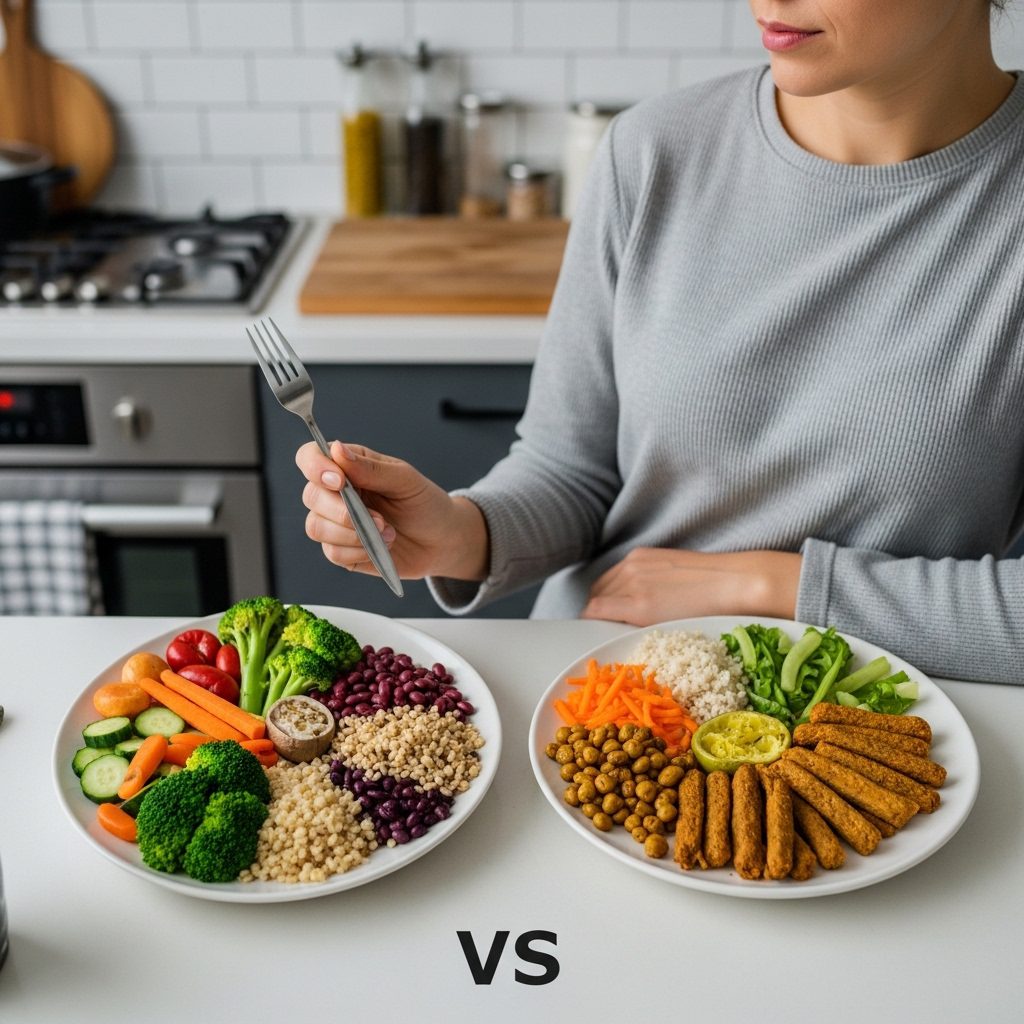
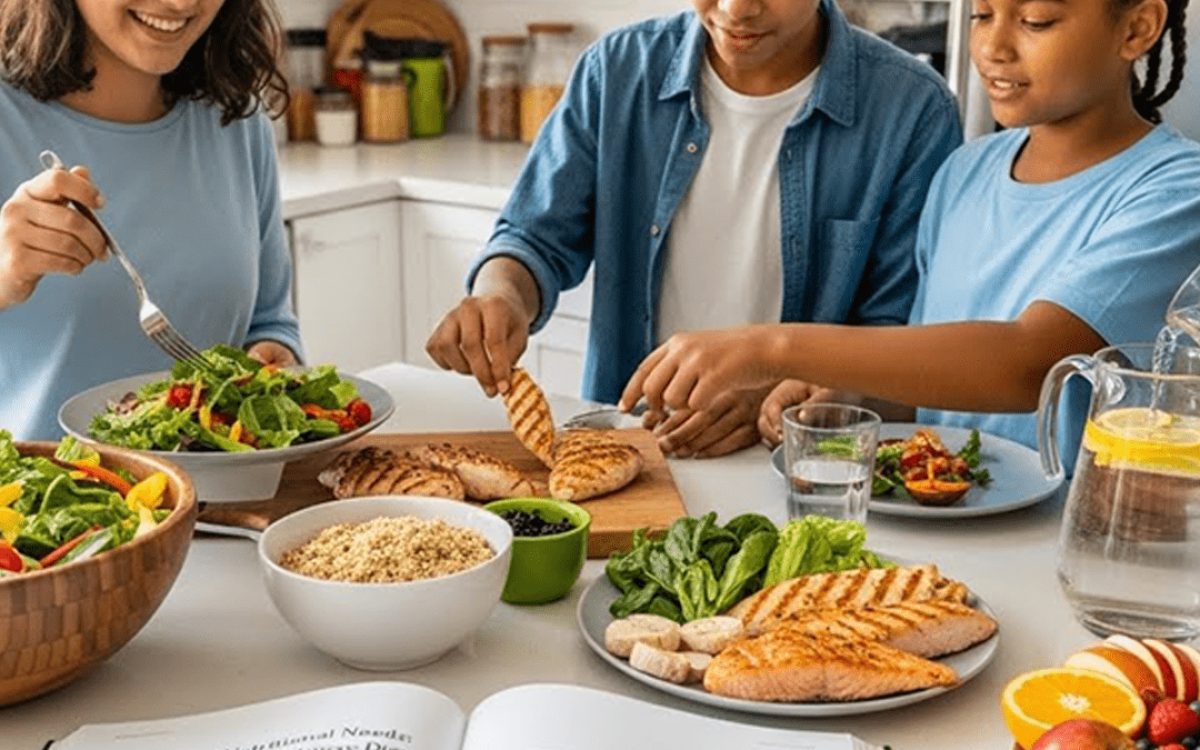
Teenagers are at a critical stage in forming eating habits, as they begin making independent choices and are increasingly influenced by friends and social media. Therefore, developing healthy eating habits at this stage requires a clear understanding of their teenagers’ nutritional needs needs and common behaviors.
A teenager needs:
• Enough protein to support muscle and bone growth
• Healthy carbohydrates for daily energy
• Healthy fats to support the brain and hormones
• Vitamins and essential minerals to support growth and immunity
The real challenge is that teenagers often prefer fast food or sugary meals and show less interest in fruits and vegetables. Here, parents play a key role in developing healthy eating habits in a smart and non-forceful way.
Teach Teenagers Responsibility in Choosing Food
Instead of imposing a diet, encourage teenagers to:
• Choose their meals from available healthy options
• Read food labels to understand nutritional content
• Try new foods gradually
This step enhances their independence and makes them partners in developing healthy eating habits positively.

Include the Family in Meals
Family meals are a golden opportunity to teach healthy habits:
• Eat dinner together at least once a day
• Include fruits and vegetables in main meals
• Discuss the benefits of foods instead of focusing on restrictions
This approach helps teenagers see healthy eating as a natural part of daily life rather than a limitation.
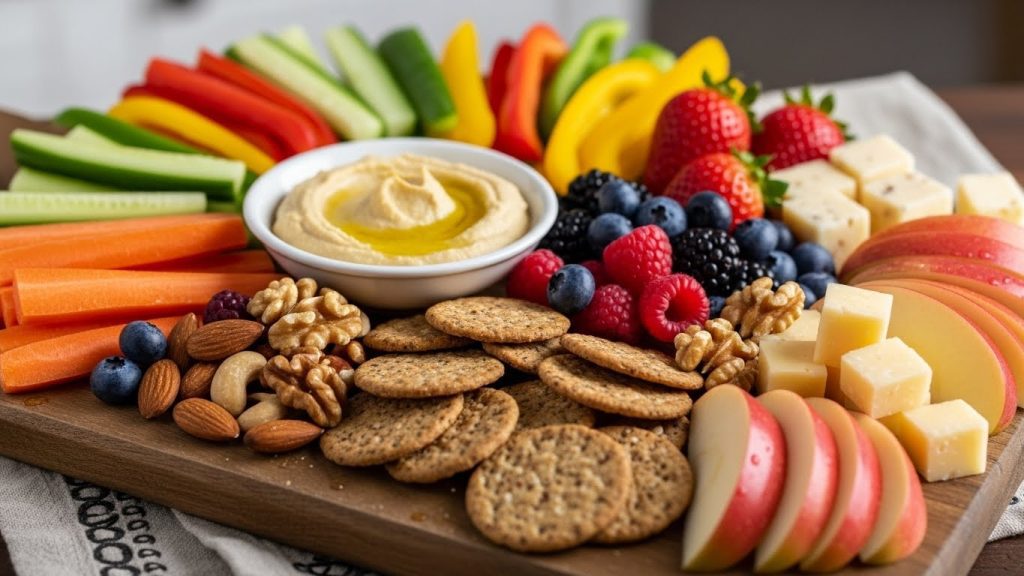
Smart Snacks
Teenagers often eat snacks between classes. To make them healthy:
• Offer unsalted nuts
• Cut or dried fruits without added sugar
• Natural yogurt or whole grains
These choices help develop healthy eating habits and reduce reliance on fast food.
Gradual Changes in Teenagers’ Nutritional Needs :
Changing habits doesn’t happen overnight:
• Introduce new healthy foods gradually
• Reward teenagers for trying, not just for results
• Keep favorite foods within the healthy plan
Gradual changes make developing healthy eating habits an ongoing and easily accepted process.
Positive Communication Instead of Pressure
Pressure or scolding can have negative effects:
• Avoid comparisons with friends or siblings
• Focus on the health benefits of food instead of negative words
• Involve teenagers in planning weekly meals
This way, developing healthy eating habits becomes an enjoyable and inspiring learning experience.
After covering the basics in the first part, here are practical strategies for parents to effectively and sustainably promote healthy eating habits.

Encourage Fruits and Vegetables
To motivate teenagers to eat fruits and vegetables:
• Present them in fun ways: colorful slices, veggie sticks, or decorative salads
• Integrate them into favorite meals: add to pizza, sandwiches, or pasta
• Involve them in preparation: teenagers are more likely to try what they helped make
This makes fruits and vegetables a natural part of daily healthy eating habits.
Teenagers’ Nutritional Needs : Healthy Alternatives to Fast Food
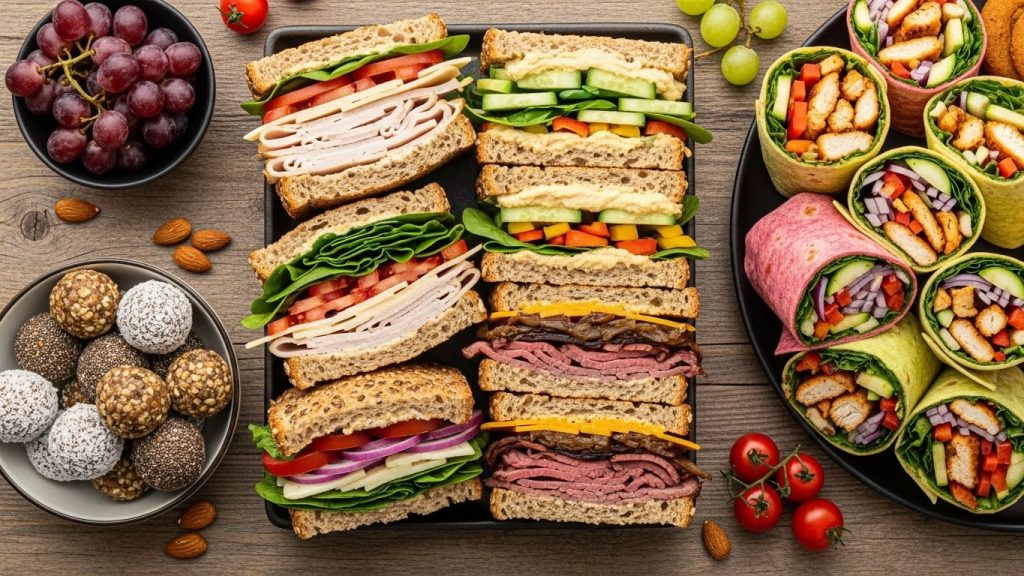
Teenagers are often drawn to fast food, so offer nutritious alternatives:
• Home-made sandwiches with whole-grain bread, protein, and vegetables
• Energy balls or snacks made from nuts and oats
• Tortilla wraps with grilled vegetables and chicken
These alternatives provide a similar experience to fast food without sacrificing nutritional value, supporting the development of healthy eating habits realistically.
Encourage Independence and Responsibility
Teenagers need to feel in control of their food choices:
• Allow them to plan their snacks or prepare some meals
• Teach them to read food labels and choose wisely
• Give them space to try new recipes
This approach fosters independence and makes developing healthy eating habits a personal and enjoyable responsibility rather than a chore.
Teenagers’ Nutritional Needs : Handling Ready-Made and Fast Foods
You can’t completely prevent teenagers from eating ready-made foods, but you can reduce their impact:
• Set specific times for consumption instead of allowing it all day
• Combine them with vegetables or protein to increase nutritional value
• Discuss choices positively instead of scolding
The goal is to teach teenagers how to maintain healthy eating habits even in tempting environments.
Combine Physical Activity with Healthy Eating
Eating habits work best alongside physical activity. Encouraging daily exercise enhances the benefits of healthy foods:
• 30–60 minutes of daily activity helps maintain a healthy weight and naturally stimulates appetite
• Activity with healthy meals improves nutrient absorption
• Family activities like walking or cycling make nutrition and exercise part of the daily routine
This way, developing healthy eating habits becomes a holistic experience combining food and movement.

Create a Supportive Home Food Environment
The home environment plays a key role in teenagers’ eating behaviors:
• Provide healthy options in the kitchen instead of high-sugar and high-fat foods
• Keep fruits and vegetables ready-to-eat and easily accessible
• Have regular family meals to reinforce healthy practices
A supportive environment boosts teenage independence and makes developing healthy eating habits easier and sustainable, increasing the likelihood that these habits last long-term.
Common Mistakes to Avoid in Teenagers’ Nutritional Needs :
• Forcing teenagers to finish everything on their plate
• Using material rewards for eating vegetables
• Focusing only on restrictions without offering nutritious alternatives
Avoiding these mistakes makes the process of developing healthy eating habits enjoyable and effective, fostering long-term healthy behaviors.
Building Sustainable Eating Habits
Developing healthy eating habits in teenagers requires patience, gradual steps, and continuous encouragement.
Using strategies like integrating fruits and vegetables in fun ways, offering healthy alternatives to fast food, and teaching teenagers dietary independence, parents can build a strong nutritional foundation that supports growth and overall health.
For more practical ideas on teenage nutrition, healthy recipes, and engaging educational strategies, visit nutritiontravels, where we combine nutrition, health, and daily fun.