As people age, nutrient absorption often becomes less efficient. One of the most common deficiencies seen in older adults is related to vitamin B12. Understanding vitamin B12 malabsorption in seniors is essential because this nutrient plays a critical role in neurological health, red blood cell formation, and DNA synthesis.
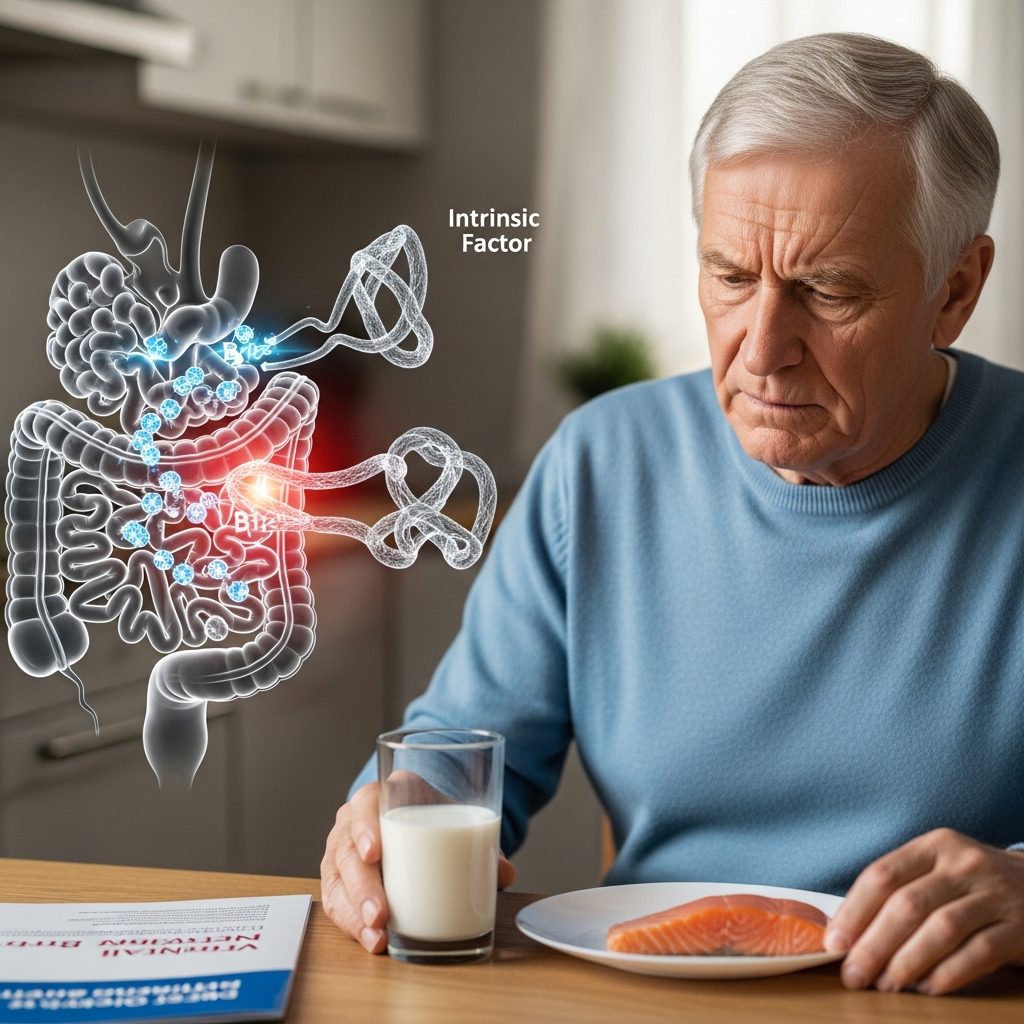
While dietary intake may appear adequate, the issue in many older adults is not insufficient consumption but rather impaired absorption. In particular, changes in stomach function and reduced production of intrinsic factor significantly affect vitamin B12 availability.
Why Vitamin B12 Is Essential:
Vitamin B12, also known as cobalamin, is a water-soluble vitamin that supports several vital processes:
- Formation of healthy red blood cells
- Maintenance of nerve cells and myelin sheath integrity
- DNA synthesis and cellular replication
- Cognitive function and mood regulation
Moreover, long-term deficiency can lead to anemia, neuropathy, memory problems, and even irreversible neurological damage. Therefore, early identification of absorption issues is crucial in older adults.
Understanding Intrinsic Factor:
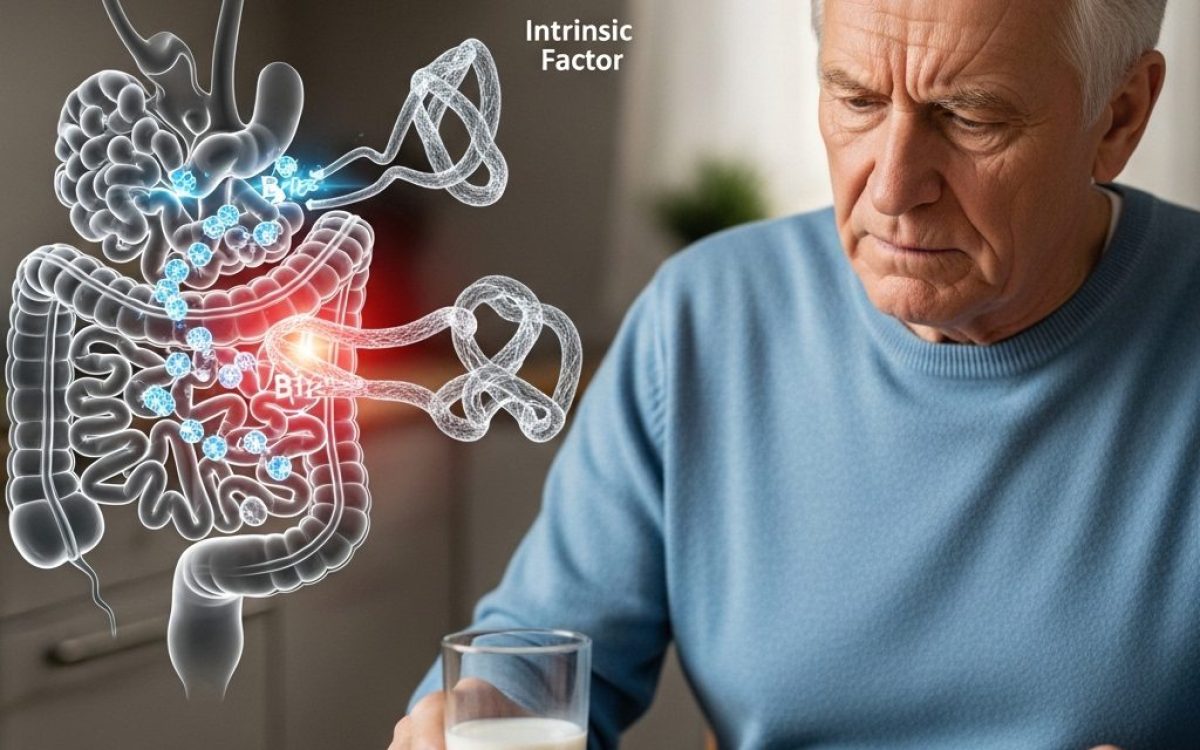
Intrinsic factor is a protein produced by parietal cells in the stomach lining. Its primary role is to bind with vitamin B12 and facilitate its absorption in the small intestine, specifically in the ileum.
Without intrinsic factor, vitamin B12 cannot be properly absorbed, regardless of how much is consumed. Consequently, even seniors who eat adequate amounts of animal products may still develop deficiency.

How Vitamin B12 Absorption Changes in Seniors:
The absorption of vitamin B12 is a multi-step process:
1. Vitamin B12 is released from food proteins in the stomach through the action of hydrochloric acid and digestive enzymes.
2. It temporarily binds to a transport protein called haptocorrin.
3. In the small intestine, B12 separates from haptocorrin and binds to intrinsic factor.
4. The B12–intrinsic factor complex is absorbed in the ileum.
However, aging can disrupt several of these steps, increasing the risk of vitamin B12 malabsorption in seniors.
Vitamin B12 Malabsorption in Seniors: Why Seniors Are at Higher Risk:
Several age-related factors contribute to malabsorption:
1- Reduced Stomach Acid and Vitamin B12 Malabsorption in Seniors:
As individuals age, stomach acid production often declines. This condition, known as atrophic gastritis, impairs the release of vitamin B12 from food.
Additionally, many seniors take acid-reducing medications such as proton pump inhibitors (PPIs), which further reduce stomach acidity and interfere with B12 absorption.
2- Decreased Intrinsic Factor Production:
Damage to the stomach lining can reduce intrinsic factor secretion. In severe cases, this leads to pernicious anemia, an autoimmune condition in which intrinsic factor is destroyed.
As a result, vitamin B12 cannot bind properly and absorption becomes severely compromised.
3- Gastrointestinal Disorders:
Conditions such as celiac disease, Crohn’s disease, or surgical removal of parts of the stomach or small intestine can significantly impair absorption.
Furthermore, bacterial overgrowth in the intestine may consume vitamin B12 before it can be absorbed.

Symptoms Linked to Vitamin B12 Malabsorption in Seniors:
The symptoms of deficiency may develop gradually and are often subtle at first. They include:
- Fatigue and weakness
- Pale or yellowish skin
- Numbness or tingling in hands and feet
- Memory problems and confusion
- Balance issues
- Depression or mood changes
Importantly, neurological symptoms can become permanent if deficiency is not treated promptly.
Vitamin B12 Malabsorption in Seniors: Diagnosis and Testing:
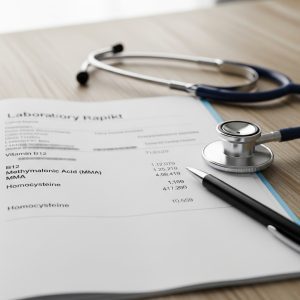
Healthcare providers typically assess vitamin B12 levels through blood tests. However, serum B12 levels alone may not always reflect functional deficiency.
Therefore, additional markers such as methylmalonic acid (MMA) and homocysteine may be measured to detect early deficiency. Regular screening is especially important for seniors with risk factors for malabsorption.
Dietary Sources of Vitamin B12:
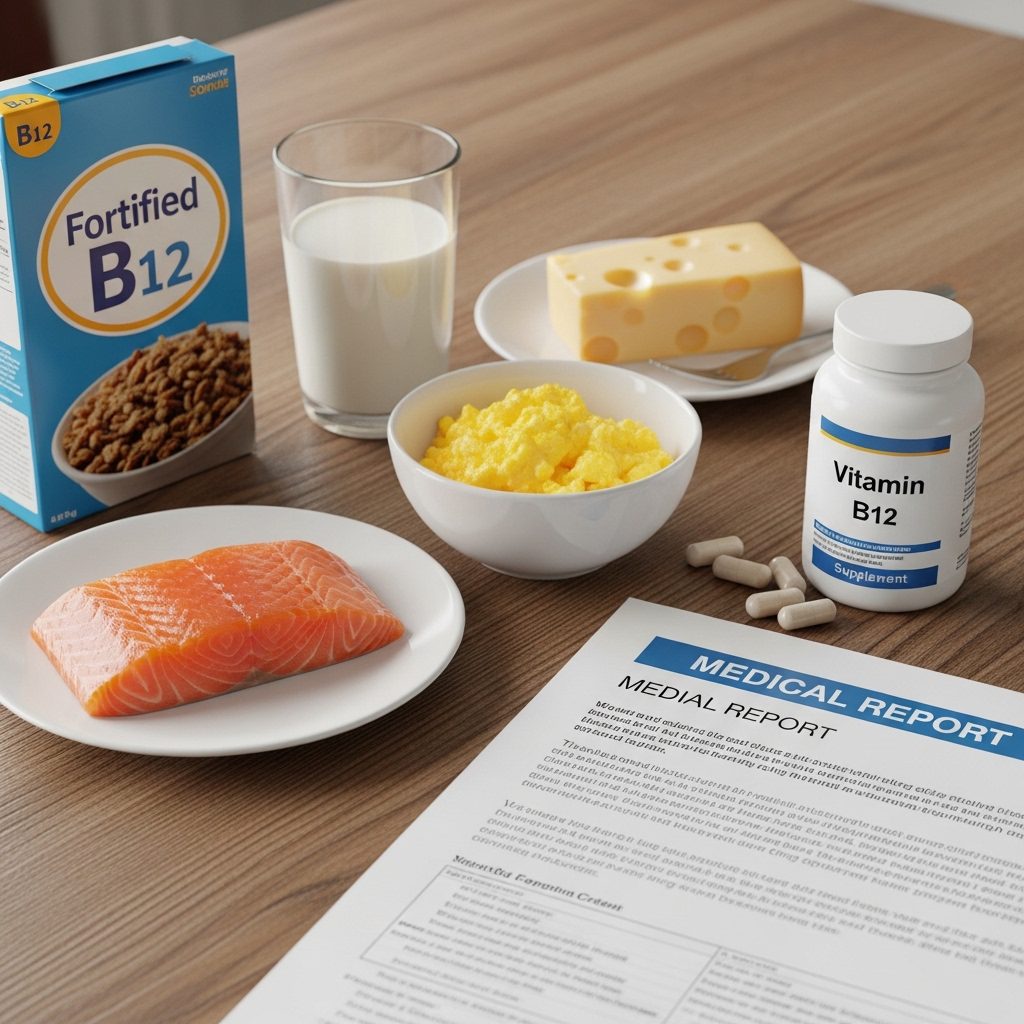
Vitamin B12 is naturally found in animal-based foods, including:
- Meat and poultry
- Fish and shellfish
- Eggs
- Dairy products
However, in cases of vitamin B12 malabsorption in seniors, food-based intake may not be sufficient. Fortified foods, such as breakfast cereals and plant-based milks, can help increase intake.
Supplementation Strategies:
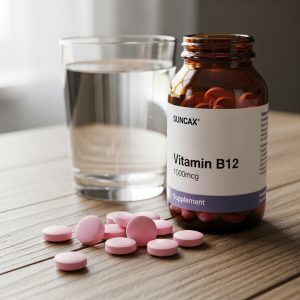
Because absorption from food may be impaired, supplementation is often necessary. There are several effective approaches:
1. Oral Supplements:
High-dose oral vitamin B12 supplements can be absorbed passively in small amounts, even without intrinsic factor.
2. Sublingual Forms:
These dissolve under the tongue and may bypass some digestive steps, although evidence suggests they are similar in effectiveness to oral forms.
3. Intramuscular Injections:
For individuals with severe malabsorption or pernicious anemia, B12 injections may be required. These bypass the digestive system entirely and ensure adequate levels.
Vitamin B12 Malabsorption in Seniors: Lifestyle and Preventive Strategies:
In addition to supplementation, seniors can support absorption and overall health through:
- Regular medical check-ups and screening
- Monitoring medication use that affects stomach acid
- Maintaining gut health through balanced nutrition
- Ensuring adequate protein intake to support digestive processes
Moreover, early intervention prevents long-term complications and preserves cognitive and neurological health.
The Long-Term Impact of Untreated Deficiency:
If left untreated, vitamin B12 deficiency can lead to:
- Megaloblastic anemia
- Peripheral neuropathy
- Cognitive decline
- Increased fall risk due to balance impairment
Consequently, addressing vitamin B12 malabsorption in seniors is not only about correcting lab values but also about protecting quality of life and independence.
Understanding vitamin B12 malabsorption in seniors highlights the critical role of intrinsic factor in nutrient absorption. Although dietary intake may be sufficient, age-related changes in stomach acid production and intrinsic factor secretion often impair proper absorption.
Therefore, regular screening, appropriate supplementation, and proactive healthcare management are essential for preventing deficiency-related complications. By recognizing the signs early and addressing underlying causes, seniors can maintain cognitive function, nerve health, and overall vitality.
For more evidence-based nutrition insights and practical wellness guidance, explore Nutrition Travels and take proactive steps toward healthy aging.