
The Science of Creatine reveals why this naturally occurring compound has become one of the most researched and effective supplements in the world. Produced by the body and stored primarily in muscles as phosphocreatine, creatine plays a critical role in energy production, athletic performance, muscle growth, and even cognitive function. Beyond its well-known benefits for strength and power, emerging research shows that creatine can support brain health, memory, and mental performance, making it a valuable supplement for athletes, older adults, and anyone seeking to optimize physical and cognitive well-being.

The Science of Creatine: How Creatine Works:
Creatine works by replenishing the body’s primary energy molecule, ATP (adenosine triphosphate). During intense exercise, ATP is consumed rapidly and converted to ADP (adenosine diphosphate). Phosphocreatine donates a phosphate group to ADP, converting it back to ATP and providing immediate energy for muscles. This process allows you to perform more repetitions, lift heavier weights, and recover faster during workouts.
In the brain, creatine also increases phosphocreatine levels in neurons, enhancing mental energy, focus, and memory. This is particularly beneficial for seniors, vegetarians, and individuals under mental fatigue or sleep deprivation.

The Science of Creatine and Athletic Performance:
Boosts Strength and Power:
Supplementing with creatine increases phosphocreatine stores in muscles, which allows for higher-intensity performance and more repetitions. This leads to increased muscular strength and better results in weightlifting, sprinting, and explosive sports. Studies show creatine can improve performance by 10–20% in high-intensity activities.
Enhances Recovery:
Creatine reduces muscle damage and inflammation after workouts, helping athletes recover faster. It also minimizes fatigue and soreness, allowing for more frequent training sessions without compromising performance.
Improves Endurance in Repeated High-Intensity Efforts:
While mainly linked to strength and power, creatine supports repeated bursts of high-intensity activity. This makes it effective for interval training, team sports, and any activity requiring sustained effort in short bouts.

The Science of Creatine for Muscle Growth and Body Composition:
Increases Muscle Size:
Creatine promotes muscle hypertrophy by drawing water into muscle cells, creating an anabolic environment that enhances protein synthesis. Over time, this leads to noticeable gains in muscle volume and strength.
Maximizes Training Potential:
By allowing more repetitions and heavier lifting, creatine indirectly enhances long-term muscle growth. Consistent, intense training is the key to hypertrophy, and creatine makes it more achievable.
Prevents Muscle Loss:
For older adults, creatine can help prevent sarcopenia (age-related muscle loss) and support mobility, metabolism, and overall health. Maintaining muscle mass is crucial for daily function and longevity.

The Science of Creatine and Brain Health:
Supports Brain Energy:
The brain requires high levels of ATP to function efficiently. Creatine supplementation boosts phosphocreatine in neurons, improving mental energy availability during demanding cognitive tasks.
Enhances Memory and Focus:
Research indicates that creatine improves working memory, short-term memory, and mental processing, especially in sleep-deprived individuals and vegetarians with lower baseline creatine levels.
Reduces Mental Fatigue:
Creatine helps combat “brain fog” and mental exhaustion during prolonged cognitive activity. It may also support neuroprotection, helping to reduce the risk of age-related cognitive decline.
The Science of Creatine: Safe Dosage and Usage:
Recommended Dosage:
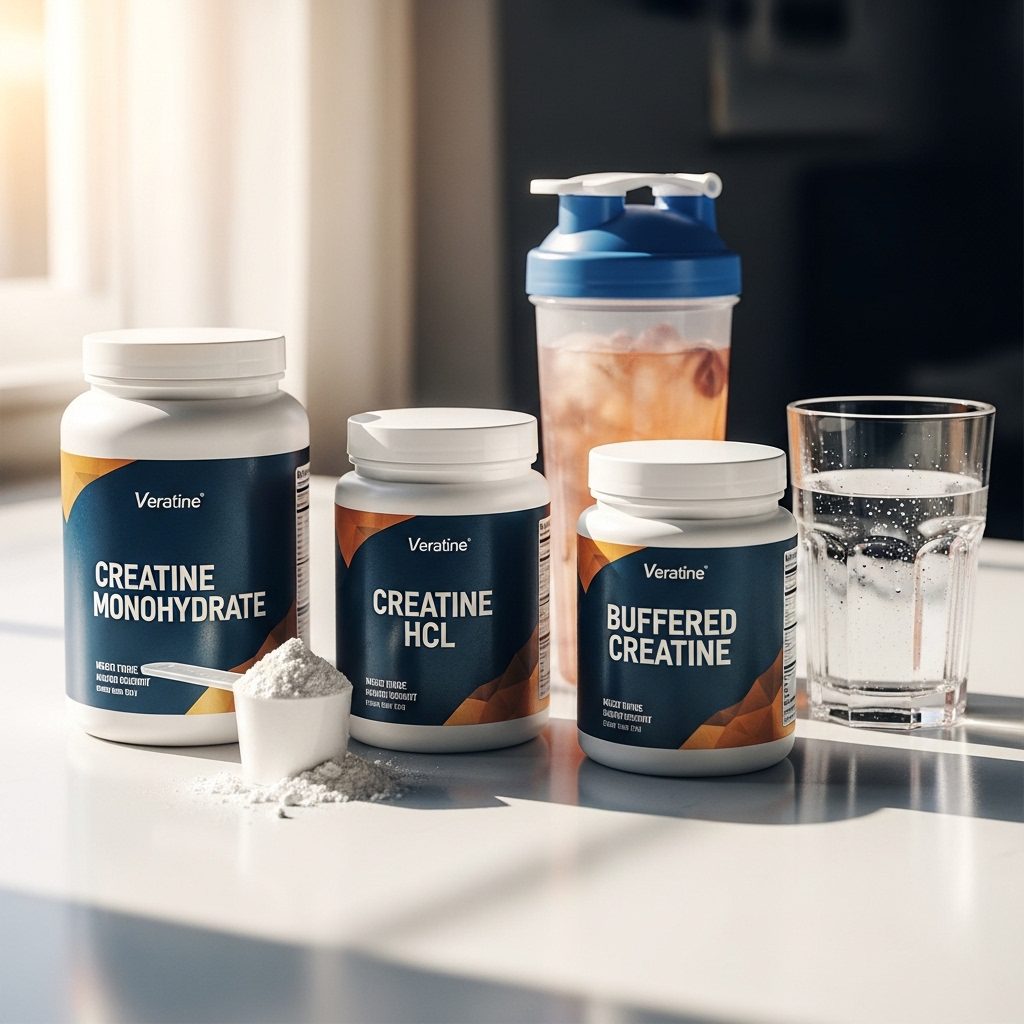
The most studied and effective form is Creatine Monohydrate. A typical daily dose of 3–5 grams is sufficient to maintain muscle creatine saturation. For faster results, a loading phase of 20 grams daily (divided into four doses) for 5–7 days can be used, followed by a maintenance dose of 3–5 grams per day.
Timing and Consumption:
Creatine can be taken any time of day, but consuming it with carbohydrates or protein may enhance absorption. Consistency matters more than timing for long-term benefits.
Hydration:
Since creatine draws water into muscles, adequate hydration is essential. Drinking at least 8–10 cups of water daily ensures effectiveness and prevents dehydration.
Safety:
Creatine is considered safe for healthy adults. Mild weight gain may occur due to water retention in muscles, not fat. People with kidney issues should consult a healthcare provider before starting supplementation.
Practical Tips for Applying The Science of Creatine:
- Take creatine daily, even on rest days, for consistent muscle saturation.
- Combine supplementation with resistance training for optimal strength and hypertrophy.
- Include protein-rich foods to support muscle growth.
- Monitor hydration and adjust water intake as needed.
- Seniors and vegetarians can benefit from creatine to support cognitive function and compensate for lower dietary intake.

The Science of Creatine shows that this supplement is more than a muscle-building aid—it is a complete energy booster for both body and brain. It improves muscle strength, size, and recovery while enhancing mental energy, focus, and memory. For athletes, older adults, and anyone looking to maximize physical and cognitive performance, creatine is a safe, effective, and scientifically supported solution.
Use creatine as part of a structured training program, maintain proper hydration, and pair it with balanced nutrition to experience its full benefits. Discover more science-backed tips on nutrition and supplementation with Nutrition Travels, your guide to optimal health and performance.