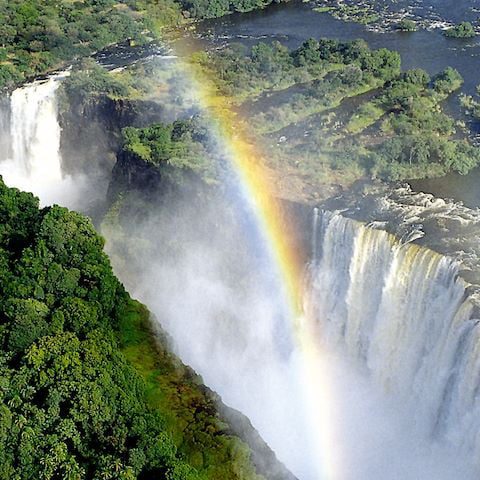
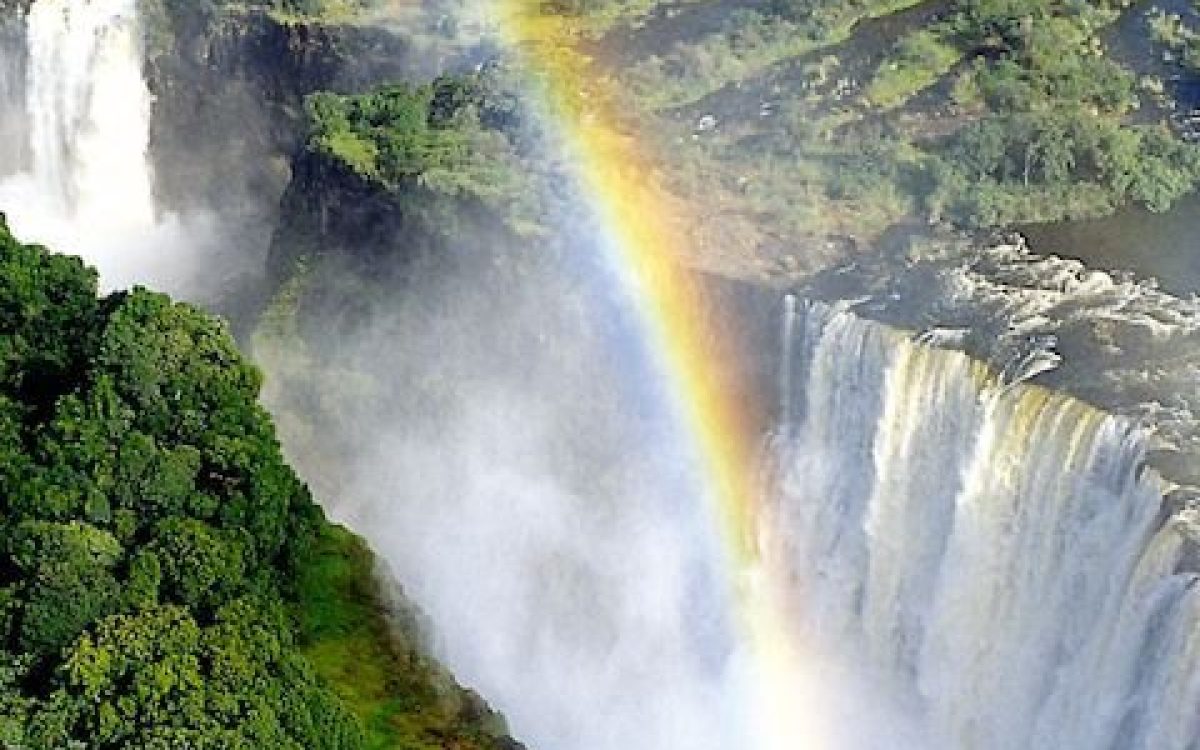
Few natural wonders capture the imagination like Victoria Falls, one of the most breathtaking waterfalls on Earth. Straddling the border between Zambia and Zimbabwe, this immense cascade plunges into a deep gorge along the mighty Zambezi River, creating a thunderous spectacle of mist, rainbows, and roaring water.
Known locally as Mosi-oa-Tunya, meaning “The Smoke that Thunders”, the falls produce towering plumes of spray that can be seen from kilometers away. For centuries, this dramatic natural phenomenon has held cultural significance for local communities and remains one of Africa’s most iconic destinations.
Experiencing Victoria Falls is far more than simply viewing a waterfall. It is an encounter with immense natural power, local heritage, and the adventurous spirit of southern Africa.
Understanding the Power of Victoria Falls:
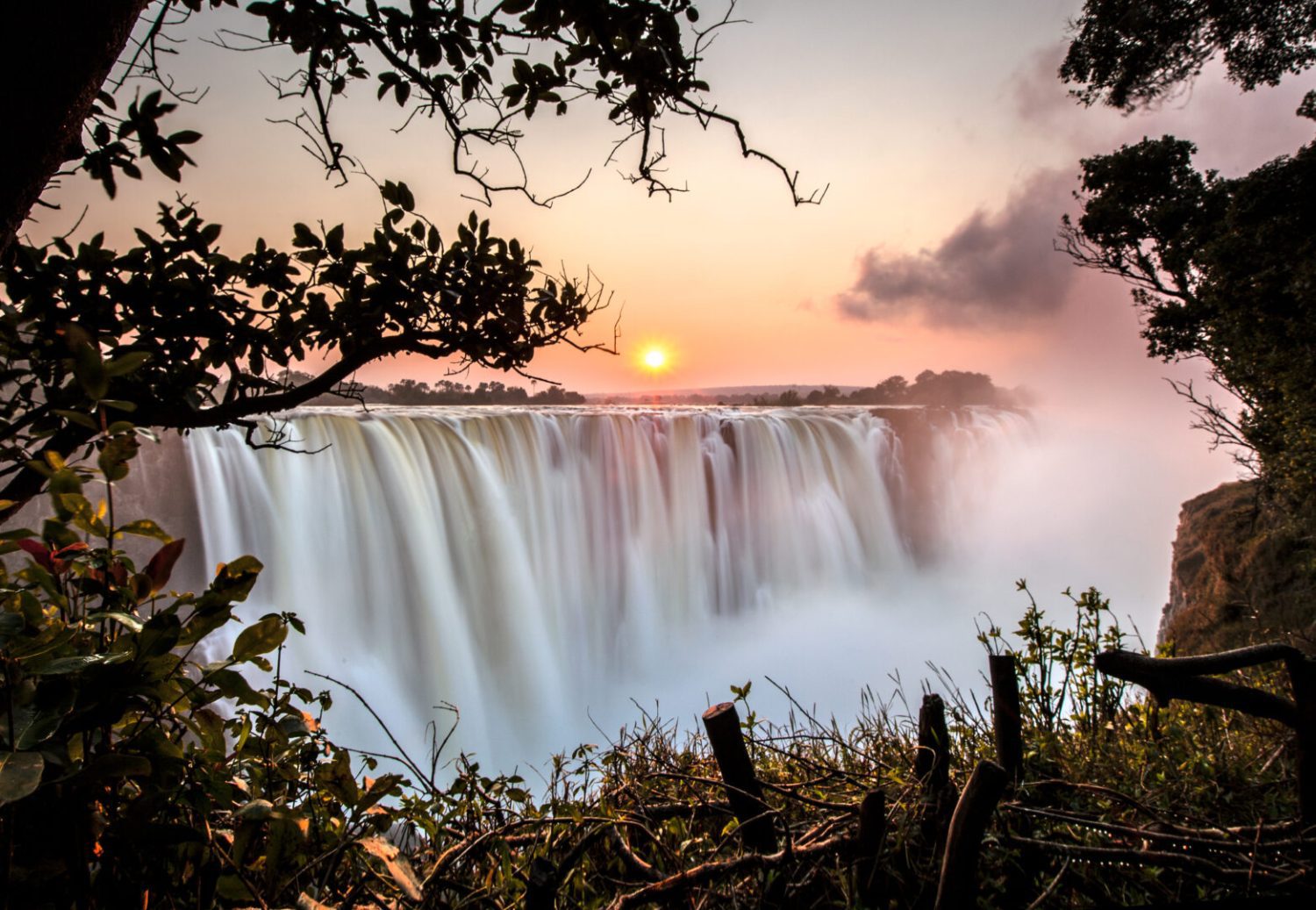
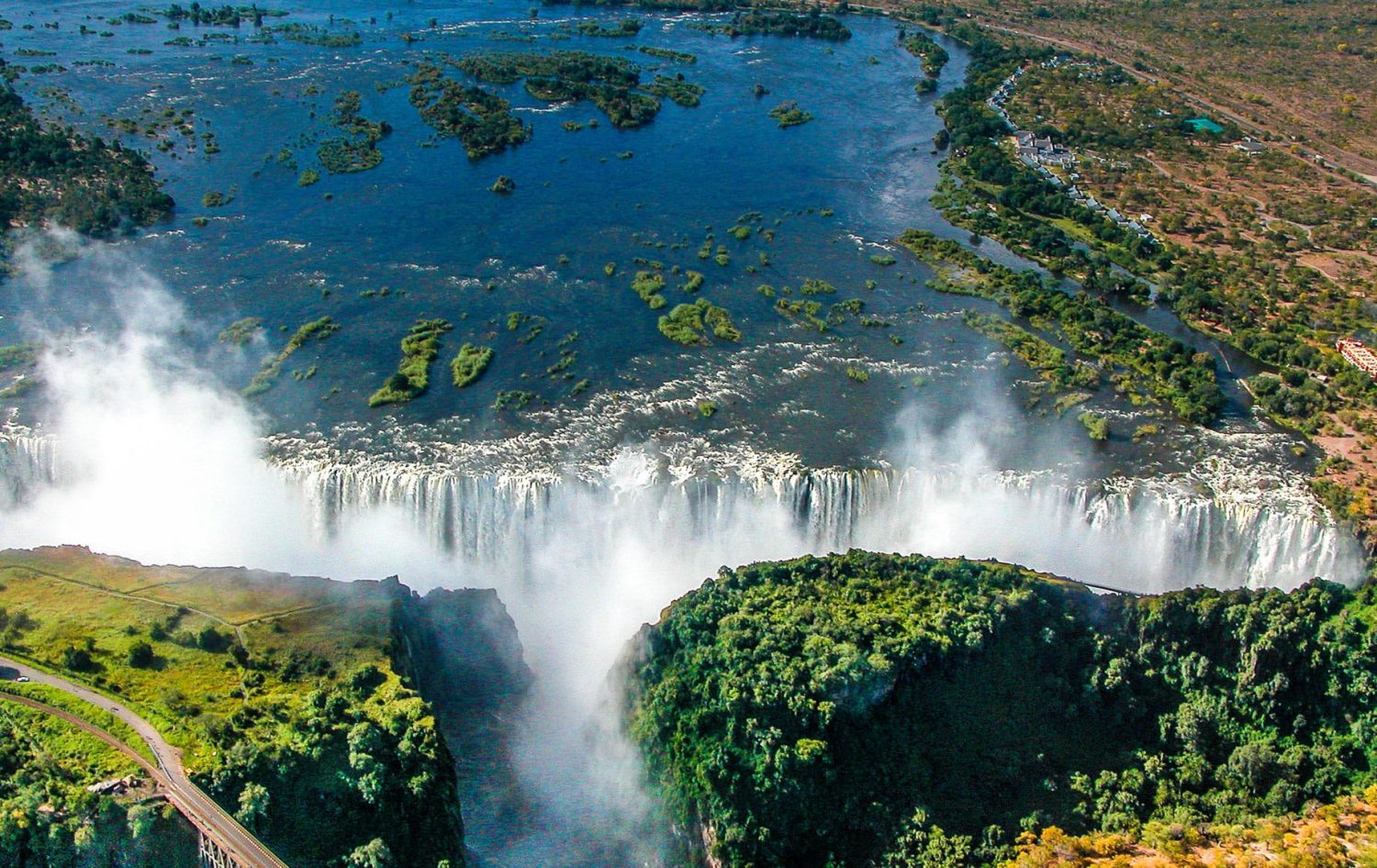
Stretching nearly 1.7 kilometers wide and plunging more than 100 meters into the Batoka Gorge, Victoria Falls is considered the largest waterfall curtain in the world. During peak rainy season, more than 500 million liters of water per minute crash over the edge, producing a thunderous roar and thick clouds of mist.
Unlike tall but narrow waterfalls, Victoria Falls forms a continuous wall of water that creates an overwhelming sensory experience—sound, spray, and wind combine to immerse visitors in nature’s raw energy.
In recognition of its exceptional ecological and geological importance, Victoria Falls was designated a UNESCO World Heritage Site in 1989.
Best Victoria Falls Viewing Points on the Zimbabwe Side:
Many travelers begin their journey in Victoria Falls, a lively town located beside the falls.
1. Victoria Falls Rainforest:
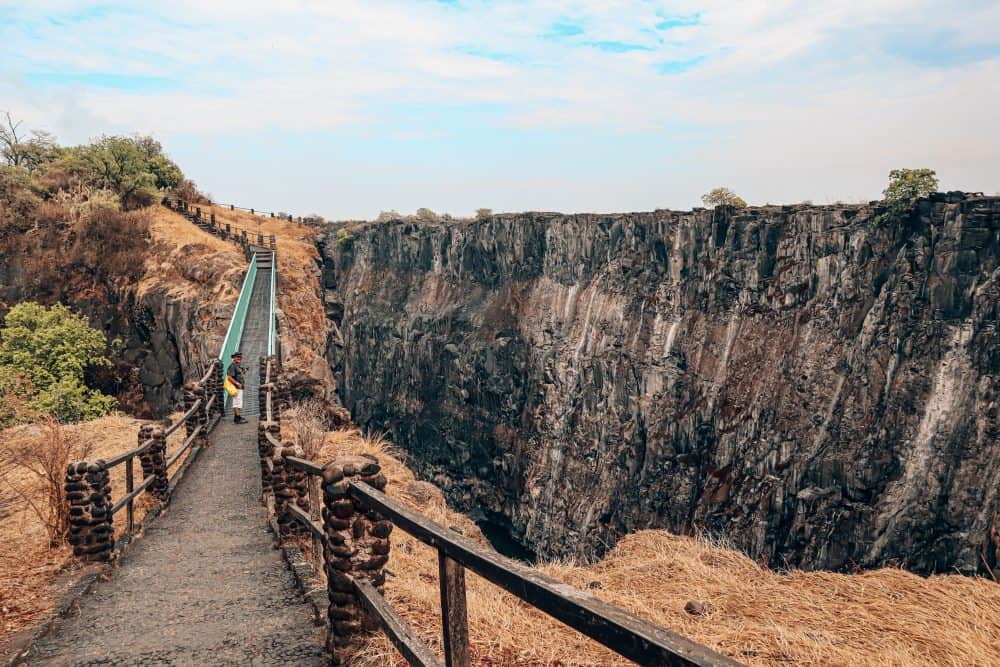
One of the most famous viewpoints lies within Victoria Falls Rainforest, a protected area where constant mist from the waterfall sustains a lush ecosystem of tropical plants.
Walking paths lead visitors through several scenic viewpoints, each revealing a different perspective of the massive waterfall curtain.
2. Devil’s Cataract and Main Falls:
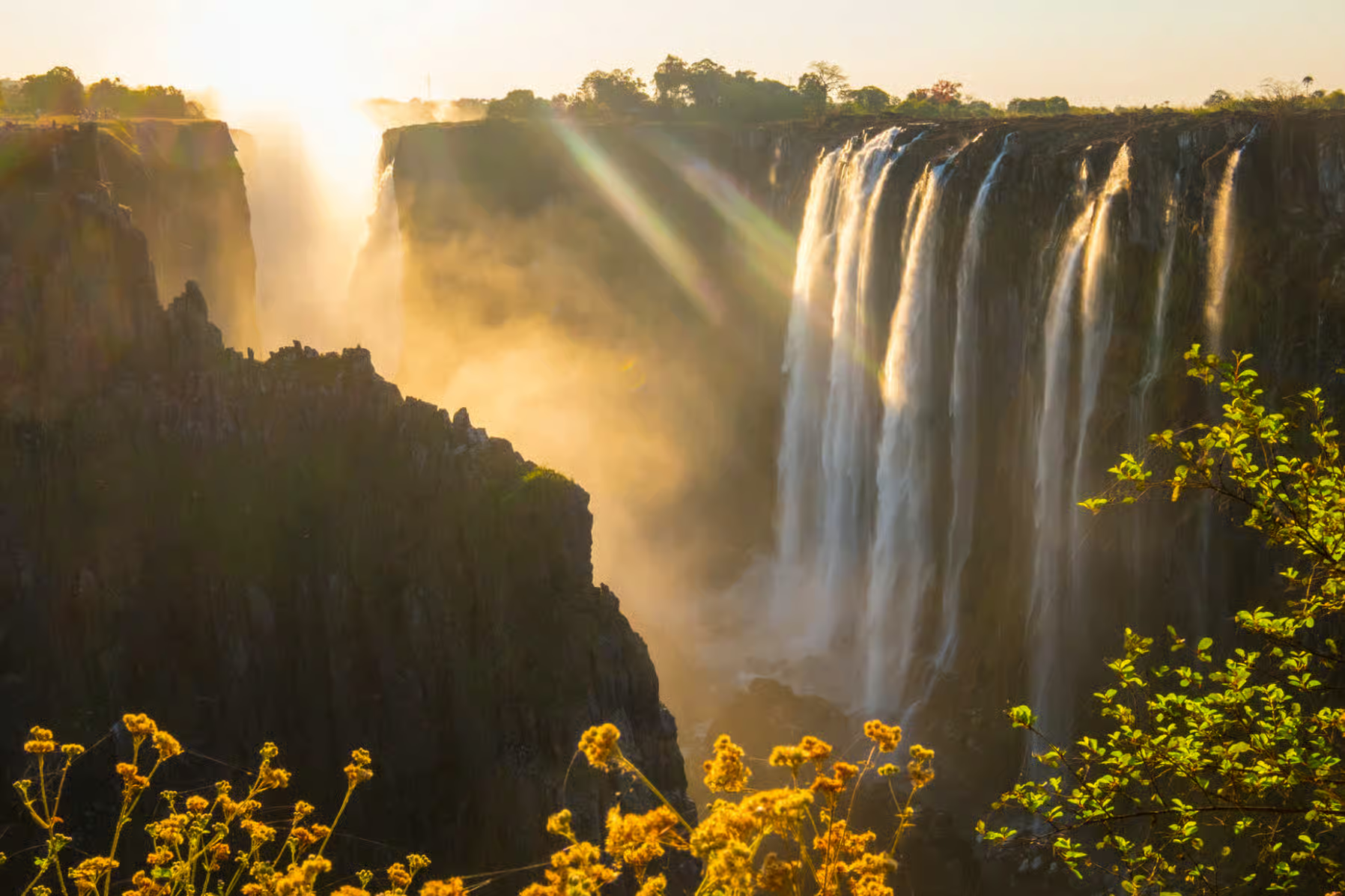
Two of the most dramatic sections include the Devil’s Cataract and the Main Falls, where water crashes down in immense volumes, creating the iconic thunderous roar that inspired the local name Mosi-oa-Tunya.
Experiencing the Falls from Zambia:
Across the border, the Zambian side offers a more intimate and adventurous experience.
Travelers often base themselves in Livingstone, a historic town named after explorer David Livingstone, who introduced the falls to the Western world in 1855.
1. Knife-Edge Bridge:
One of the most thrilling viewpoints is Knife-Edge Bridge, where visitors can stand directly in the waterfall’s spray while enjoying a panoramic view of the Eastern Cataract.
During high water season, walking across the bridge feels like standing inside a tropical rainstorm.
2. The Famous Devil’s Pool:
For adventurous travelers, the edge of the waterfall offers an unforgettable experience at Devil’s Pool. This natural rock pool allows visitors to swim safely just meters from the edge of the falls during low water season.
Guided tours ensure safety while providing a truly once-in-a-lifetime perspective of the immense drop below.
Adventure Activities Around Victoria Falls:
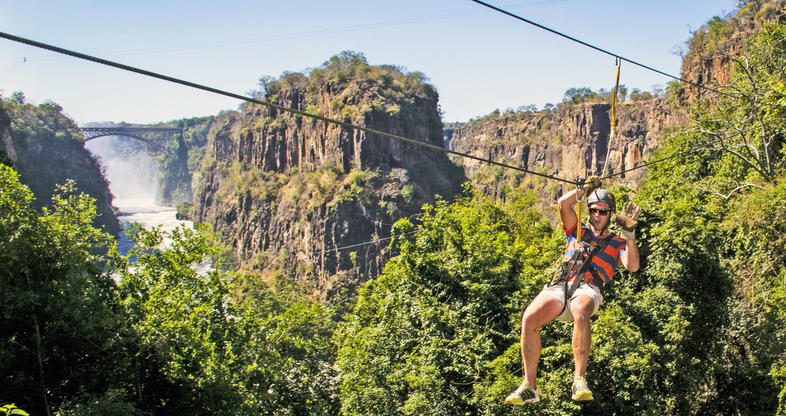
Victoria Falls has become one of Africa’s top adventure destinations, offering thrilling experiences beyond traditional sightseeing.
1. White-Water Rafting on the Zambezi:
The Zambezi River below the falls features some of the world’s most exciting white-water rafting rapids. Deep gorges and powerful currents create an adrenaline-filled journey through one of Africa’s most dramatic river landscapes.
2. Scenic Helicopter Flights:
A helicopter flight above the falls—often called the “Flight of Angels”—offers a spectacular aerial view of the waterfall’s full width and the winding Zambezi River.
From the air, visitors can truly appreciate the scale of the falls and the surrounding rainforest ecosystem.
3. Sunset River Cruises:
For a calmer experience, sunset cruises along the Zambezi reveal another side of the landscape. Travelers may spot elephants, hippos, and crocodiles along the riverbanks while enjoying the golden glow of an African sunset.
Cultural Heritage and Local Traditions:
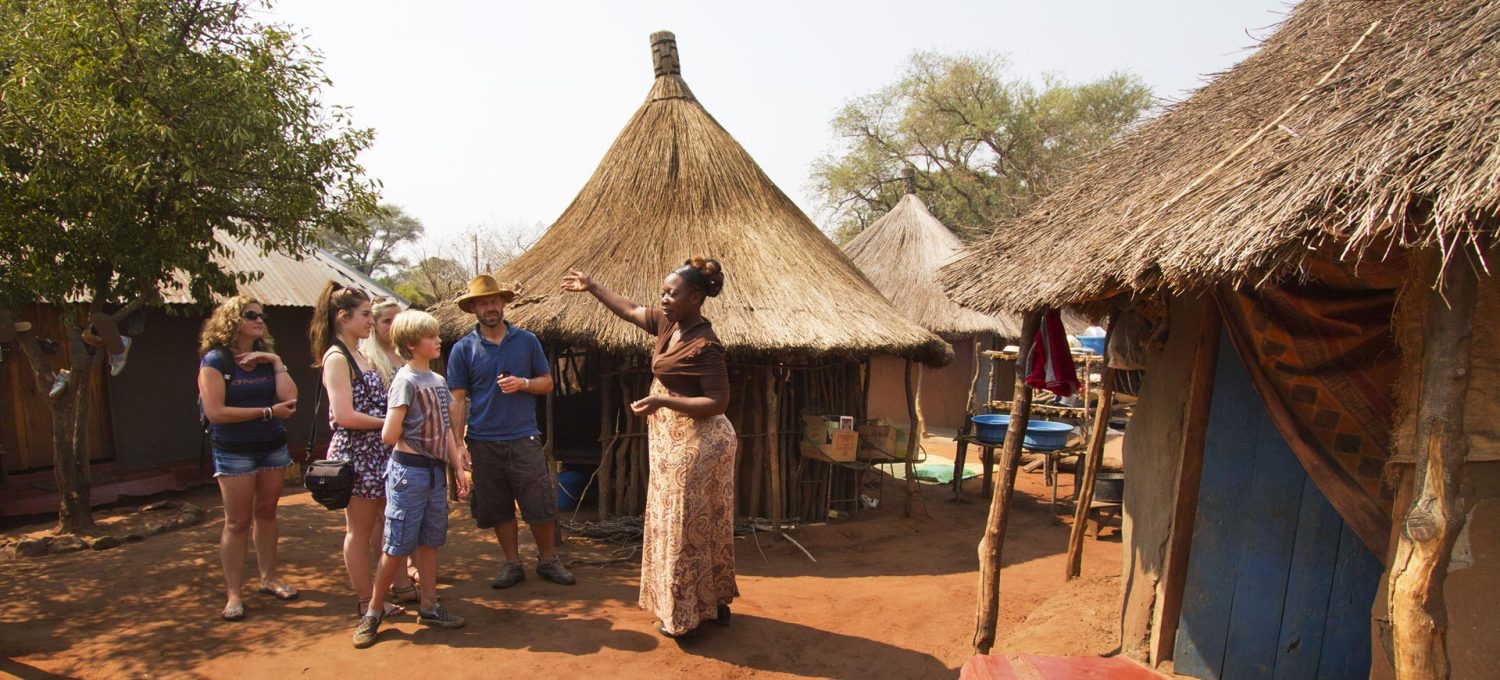
Long before international tourism arrived, Victoria Falls held deep spiritual significance for local communities.
The Tonga and Lozi peoples believed the river and the falls were sacred places connected to ancestral spirits and powerful natural forces.
Even today, cultural tours and local storytelling traditions help visitors understand how communities historically interacted with the river and surrounding wilderness.
Learning about these traditions enriches the travel experience and highlights the importance of respecting both nature and culture.
Best Time to Visit Victoria Falls:
The appearance of Victoria Falls changes dramatically throughout the year depending on water levels.
1. High Water Season (February – May):
During this period, the waterfall is at its most powerful. Massive volumes of water create towering mist clouds visible from kilometers away.
2. Low Water Season (September – December):
Lower water levels reveal the rocky cliff formations beneath the falls and allow access to activities such as Devil’s Pool.
Both seasons offer unique perspectives, so the best time to visit depends on whether travelers prefer dramatic water volume or adventurous activities.
Practical Tips for Visiting Victoria Falls:
1. Bring Waterproof Protection:
The waterfall spray can soak visitors quickly, especially during peak flow months.
2. Carry Travel Documents:
Because the falls span two countries, many travelers cross the Victoria Falls Bridge between Zambia and Zimbabwe. Passports are required for border crossings.
3. Protect Cameras and Electronics:
Waterproof bags help protect equipment from constant mist.
4. Support Local Guides:
Local guides provide valuable insight into the waterfall’s geology, history, and cultural significance.
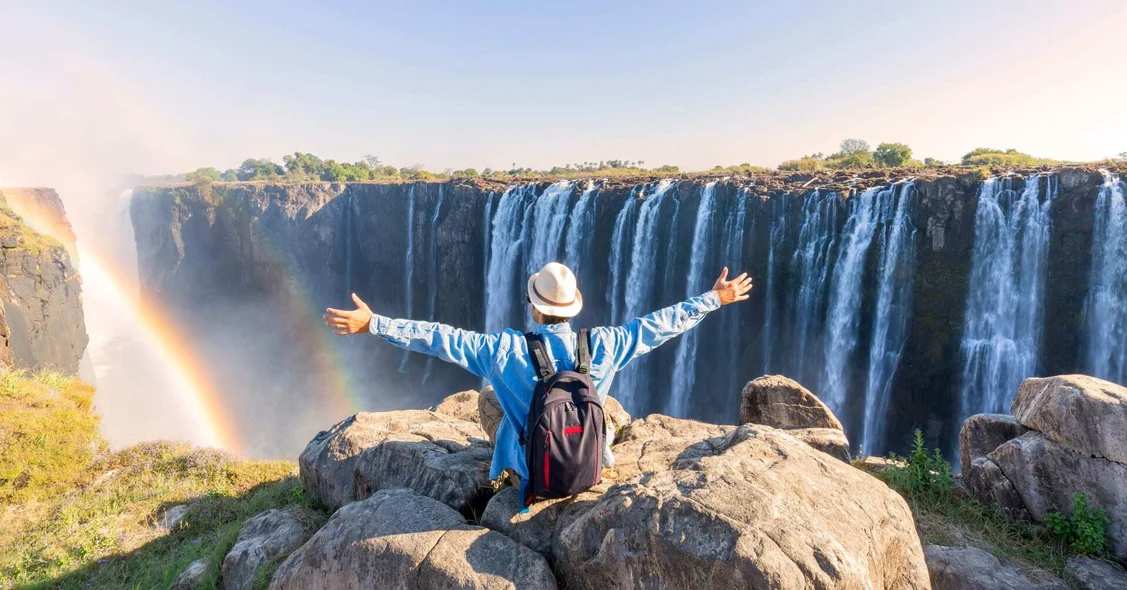
Few places on Earth match the raw power and beauty of Victoria Falls. From the thunderous roar of the cascading water to the shimmering rainbows rising through the mist, every moment at the falls feels extraordinary.
Exploring both Zambia and Zimbabwe reveals different perspectives of this remarkable landscape—one side offering expansive panoramic views, the other thrilling proximity to the rushing water.
Yet beyond its natural spectacle, Victoria Falls also represents a meeting point of culture, history, and ecological importance. For travelers seeking both adventure and deeper cultural understanding, the “Smoke that Thunders” offers an unforgettable journey into one of Africa’s greatest natural treasures.
At Nutrition Travels, we believe that the most meaningful adventures connect travelers with landscapes, cultures, and stories that inspire curiosity and respect for the natural world.