
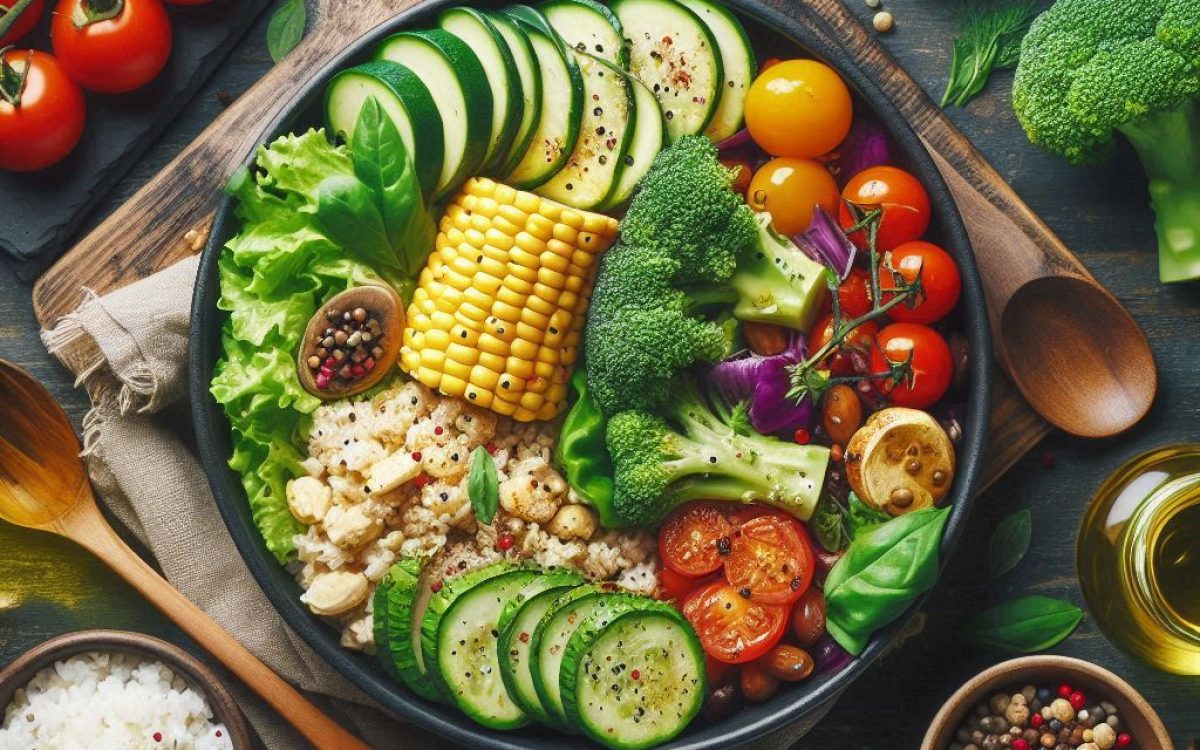
In today’s era of constant travel and daily commuting, many people find it challenging to maintain a healthy diet, especially if they follow a vegetarian lifestyle. Vegetarian meals while traveling require smart planning and awareness of available options so that your health and energy levels stay intact. In this article, we will explore practical strategies for organizing vegetarian meals while traveling, helping you enjoy balanced and nutritious eating even on the go.
Why Planning Vegetarian Meals While Traveling Is Important:
When you are away from home, food options are often limited, and ready-made meals or foods high in fat and sugar are common. For vegetarians, additional challenges may arise, such as difficulty finding plant-based protein or fresh vegetables. Advance planning ensures:
- Steady energy throughout the day: Eating balanced vegetarian meals helps maintain stable energy levels.
- Digestive health: Avoiding excessive processed foods reduces digestive issues and constipation.
- Avoiding nutritional deficiencies: Planning helps ensure intake of protein, iron, and essential vitamins.
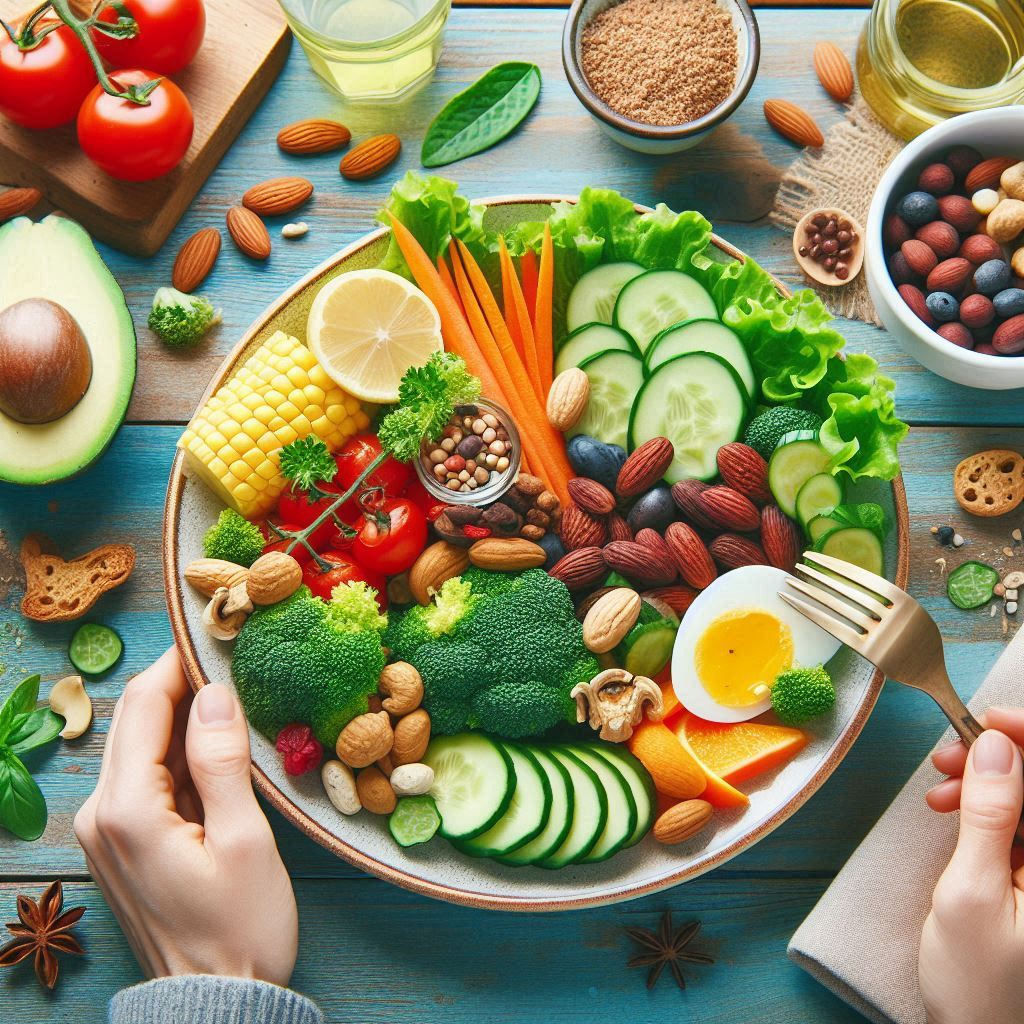
Tips for Preparing Vegetarian Meals While Traveling:
1. Plan Your Meals in Advance:
Before traveling, try to learn about the type of food available at your destination. If traveling by plane or train:
- Prepare portable snacks such as nuts, seeds, and dried fruits.
- Make homemade vegetarian sandwiches with whole grains, vegetables, and legumes.
2. Rely on Healthy Snacks:
Snacks are key while traveling, as main meals may not always be available on time. Good options include:
- Nuts and seeds: almonds, walnuts, chia seeds, sunflower seeds.
- Fresh or dried fruits: apples, bananas, dates, dried apricots.
- Whole grains: such as dry oatmeal or whole grain biscuits.
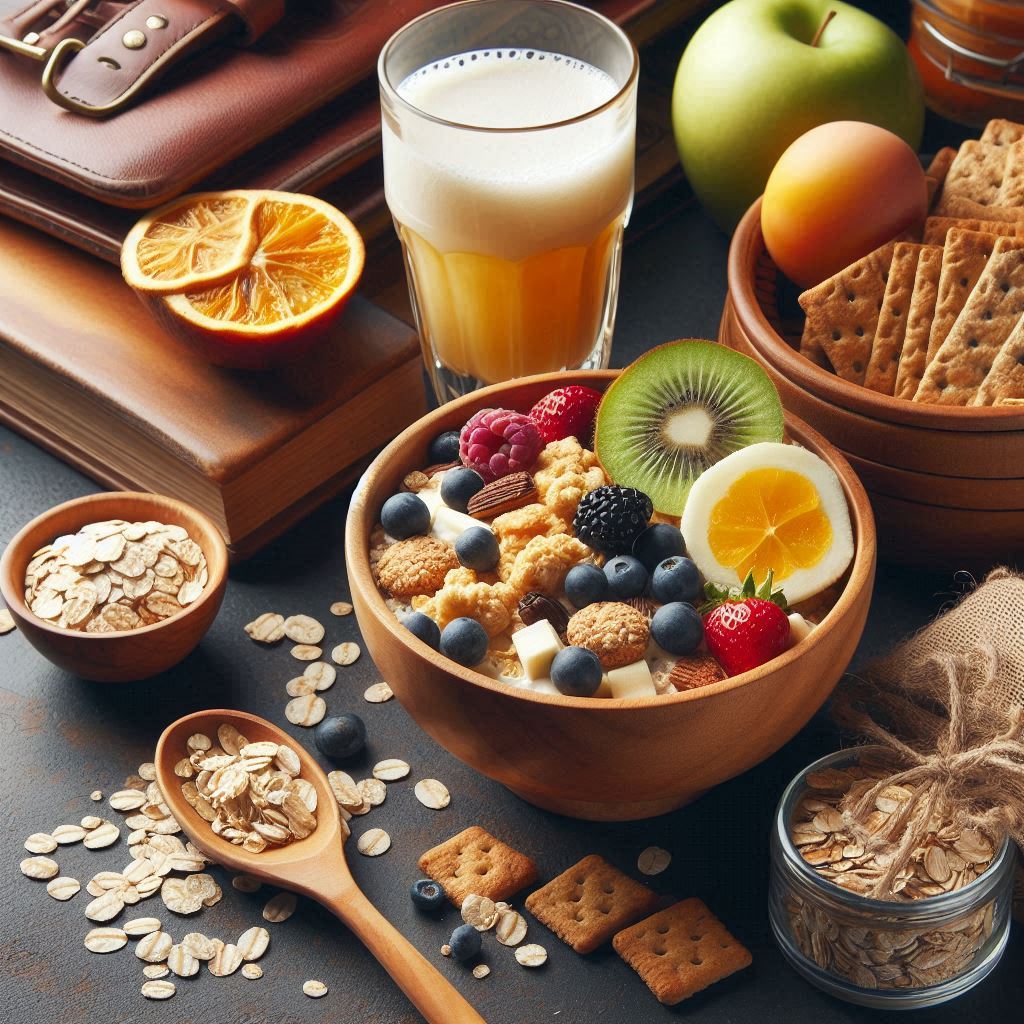
3. Make Smart Choices at Restaurants:
If you have to eat at a restaurant:
- Choose protein-rich salads with chickpeas, beans, or tofu.
- Avoid heavy, creamy sauces, and ask for light dressings like lemon juice or balsamic vinegar.
- Ask if dishes can be modified to be vegetarian, as many restaurants now offer plant-based alternatives.
4. Ensure Adequate Plant-Based Protein:
Protein is essential for maintaining energy and satiety, especially during long trips. Sources of plant-based protein include:
- Legumes: lentils, beans, chickpeas, peas.
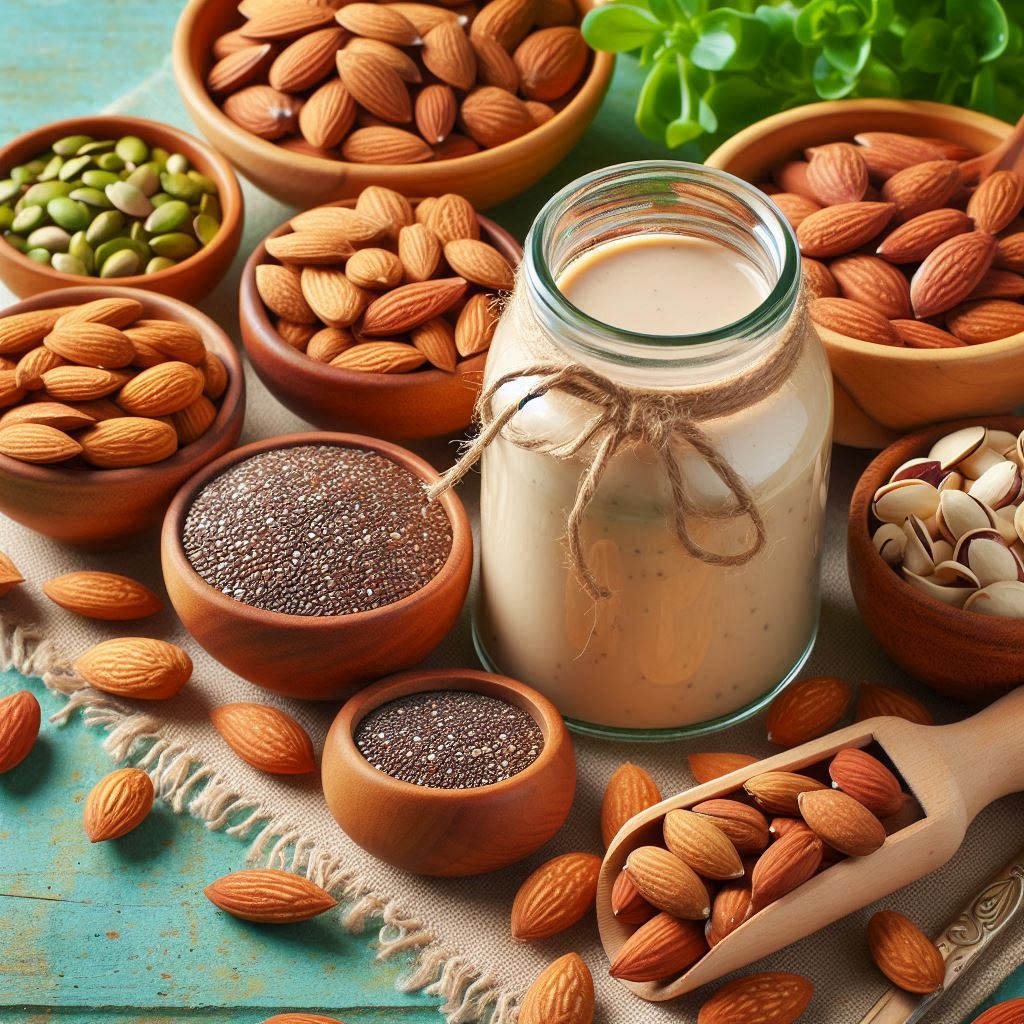
- Nuts and seeds: almonds, flaxseeds, chia seeds, pistachios.
How to Prepare Vegetarian Meals Before Traveling:
1. Healthy Sandwiches:
- Use whole-grain bread.
- Add fresh vegetables like carrots, cucumber, and lettuce.
- Include a plant-based protein source such as mashed chickpeas or grilled tofu slices.
Try packing one of these sandwiches for your next trip and feel the difference!
2. Ready-Made Salads:
- Prepare salads with a mix of vegetables + plant-based protein + nuts or seeds.
- Store them in airtight containers for easy transport while traveling.
3. Quick-Prep Meals:
- Oatmeal: can be prepared in advance with plant-based milk, dried fruits, and nuts.
- Soup: bring a small packet of lentils or dried beans and easily prepare a vegetarian soup with hot water.
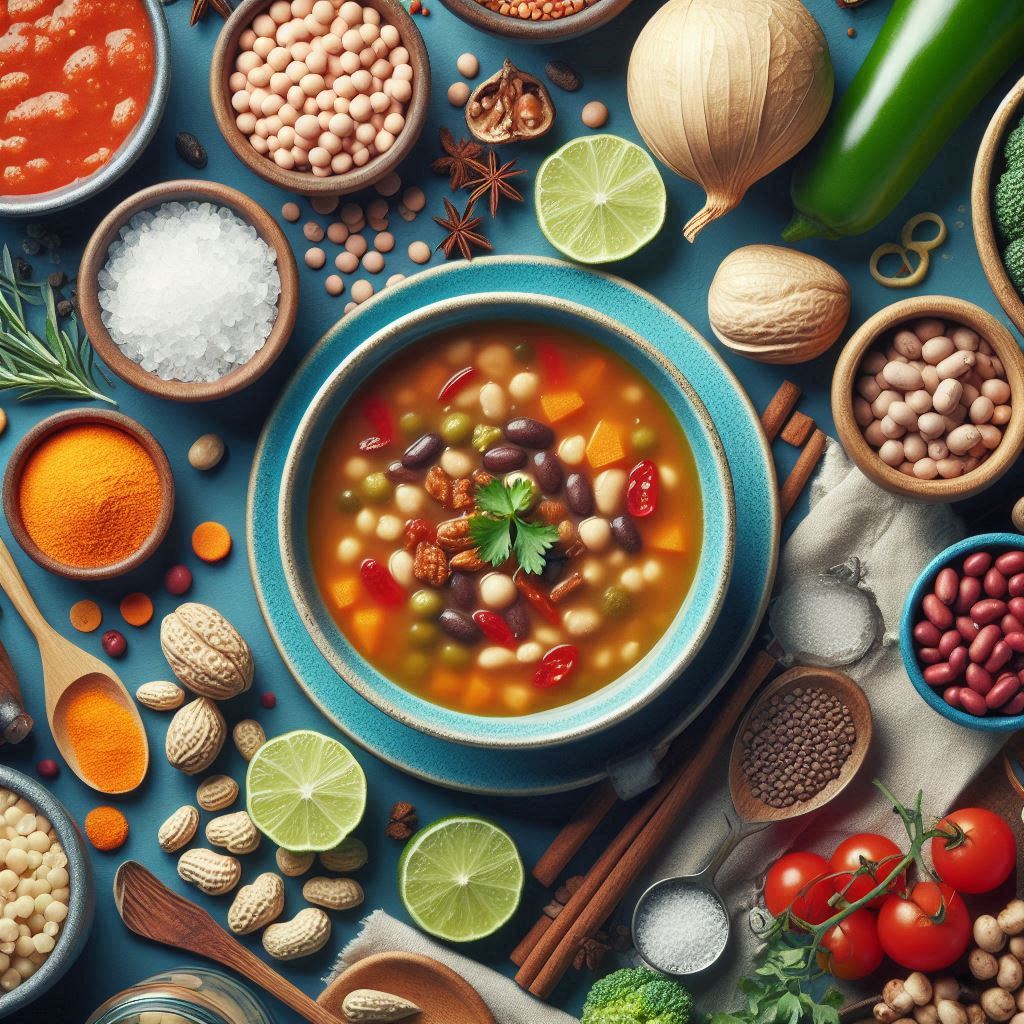
Examples of Easy Vegetarian Meals While Traveling:
1. Breakfast: Oatmeal with almond milk, banana slices, and chia seeds.
2. Lunch: Whole-grain sandwich with avocado slices, tomato, lettuce, and chickpeas.
3. Dinner: Quinoa salad with black beans, bell peppers, carrots, and grilled tofu.
4. Snacks: Nuts, dried fruits, or energy balls made from dates, oats, and nuts.
Traveling doesn’t mean giving up your vegetarian diet or good health. With advance planning, smart meal prep, and choosing the right options while traveling, you can maintain a balanced diet that provides your body with energy and essential nutrients.
Start planning your vegetarian meals while traveling today and enjoy healthy, hassle-free eating on the go!
For more tips and detailed information about vegetarian meals while traveling, you can always rely on Nutrition Travels as a trusted reference for everything related to plant-based nutrition on the go.