Fraser Island, known by its Indigenous name K’gari, is a natural wonder like no other. Stretching over 123 kilometers along the Queensland coast of Australia, it holds the title of the world’s largest sand island. Far beyond its impressive size, Fraser Island offers travelers an extraordinary blend of unique ecosystems, pristine beaches, ancient rainforests, freshwater lakes, and rich Indigenous heritage. Whether you’re seeking adventure, wildlife encounters, or simply a peaceful retreat, Fraser Island promises an unforgettable journey.
Why Fraser Island (K’gari) Is a Must-Visit:
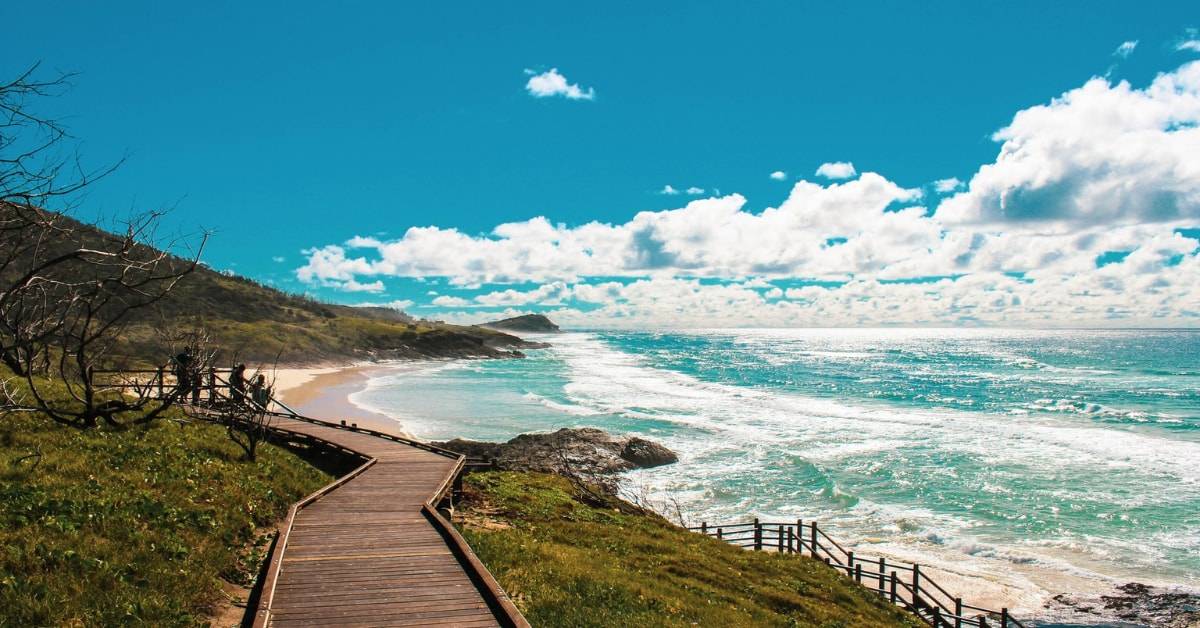
Fraser Island (K’gari) lies in its incredible diversity. Unlike any other destination, this island is composed entirely of sand, yet it supports lush rainforests, tall eucalyptus trees, and vibrant wildlife. Its beaches are renowned for their pure white sand stretching for miles, while the crystal-clear freshwater lakes provide the perfect escape from the sun. Visitors often describe the island as a magical place where natural beauty meets adventure and serenity in equal measure.
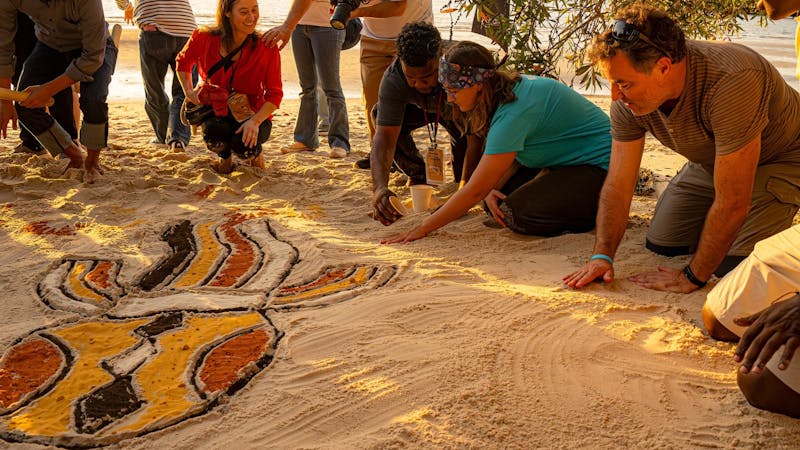
The Indigenous Butchulla people, the traditional custodians of K’gari, have a deep spiritual connection to the island. Their stories and cultural heritage enrich every visit, offering travelers a glimpse into Australia’s first nations history. Respecting these traditions while exploring Fraser Island ensures a meaningful and responsible travel experience.
How to Get to Fraser Island:
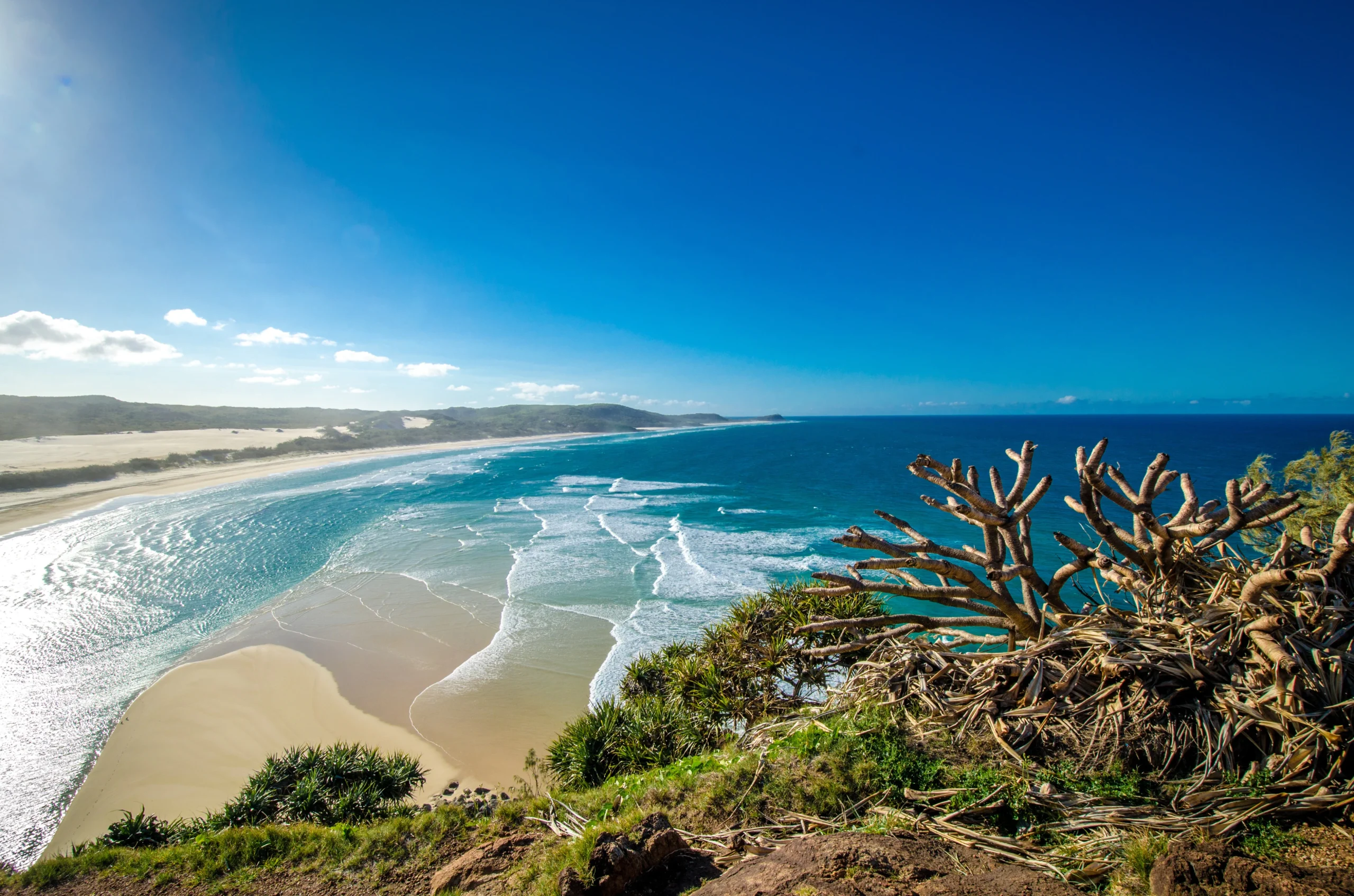
Accessing Fraser Island is an adventure in itself. Most visitors reach the island via ferry or barge from Hervey Bay or Rainbow Beach. These routes are not just transportation—they provide spectacular views of the coastline and opportunities to spot dolphins, turtles, or seabirds along the way.
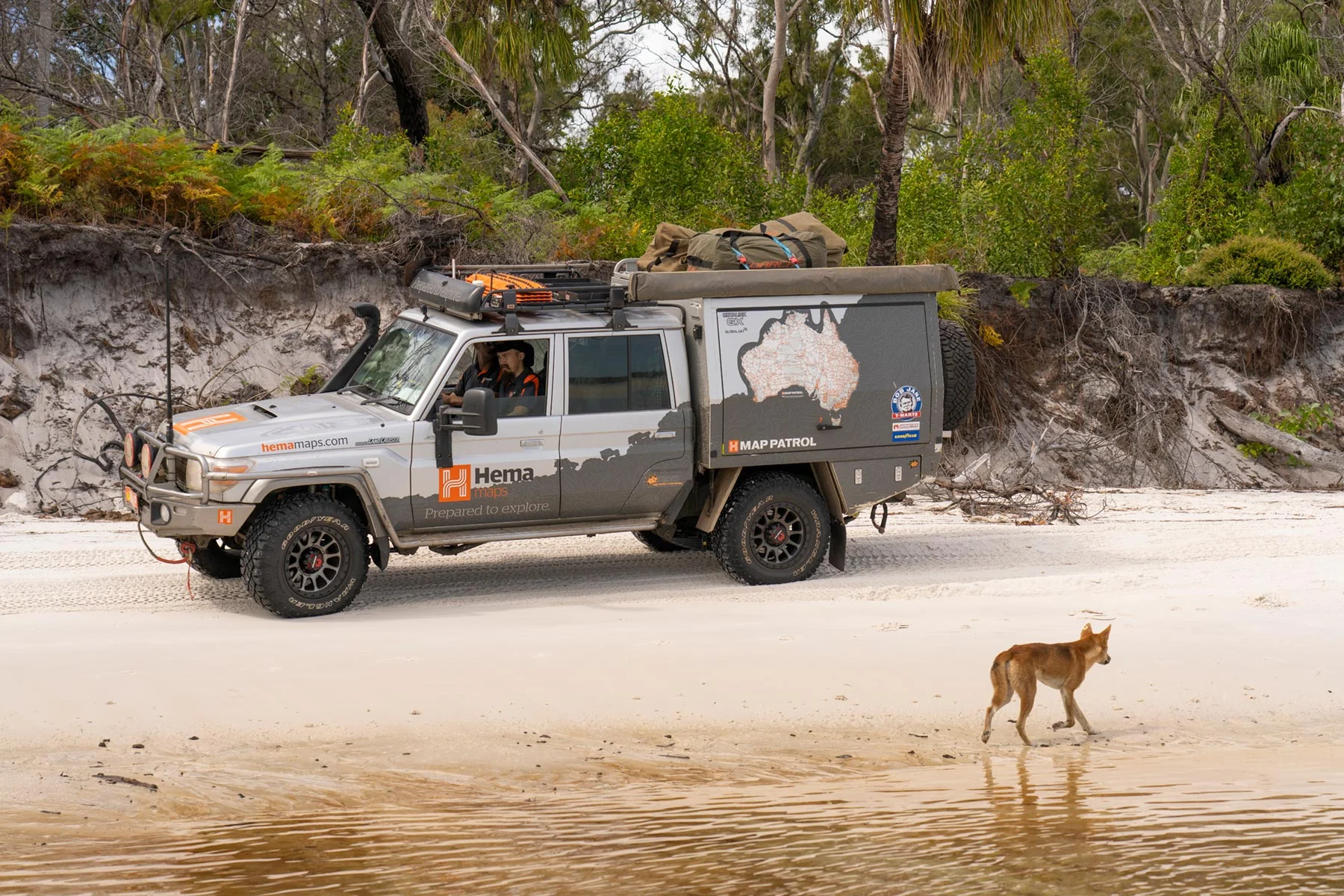
For those seeking more independence, Fraser Island is a popular destination for 4WD enthusiasts. The island’s sandy tracks and rugged terrain are best navigated with a four-wheel-drive vehicle, allowing you to explore remote beaches, hidden freshwater lakes, and forest trails at your own pace. Guided tours are also available for those who prefer a more structured experience, providing insights into the island’s history, flora, and fauna.
Exploring the Beaches:
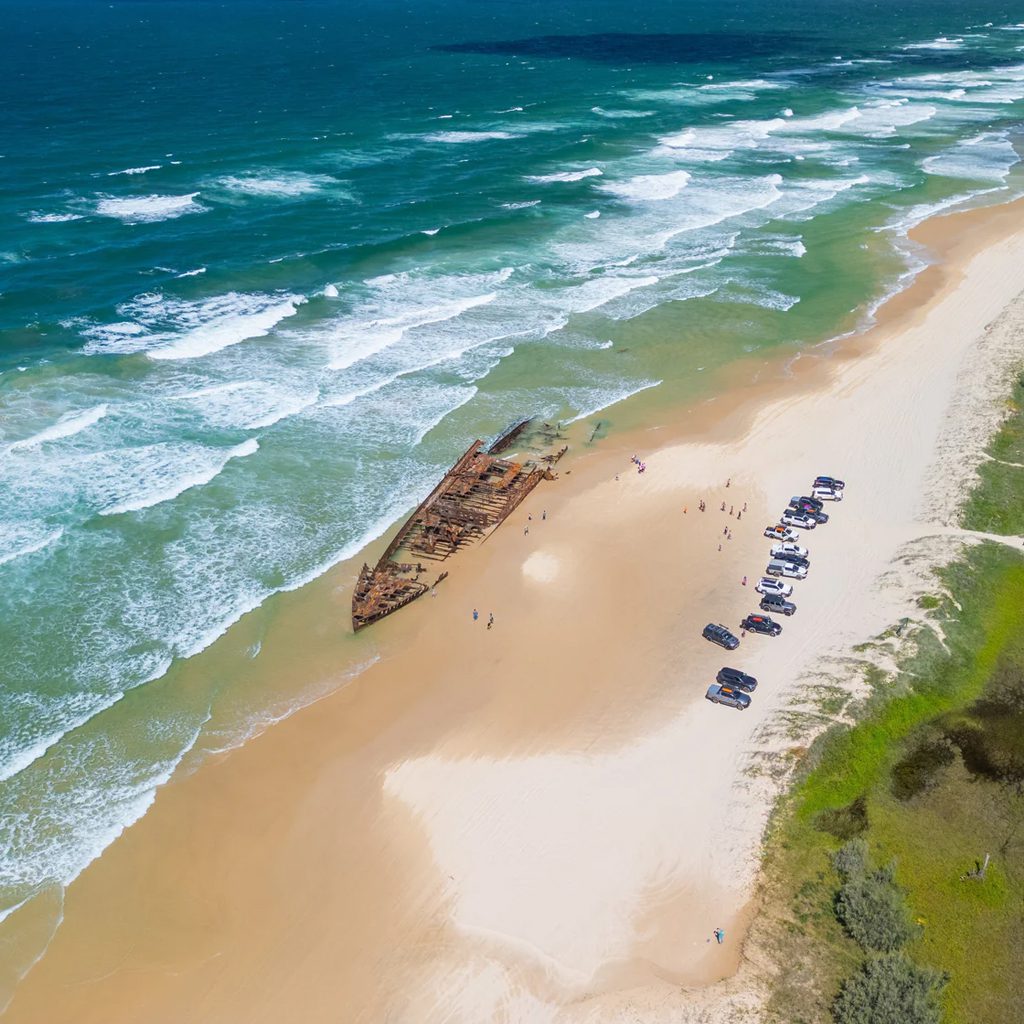
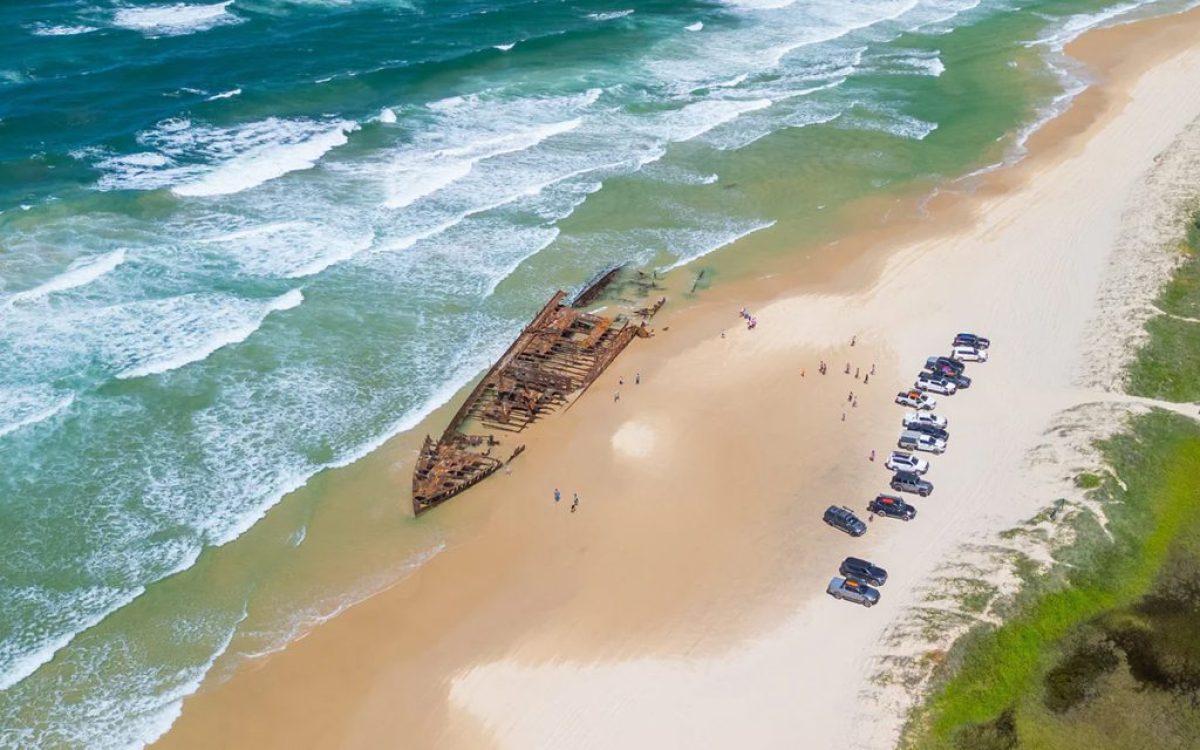
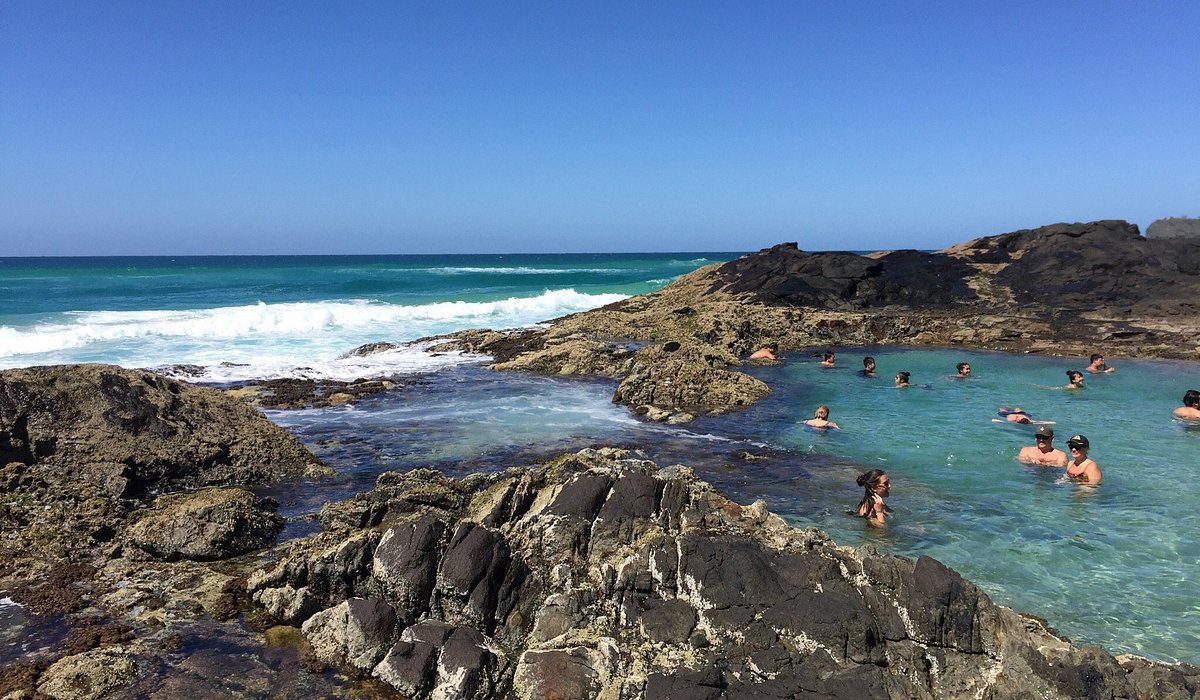
Fraser Island’s beaches are iconic, offering both adventure and tranquility. Seventy-Five Mile Beach, as its name suggests, stretches over 120 kilometers and serves as a highway, landing strip, and scenic route all in one. Visitors can drive along the beach (with caution), enjoy fishing, sunbathe, or spot whales during migration season.
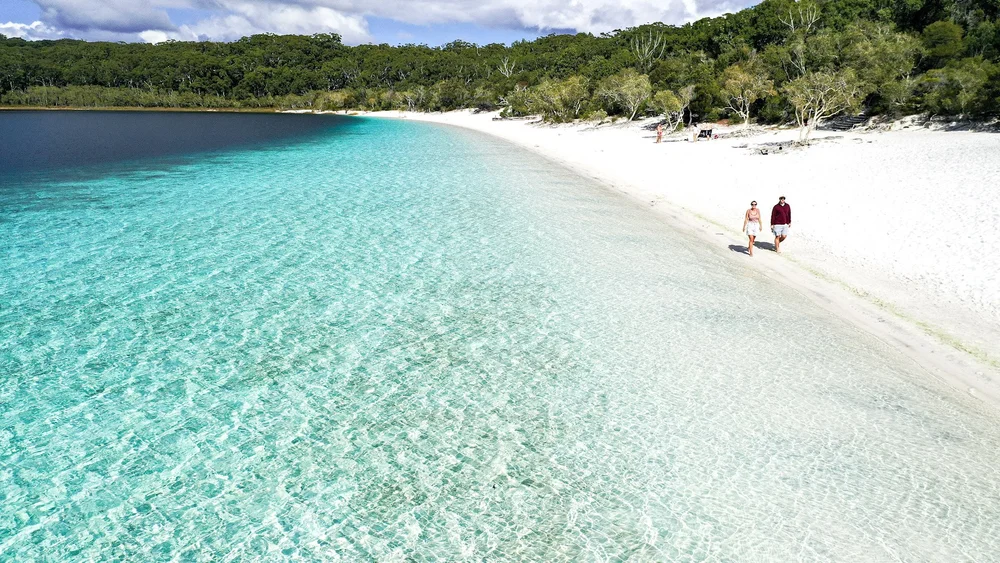
Eli Creek, a freshwater stream flowing directly into the ocean, is a popular spot for families. You can wade or float along its clear waters, surrounded by picturesque sand dunes and natural vegetation. Lake McKenzie, with its pure silica sands and turquoise waters, is often described as one of Australia’s most stunning freshwater lakes and is ideal for swimming, picnicking, or simply soaking in the serene surroundings.
Rainforests and Hiking Trails:
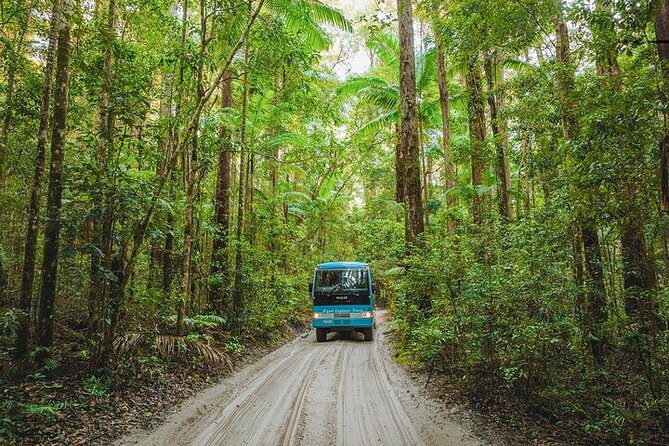
It may seem surprising, but Fraser Island’s sand is fertile enough to support lush rainforests. Central Station is a must-visit area where towering trees, ferns, and diverse wildlife create an enchanting environment. Walking trails here reveal rare bird species, colorful plants, and historical remnants of the island’s logging past.
The island also offers longer hikes for the more adventurous, leading to hidden beaches, panoramic viewpoints, and tranquil lagoons. Each trail provides a different perspective of Fraser Island’s unique ecosystem, making every hike a rewarding experience.
Wildlife Encounters:
Fraser Island is home to a variety of wildlife, many of which are unique to the region. Dingoes roam freely, often observed along the beaches or forest edges. These wild dogs are part of the island’s natural heritage, and while they are generally shy, visitors must maintain a safe distance.
Birdwatchers will delight in spotting rainbow lorikeets, sea eagles, and numerous migratory birds. The island’s lakes and creeks attract turtles, frogs, and other aquatic creatures. Snorkeling or kayaking in designated areas can provide close encounters with the vibrant aquatic life, adding an element of adventure to your visit.
Indigenous Culture and History:
A trip to Fraser Island is incomplete without acknowledging its rich cultural heritage. The Butchulla people have called K’gari home for thousands of years, and their connection to the land is evident in the stories, sacred sites, and traditional practices still honored today. Guided tours led by Indigenous rangers offer insights into the island’s Dreamtime legends, bush medicine, and survival techniques, providing a deeper understanding of Fraser Island beyond its natural beauty.
Tips for Visiting Fraser Island:
- Plan Your Transport: Decide between a 4WD adventure, guided tour, or a combination of both depending on your comfort level and experience.
- Respect Wildlife: Keep a safe distance from dingoes and other wildlife; do not feed animals.
- Pack Essentials: Bring sunscreen, insect repellent, plenty of water, and sturdy footwear for hiking.
- Follow Environmental Guidelines: Fraser Island is a UNESCO World Heritage site, so minimize waste and avoid disturbing natural habitats.
- Timing Matters: Visit during the dry season (May–October) for safer driving conditions and clearer skies.
Accommodation Options:
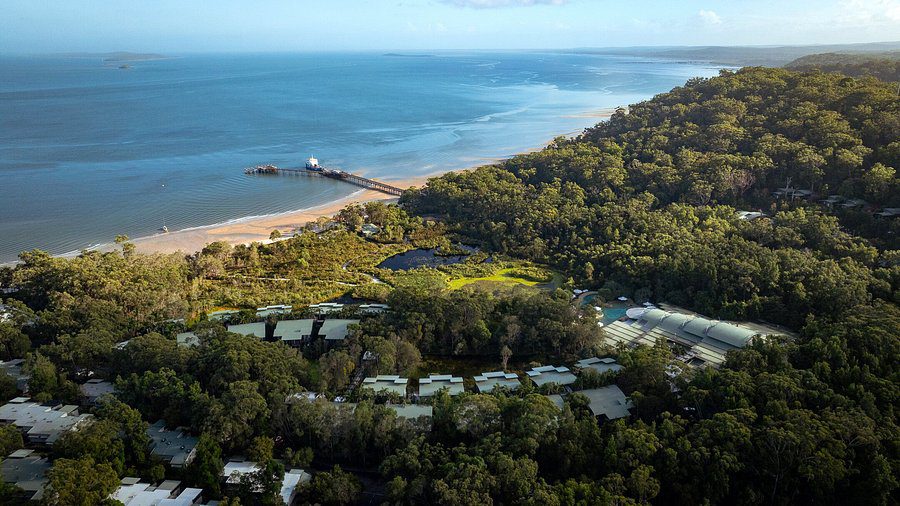
Fraser Island offers a range of accommodation, from camping grounds to eco-resorts. For those seeking immersion in nature, campgrounds like Central Station or Dundubara provide proximity to lakes and trails. Eco-lodges offer more comfort while maintaining sustainable practices, such as solar power and water conservation. Choosing environmentally responsible lodging aligns with the spirit of the island and supports local conservation efforts.
Adventure Activities:
Beyond hiking and wildlife spotting, Fraser Island is a playground for adventure enthusiasts. Kayaking, fishing, and four-wheel-drive tours provide thrilling ways to explore. Photography enthusiasts will find endless opportunities, from capturing the island’s golden sands at sunrise to photographing native wildlife and reflective freshwater lakes. For the ultimate adventure, consider a multi-day expedition to explore the island’s remote northern reaches, where fewer visitors venture.
Fraser Island (K’gari) is more than just the world’s largest sand island—it is a destination where nature, culture, and adventure converge. From its pristine beaches to ancient rainforests, sparkling lakes, and unique wildlife, every corner of the island offers something extraordinary. By respecting the Indigenous heritage, following environmental guidelines, and choosing sustainable travel options, visitors can ensure that Fraser Island remains a paradise for generations to come.
For detailed itineraries, insider tips, and eco-friendly travel recommendations for Fraser Island and beyond, visit Nutrition Travels and start planning your unforgettable Australian adventure today!